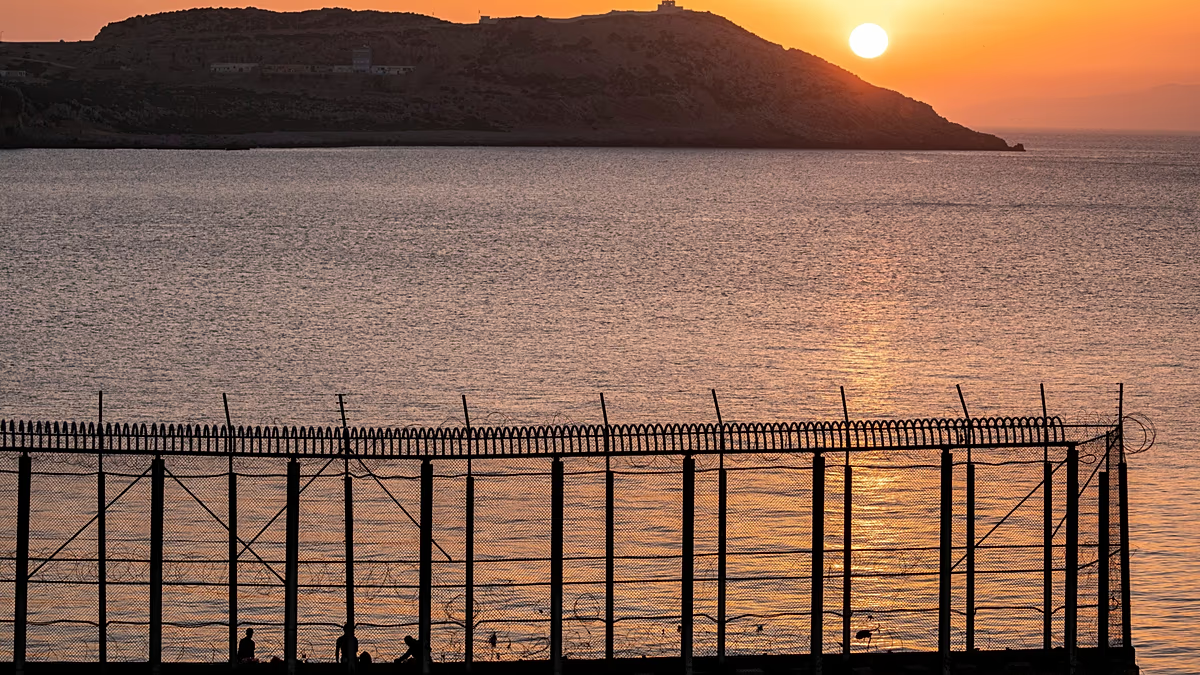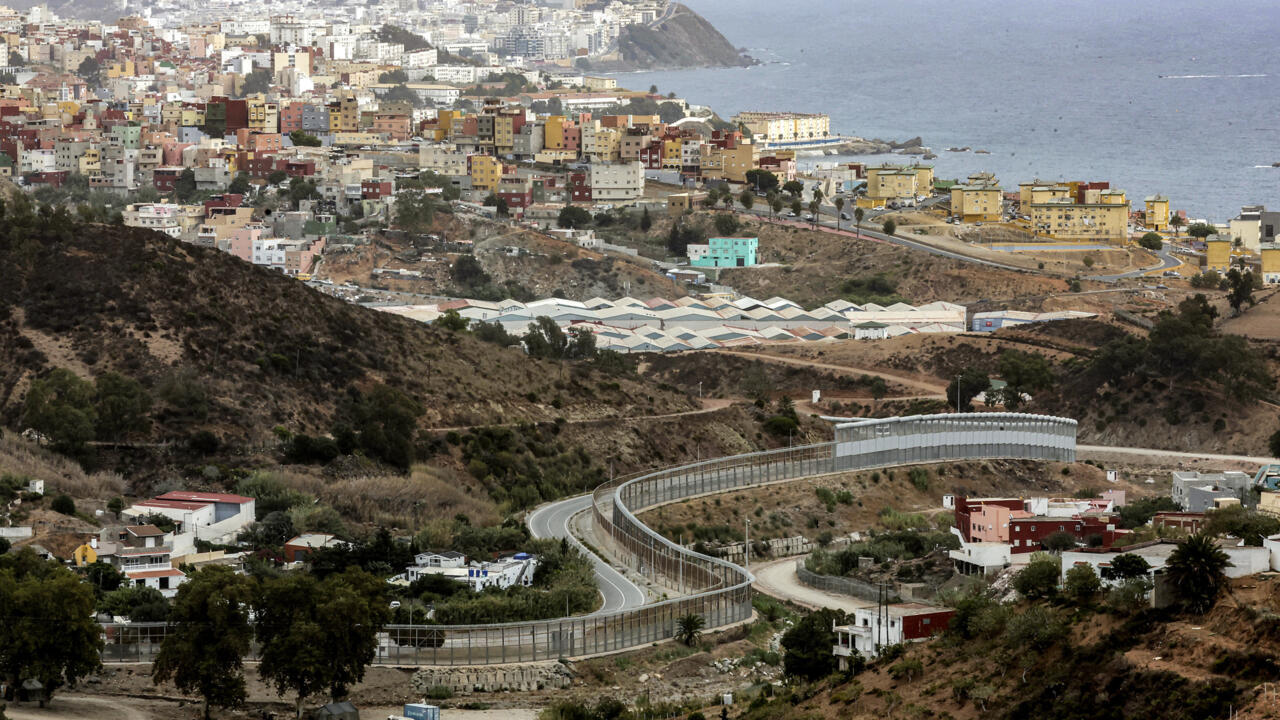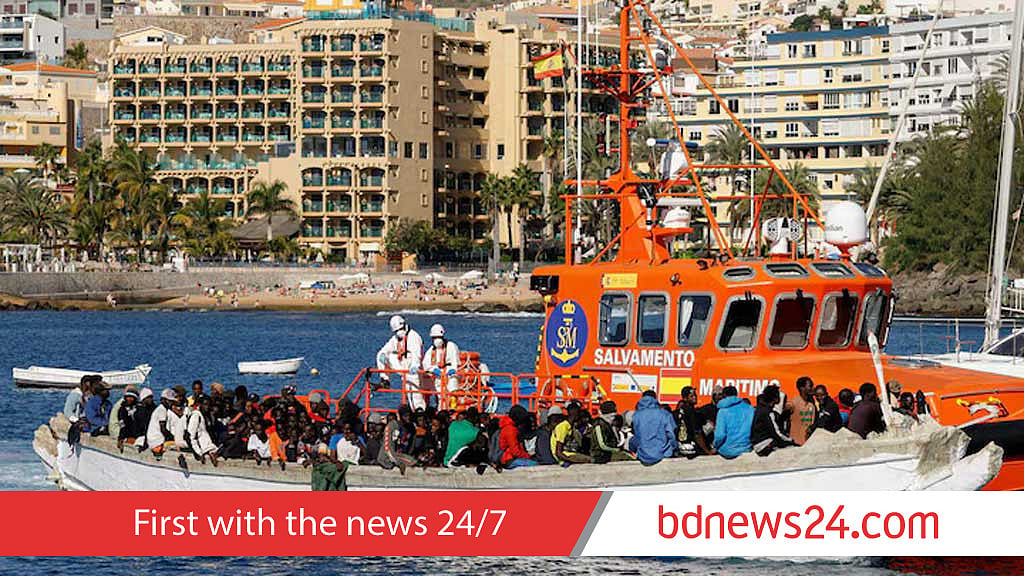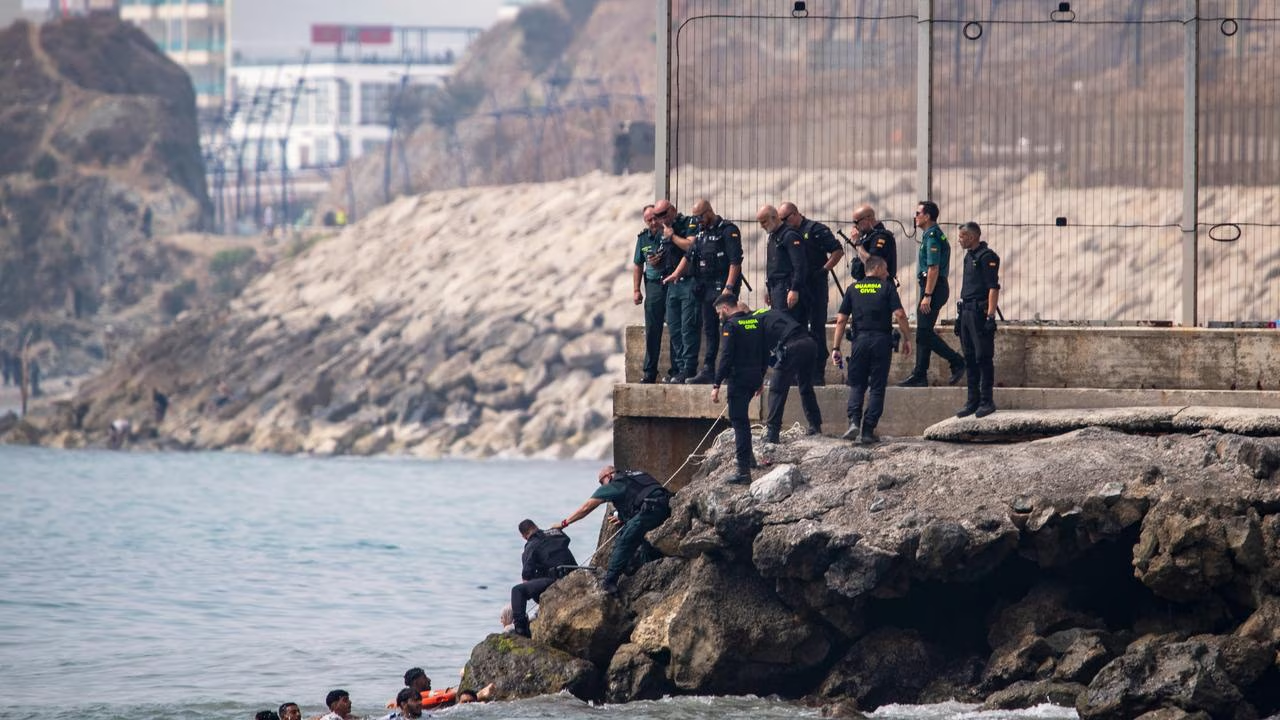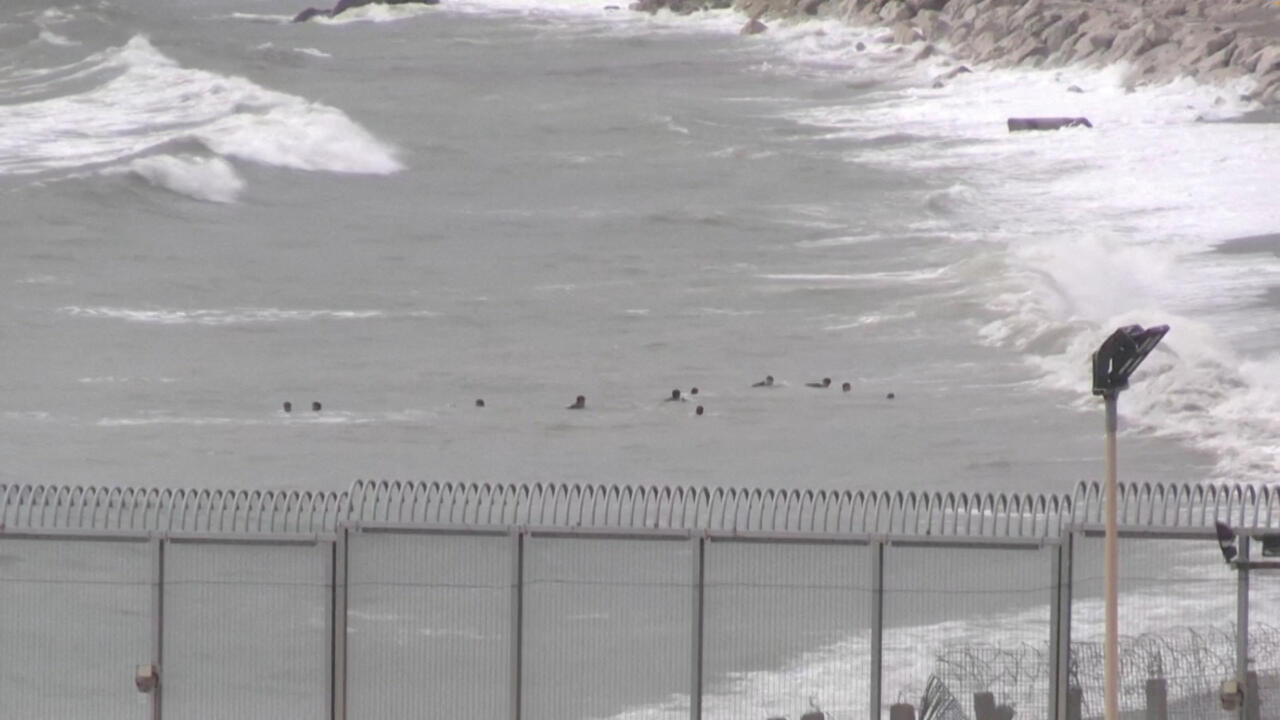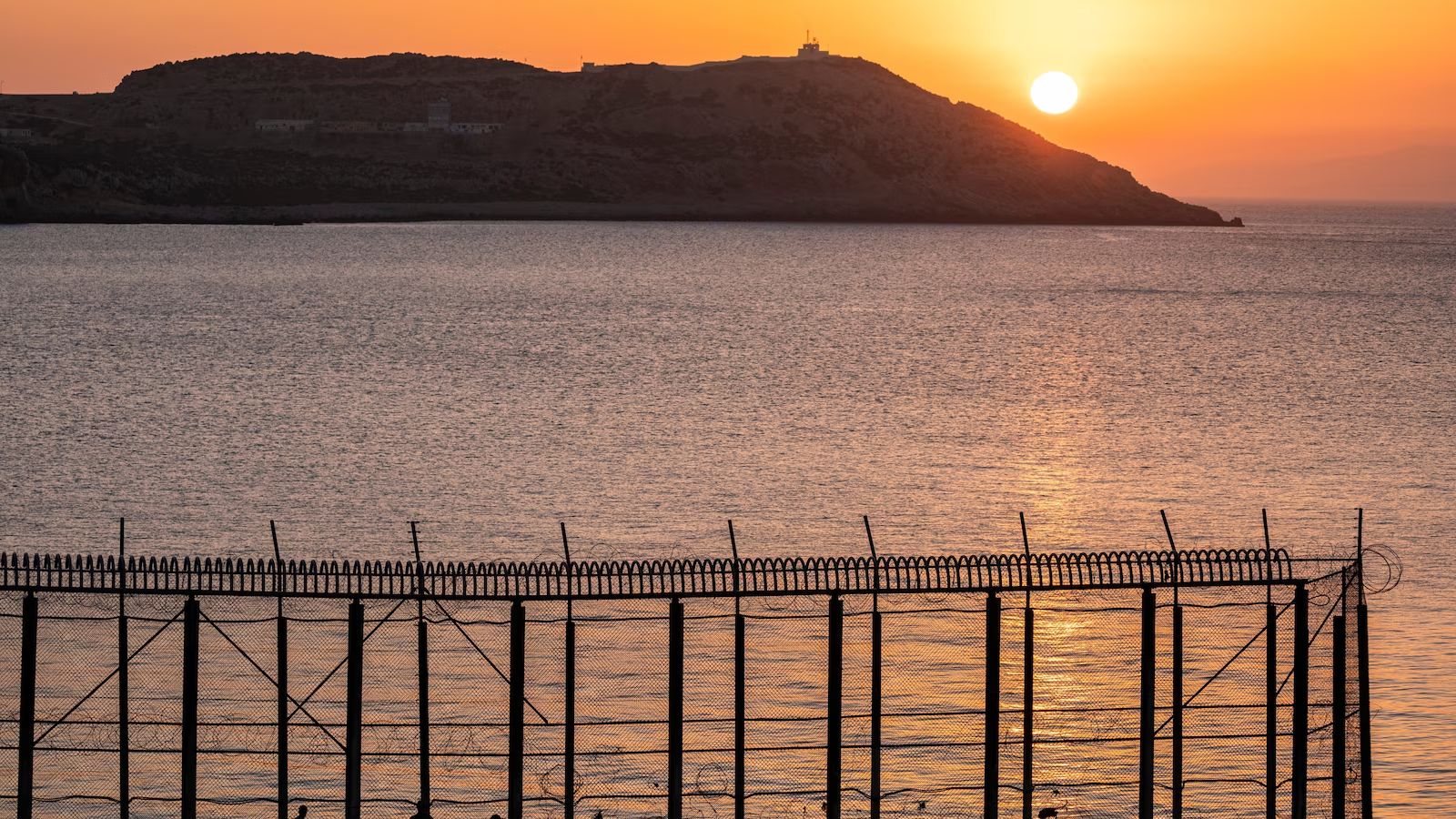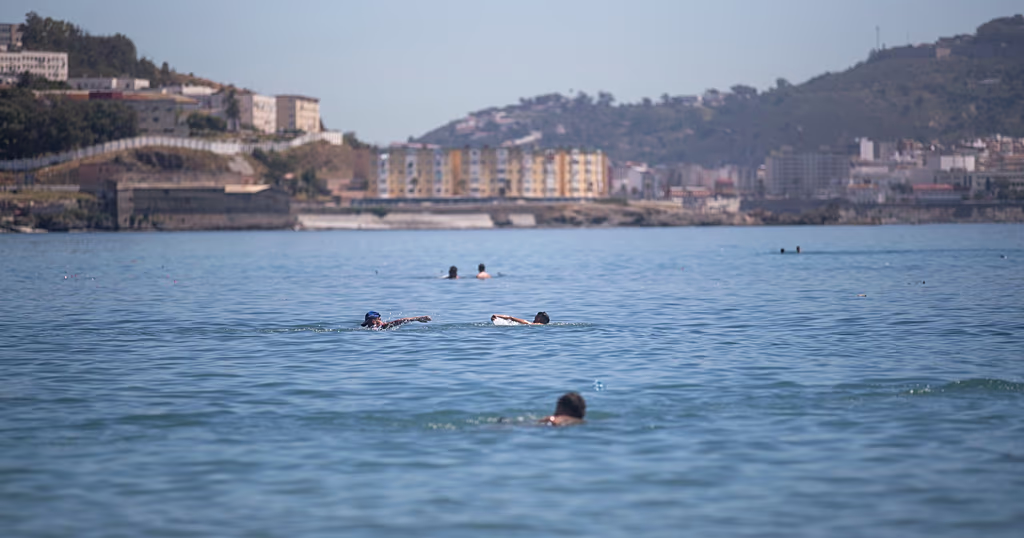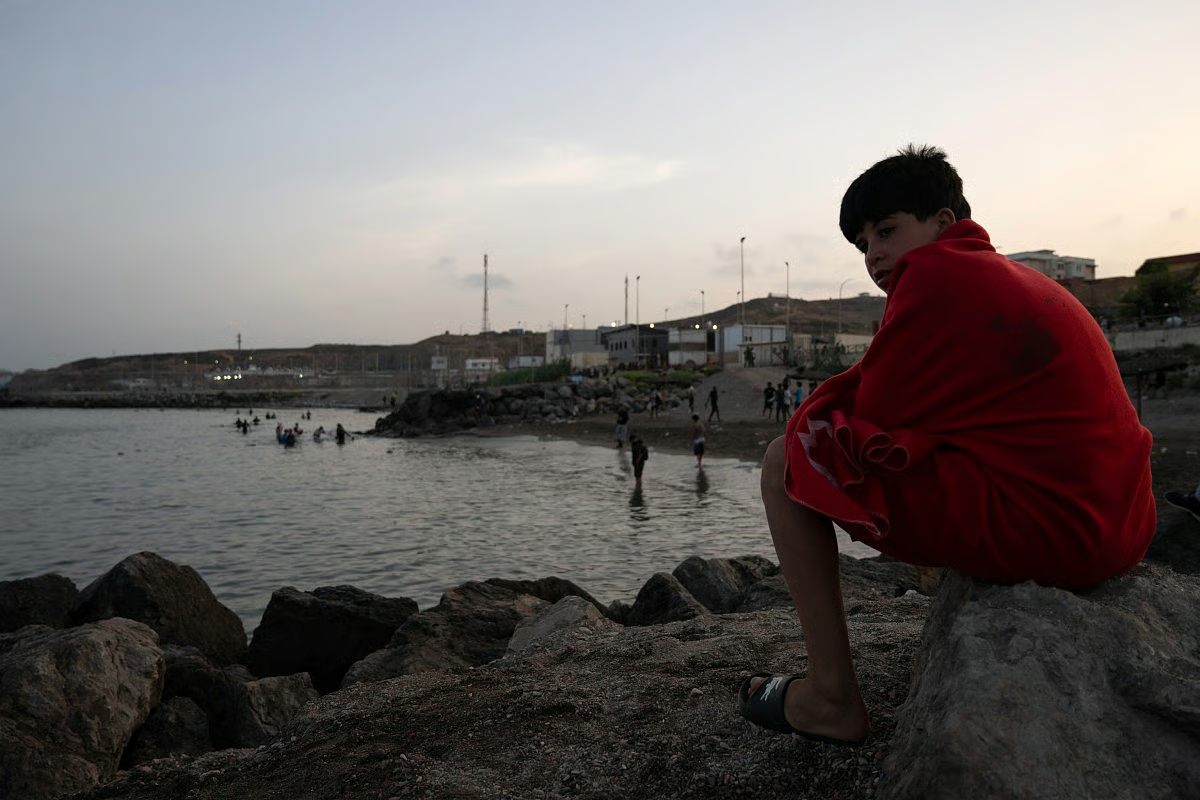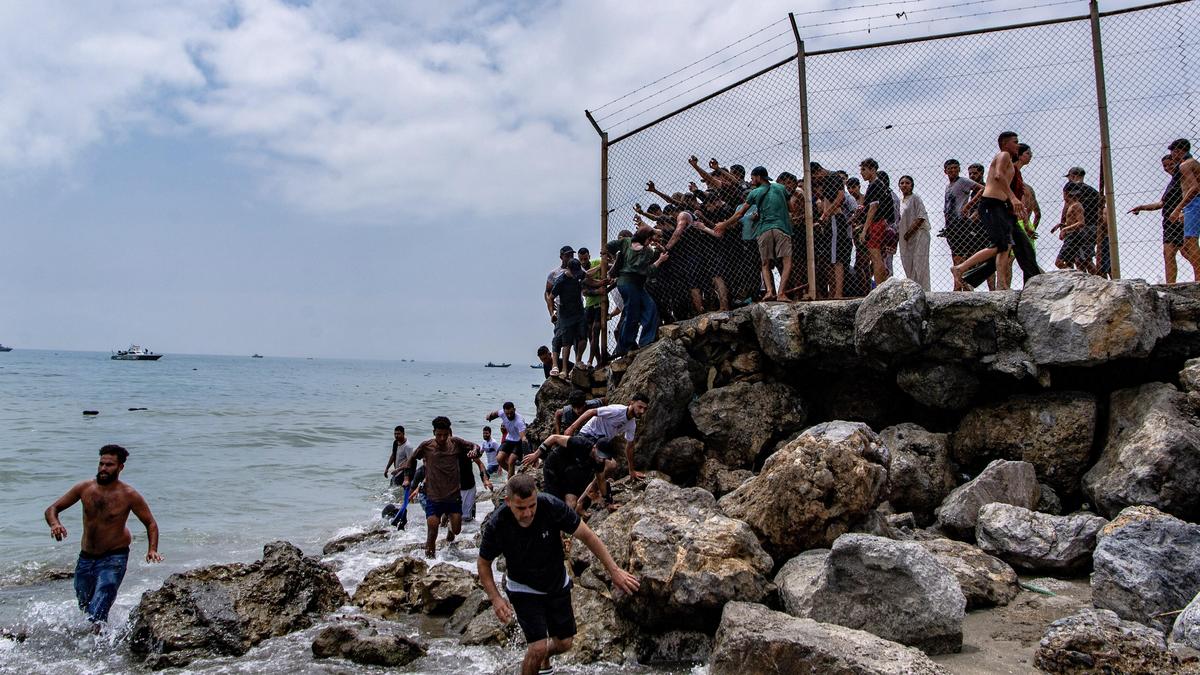
Ceuta, the Spanish exclave that shares borders with Morocco, witnessed its largest migrant surge in years last week. More than 50,000 migrants had rushed into the Spanish city since July 30, mostly by swimming or crossing on inner tubes and improvised flotation devices from Morocco. Many arrived by inner tube with cell phones zipped in waterproof pouches, and upon reaching shore cheered for Spain and kissed the ground. For many others, the crossing turned deadly: at least 57 were reported dead, including people who drowned and others crushed while climbing the breakwater fence. The influx marked the largest arrival of migrants in Ceuta since 2021. Ceuta’s regional president declared an “absolute humanitarian and social emergency” and called on Madrid to send troops to reassert control. Spain’s left-leaning Prime Minister Pedro Sánchez rushed to the exclave on Friday and slammed the mass crossings as an attack on Spain’s sovereignty. Ceuta and Melilla, both Spanish exclaves in Africa, are part of both the European Union and the Schengen Area. By Friday, Spain announced that more than48,300 of the arrivals had already been sent back to Morocco under existing bilateral arrangements. Troops were mobilised to Ceuta. But it remains unclear what suddenly triggered the surge. Spanish authorities say trafficking networks spread misinformation that asylum could easily be obtained in Spain. Some say Moroccan authorities allowed large-scale migrant movement. Both Spain’s critics abroad and Mr Sanchez’s political rivals at home seized on the crisis to attack Madrid. As of now, Spain claims that the situation is returning to normalcy. But Ceuta remains on the edge. (Text by Stanly Johny)Photo:
News In Frames: The long swim to Ceuta
The Hindu's News in Frames on August 2, 2026
547 words~2 min read