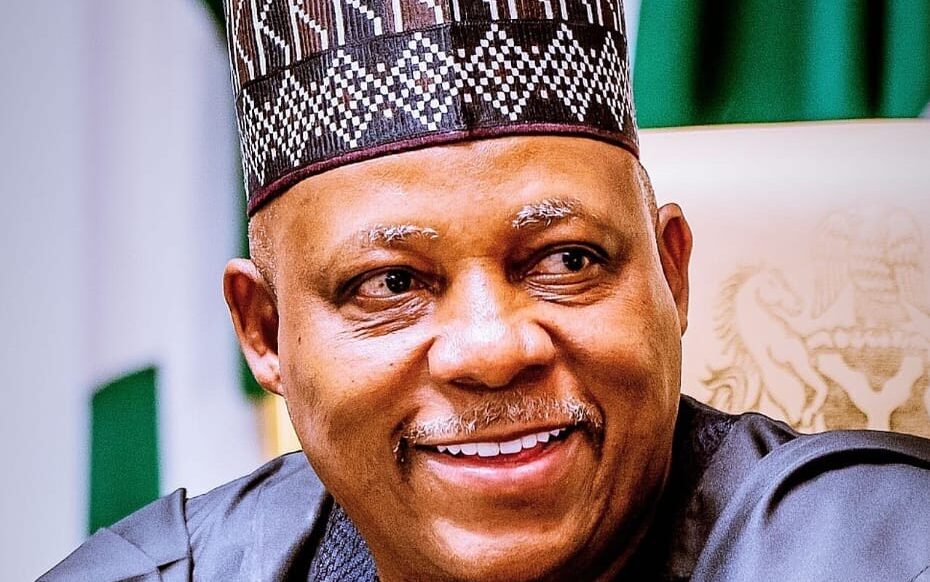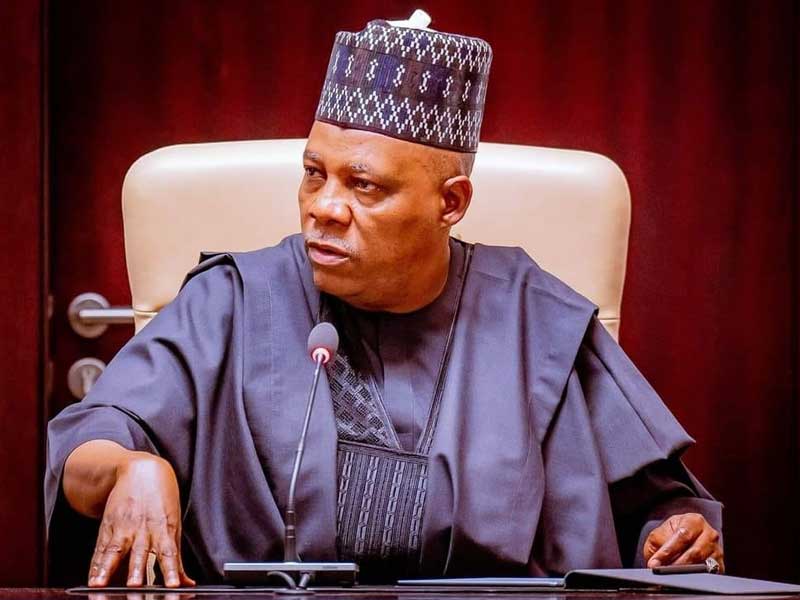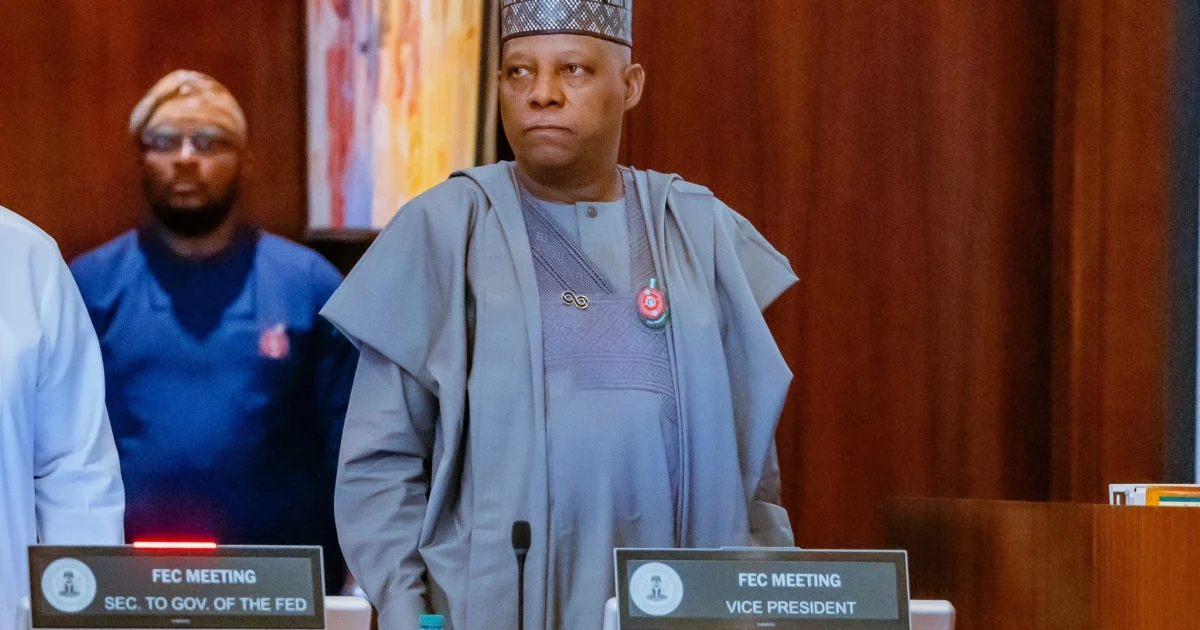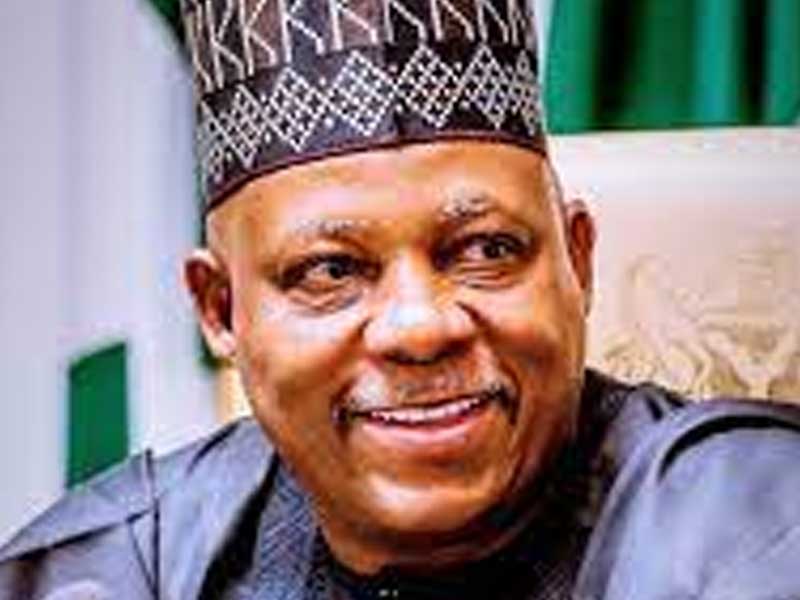
Shettima’s breadth of experience and exposure to different levels of governance prepare him for higher national responsibility, contends
The question of who provides political leadership for Northern Nigeria has become increasingly important as the region grapples with economic challenges, insecurity, youth unemployment and the need for greater national cohesion. At the centre of this conversation is Kashim Shettima, whose political journey from state-level administration to the highest levels of national governance represents one of the most significant leadership trajectories in contemporary Northern politics.
Shettima’s emergence as Vice President of the Federal Republic of Nigeria has brought renewed attention to the qualities required for effective political leadership in a period of major national transformation. His career path — from the private sector to Commissioner, Governor, Senator and now Vice President — provides an opportunity to examine how experience, exposure and responsibility shape leadership capacity.
The evolution of political leadership in any society is a continuous process. It reflects changing circumstances, emerging challenges and the ability of leaders to adapt to the demands of their time. Northern Nigeria, with its vast population, historical significance and strategic importance to the Nigerian federation, requires leaders who can combine experience, vision, competence and the capacity to build bridges across different segments of society.