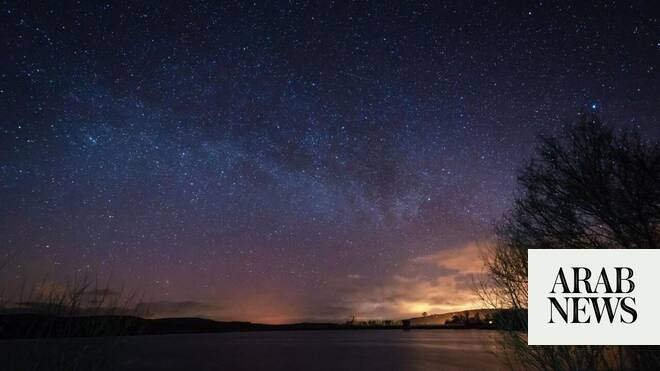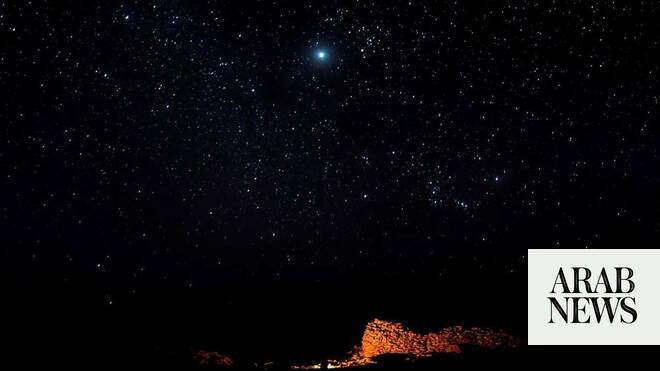
RIYADH: Saudi Arabia’s clear desert skies, low levels of light pollution and growing interest in astronomy are reinforcing the Kingdom’s reputation as a year-round destination for stargazing, with August bringing one of the busiest calendars of celestial events this year.
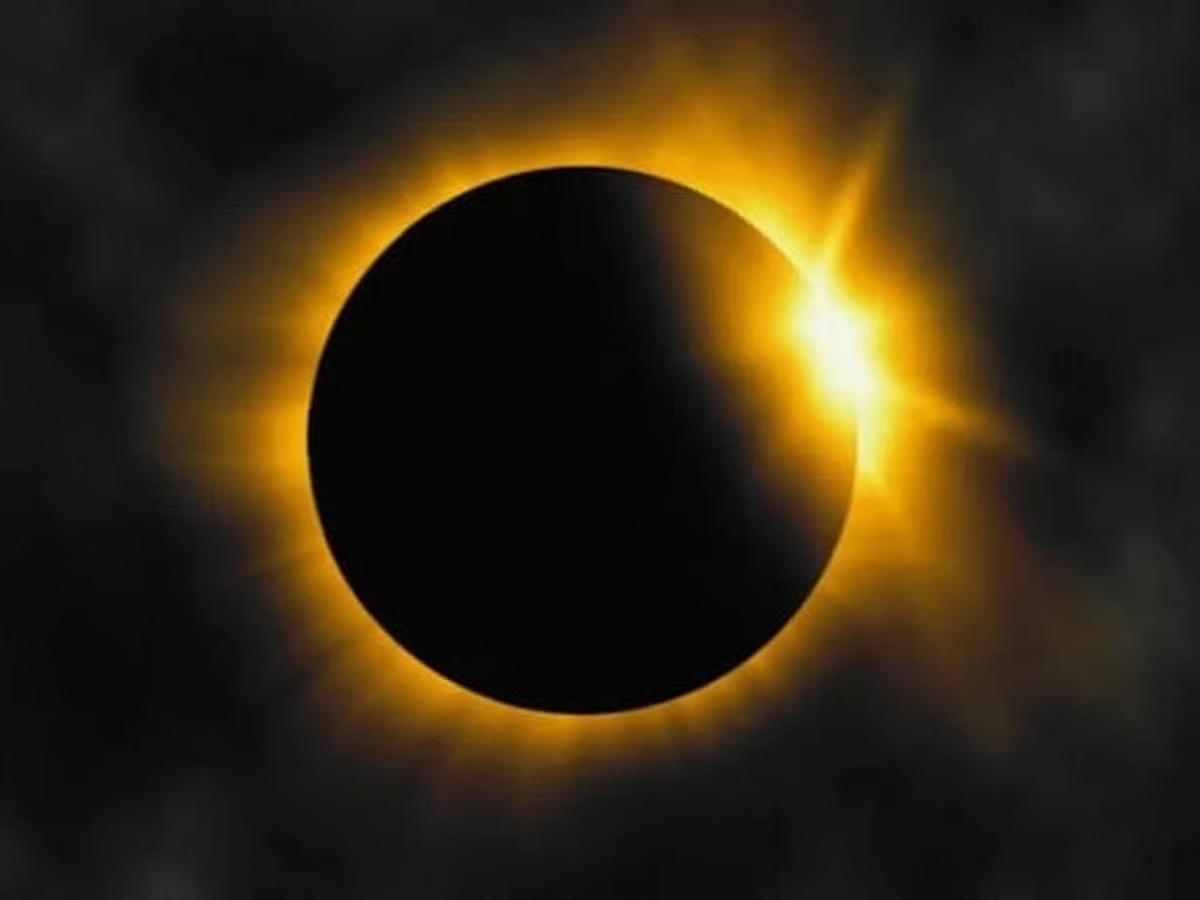
The Jeddah Astronomy Society said August will feature a series of major astronomical phenomena, including a total solar eclipse, the annual Perseid meteor shower and a deep partial lunar eclipse.
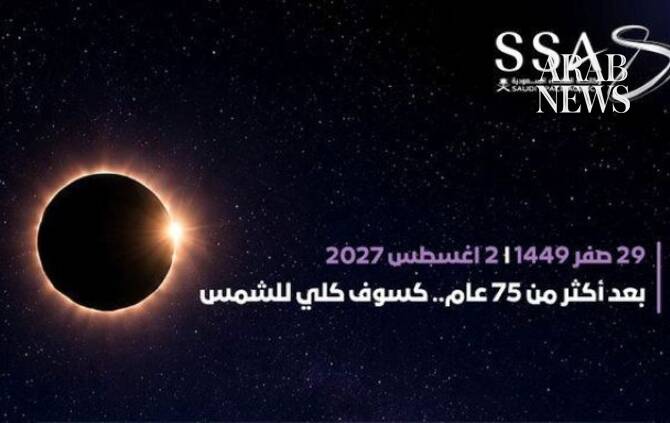
Although the total solar eclipse on Aug. 12 will be visible across parts of Russia, Greenland, Iceland and Spain rather than Saudi Arabia, the Kingdom is expected to witness a historic total solar eclipse on Aug. 2, 2027, with totality lasting more than six minutes in some areas.
The highlight for observers in Saudi Arabia this month will be the Perseid meteor shower, which is expected to peak on the night of Aug. 12-13 under favorable moonless conditions. Viewers in dark locations could see up to 100 meteors per hour.
A deep partial lunar eclipse on Aug. 27-28 will close the month, with about 93 percent of the moon’s diameter entering Earth’s shadow. The eclipse’s early stages will be visible from western parts of the Kingdom.