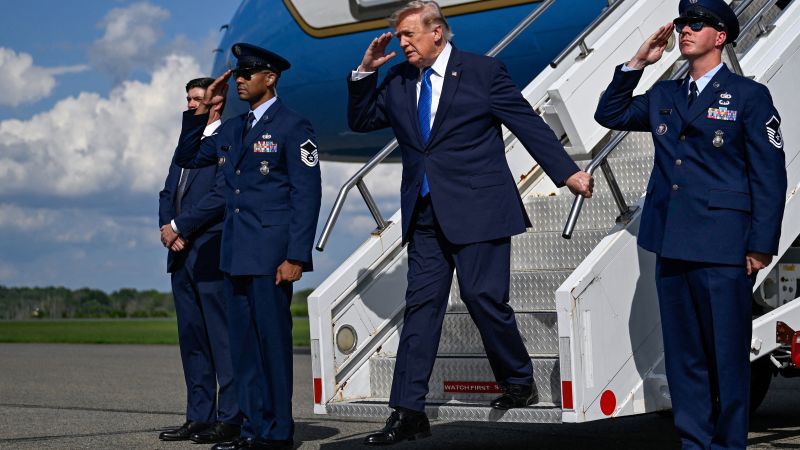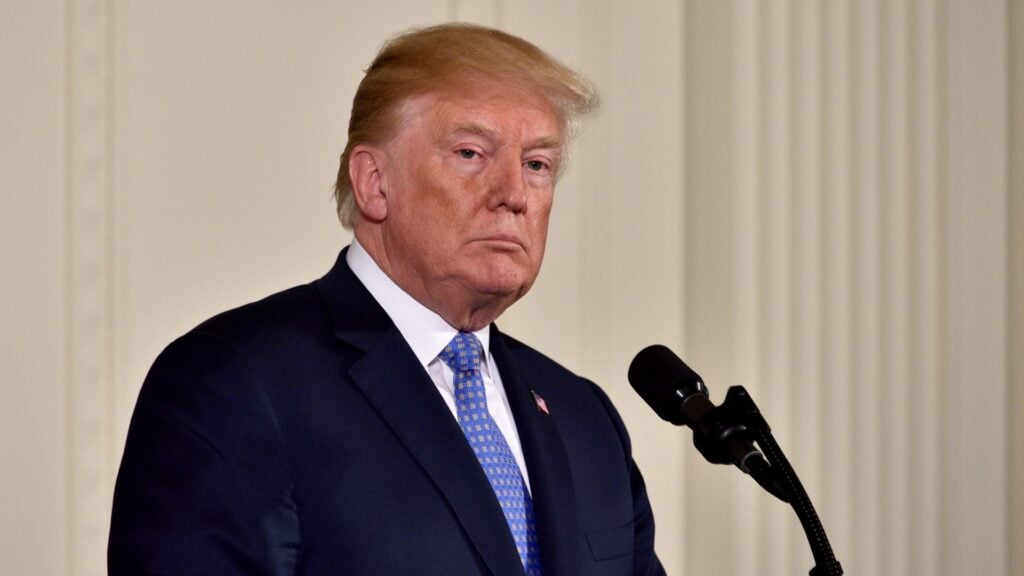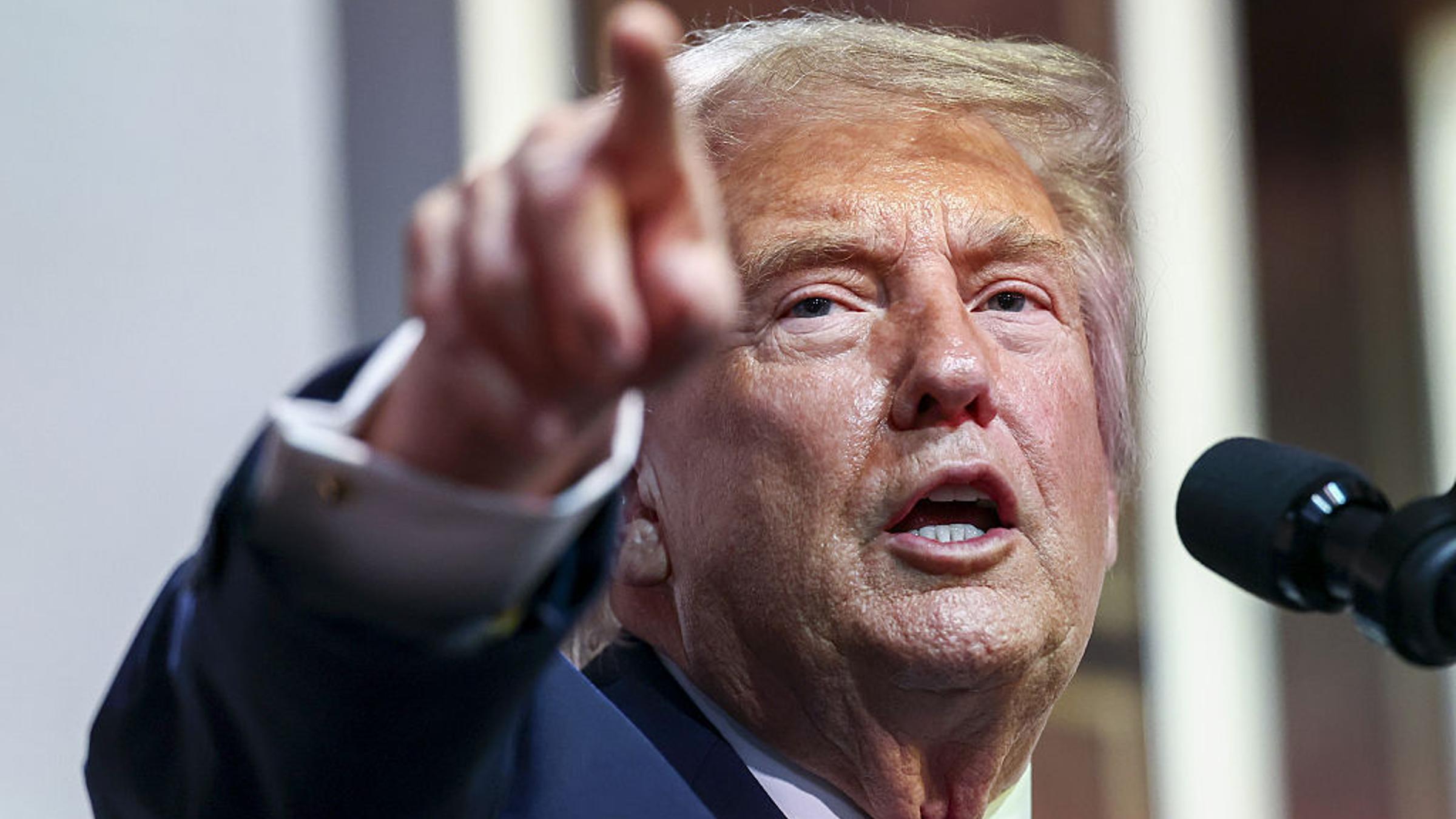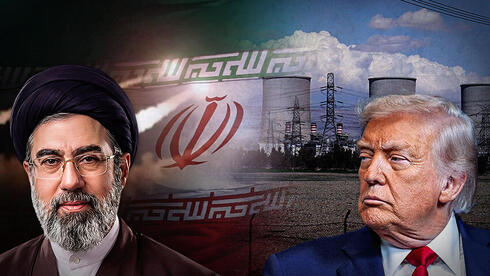
US president announces on Truth Social that he agreed to a request from Iran and other countries to refrain from the planned large-scale attack, provided that a deal can be reached quickly, 'Israel joins this commitment'U.S. President Donald Trump announced early Sunday that he had decided to cancel a planned American strike in Iran, after he said Tehran and other Middle Eastern countries asked him to refrain from the action and said the outlines of a possible deal had been reached.“The U.S.A. is locked and loaded and ready to go against the Islamic Republic of Iran, at levels of Military Terror, Strength, and Power not seen since World War II,” Trump wrote on his social media platform, Truth Social. “Despite this, we have just been asked by Iran, and other Middle Eastern Countries, to hold off any attack in that the perimeters of a deal has been agreed to.”Gallery(Photos: Shutterstock, Alex Brandon/AP, Francisco Seco/AP)According to the U.S. president, the emerging understandings are expected to include the “Immediate, Complete, and Total OPENING OF THE HORMUZ STRAIT,” alongside the end of the nuclear threat posed by Iran. “Based on this request, I have agreed, for the future benefit of the WORLD and, likewise, the survival of a successful and prosperous Iran, to cancel the attack, subject to being able to rapidly make a DEAL,” he said.Trump added that Israel also agreed to refrain from action at this time. “The country of Israel joins me in this commitment,” he wrote, calling on the sides: “Get to work, everybody, and get it DONE.” At this stage, no further details have been published about the terms that were agreed upon, the timetable for negotiations or the concessions Iran and the U.S. are expected to receive as part of the deal.The person who worked behind the scenes to stop the attack was Saudi Crown Prince Mohammed bin Salman. According to reports, bin Salman spoke with Trump and expressed concern that a U.S. strike on Iranian energy facilities would draw retaliatory attacks on oil and gas infrastructure in Saudi Arabia and other Gulf states. Qatar, the United Arab Emirates, Turkey and Pakistan have also worked in recent days to promote calm and renew negotiations.The person who worked behind the scenes to stop the attack was Saudi Crown Prince Mohammed bin Salman(Photo: Brendan Smialowski/AFP)On Thursday, U.S. Central Command said it had completed a heavy wave of strikes that lasted about two hours and hit dozens of Revolutionary Guards targets. Among other things, command centers, missile and drone facilities, defense and surveillance systems along the coast and naval capabilities were attacked. The strikes were carried out after Iranian missiles were fired at U.S. forces in the Middle East.The Strait of Hormuz has become the central focus of the confrontation in recent months. Traffic along the strategic maritime route, through which a significant share of energy supplies from the Gulf reaches world markets, has dropped sharply because of Iranian threats and attacks. The U.S. is demanding that Iran allow free passage, without payment, for all vessels, while Tehran says it controls the strait and demands to retain oversight powers over it. Previous attempts to reach an agreement to reopen the strait ended only in temporary understandings, which collapsed when exchanges of fire resumed.
Trump says he called off strikes on Iran since deal outline reached: 'Get to work, and get it done'
US president announces on Truth Social that he agreed to a request from Iran and other countries to refrain from the planned large-scale attack, provided that a deal can be reached quickly, 'Israel joins this commitment'
543 words~2 min read