See more Daily Mail on Google - save us as a Preferred SourceBy MEIKE LEONARD, HEALTH REPORTER Published: 22:02 BST, 1 August 2026 | Updated: 22:05 BST, 1 August 2026
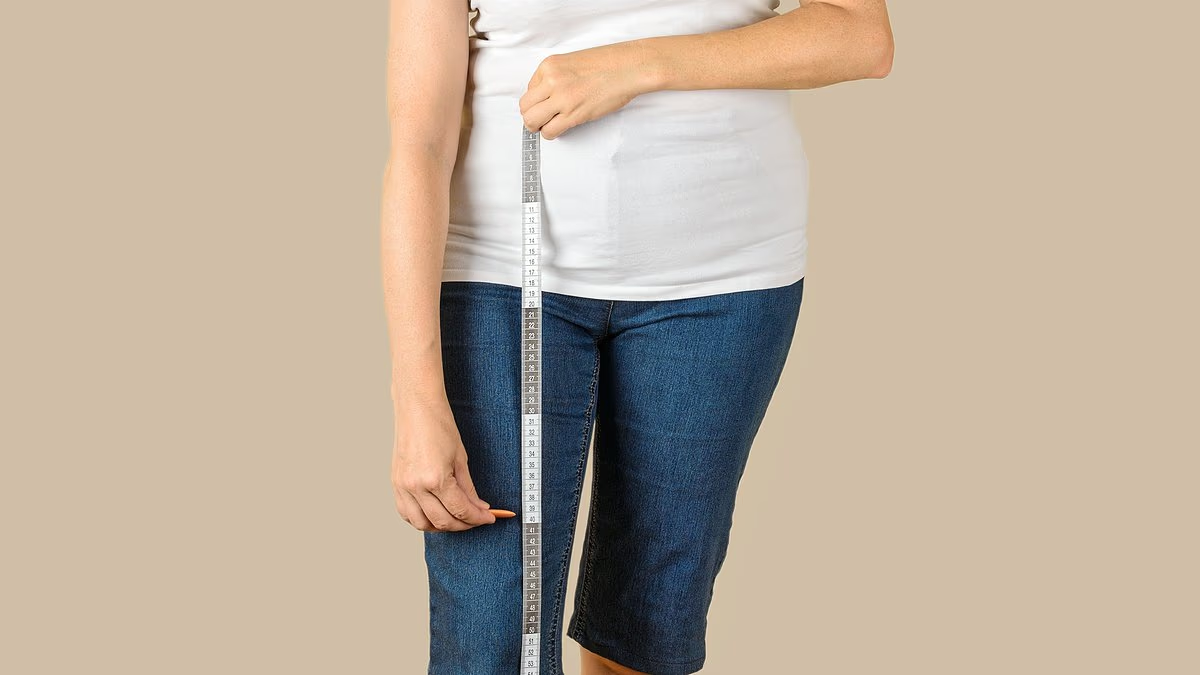
Thigh length could help detect diabetes, a study has found.More than four million people in the UK currently have diagnosed diabetes - with type 2 diabetes making up nine in ten cases.A further 1.3 million people are estimated to be living with the condition without a diagnosis.For many, the slow onset of diabetes symptoms - which can include fatigue, thirst and the need to urinate more often - can cause the disease to go unrecognised for years.Now a research team from Denmark say they may have found a solution: a simple, at-home self-examination that, among other things, measures the length of the thigh.'Type 2 diabetes is easy to diagnose with a blood test, but it you don't suspect you have it you won't go to the doctor to have one done,' said Dr Daniel Yoo, researcher at the Technical University of Denmark. 'That's why an online test at home can encourage people to see a doctor.' Called MEDWACS, the test can be done online and was developed with 30 years of health data from the National Health and Nutrition Examination Survey in the US. Thigh length could help detect diabetes, a research team from Denmark sayTesting on groups in the US and South Korea found the exam was highly effective at detecting people with both prediabetes and undiagnosed type 2 diabetes.The test asks questions on seven different parameters, as well as gathering basic information on the sex, age and BMI of the participant. All answers can be gathered at home using a tape measure, bathroom seale and standard blood pressure monitor.The most surprising sign of diabetes risk, the researchers found, was short thigh length.'The length of the femur bears witness to nutrition in early childhood. Poor nutrition in the first years of life slightly inhibits bone growth and is closely linked to an increased risk of diabetes decades later,' they wrote.Likewise, as the body's largest muscle group is located in the thigh, and these muscles are responsible for removing sugar from the blood, shorter legs mean a person has less muscle mass to absorb that sugar, increasing the risk of diabetes, researchers said.