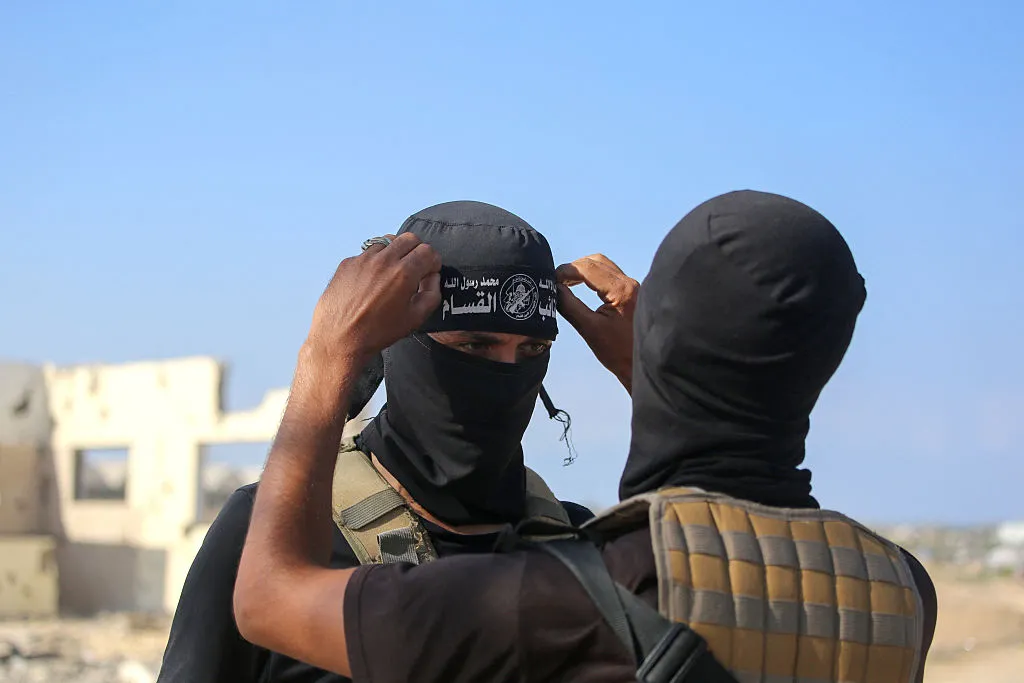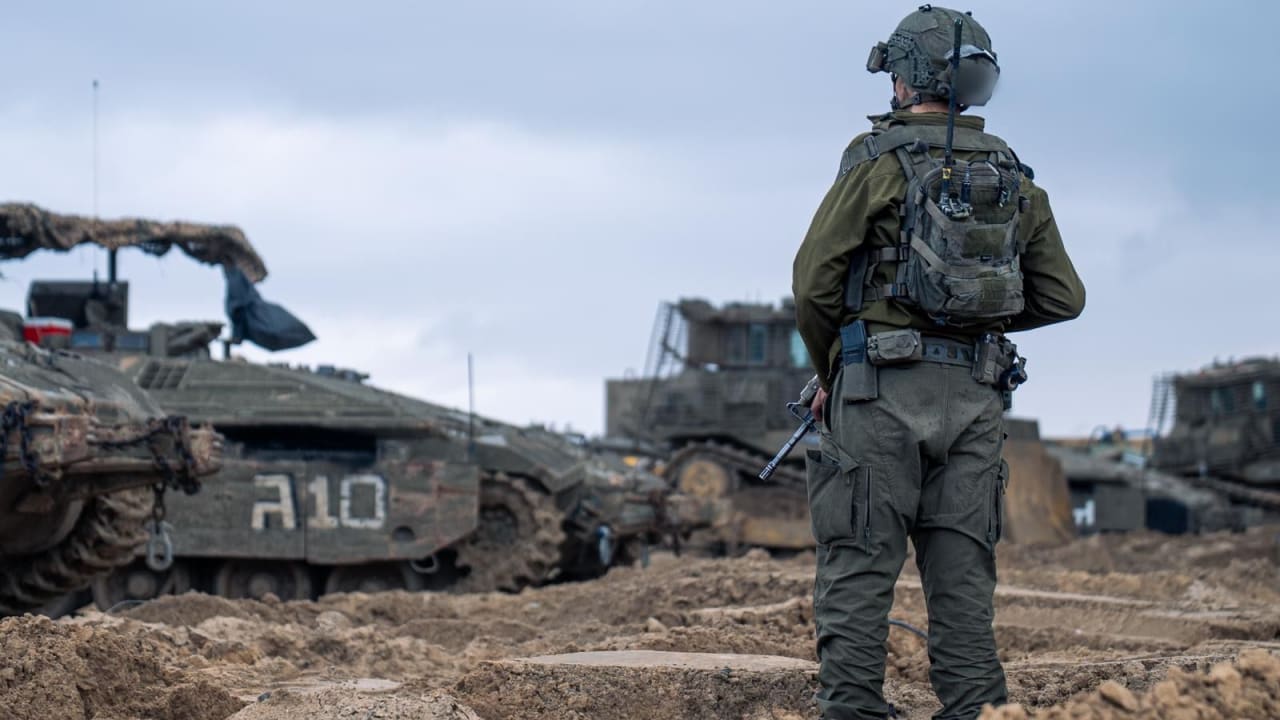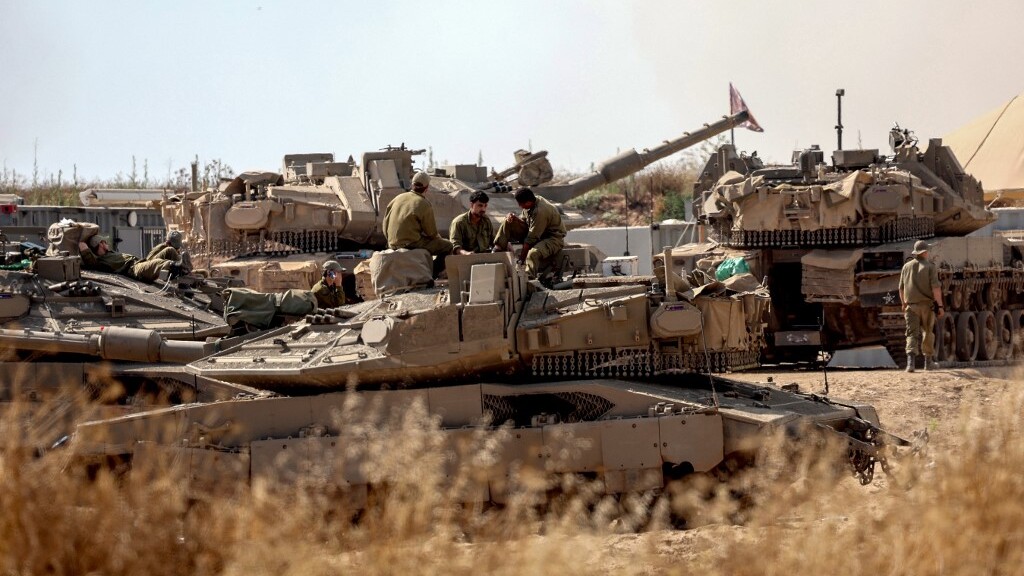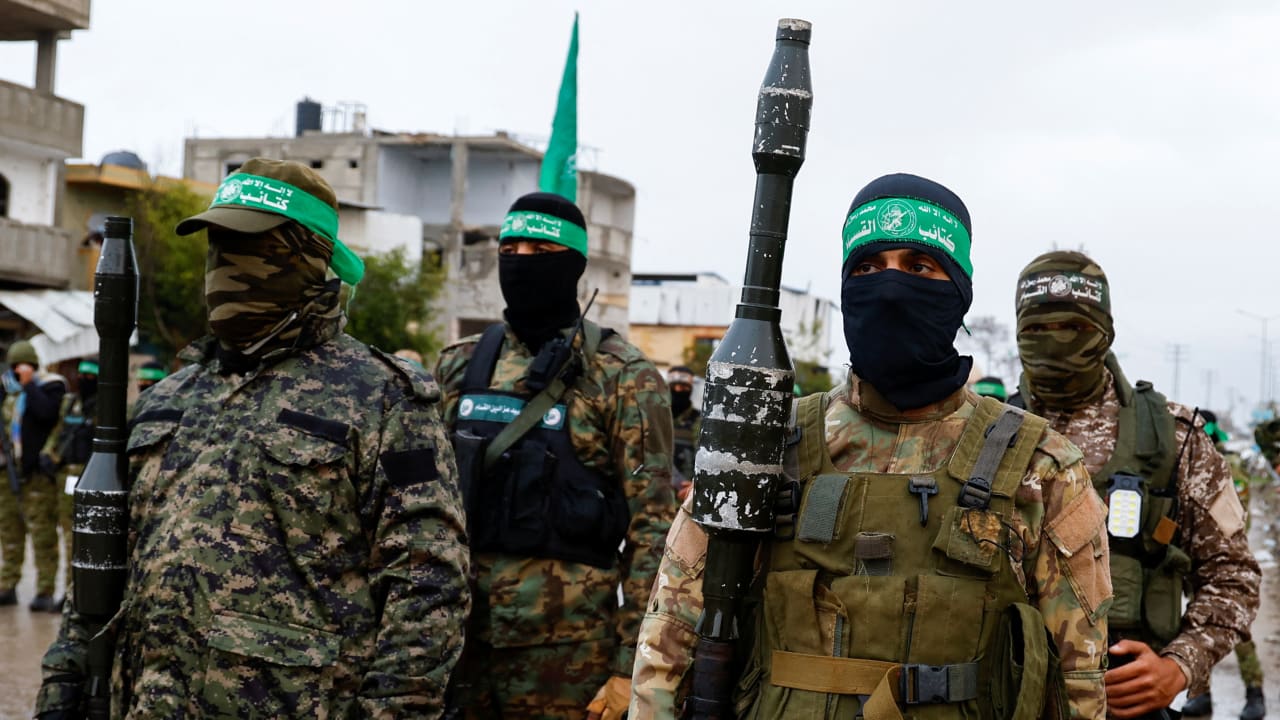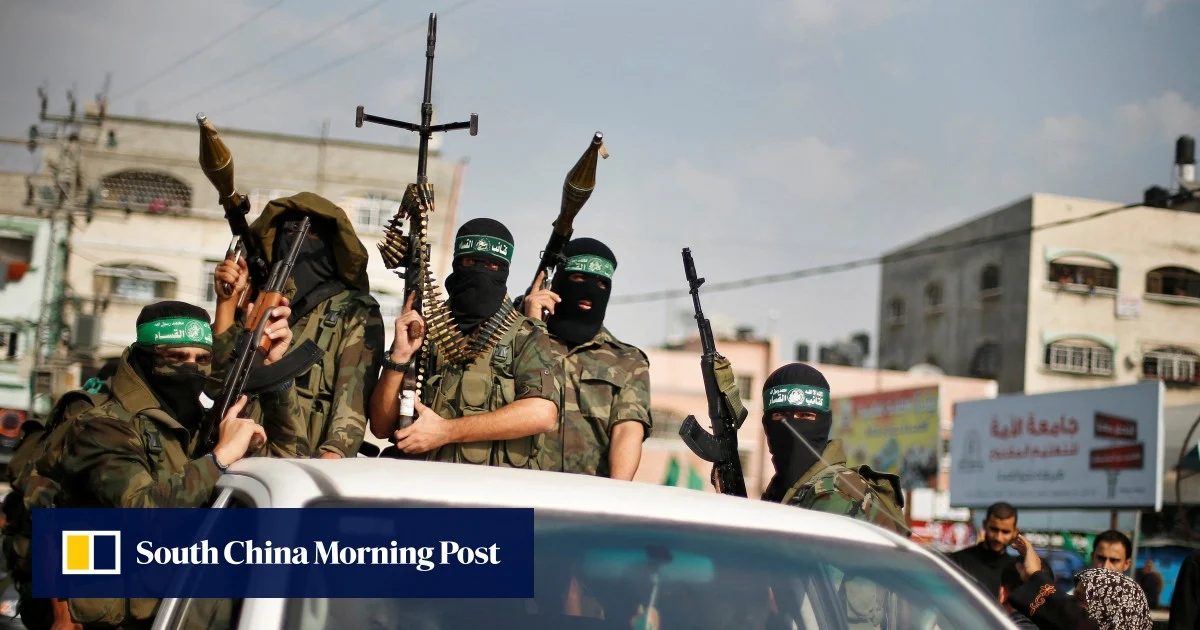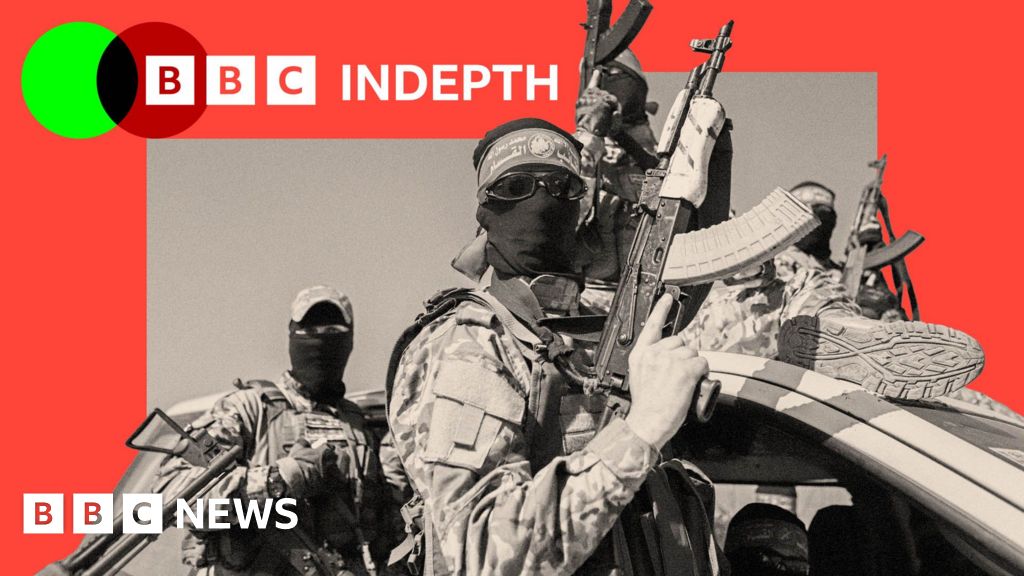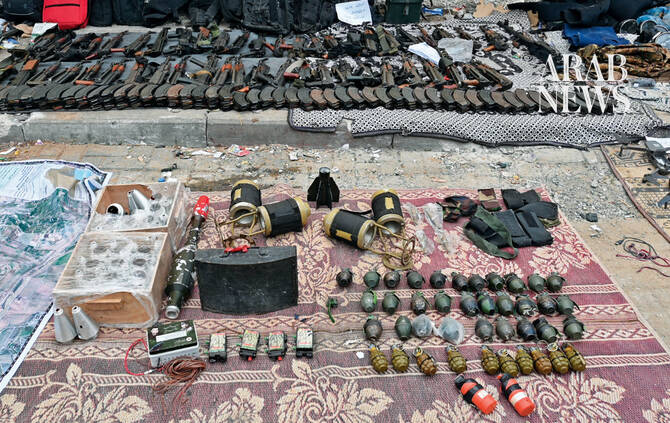
LONDON: For nearly four decades, Hamas has presented itself as an armed resistance movement whose military wing is inseparable from its political identity. Since its founding in 1987, the group has fought successive wars with Israel, weathered repeated military campaigns and resisted international pressure to relinquish its weapons, arguing that armed resistance remains necessary while the Israeli occupation continues.
That is why its recent declaration expressing a willingness to discuss disarmament as part of a broader political settlement has attracted global attention.
Although the proposal is heavily qualified and contingent on Israeli withdrawal, a permanent ceasefire and the establishment of a Palestinian state, it is the first time since the current war began that Hamas has publicly entertained the prospect of giving up the military capability that has defined it for decades.
Whether the statement represents a genuine strategic shift or simply another negotiating position remains fiercely debated. But it has nevertheless injected a new variable into a conflict that, until now, has largely revolved around military operations, hostage negotiations and humanitarian access.
“If the agreement announced by (President Donald Trump’s) Board of Peace is implemented, it will go a long way toward opening space for renewed diplomacy to expand Arab-Israeli integration in tandem with progress toward a Palestinian state,” Daniel Shapiro, a former US ambassador to Israel who later served as a deputy assistant secretary of defense for the Middle East, said.