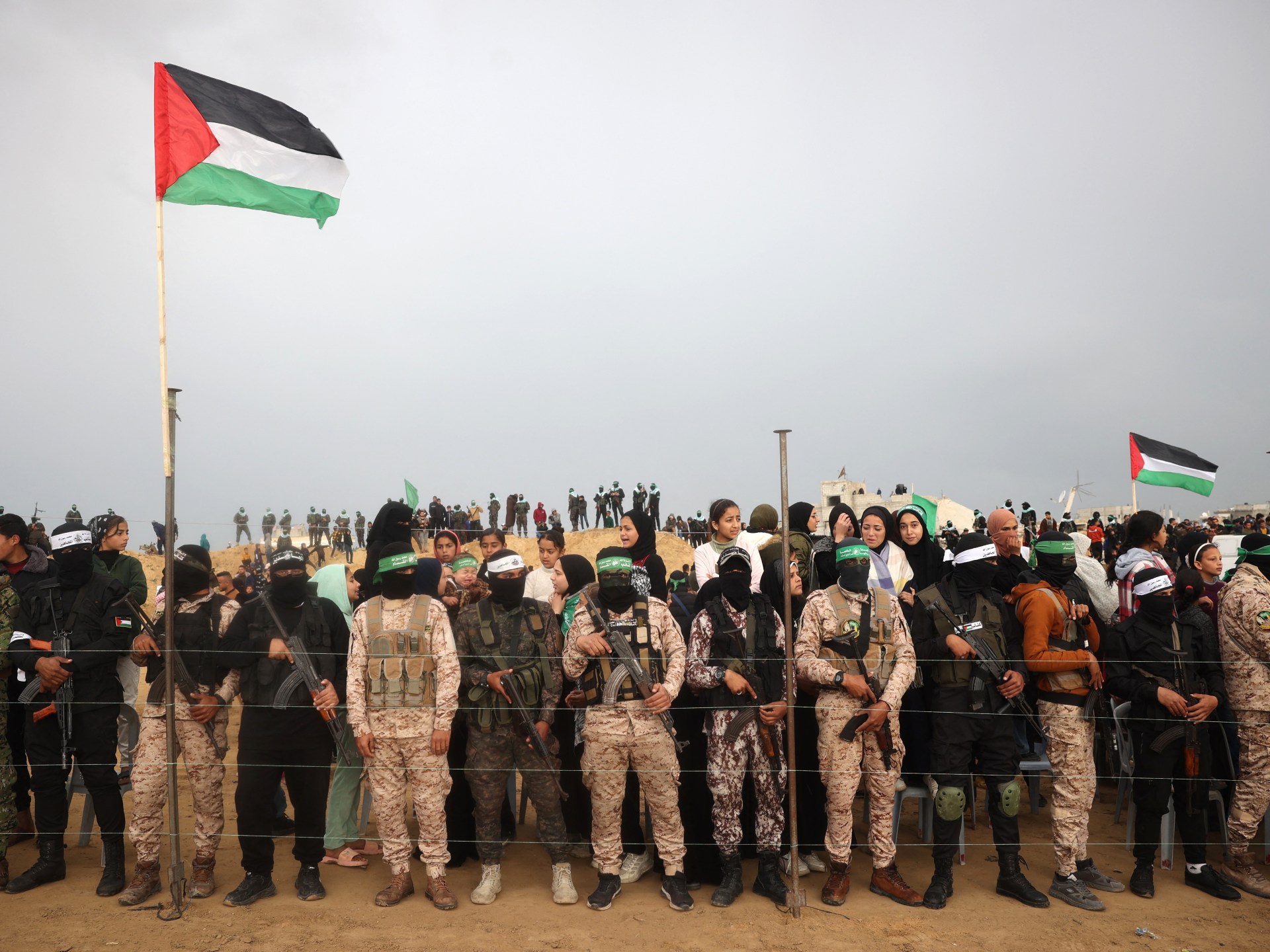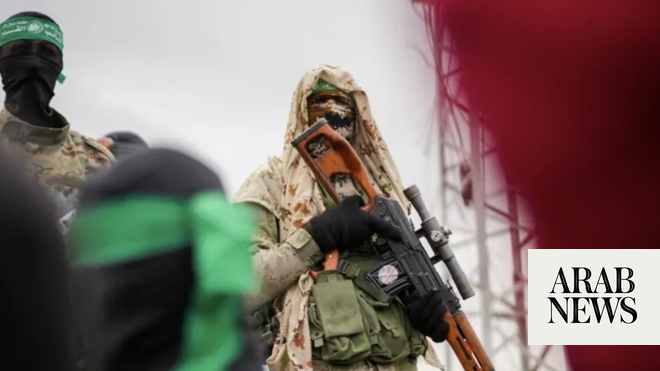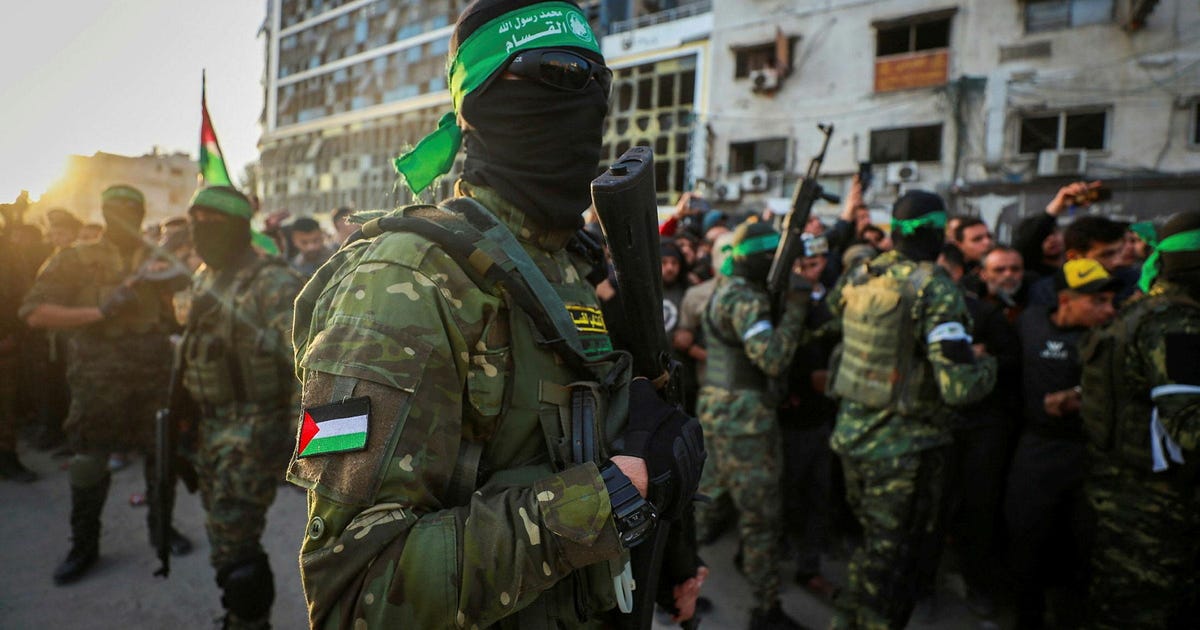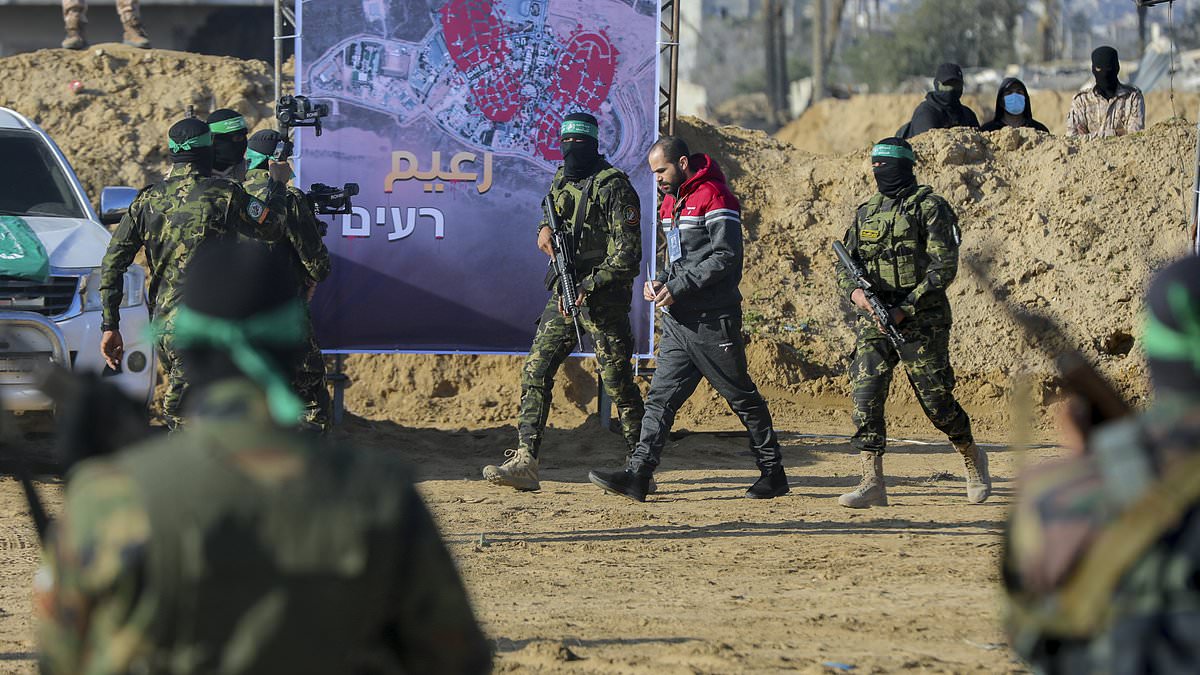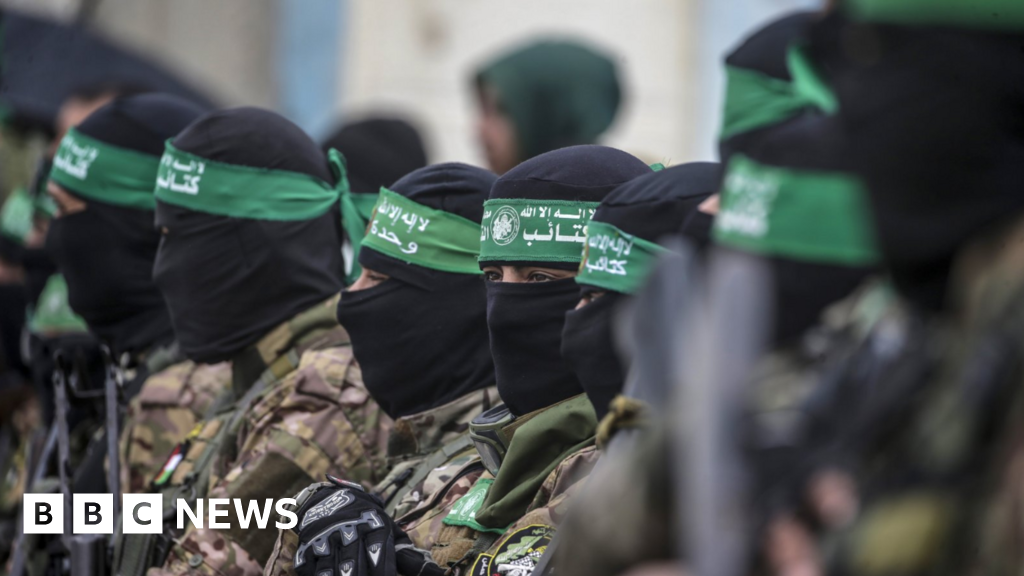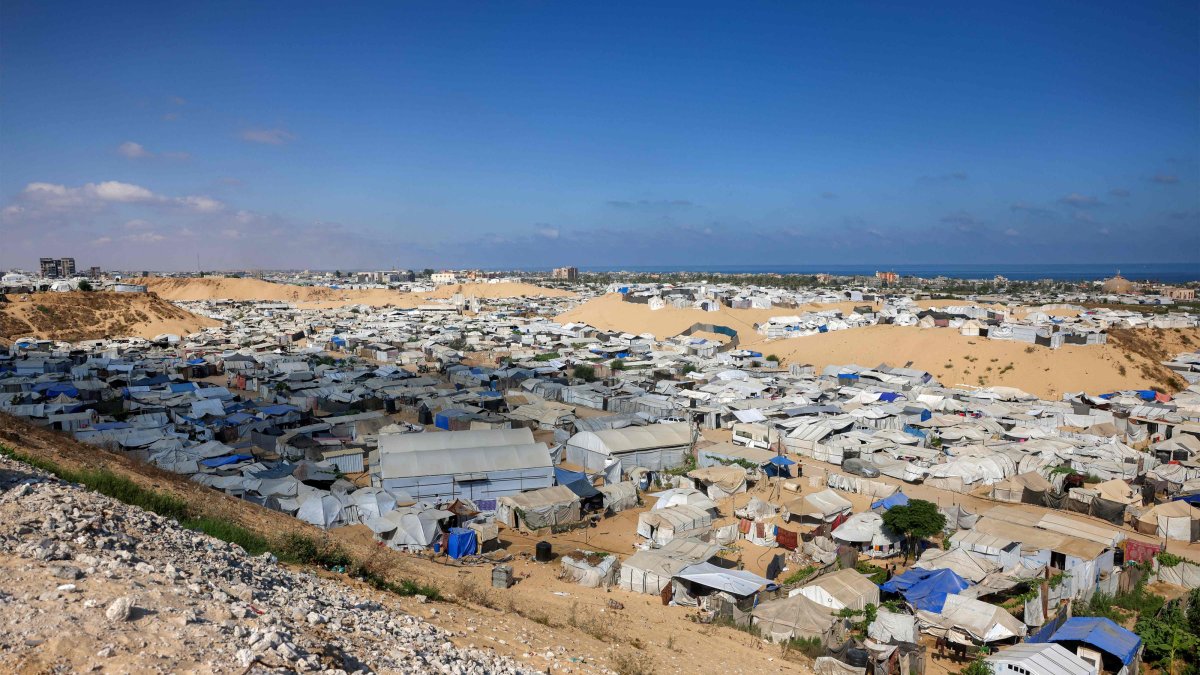
With each new round of cease-fire negotiations regarding ending the Israeli genocidal war on Gaza, an Israeli-created dilemma emerges that transcends the technical details of the agreements on the table. At its core, this dilemma touches on the very nature of Palestinian decision-making. Any observer or follower to the course of the negotiations would notice how the issue of Palestinian resistance weapons becomes one of the most prominent obstacles to reaching a deal, pushing to question it: why doesn’t the Hamas simply decide to relinquish the resistance weapons to end the war and alleviate the immense humanitarian suffering in Gaza, and to prevent Israel from using it as a pretext to resume its deadly and destructive attacks on Gaza?
This question may appear logical and gives an impression that all terms of the cease-fire agreement and phases were fully implemented by Israel, and only this particular issue remains unsolved. But this is clearly untrue, as Israel didn’t commit to any of its cease-fire terms as it continues its daily violations and attacks against Gaza, killing more than one thousand Palestinians since Oct.11, 2025, the day of signing the cease-fire.
Moreover, this logic is also built upon a deeply flawed assumption that Hamas alone possesses the authority to make such a decision, and that its refusal to do so is a sign of intransigence or political procrastination. This assumption, however, is not only inaccurate and it plays directly into a broader Israeli strategy that extends far beyond the narrow goal of disarmament. The Israeli demand to disarm Hamas is not about security. It is about the complete subjugation of the Palestinian people and the systematic liquidation of their national cause.