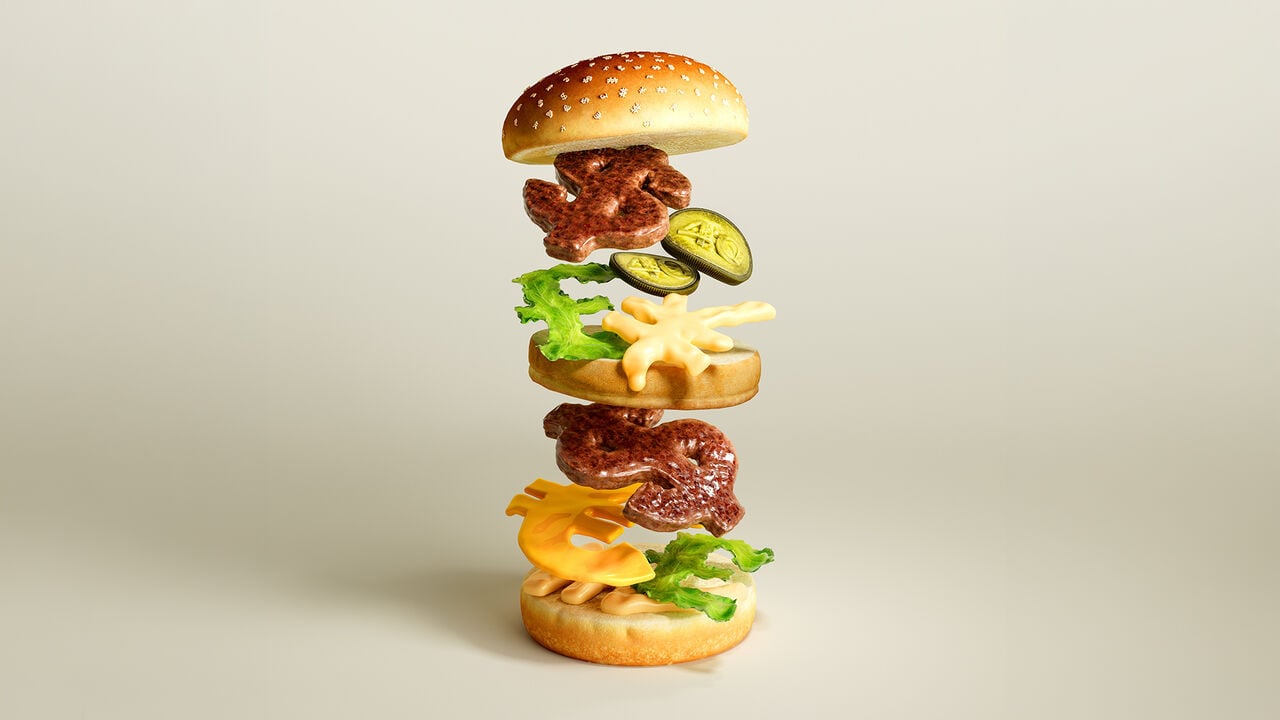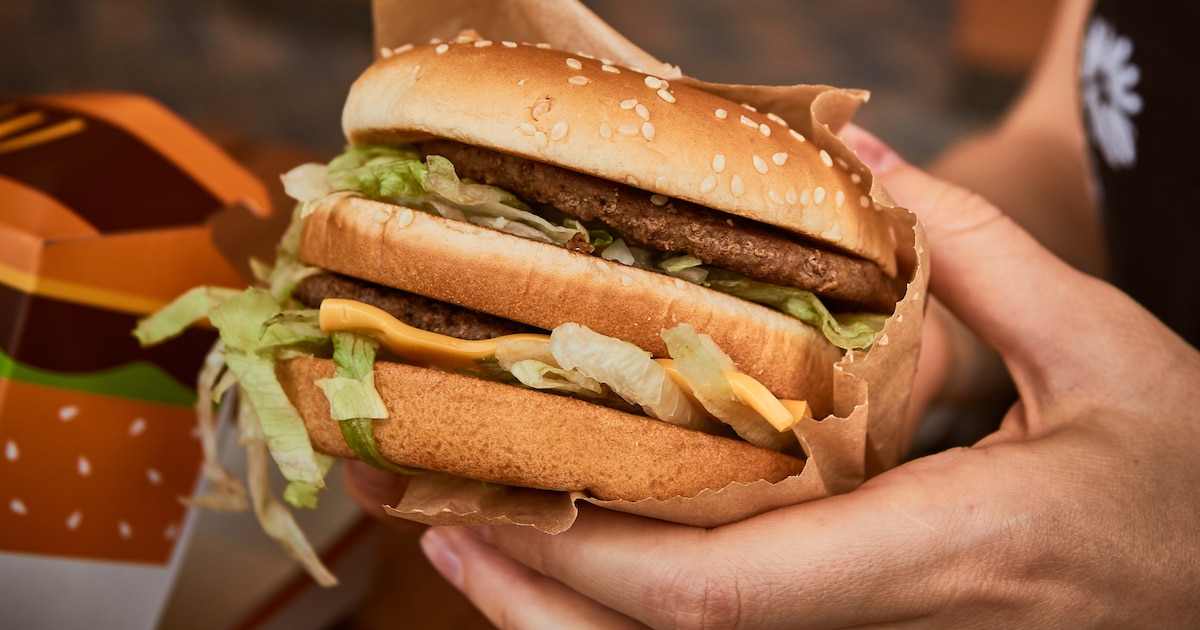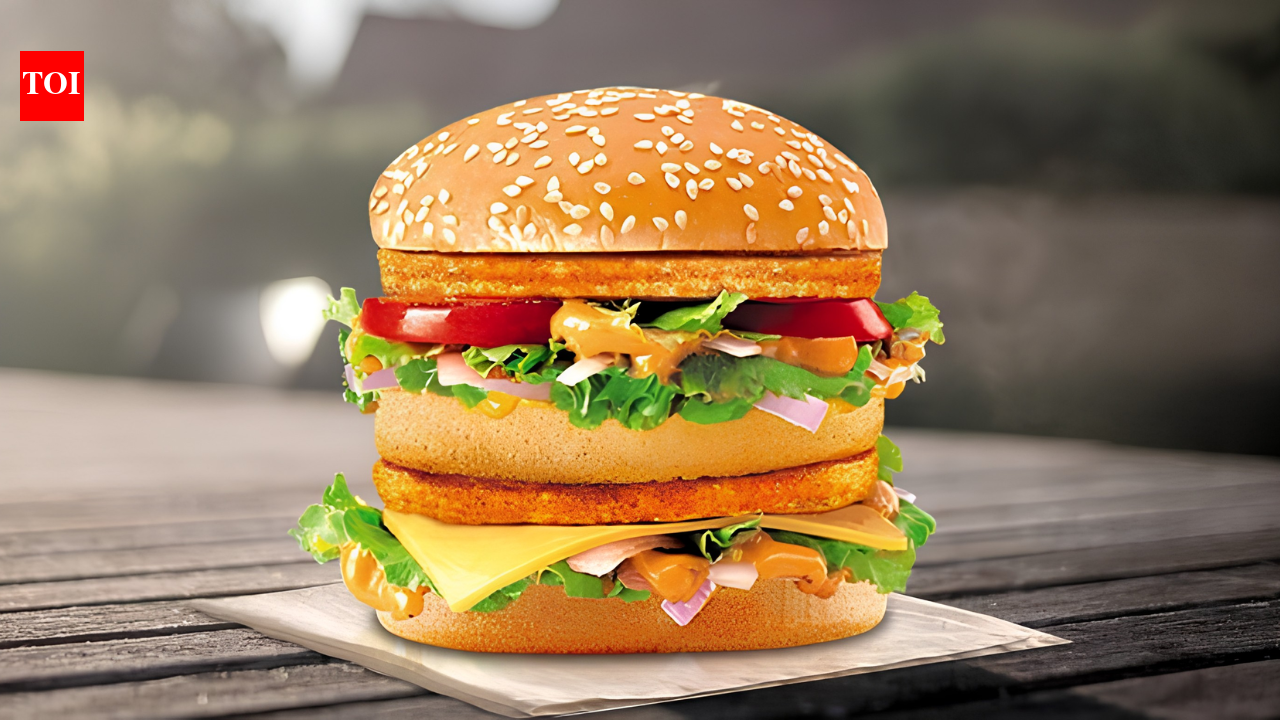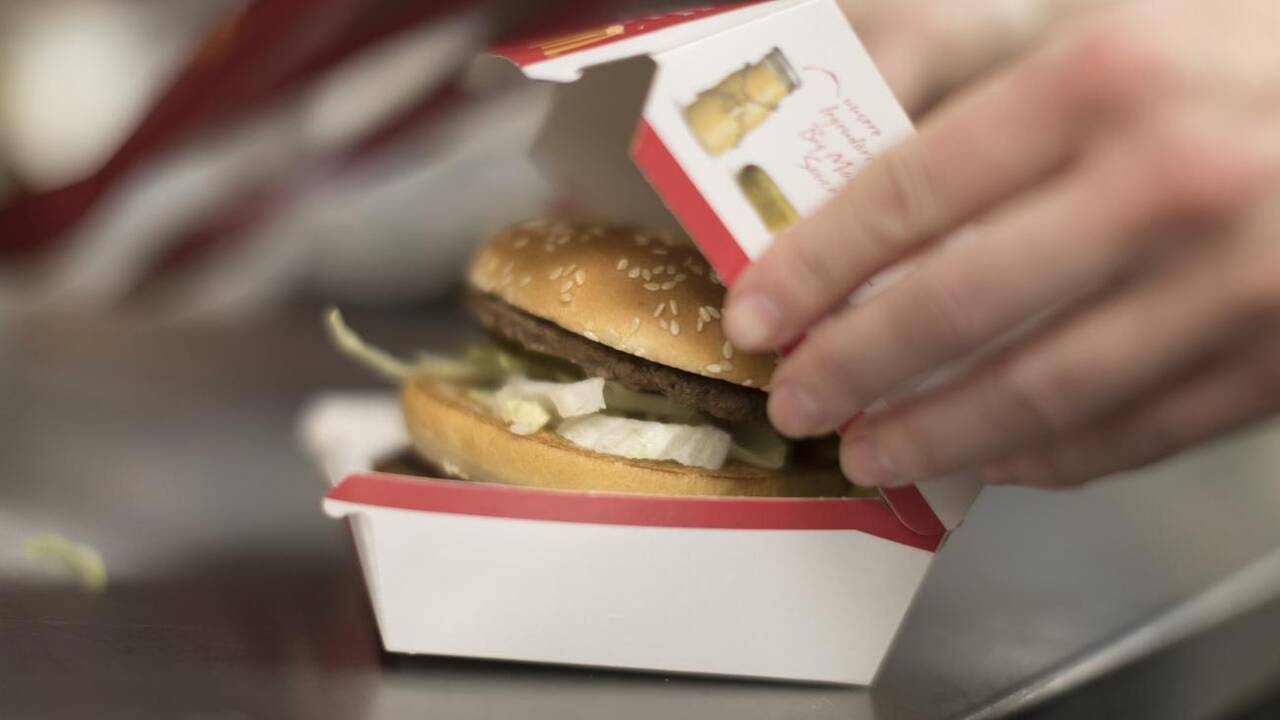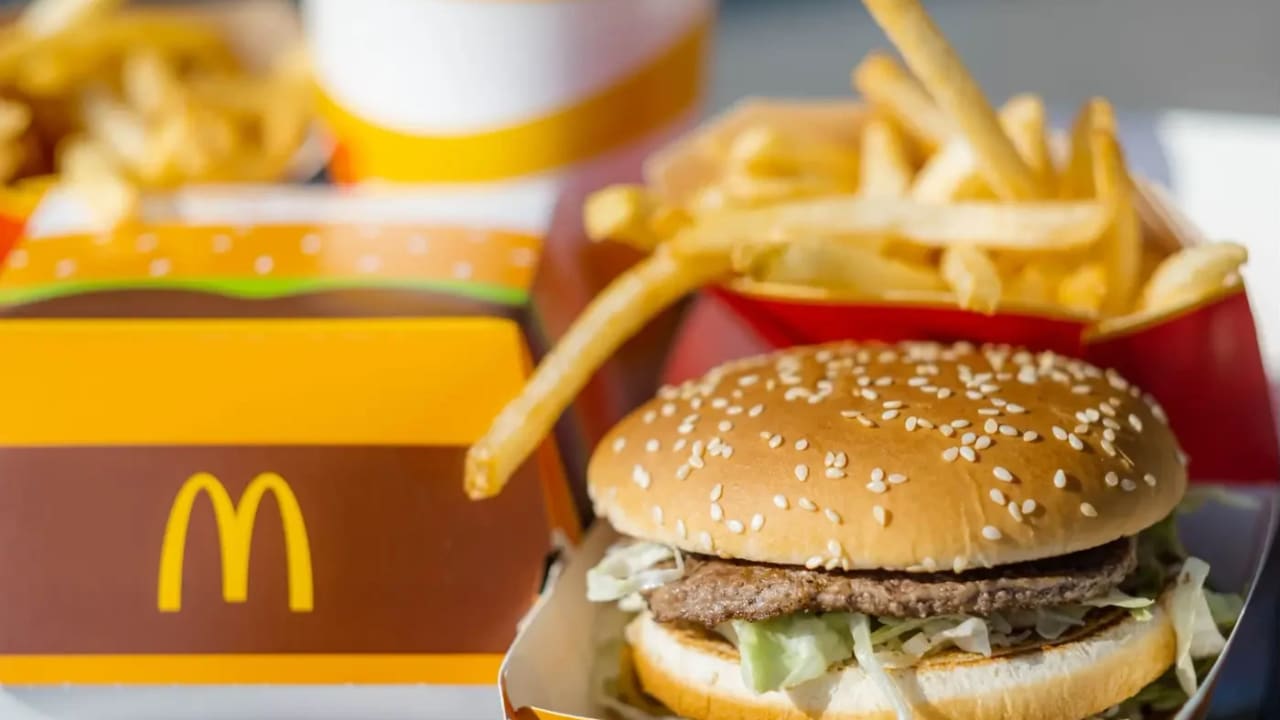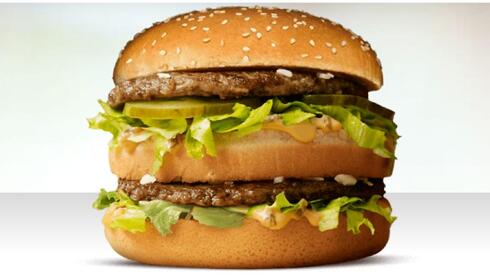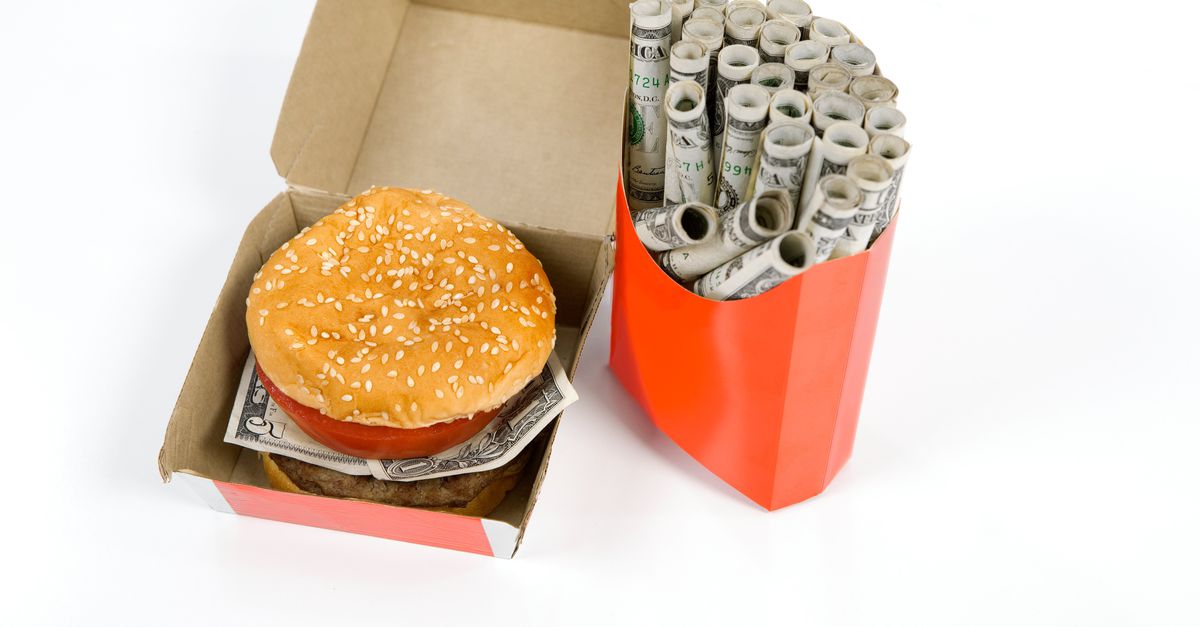
Locked in a vault near Paris, ensconced in three bell jars, sits a small cylinder of platinum alloy, forged in London in 1879. Known as Le Grand K, it long served as the definitive standard for measuring the kilogram. There is no universal standard for measuring the monetary heft or purchasing power of currencies. But The Economist has a favourite candidate. It weighs up to 240g. It is ensconced in a cardboard box. And you can find it under two Golden Arches. Our version of Le Grand K is the McDonald’s Big Mac.
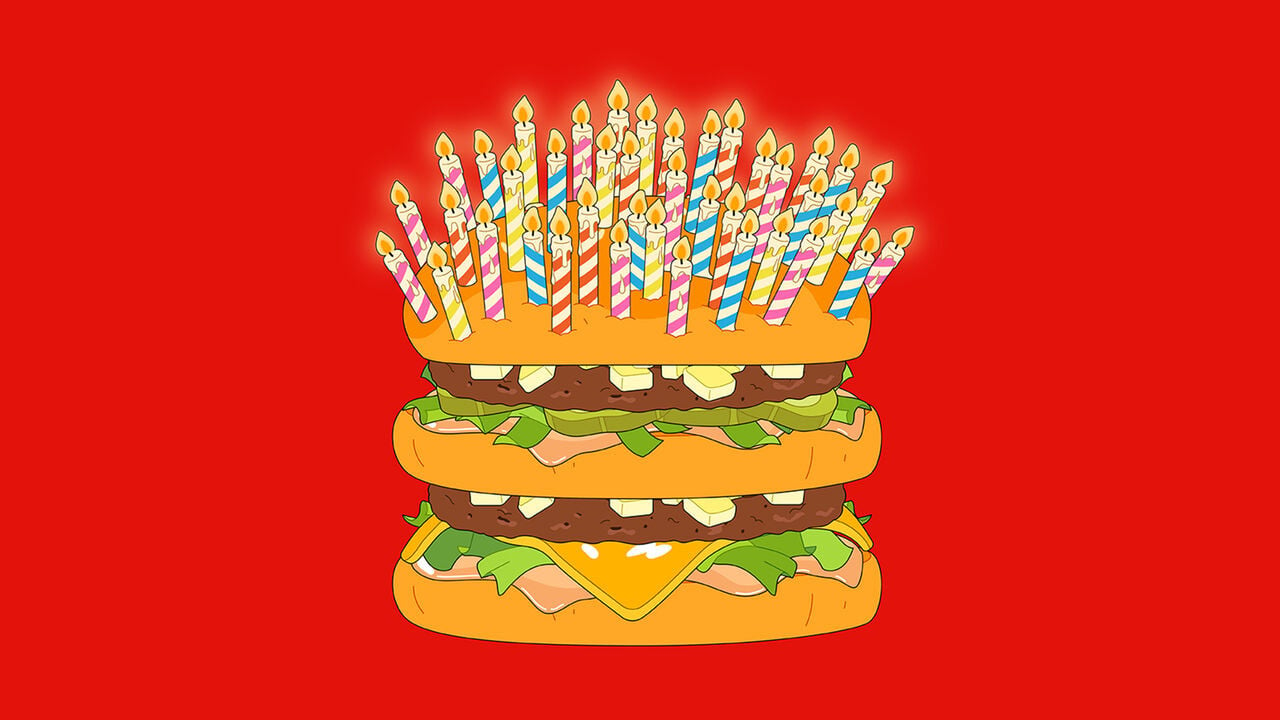
The Big Mac index we forged in London in 1986 will be 40 years old in September. What began as a playful thought experiment has taken on a life of its own. It has amused readers, intrigued currency traders and irritated central banks. It has also attracted critics who think fast food has nothing to say about global economics. It was born in an era of high monetary diplomacy, when policymakers fretted that the world’s most important currencies were horribly misaligned, inviting financial calamity or trade protectionism. Forty years on, similar debates are raging once again, this time about the dollar, yuan and yen. In a world of currency tumult and controversy, our palatable guide to exchange rates is as valuable as ever.