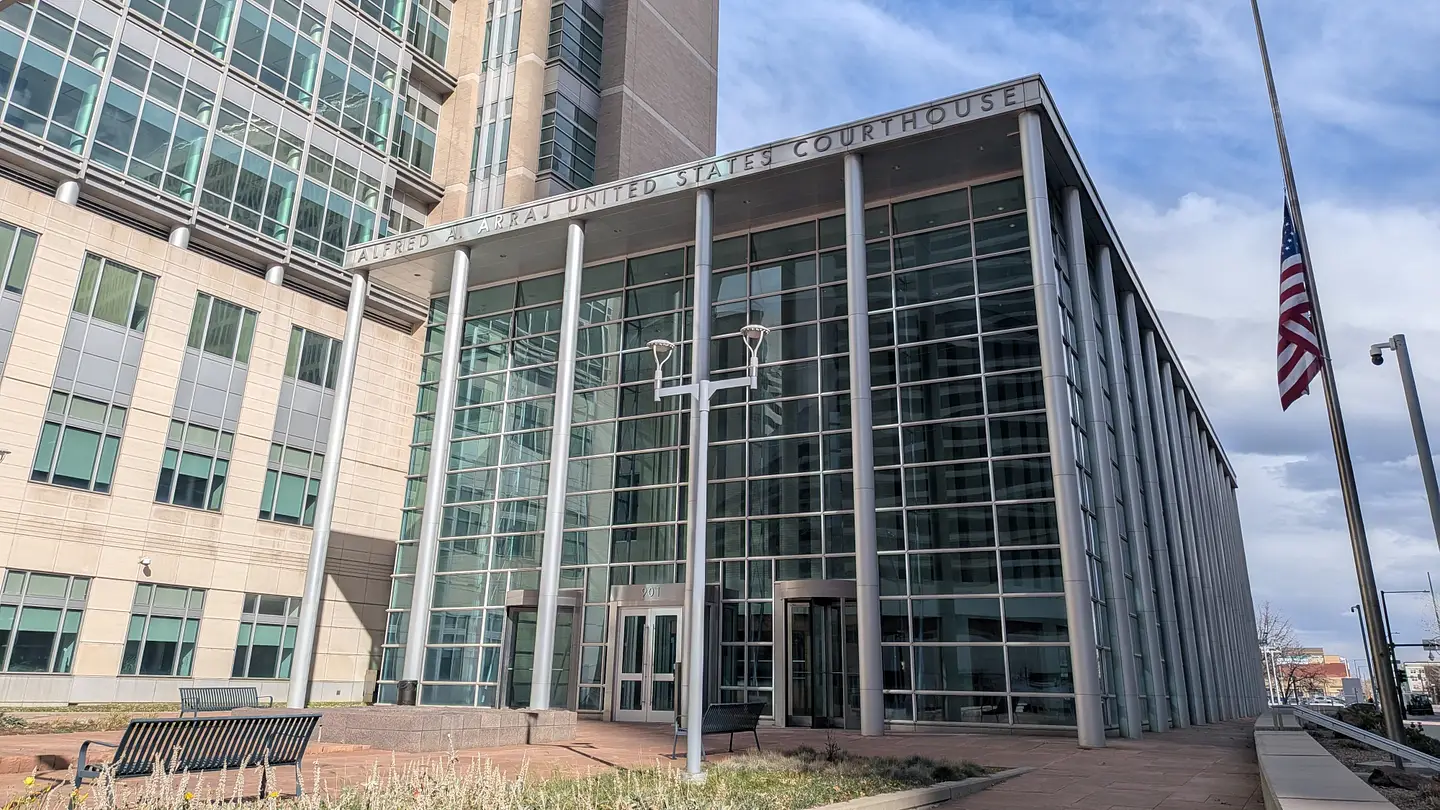
In two stunning orders late Friday, U.S. District Judge Charlotte N. Sweeney certified a nationwide class of Division I college athletes who began college play in 2022–2023, completed four years of eligibility by this past spring and are barred from a fifth season. She also issued a preliminary injunction barring the NCAA from preventing them from playing a fifth season.
Later in the evening, the SEC and Big Ten said they now support the Protect College Sports Act, a bill that would, among other things, grant the NCAA antitrust immunity on eligibility matters. Their support increases the odds the U.S. Senate will vote on and pass the bill, which has the support of President Donald Trump but would still need the approval of the House of Representatives.
These developments are separate and involve different branches of government, but are connected: if the PCSA becomes law, antitrust-based eligibility lawsuits would be rendered moot. But it might take months before the PCSA could become law, and by that point college rosters for football and basketball will be largely set.
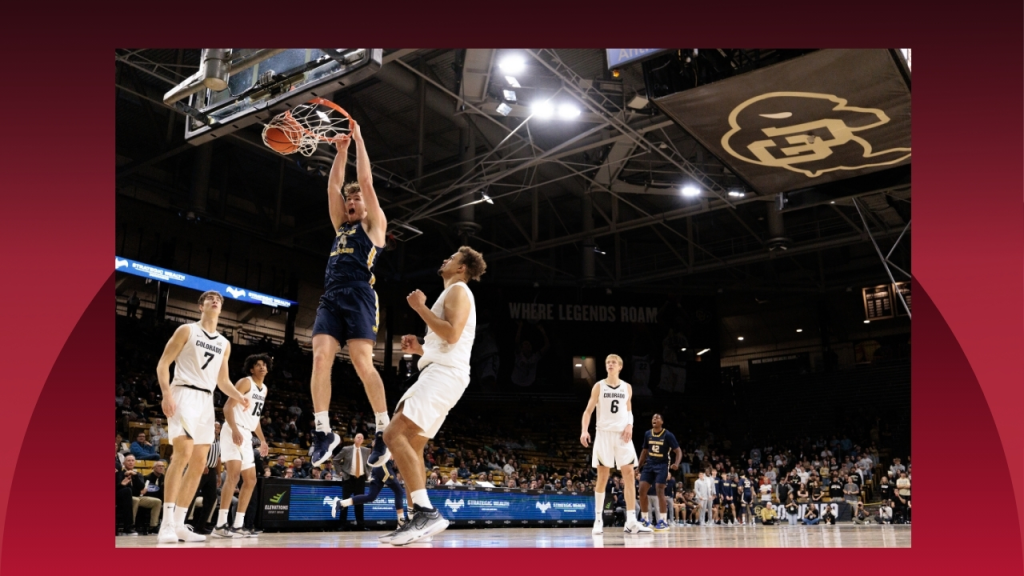
The rulings by Judge Sweeney, who presides in Colorado, came in Wisne et al. v. NCAA, a case brought by University of Northern Colorado basketball player Brock Wisne and 11 other male and female Division I athletes whose NCAA eligibility has expired. Wisne appears to have turned pro, with EuroBasket reporting in June that the Spanish team Alimerka Oviedo Baloncesto signed Wisne after he graduated from college.