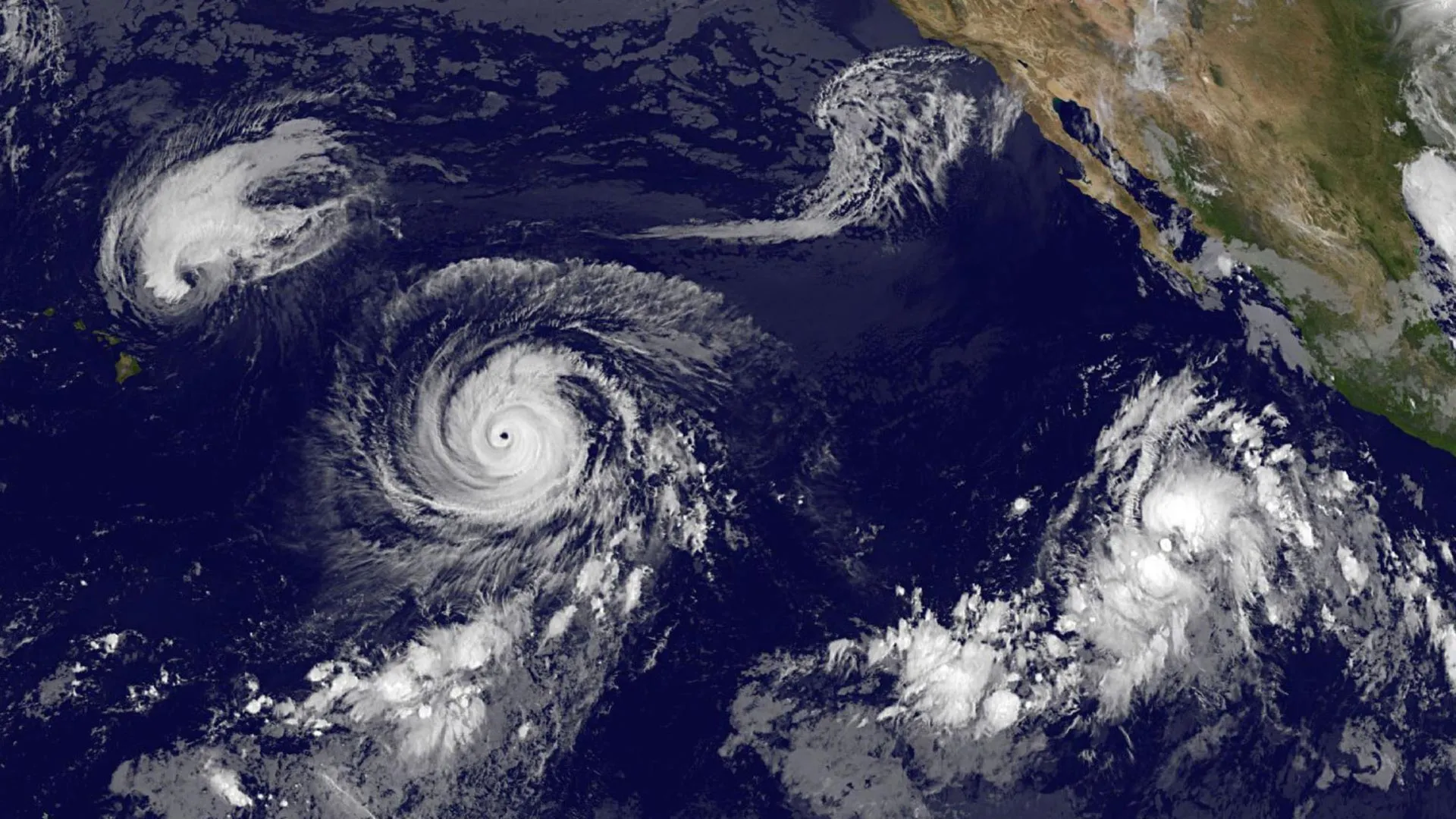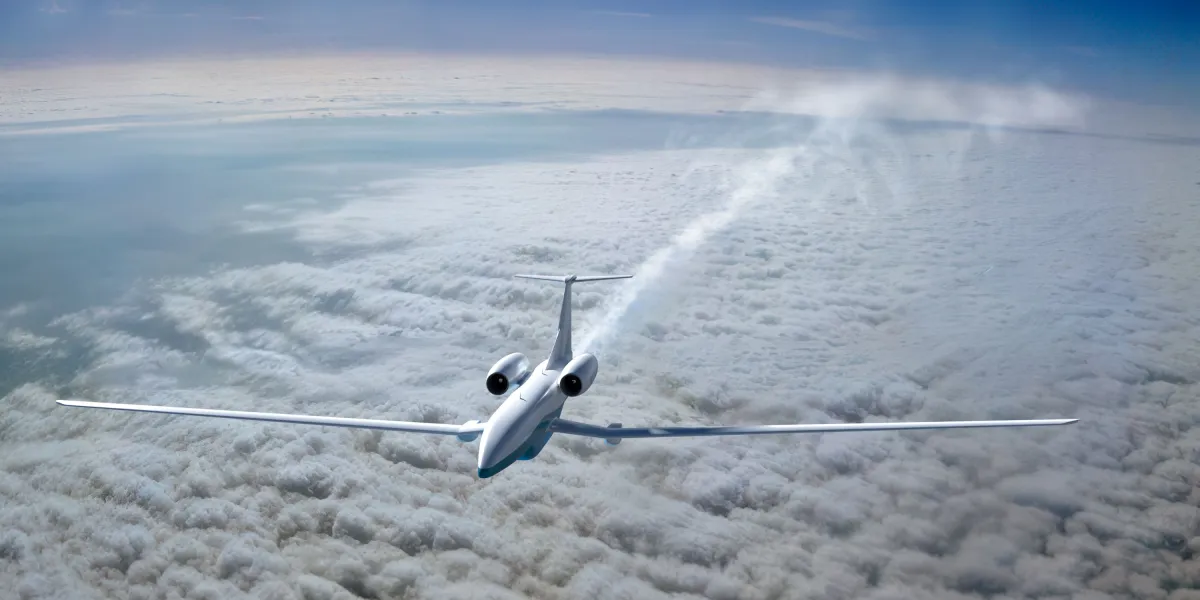
Imagine a hose long enough to touch the clouds, held up by a giant balloon, spraying plain water a kilometer above the English countryside. That was the plan drawn up by British scientists in 2011. According to Scientific American, which reprinted the original report from the journal Nature, the test was called off in May 2012 after a patent dispute raised uncomfortable questions about who might profit from technology meant to cool the whole planet.What scientists were actually trying to doThe project was called SPICE, short for Stratospheric Particle Injection for Climate Engineering. It began in October 2010 as a three-and-a-half-year collaboration between the Universities of Bristol, Cambridge, Oxford and Edinburgh, along with the aerospace company Marshall Aerospace, running on a £1.6 million (about $2.6 million) grant from the UK's Engineering and Physical Sciences Research Council, according to Scientific American.The idea itself borrows from nature. When a huge volcano erupts, it throws tiny particles high into the sky. Those particles reflect a sliver of sunlight back into space, and for a year or two afterward, the whole planet cools down slightly. Scientists have wondered for decades whether we could copy that effect on purpose, by spraying reflective particles into the stratosphere, a layer of atmosphere roughly 6 to 30 miles above us. This idea is now known as solar geoengineering, or solar radiation management.The SPICE team wasn't planning to spray any real chemicals into the sky for this test. They just wanted to check if the equipment worked. The Science article titled ‘British Team Cancels Geoengineering Experiment’ notes that the plan was to float a balloon a kilometer high and pump about 150 liters of ordinary water through a hose, just to see how the balloon and hose behaved in real wind conditions.When volcanoes erupt, they cool the Earth for years. Scientists wanted to copy that effect on purpose. Image Credits: Wikimedia CommonsWhy the balloon never got off the groundTwo things sank the project. First, months before SPICE was even proposed, a patent application had been filed for very similar balloon-and-hose technology. Geoengineering Monitor's report on the cancellation mentions that one name on that patent was Peter Davidson, who ran a consulting firm on the Isle of Man and had advised the workshop that helped create SPICE. The other was Hugh Hunt, a Cambridge engineer who was already one of SPICE's own investigators at the time the patent was filed. Nobody accused either man of wrongdoing, but the overlap created the appearance that individuals could personally profit from publicly funded climate research.Second, and just as important, there were no clear international rules for testing technology this sensitive. Matt Watson, the University of Bristol scientist who led SPICE, said the test itself was about as harmless as an experiment could be, but going ahead without any agreed rulebook felt premature, according to the Science Media Center. The trial, originally scheduled for October 2011, had already been delayed once before it was cancelled for good the following year.What the research says about public trustThis caution wasn't just Watson's personal opinion. A peer-reviewed study led by Nick Pidgeon of Cardiff University titled ‘Deliberating stratospheric aerosols for climate geoengineering and the SPICE project’ and published in Nature Climate Change notes that members of the public who were consulted were largely willing to let this specific small balloon test go ahead, but very few were comfortable with the bigger idea of actually using stratospheric particles to manage the climate someday. People wanted the research to continue, just carefully and openly.Around the same time, two governance researchers made a similar point in Nature itself. According to Phil Macnaghten and Richard Owen's 2011 commentary, geoengineering research needed clear, agreed rules before any outdoor test, not after one had already been planned.NASA regularly sends balloons into the stratosphere; SPICE wanted to do the same, just with water. Image Credits: NASAWhy this old story still matters in America todayFast forward to 2024, and this same tension played out again, this time in the United States. A separate solar geoengineering project called SCoPEx, run by Harvard University, had planned to release small amounts of reflective particles from a balloon over Sweden to study how they behave in the stratosphere. According to MIT Technology Review, the lead researcher announced in March 2024 that he was no longer pursuing the experiment, after nearly a decade of delays and public pushback ended the project for good.That is the lesson from the SPICE balloon that never flew. Solar geoengineering keeps coming up as a possible backup plan for climate change, one that could buy the world time while emissions come down. But every time scientists have actually tried to test even the equipment outdoors, whether in the UK in 2012 or at Harvard in 2024, the project has stalled. Not because the science failed, but because society never agreed on the rules first.For readers growing up with climate anxiety as a normal part of life, that gap is worth sitting with. The technology to dim the sun a little already exists, at least on paper. What's missing isn't more machines. It's a shared answer to who gets to decide, and how, before anyone actually turns it on.
In 2011, UK scientists planned to pump water 1 km into the sky to test solar geoengineering equipment, but the balloon never launched
In 2011, British scientists planned a groundbreaking geoengineering experiment to spray water 1 km into the atmosphere for climate research, but the project was ultimately canceled due to patent disputes and the absence of international testing rules. This cautionary tale reflects ongoing struggles with solar geoengineering efforts, reminiscent of a similar failed project at Harvard University in 2024.
863 words~4 min read