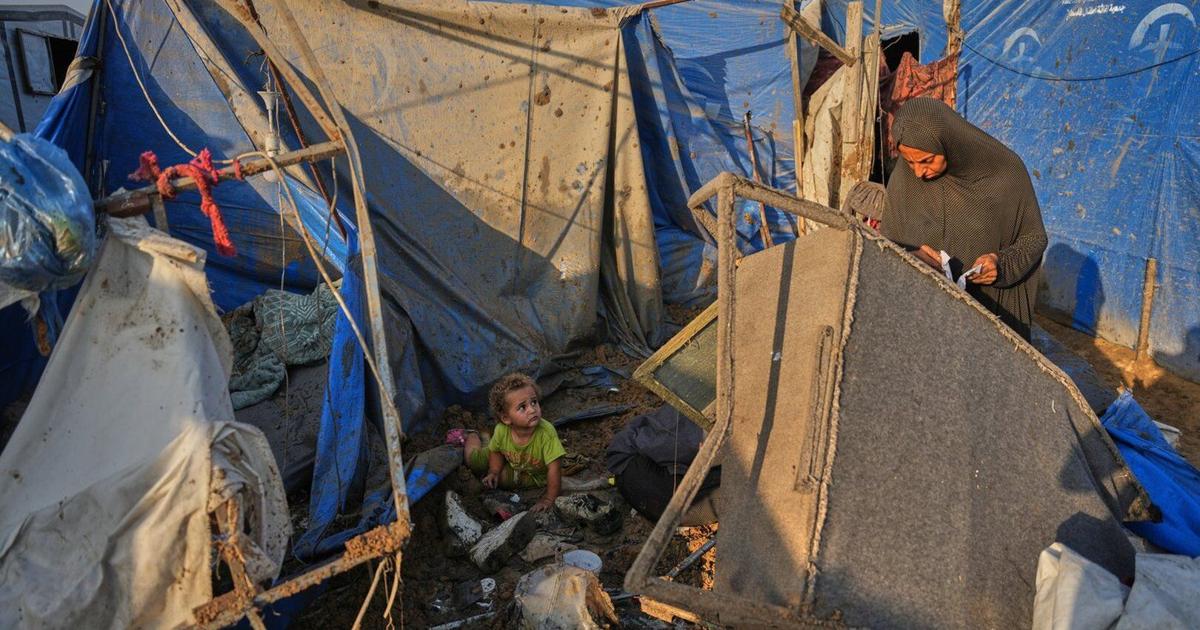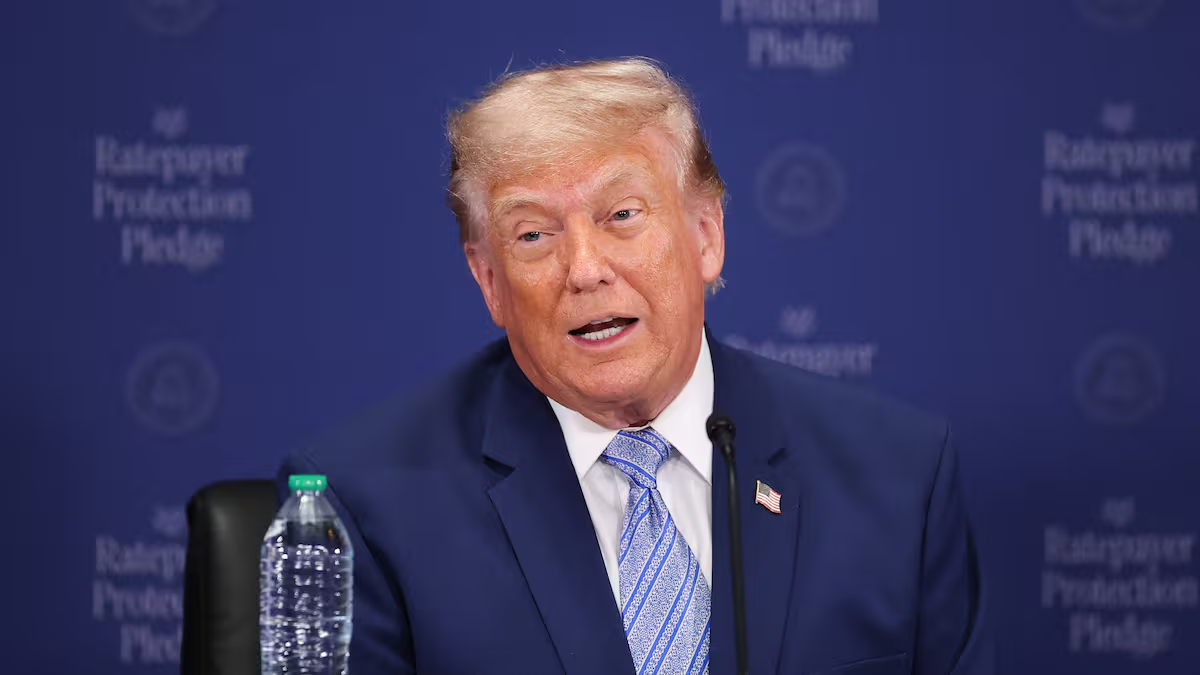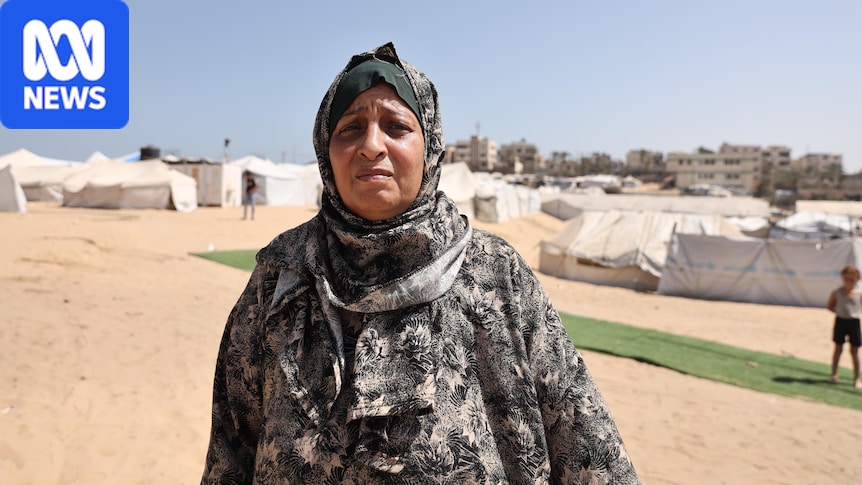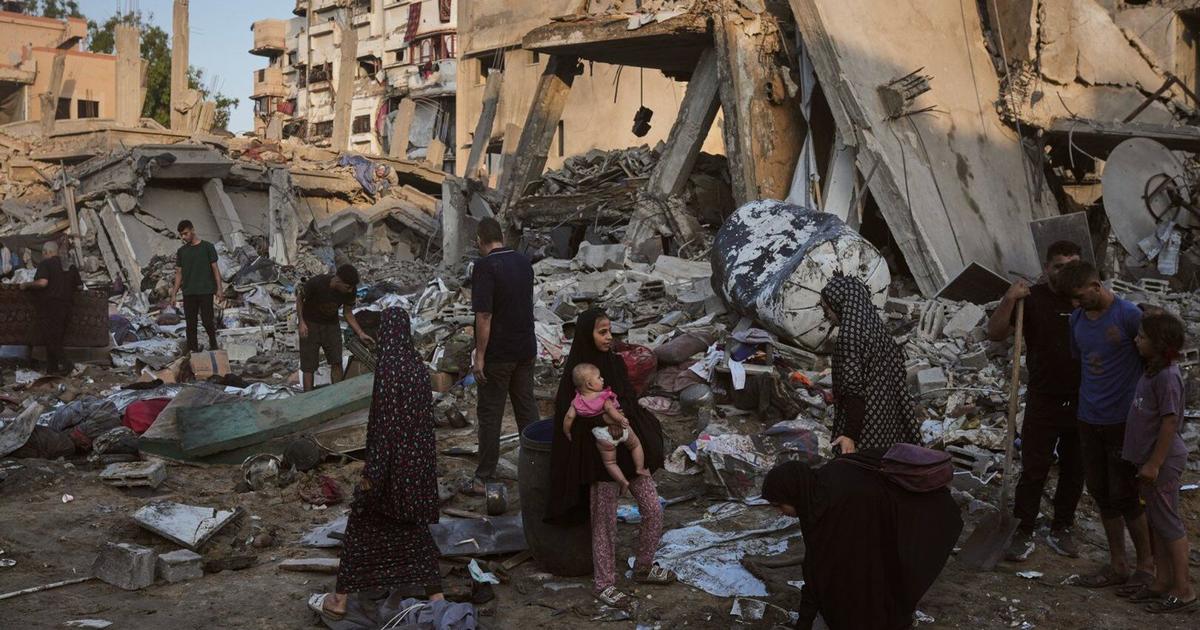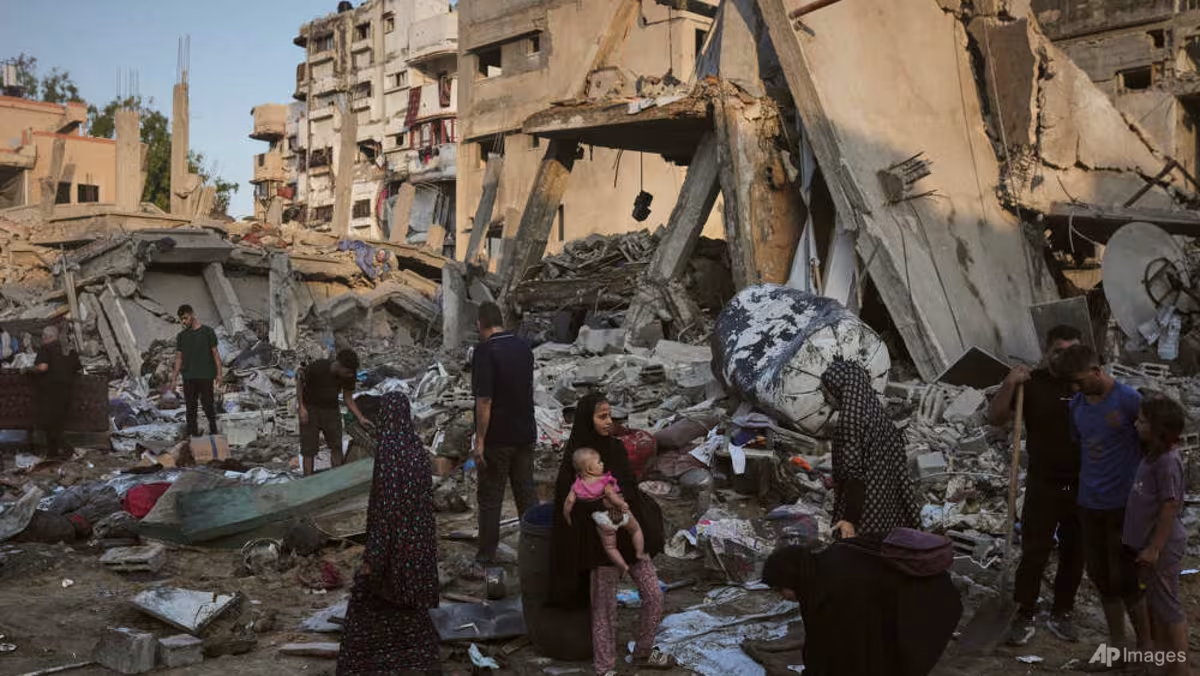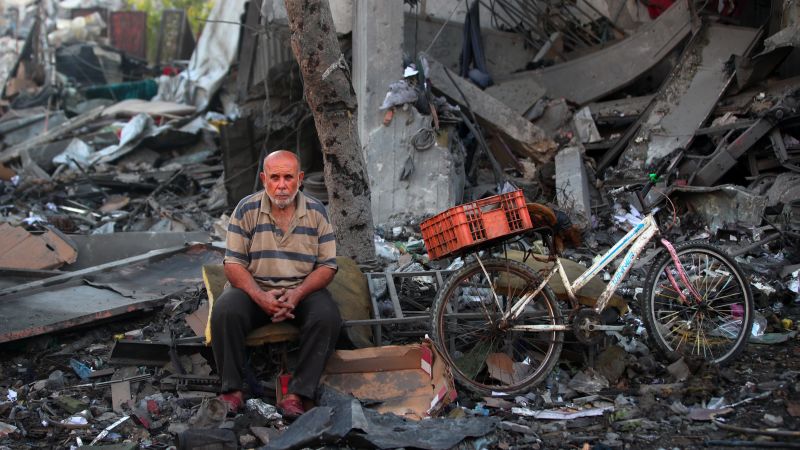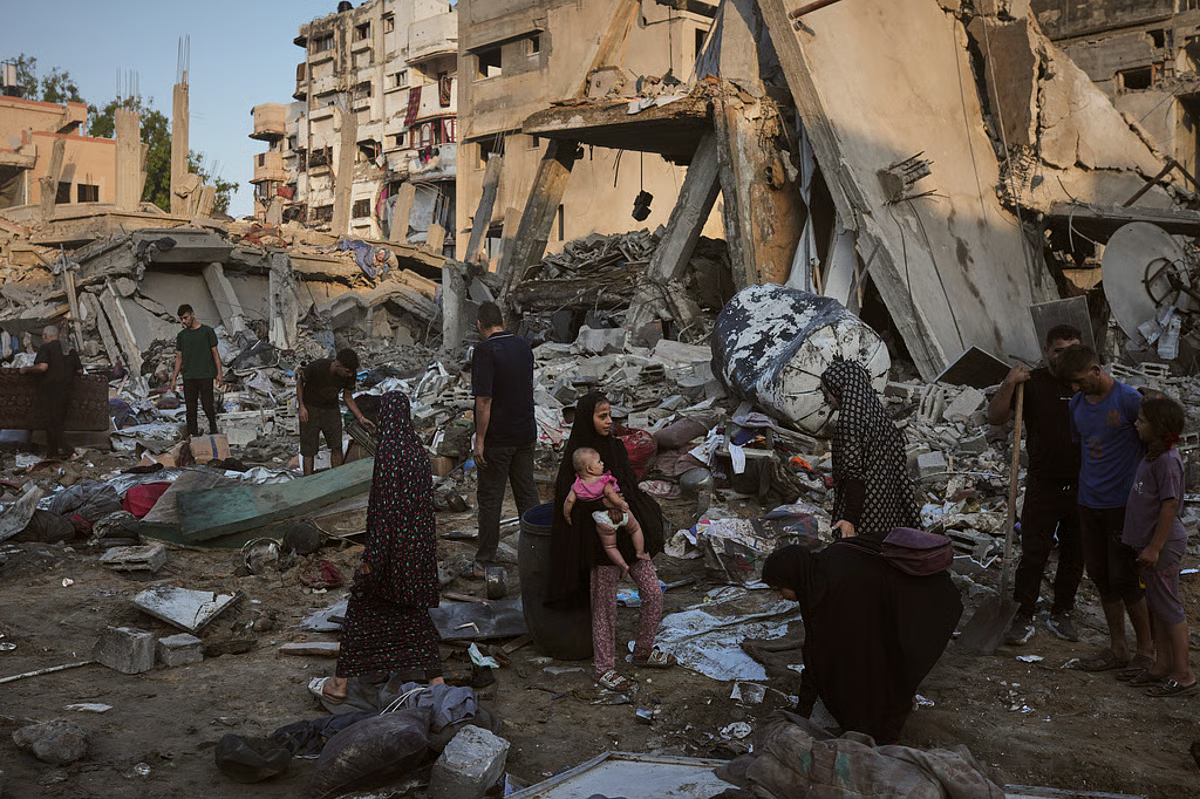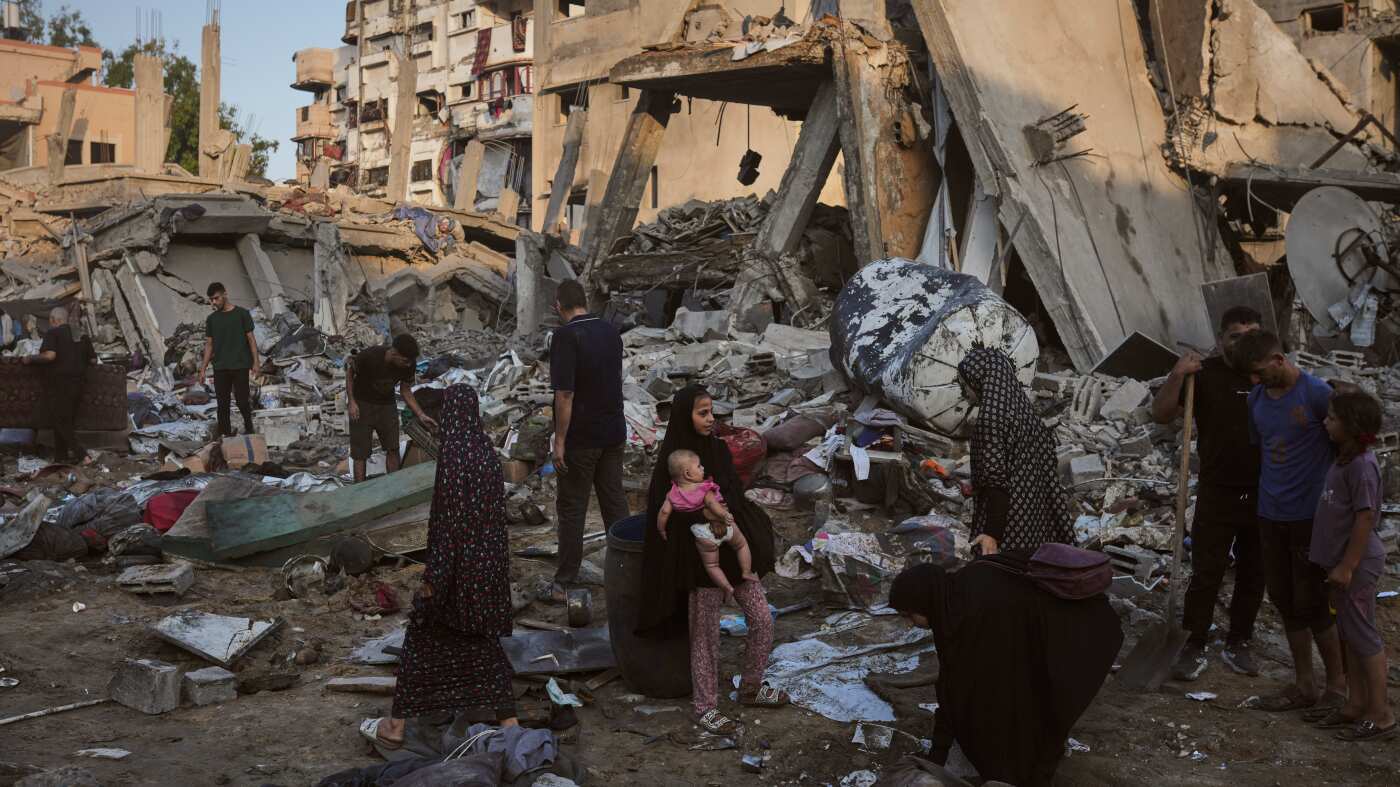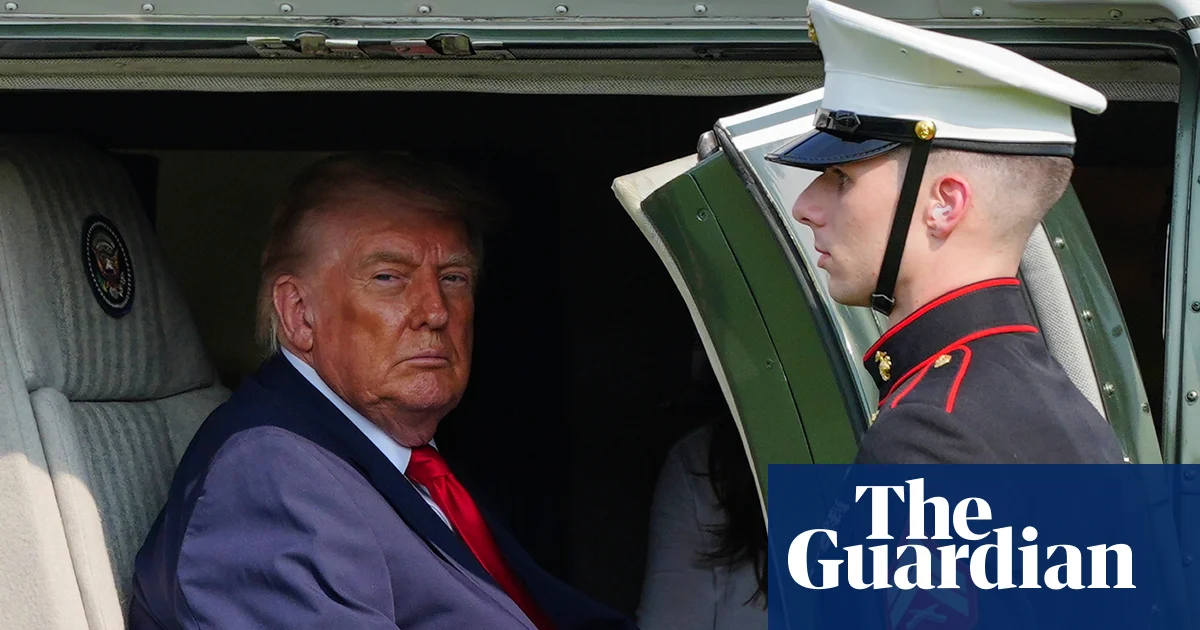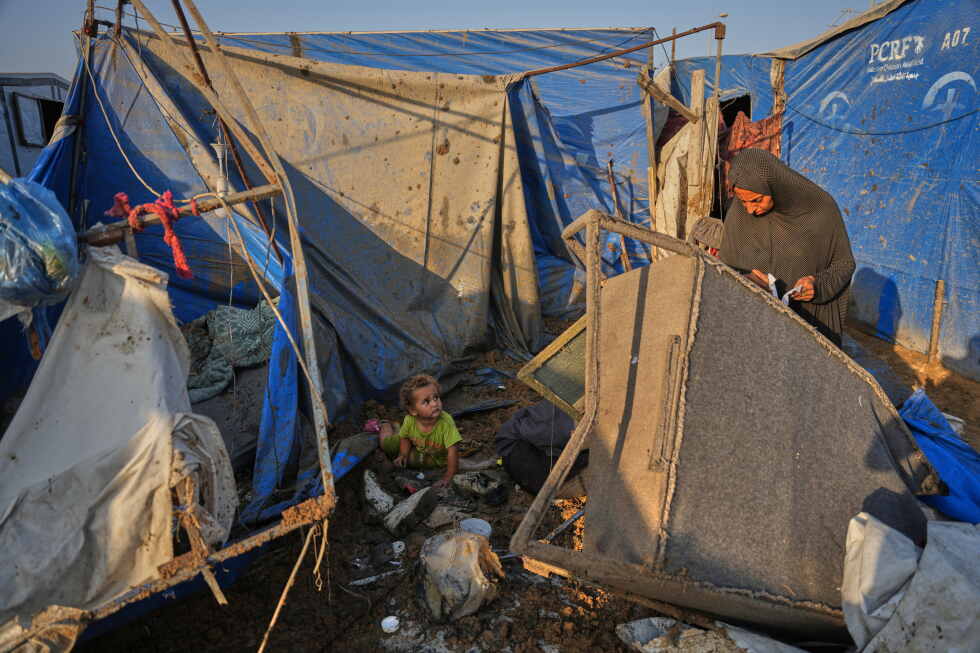
CAIRO (AP) — For Palestinians in Gaza, President Donald Trump’s announcement that Hamas had agreed to disarm was a small sign of hope that Israel’s attacks might end, allowing them to rebuild their lives and what remains of their homes. But it also clashed with the reality on the ground, where Israeli strikes have continued since Trump first touted the deal late Thursday in Washington, and where few steps have been taken to advance a broader ceasefire agreement that went into effect in October. Most of Gaza’s 2 million Palestinians are still displaced or live in tent camps, where poor conditions and overcrowding have led to rodent infestations and outbreaks of infectious diseases such as chickenpox. “They can talk about withdrawal and disarmament,” said Abdel Moneim Aboul-Roos, 24, a tuk-tuk driver who lost his leg in an Israeli airstrike. “I don’t care about any of it as long as there is no food or medicine.”Israel and Hamas signed a U.S.-backed ceasefire plan last year that ended major combat operations, saw the return of Israeli hostages and allowed for an increase in humanitarian aid to the Palestinian enclave. It also called for the gradual withdrawal of Israeli troops, the creation of an international stabilization force and a program to decommission weapons held by Hamas. But as each side accused the other of violating the ceasefire, negotiations stalled. Hamas held onto its weapons and the Israeli military refused to withdraw. Since October, Israel has killed more than 1,200 Palestinians in Gaza and expanded the amount of territory it controls. Five Israeli soldiers have also been killed in militant attacks.
Palestinians in Gaza hope Hamas will disarm but fear Israeli forces won't withdraw
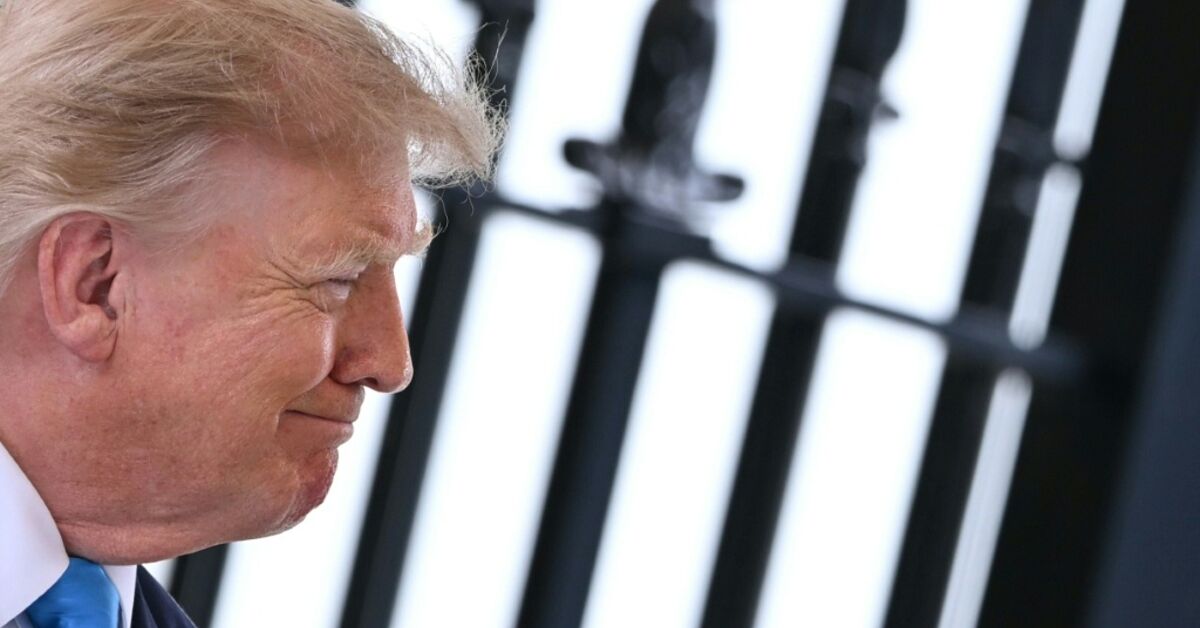
President Donald Trump's announcement that Hamas agreed to disarm offers a glimmer of hope for Palestinians in Gaza.
867 words~4 min read