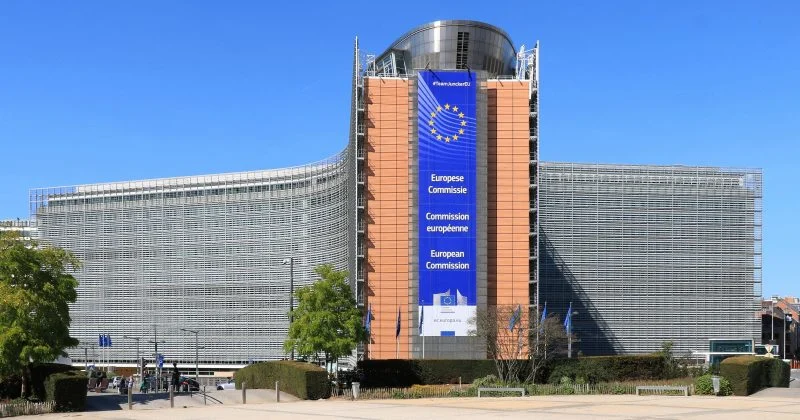
The European Commission just did something it hasn’t done since the mid-2000s: rewrite the playbook for how companies are allowed to merge. The draft Merger Guidelines, released on April 30, represent the first systemic update since separate rules for horizontal and non-horizontal mergers were established in 2004 and 2008, respectively.
The updated guidelines shift the Commission’s analytical framework from purely static assessments of market power to a more dynamic evaluation. That means regulators will now weigh innovation potential, investment effects, and future competitive positioning alongside traditional measures like market share.
Particular emphasis falls on digital ecosystems. The draft guidelines carve out specific scrutiny areas including access to data, interoperability between platforms, and the implications of the Digital Markets Act. The DMA, which designated several large platforms as “gatekeepers,” now functions as a companion piece to merger review rather than a standalone regulation.
Additional areas flagged for enhanced review include labor market effects, minority shareholdings, common ownership structures, and vertical or conglomerate effects.
A public consultation ran through June 26, with a stakeholder workshop held on June 10. An economic study on dynamic merger effects is scheduled for release in September, followed by additional workshops. The finalized guidelines are targeted for completion in Q4 2026.