For much of evolutionary history, many animals reproduced and then left their offspring to survive alone. A study published in Nature now offers a possible explanation for how caregiving emerged from those distant, nonparental beginnings.
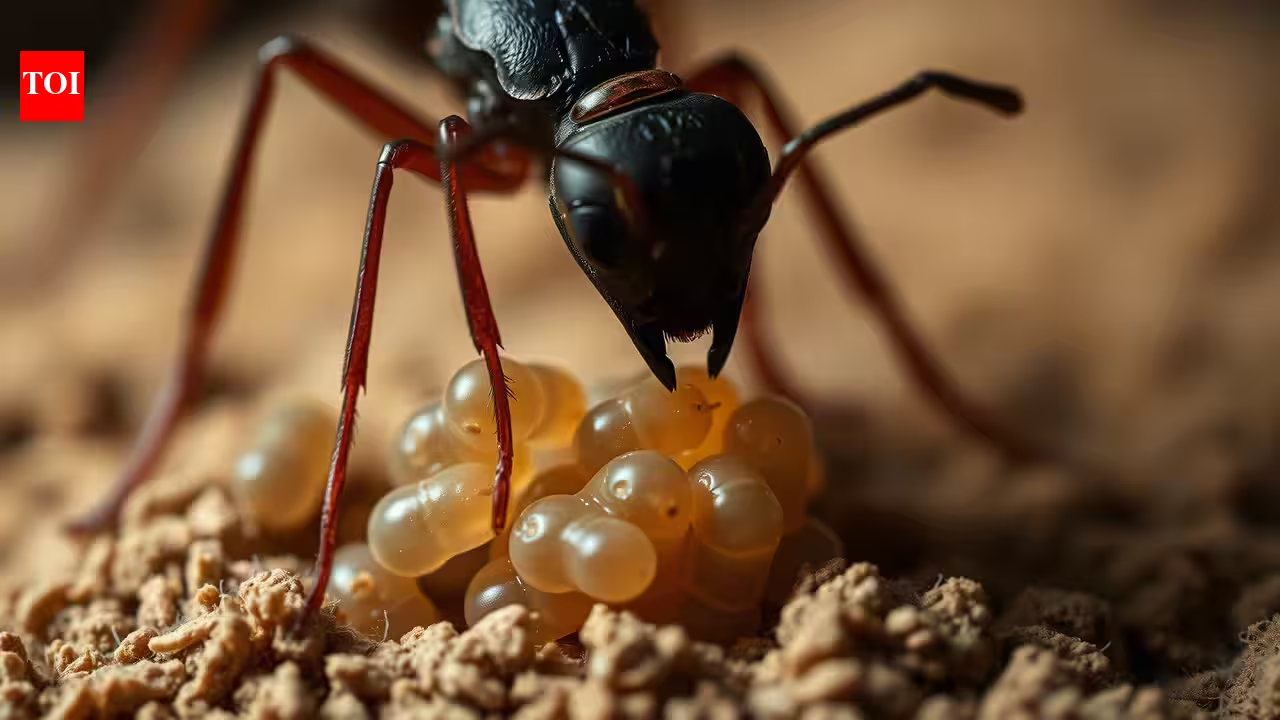
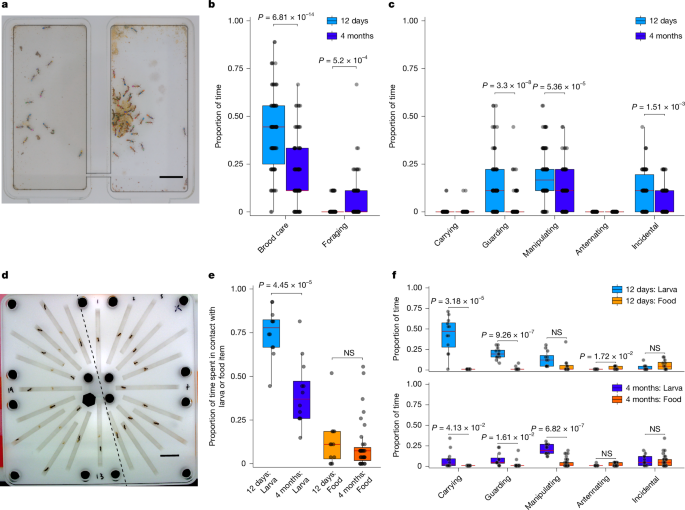
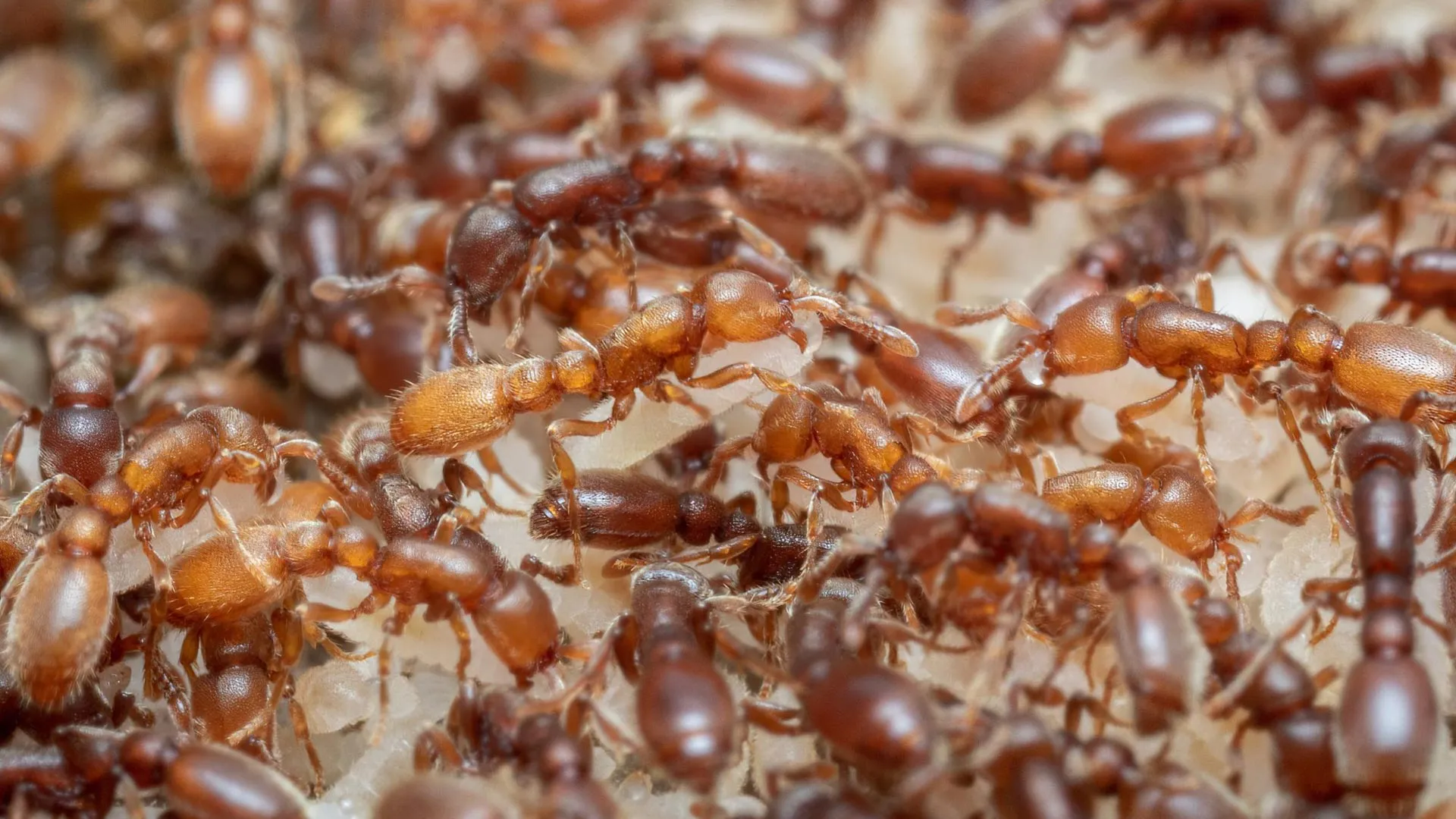
By studying clonal raider ants, researchers found that evolution may not have created entirely new brain systems to produce parental behavior. Instead, it appears to have adapted ancient neural pathways that originally regulated hunger and feeding, giving them a new role in social care.
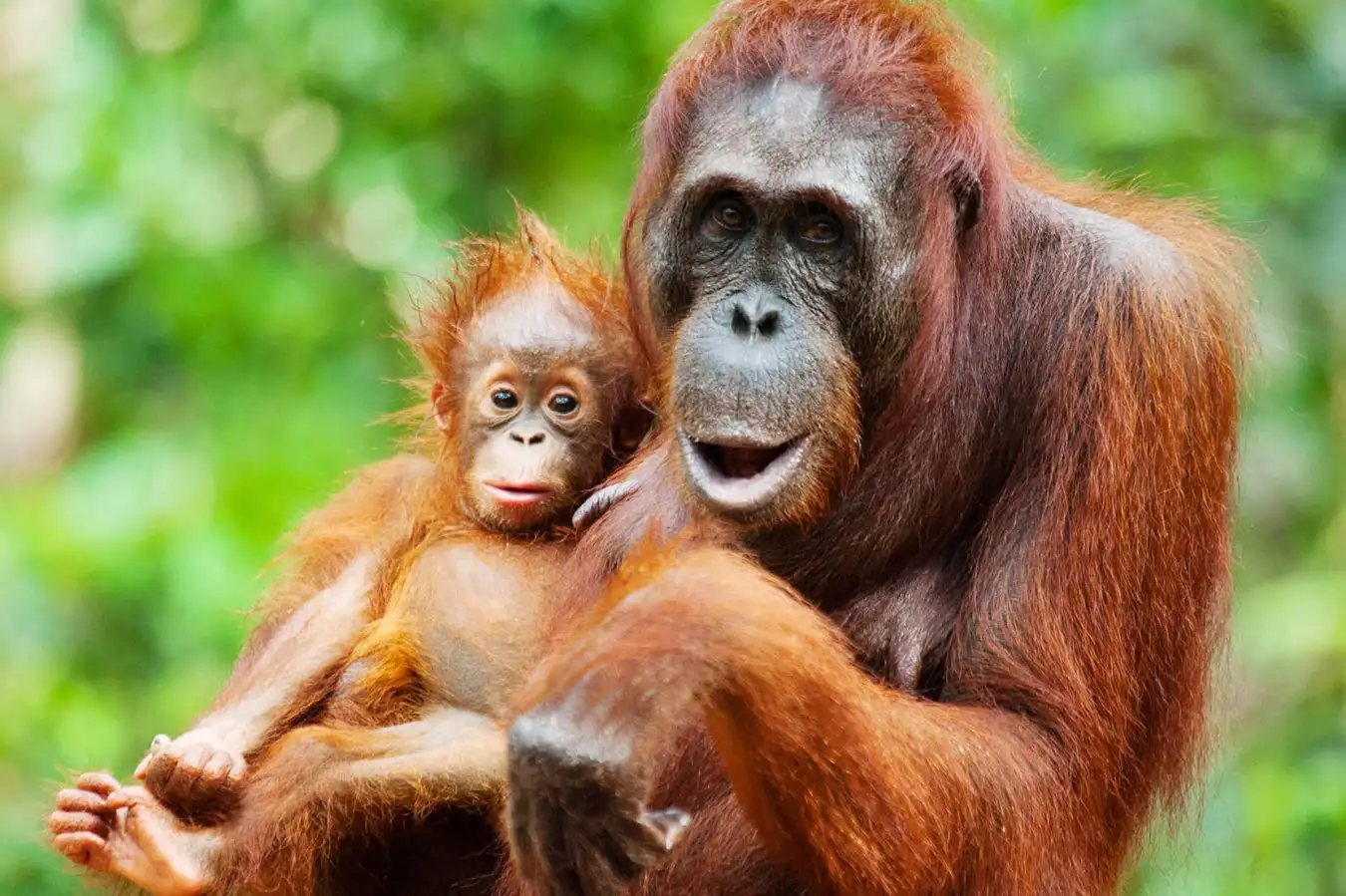
Ants and mammals use related brain signaling systems that help control caregiving. Ants also change their social roles as they grow older, making them useful for studying how parenting evolved and how behavior shifts as the brain ages. The findings could eventually offer clues about similar processes in mammals, including humans.
"Our work is a prime example of how evolution seldom invents things from scratch," says Daniel Kronauer, head of the Laboratory of Social Evolution and Behavior at Rockefeller. "Evolution takes what it has and works with that, sometimes in very surprising ways."
How Evolution May Have Built Parenting