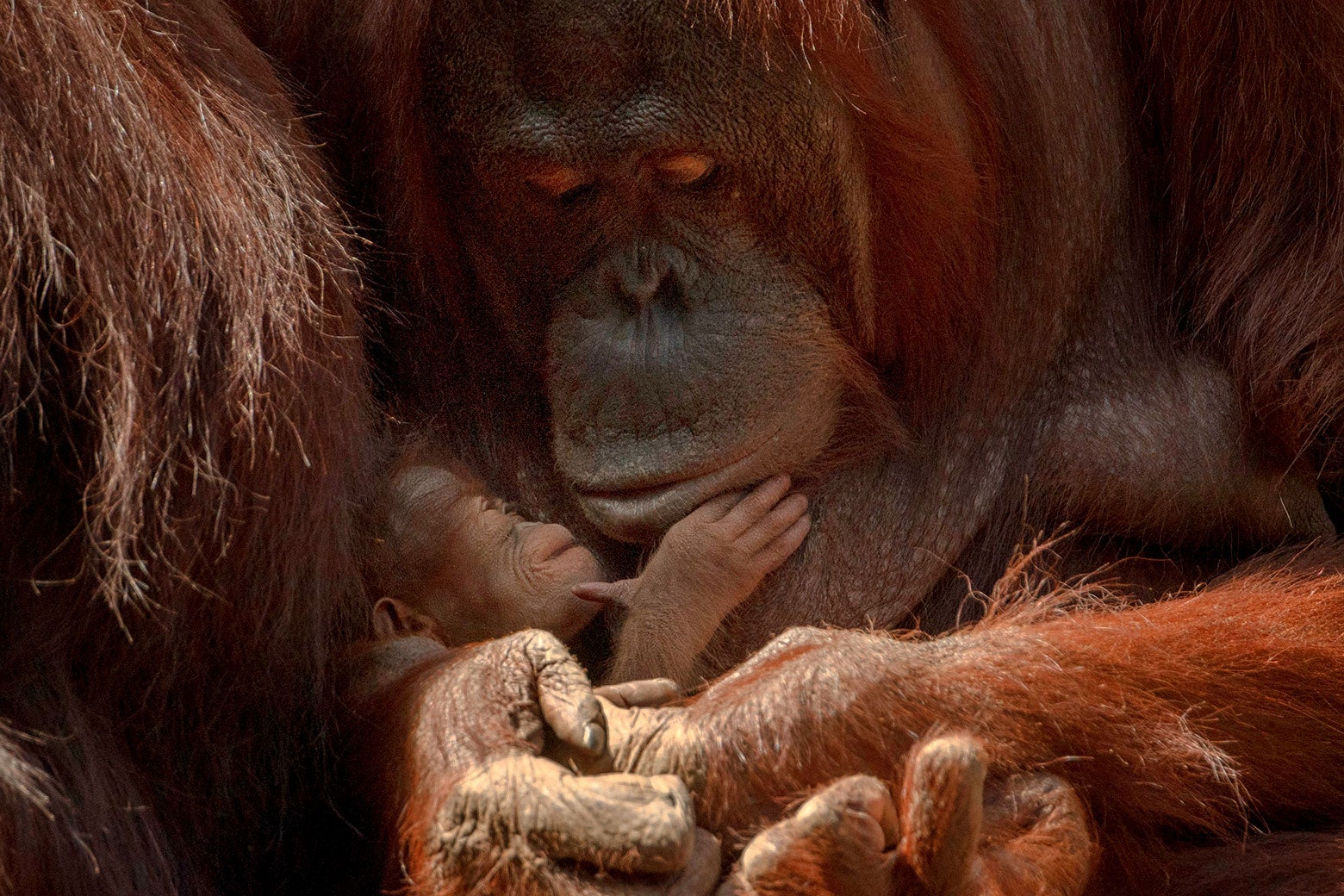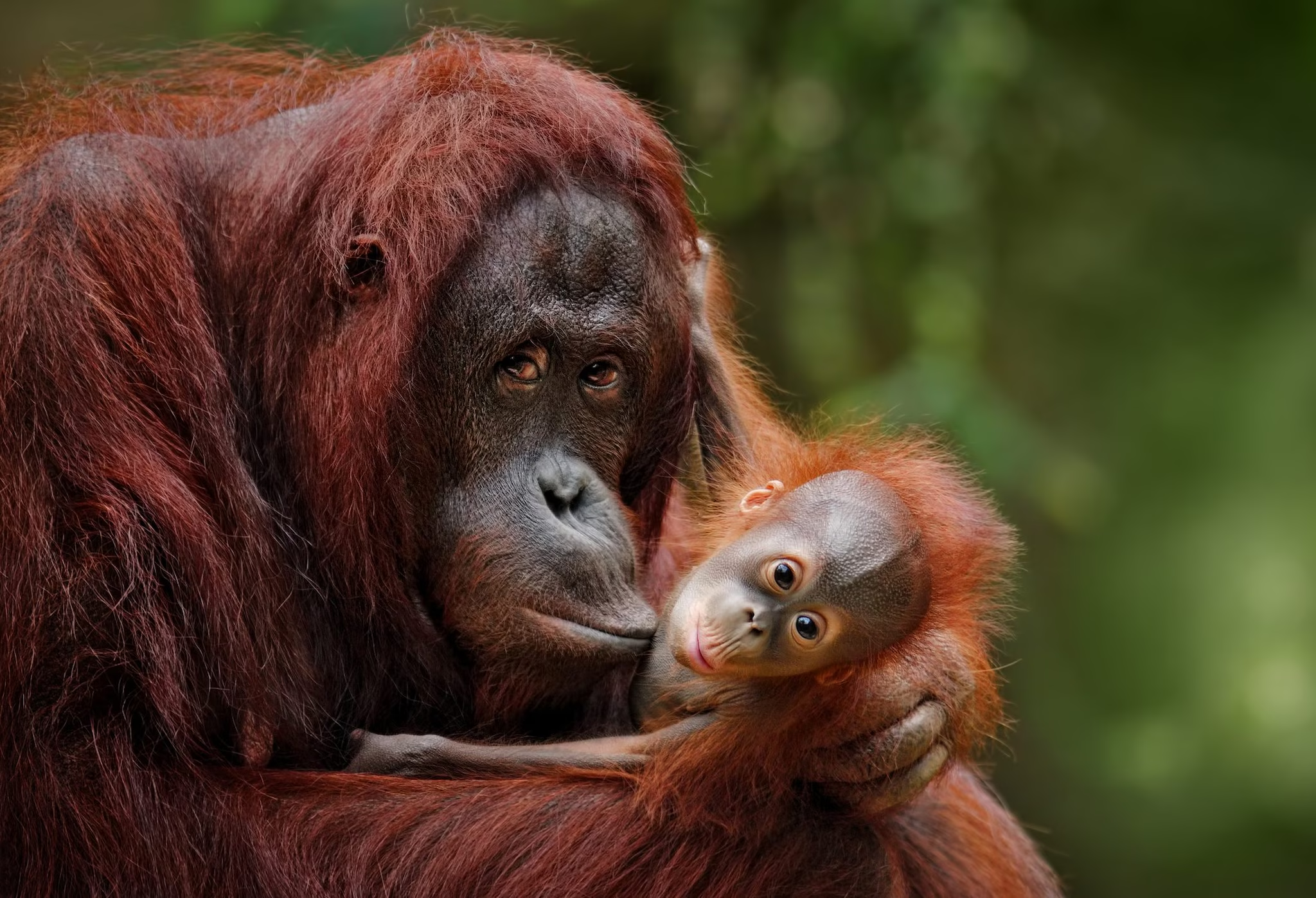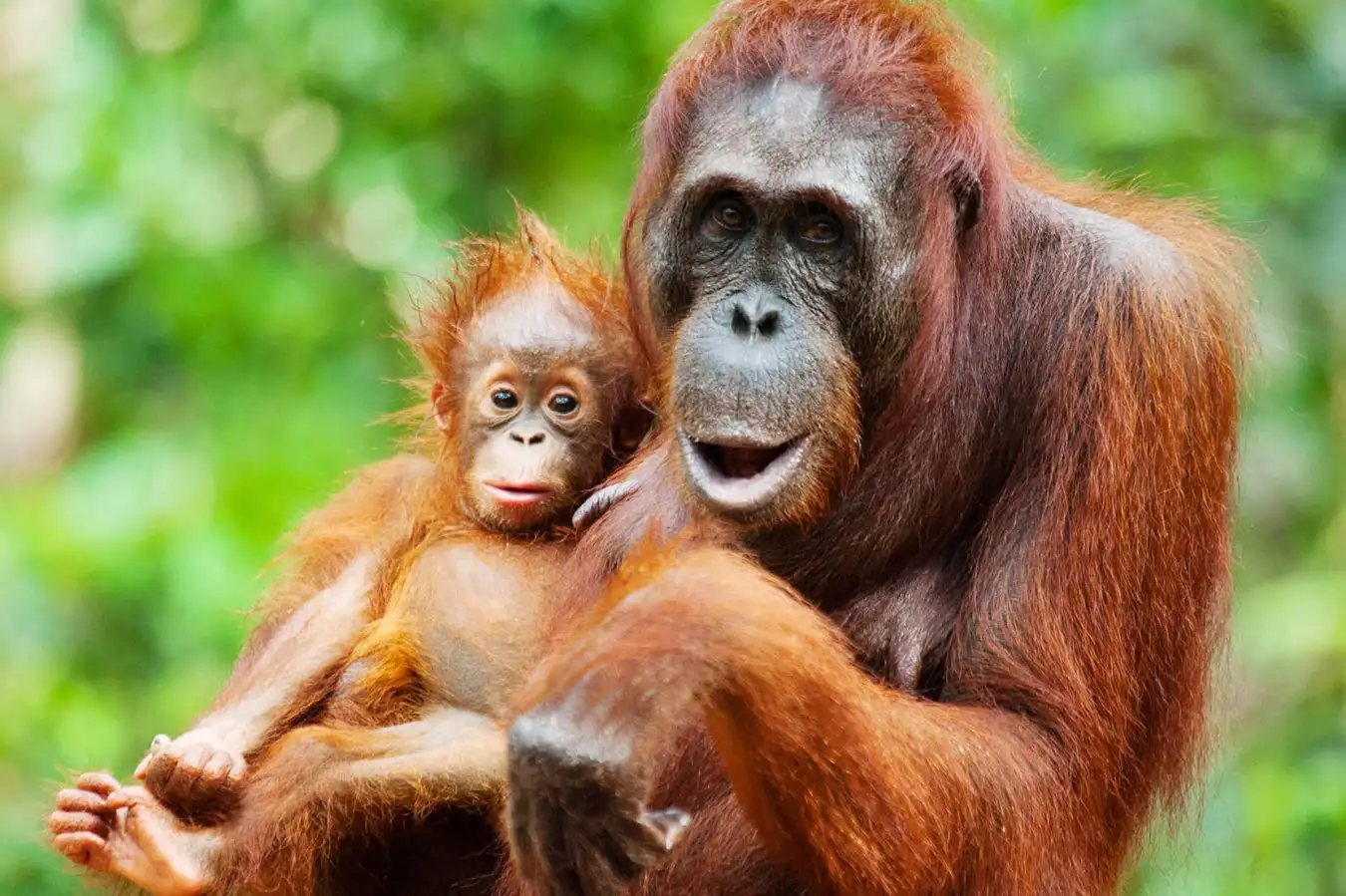
Female orangutans usually raise a single infant at a timeANDREY GUDKOV/Alamy
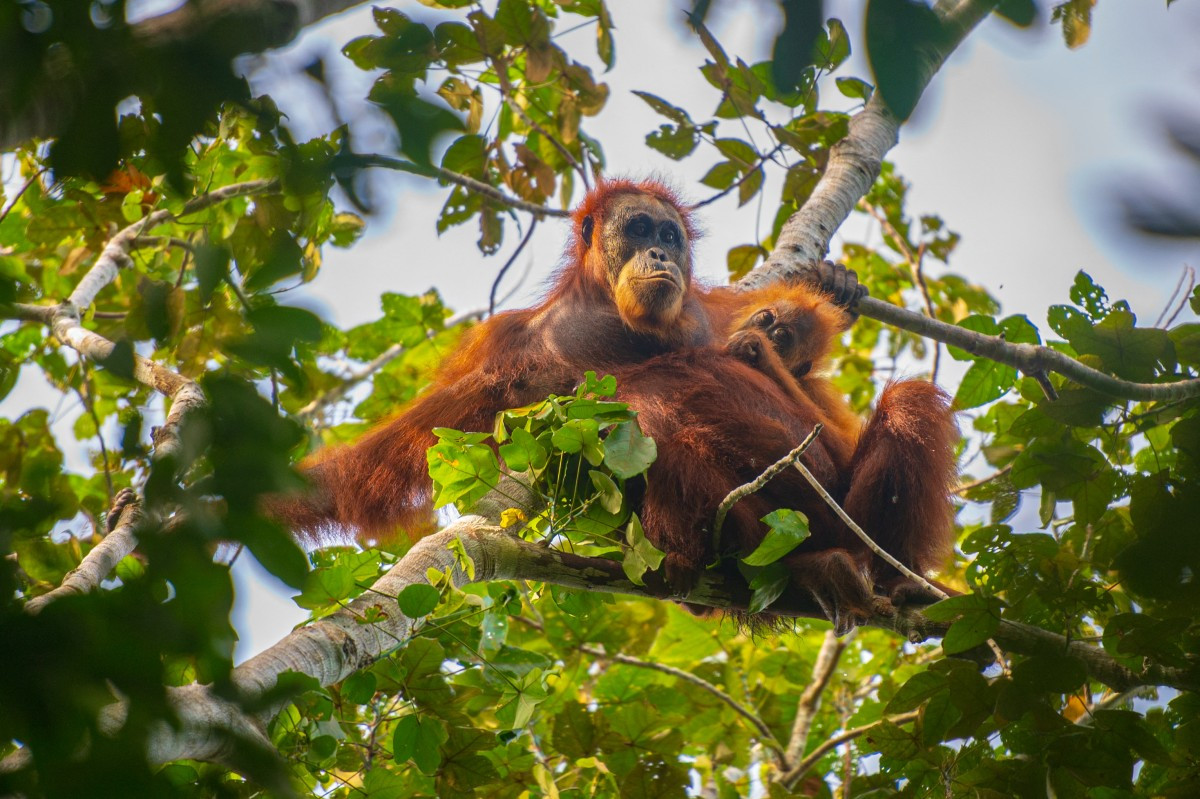
Orangutan mothers seem to make trips into the territories of other mothers with similarly aged offspring so the youngsters can play together.
Play is essential to how many animals learn, strengthening social and motor skills, and teaching crucial behaviour. Yet orangutans are a solitary species, and mothers give birth to a single infant, which they raise alone for six to seven years. The young socialise together when they get the chance, but how often this happens and how it comes about are poorly understood.
“I think the assumption would be that orangutans require less play because they’re less social than the other apes, but orangutan males have to fight, so they have to practise that somewhere,” says Zarin Machanda at Tufts University in Massachusetts.
To dig into this, Odd Jacobson at the Max Planck Institute of Animal Behavior in Konstanz, Germany, and his colleagues have looked at 15 years’ worth of data on 31 wild Bornean orangutan (Pongo pygmaeus wurmbii) mother-offspring pairs. The data covers about 30,000 hours of observations that reveal where the animals were, whom they were with and what they were doing.