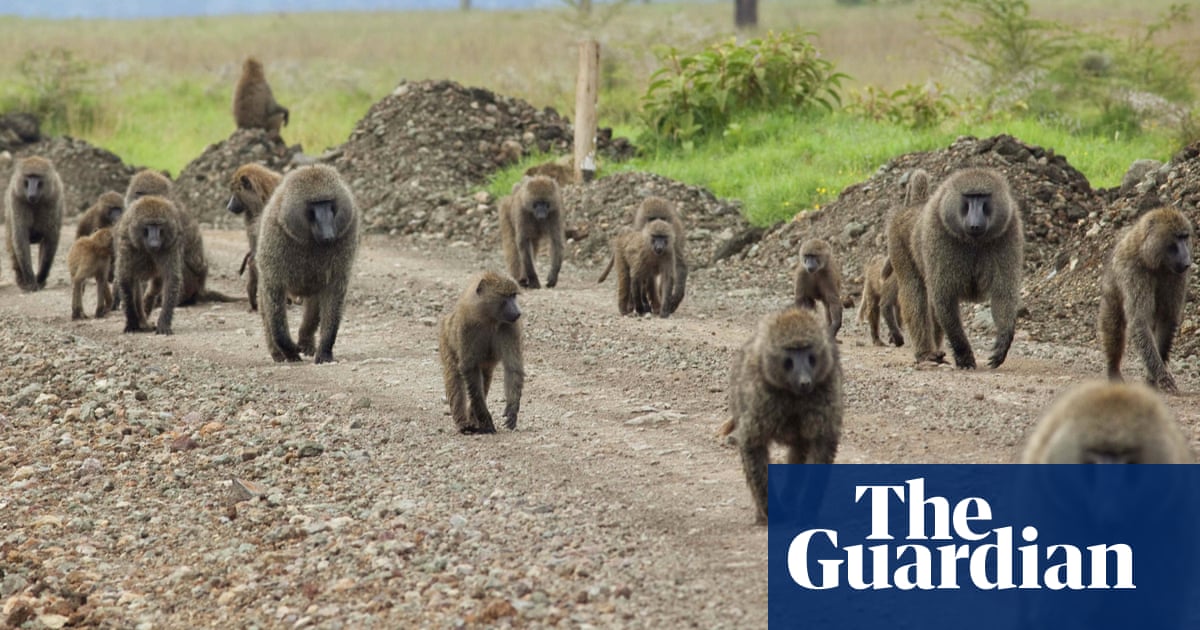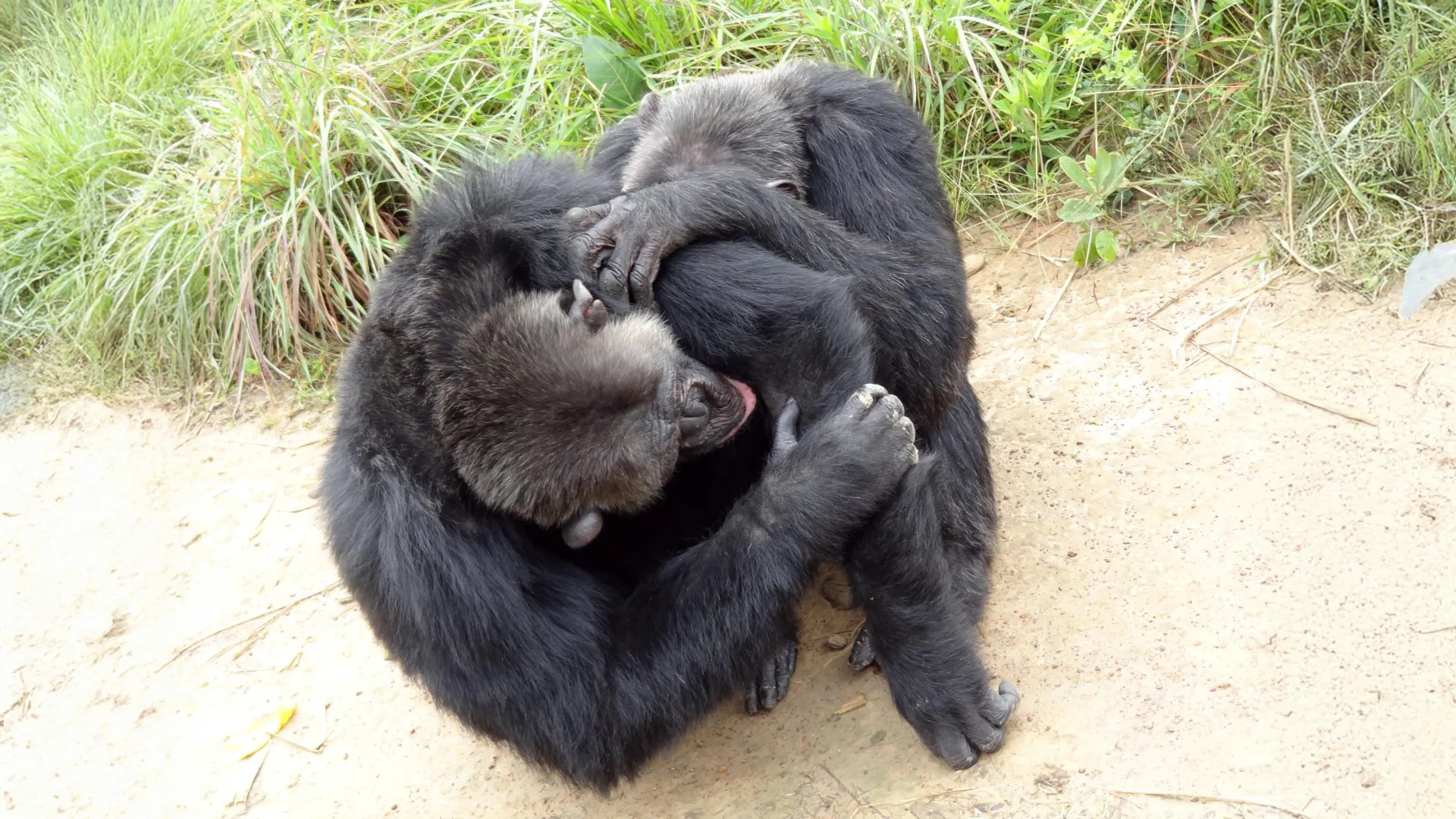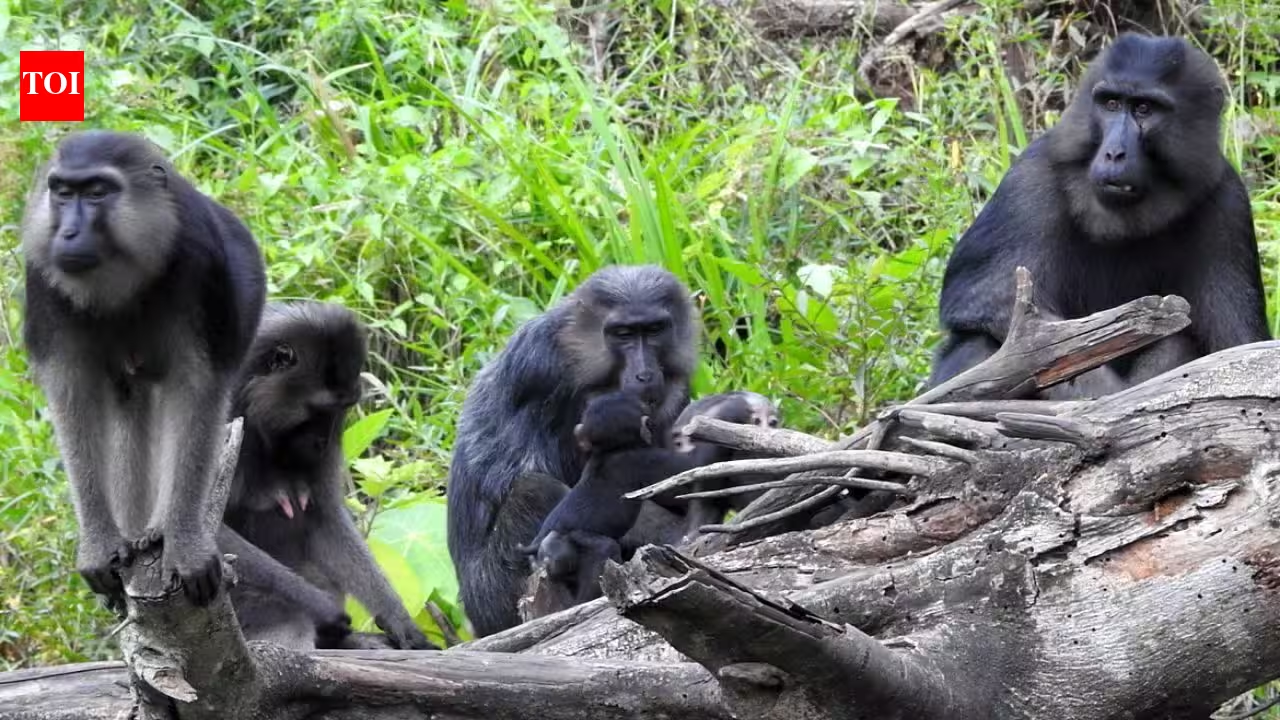
Baboons are one of the most widespread of Africa’s primate groups. They range across sub-Saharan Africa and into the Arabian Peninsula.
Baboons’ ability to spread across such a vast geographic area is based on their great ecological adaptability and dietary flexibility. This enables them to flourish in a wide variety of habitats, including deserts, swamps, open grasslands, woodlands and tropical forests.
I am an evolutionary anthropologist. I rely on methods and theory from the field of behavioural ecology, which focuses on how ecological conditions and evolutionary forces shape the behaviour of organisms to enhance their chances of surviving and reproducing successfully. I am particularly interested in how studies of other species, particularly closely related ones like baboons, help us understand our own human origins.
Studies of non-human primates give us insight about how evolution may have shaped the behaviour of our ancestors and how it influences our own behaviour.
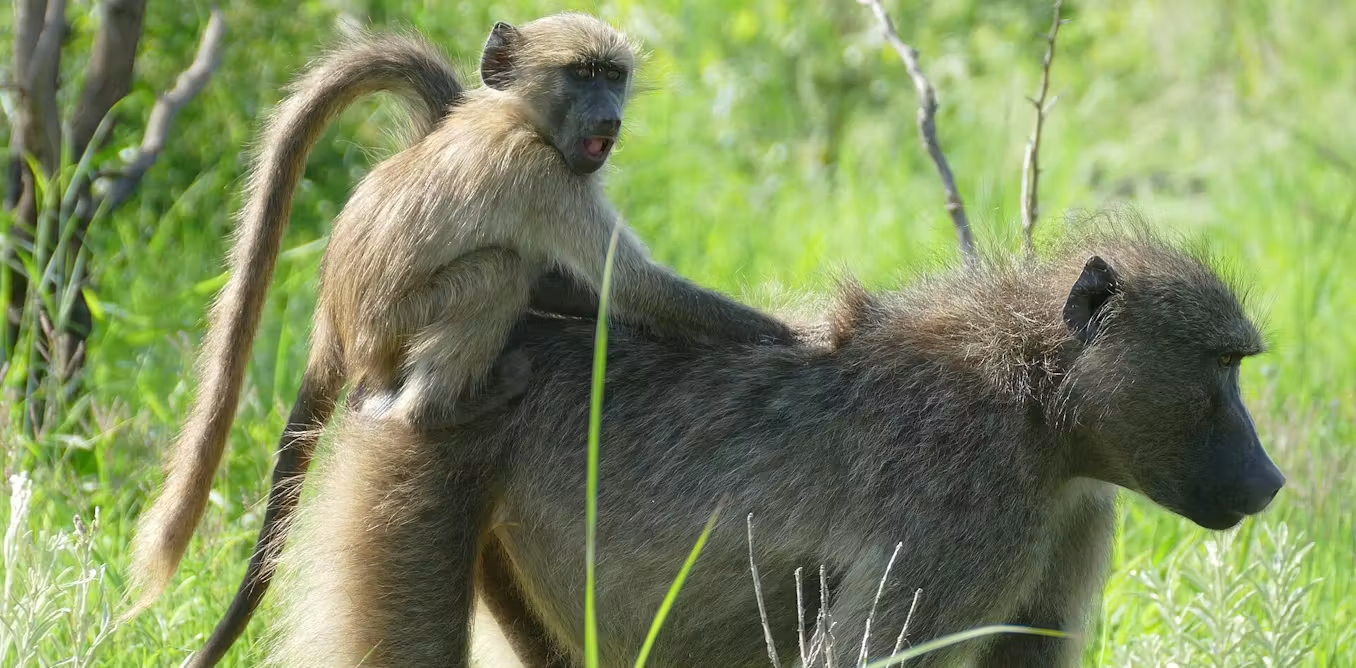
Over the last 40 years, I have been involved in long-term studies of three baboon species: chacma baboons, olive baboons, and yellow baboons. In these species, groups are composed of multiple adult males, multiple adult females, and immature animals. Males leave their birth groups near the time of sexual maturity to prevent inbreeding and may live in several different groups over the course of their lives. But females remain in their birth groups, and groups consist of multiple matrilines – sets of females connected through their maternal ancestors.