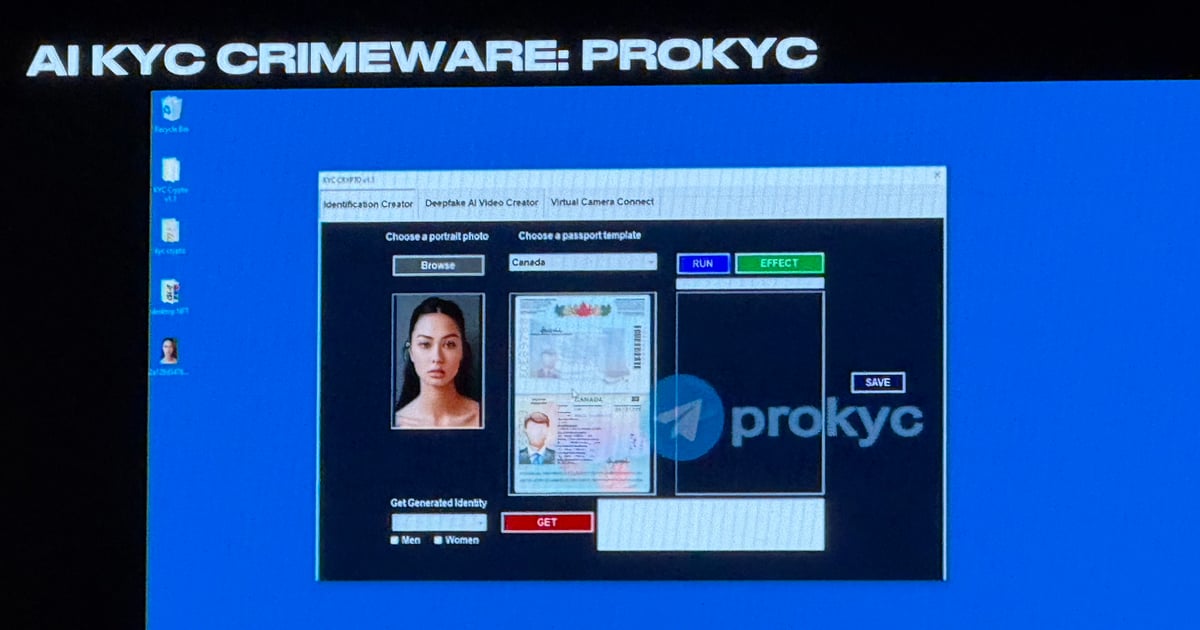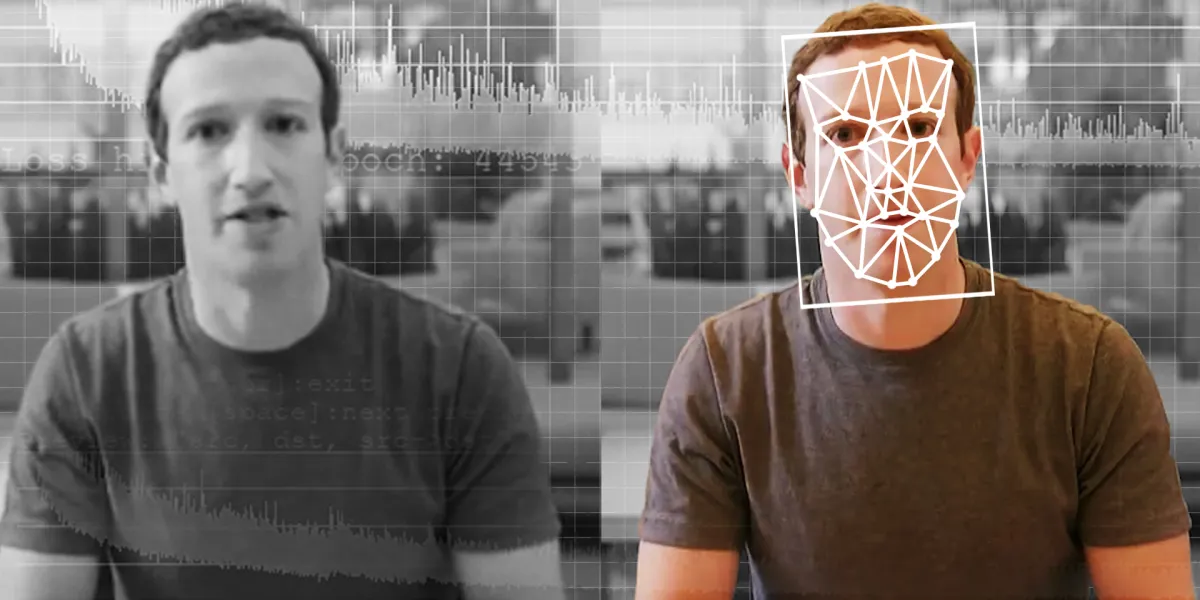
A finance employee at the global design firm Arup transferred $25.6 million in a deepfake fraud after joining a video call with synthetic versions of senior executives. The faces looked real. The voices sounded real. The instructions were false.
That was not an isolated warning. Starbucks quietly retired an AI inventory system only nine months after deployment after baristas reported that it miscounted products and slowed their work. Deloitte’s Australian member firm agreed to partially refund the government for a $290,000 AI-assisted report that included nonexistent academic sources and a fabricated court quotation. Different industries. Different technologies. The same failure: people could not trust the output, the identity, or the system.
Trust is becoming a form of economic infrastructure. Companies that cannot engineer it will move slower, spend more, and lose markets. When trust is strong, capital moves, partnerships form, and companies scale. When it breaks, transactions slow, compliance and insurance costs rise, and leaders retreat from risk.
Trust is not blind faith. It is earned confidence that facts are real, identities are authentic, systems are secure, contracts will be honored, and someone will be accountable when things go wrong. In business terms, trust reduces friction. In strategic terms, it creates speed.