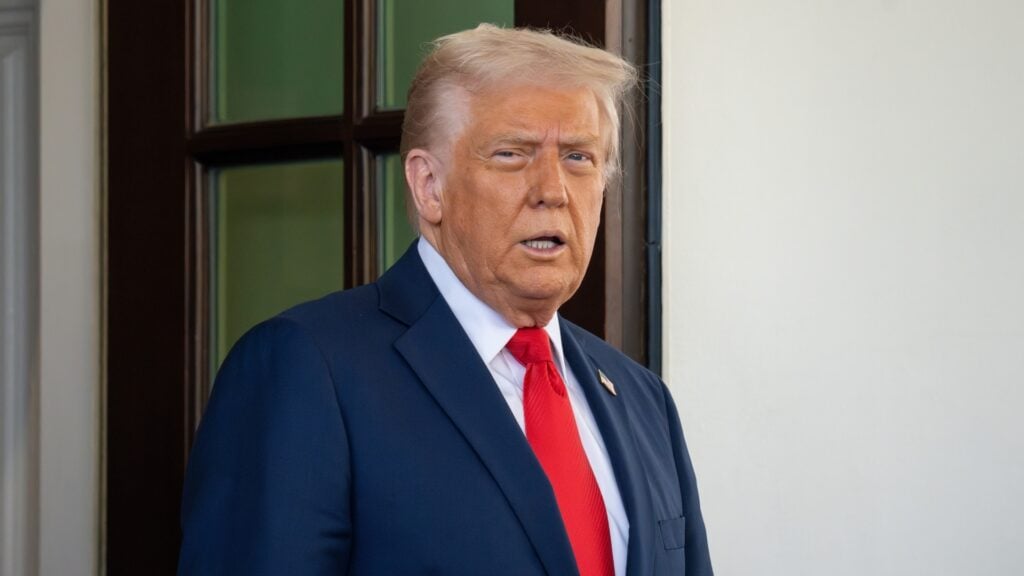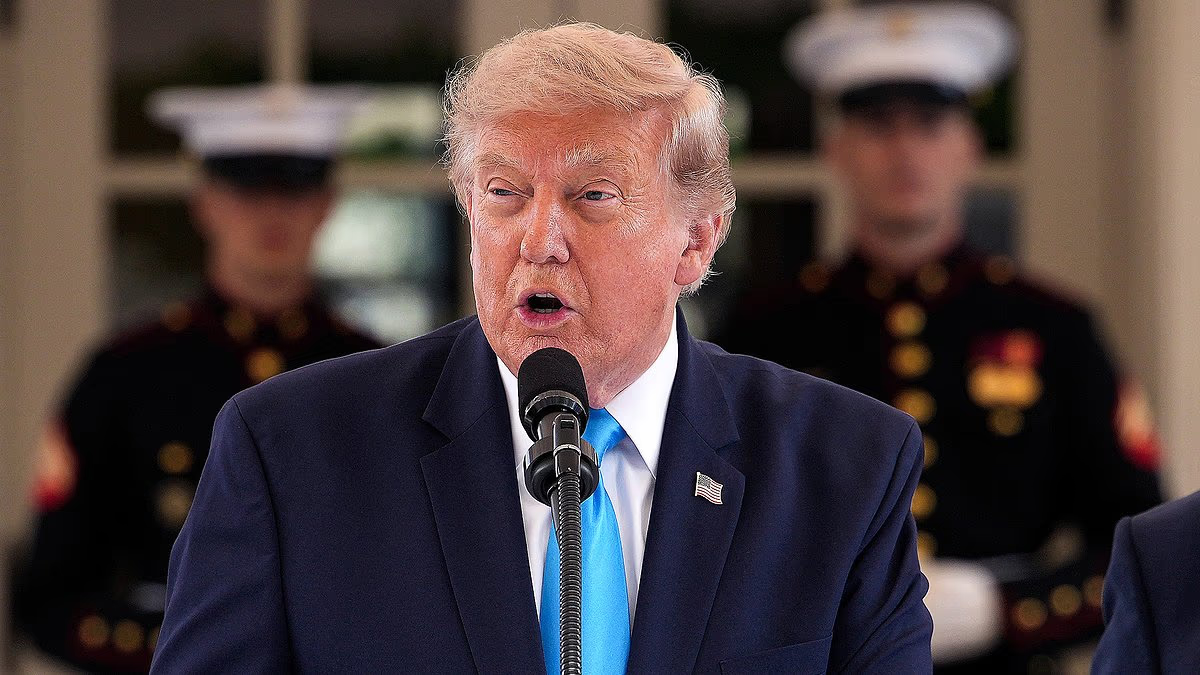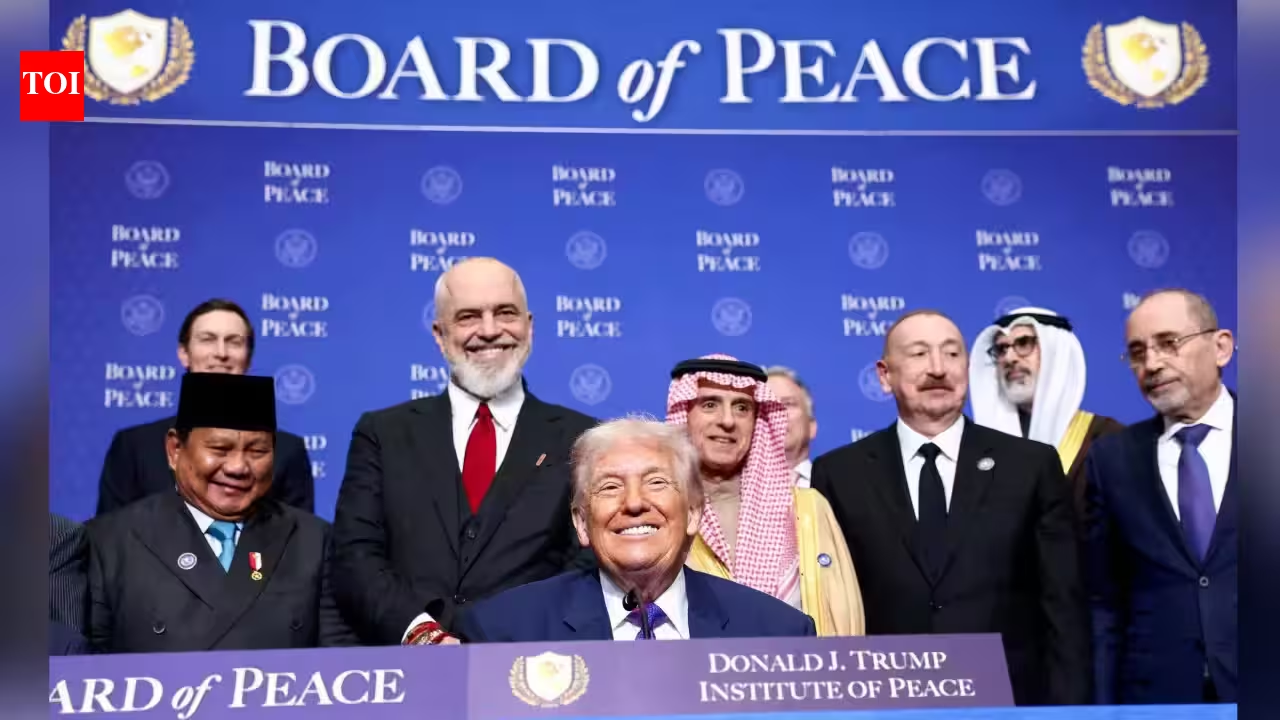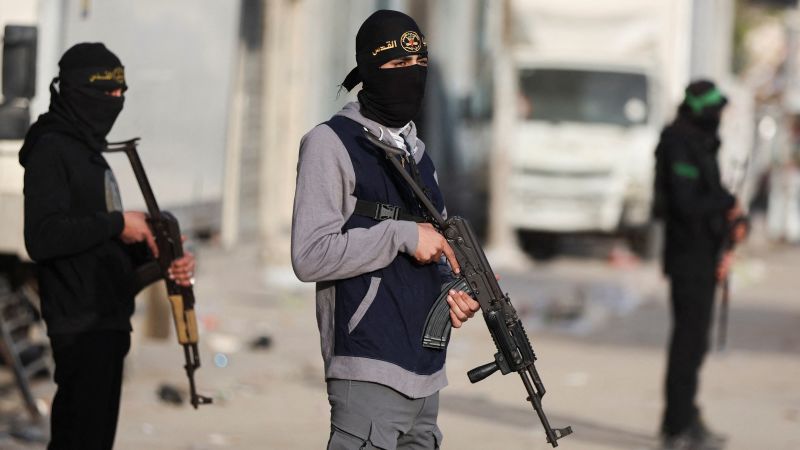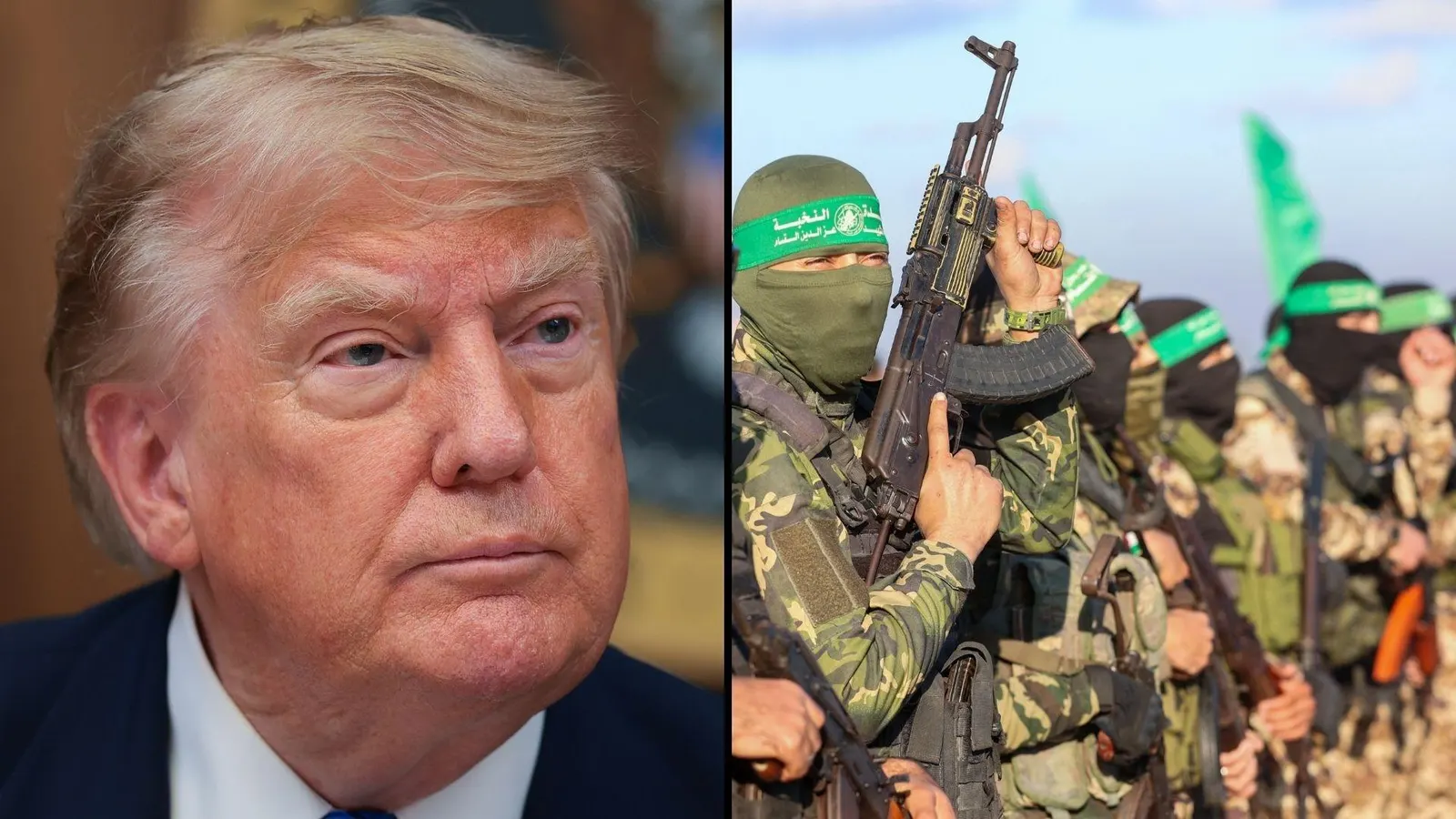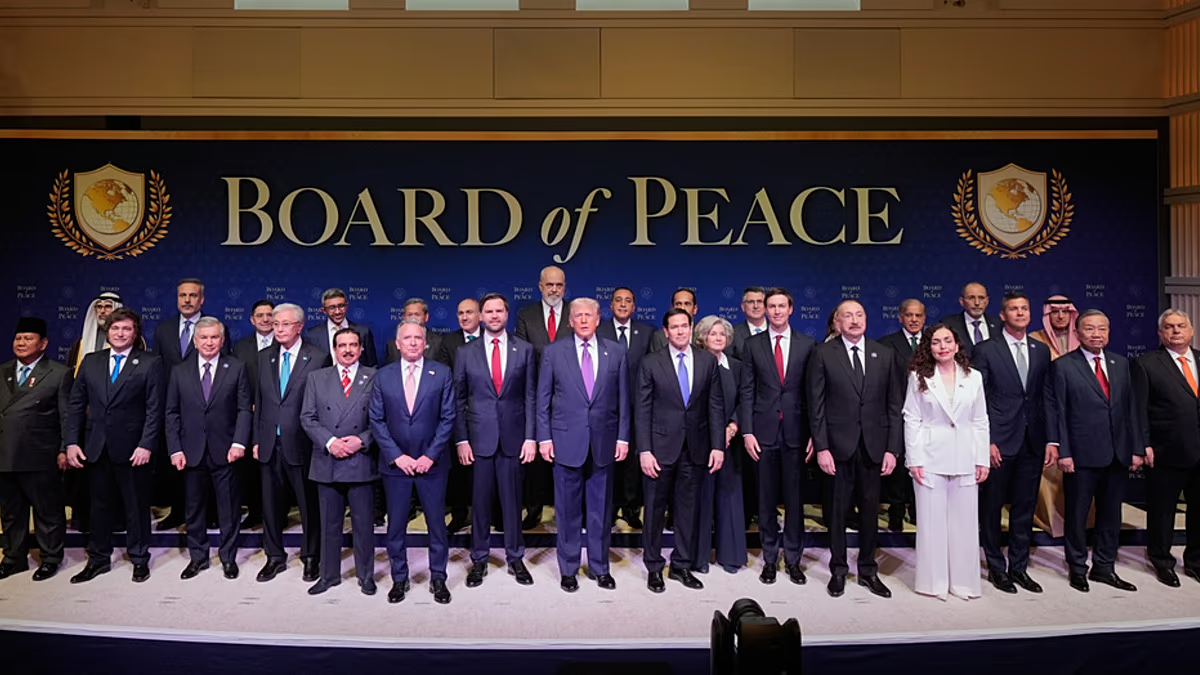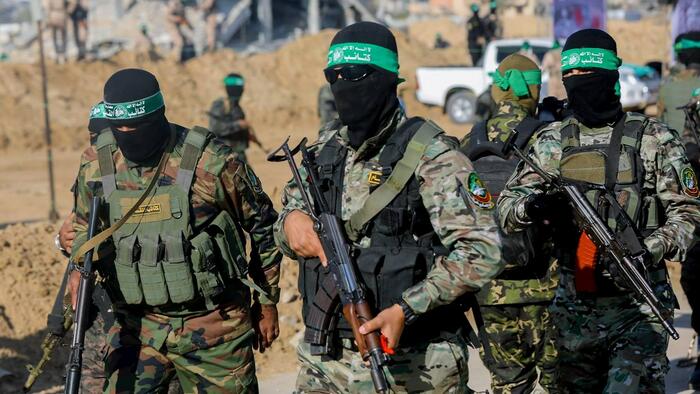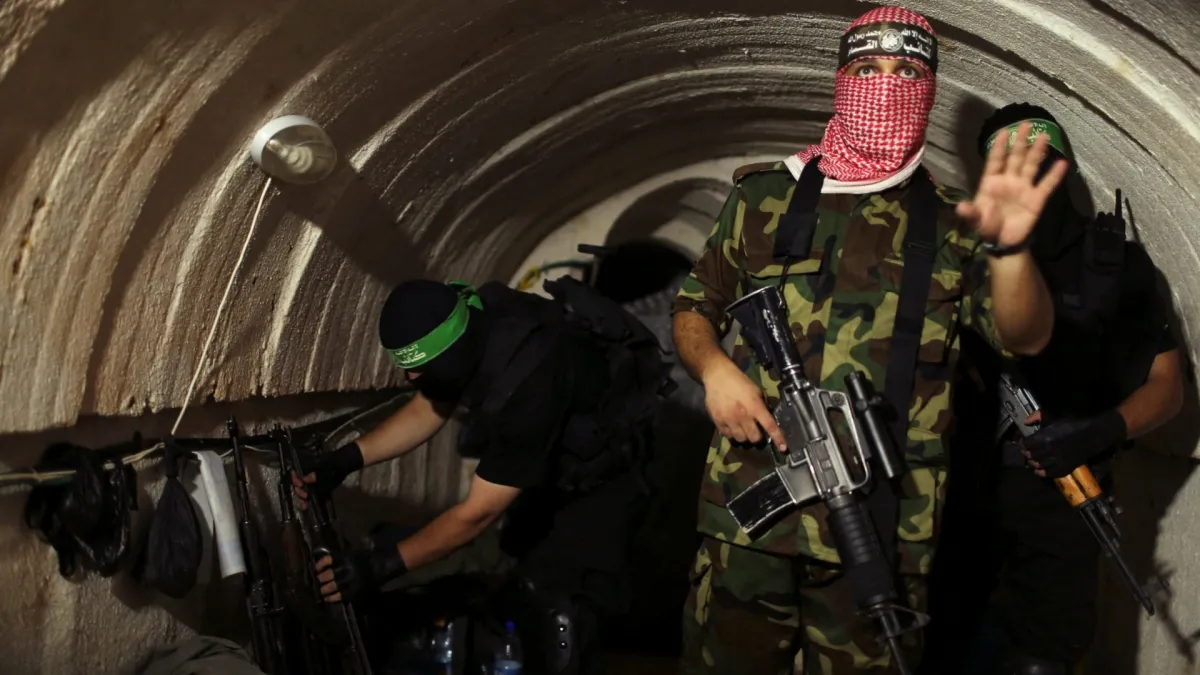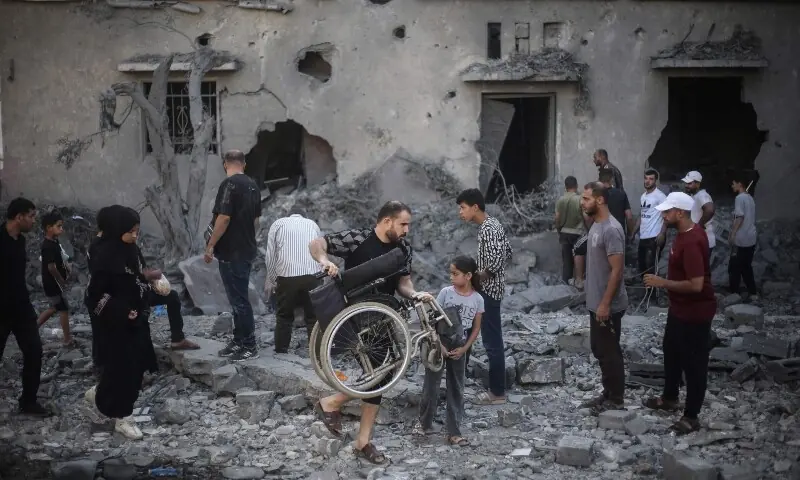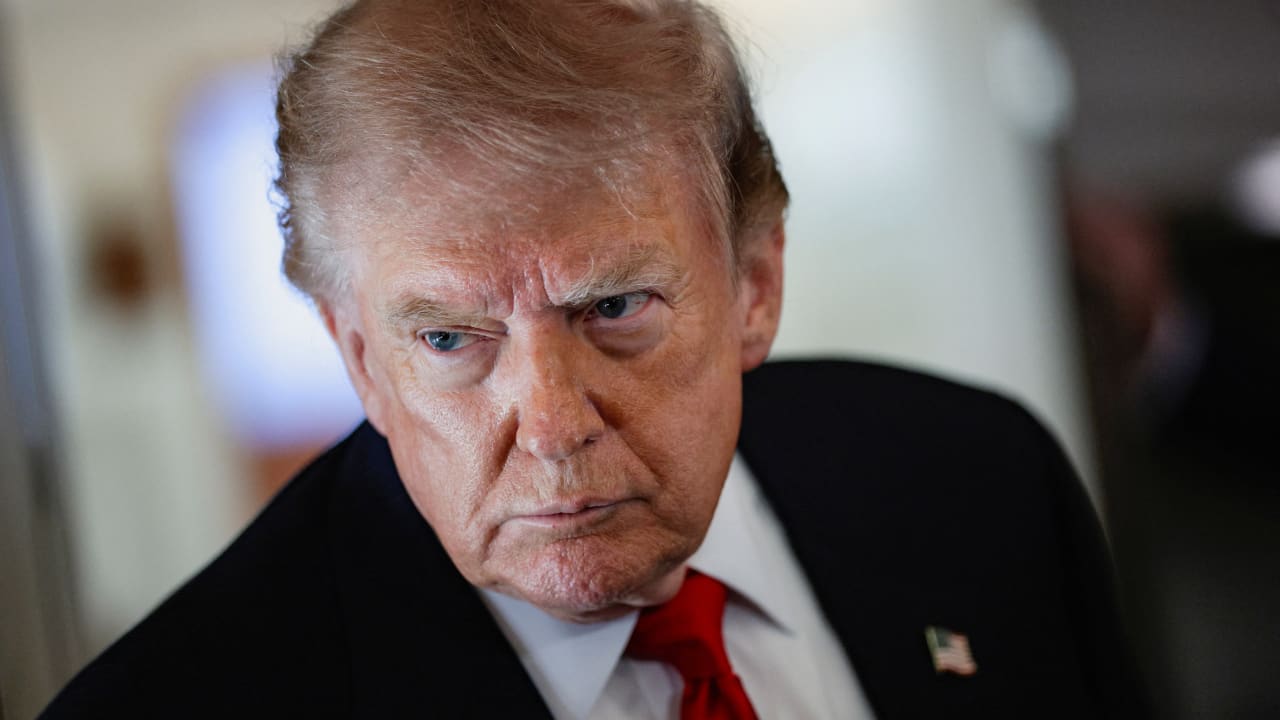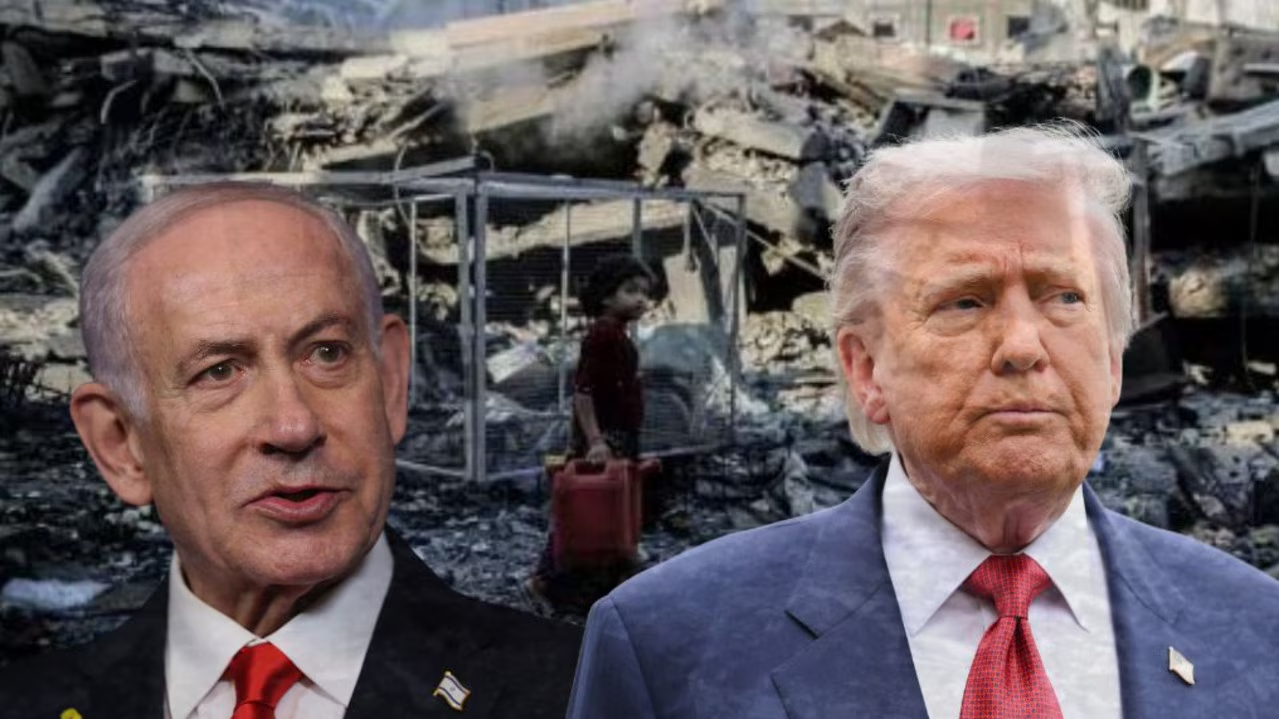
For President Donald Trump, it’s another great deal – done and dusted.“Today, the Board of Peace reached a HISTORIC agreement for the COMPLETE DISARMAMENT of Hamas and all other armed groups in Gaza. This is a monumental step toward lasting PEACE and SECURITY,” he proclaimed on Friday morning.But not everybody was as enthusiastic.Israeli Prime Minister Benjamin Netanyahu is yet to publicly react – despite visiting the US President hours earlier. But his office has told several media outlets “that there will be no withdrawal whatsoever … unless Hamas undergoes a genuine disarmament”.Hamas also expresses scepticism.“We will not begin any weapons-related steps until Israel implements these commitments. Frankly, if Israel does not implement them, we will not proceed,” senior negotiator Ghazi Hamad declared overnight.But at least they’re talking.President Trump’s Board of Peace, whose permanent members must pay a $US1 billion entry fee, has laid out a 15-point process for ending almost three years of fighting.The implementation plan remains a work in progress.But it’s an important first step.The Board of Peace wants a National Committee for the Administration of Gaza (NCAG), with officials appointed by President Trump, to take control of Gaza. It’s currently based in Egypt.It wants an International Stabilisation Force (ISF) to create a Palestinian refuge and security screening centre in the Gaza city of Rafah. But only a few hundred of the soldiers promised by Kosovo, Albania, Kazakhstan, Morocco and Uganda have arrived in Israel.“[It] clearly would be historic, incredible, if in fact the process of implementation works,” says Carnegie Endowment for International Peace analyst Aaron David Miller.“But like most things in Israeli-Palestinian negotiations and politics, there are really only two speeds, slow and slower.”And cracks have already begun to emerge.Prime Minister Netanyahu’s office immediately indicated that the proposal did not meet Israel’s requirement for full demilitarisation.President Trump was displeased.“We just need them to keep to the original agreement that got their hostages home and ended the war,” a White House spokesman insisted overnight.“If they don’t, President Trump would be very, very disappointed.“With all of the different issues they have going on right now, this is not something they want to escalate as an issue right now.”Peace. In timeBoard of Peace Gaza envoy Nickolay Mladenov posted to social media overnight, saying the deal “took months of very difficult negotiations”.“What happens next matters even more. Implementation and verification have to be real,” he conceded.President Trump brokered a 20-point Gaza ceasefire deal between Israel and Hamas in October 2025. But the fighting never stopped.Some 1180 Palestinians have been killed and 3800 injured since then. Israel says it has lost five soldiers over the same period. It has not released figures on the number injured.This failure does not bode well for the Board of Peace’s new proposal.“At the moment, colour me sceptical,” says Miller. “We’ll see in days and weeks ahead. Within 14 days, according to the mediators, work on this will begin, perhaps even the beginnings of some progress. But it’s going to be a heavy, heavy lift.”President Trump has appointed a National Committee for the Administration of Gaza (NCAG) to oversee the day-to-day governance of Gaza and guide it along the path to peace.Hamas has accepted this.Senior negotiator Hamad says it is willing to make “concessions for the sake of our people in the Gaza Strip”. “Israel will not intervene in the issue of disarmament. The National Committee is the body that will undertake this task,” he qualified.“An agreement has been reached regarding the issue of weapons,” he adds, qualifying that this was dependent on “a gradual withdrawal of the Israeli Defence Force”.This represents a significant shift.“If Hamas does agree to a complete disarmament, this would be an enormous concession by the movement in its nearly 40-year resistance to Israel’s occupation of the West Bank, Gaza Strip and East Jerusalem,” says University of Sydney international relations academic Martin Kear.“Many view its continued armed resistance to Israel’s occupation as either advancing efforts to achieve statehood or inhibiting Israel’s efforts to make its occupation permanent.”But Israel has not reacted with enthusiasm.It has objected to Qatar and Turkey’s inclusion on the Gaza Executive Board. “They’ve been essential partners along with Egypt in helping keep this ceasefire together,” the White House responded in a press briefing overnight.“Israel has its own craziness with their politics, and Palestinian aspirations are important. But we’re trying to put that to the side and constantly push forward.”Divergent realitiesIsrael’s opposition leader, Gadi Eisenkot, has accused Prime Minister Netanyahu of hiding participation in Board of Peace negotiations from the public.He insists it “raises serious questions as to whether Israel is a partner to it, or whether, once again, an agreement is being imposed on Israel without its involvement.”There are also rumblings within the government coalition.Israel’s National Security Minister Itamar Ben Gvir is unimpressed. He declared the deal “unacceptable”, adding it is “tantamount to agreeing to Hamas organising for the next massacre”.Minister Gvir is a central figure in the loose coalition of parties keeping President Netanyahu in office. That balance of power will be tested in Israel’s October national elections.And the deal appears to directly conflict with a proposal put forward by Israel’s defence and finance ministers that three “nahal” outposts (fortified settlements) be established within the Gaza Strip itself.For his part, Prime Minister Netanyahu has yet to confirm that the deal was discussed behind closed doors during his visit to the Oval Office earlier this week, despite President Trump announcing it just hours later.But his Cabinet agreed last weekend to allow 200 troops from Morocco and Uganda to enter Rafa.And a spokesman from his office stressed, hours before Mr Trump’s announcement, that Israel would refuse to withdraw from its “Yellow Line” occupation zone until the “complete disarmament” of Hamas had been verified.Hamas envoy to Iran, Khaled Qaddoumi, has also diverged from his organisation’s official line. He told state-controlled media that “the Palestinian resistance will never relinquish its weapons”, adding “the issue must not be included in any negotiations with the Israeli regime”.Iran also quotes Palestinian Islamic Jihad (PIJ) representative Ali Abu Shaheen as saying reports of an agreement having been reached with Israel were “not accurate”.The White House dismissed the contradictions.“Iran would have liked Hamas not to do the deal but … Iran abandoned Hamas a while ago,” the White House official stated. “They can’t afford to keep them going, and I think the Hamas guys realise that they have to do what’s best for themselves and for the people.”For Israel and Hamas, the proof will be in the pudding.“Hamas will not implement any step of the Gaza peace deal if the Israeli occupation forces do not fulfil their obligations under the agreement,” insists Hamas negotiator Hamad.Little faith“My concern is this has all the markings of the Iran-US memorandum of understanding, which has turned more into a memorandum of misunderstanding,” Carnegie’s Mr Miller asserts.“It would be terrific if this works. I just wonder if Hamas and the current government in Israel are invested in this and want to make it work.”It comes down to trust.Trust in Hamas. Trust in Israel. Trust in President Trump as President-for-life of the Board of Peace. Trust in President Trump’s “technocratic” National Committee for Administration of Gaza appointees.“So it’s going to take President Trump an enormous amount of work, and his mediators,” Mr Miller adds. “Presumably, he would delegate, I guess, his son-in-law and his best friend, Steve Witkoff, to handle this.”Hamas may have ulterior motives.“Agreeing to disarm and give up its administrative responsibilities in Gaza could very well be a strategic move on the part of Hamas,” explains Mr Kear. “It could enable the group to recover organisationally from the severe battering it took from Israel, while still retaining its resistance agenda among the broader Palestinian population.”Israel risks international backlash if it kills the deal.“This is an international plan. We may not succeed, but we should not be the ones to destroy it,” says Foreign Minister Gideon Sa’ar.But some of his companion cabinet members have their own agendas.“I was also against the ‘20-point plan’ from the beginning,” insists Minister of National Security Ben-Gvir. “The solution in Gaza is to encourage migration.”The White House, however, is putting a confident face on the deal.“Israel didn’t believe we’d get the deal done to get the hostages out. They didn’t believe we’d get the bodies out. They’re very sceptical that Hamas will disarm … But Hamas did make a deal,” its spokesman said overnight.“Hamas did come through by getting the bodies out and the hostages, so our intention is to hold Israel to its commitments as well and make sure we can be a fair broker.”Read related topics:Donald Trump
Cracks emerge in Donald Trump’s big ‘historic’ peace plan for Gaza
For President Donald Trump, it’s another great deal – done and dusted.
1,430 words~7 min read