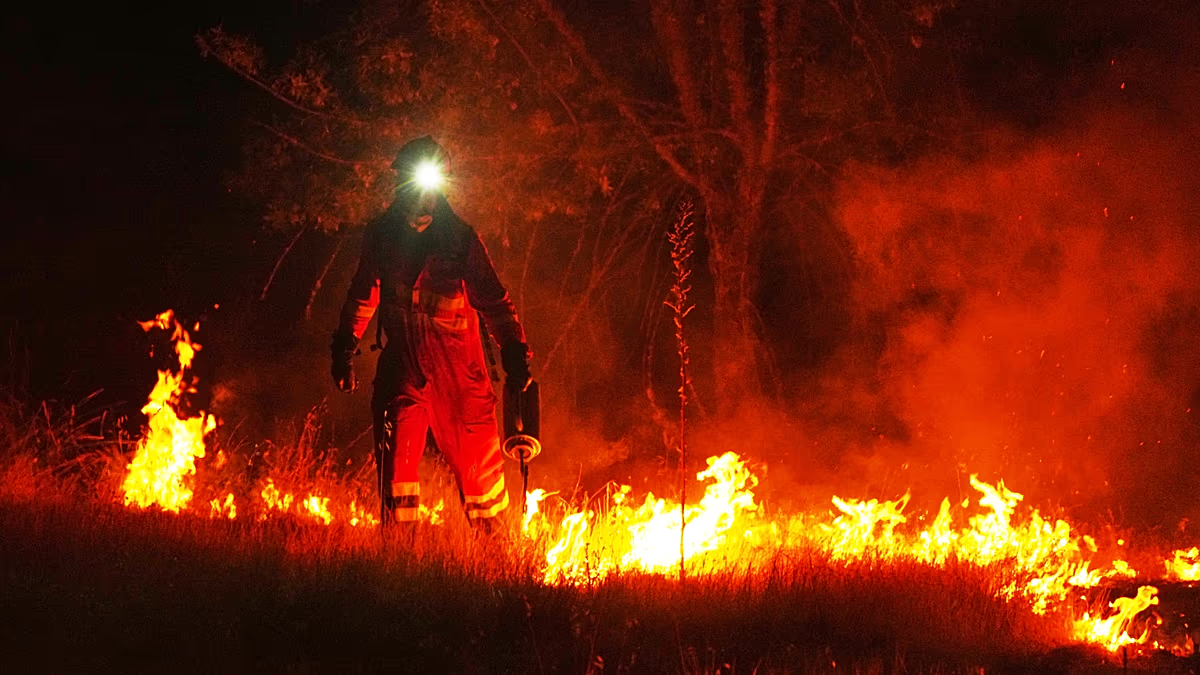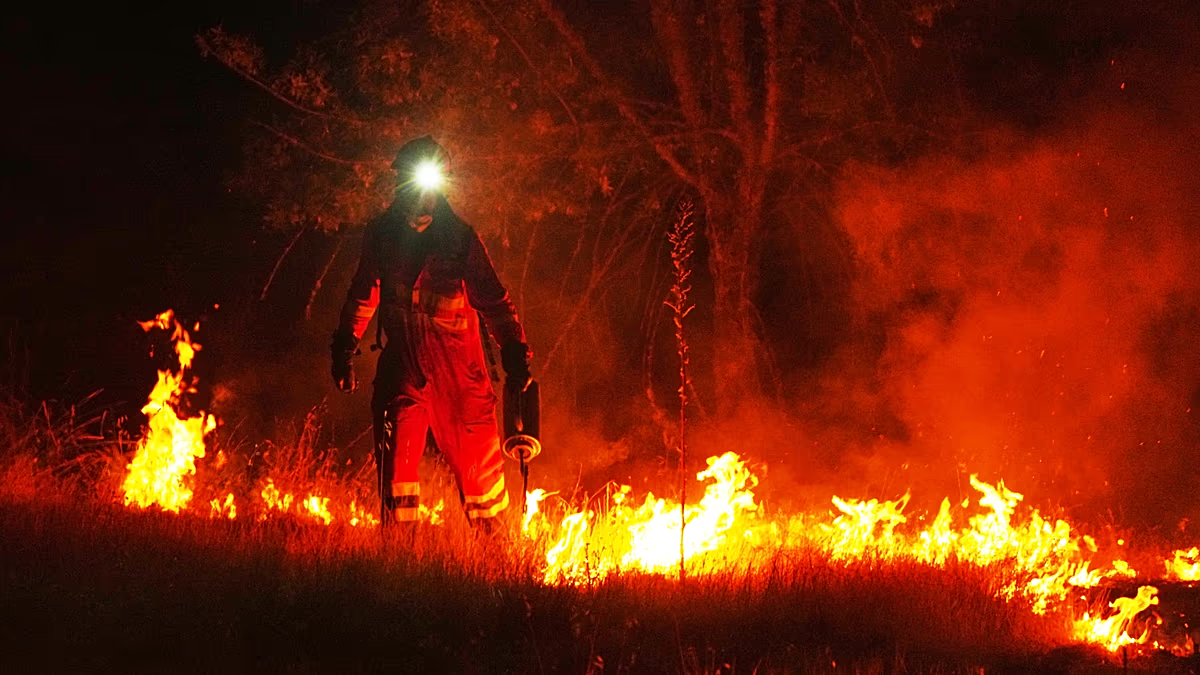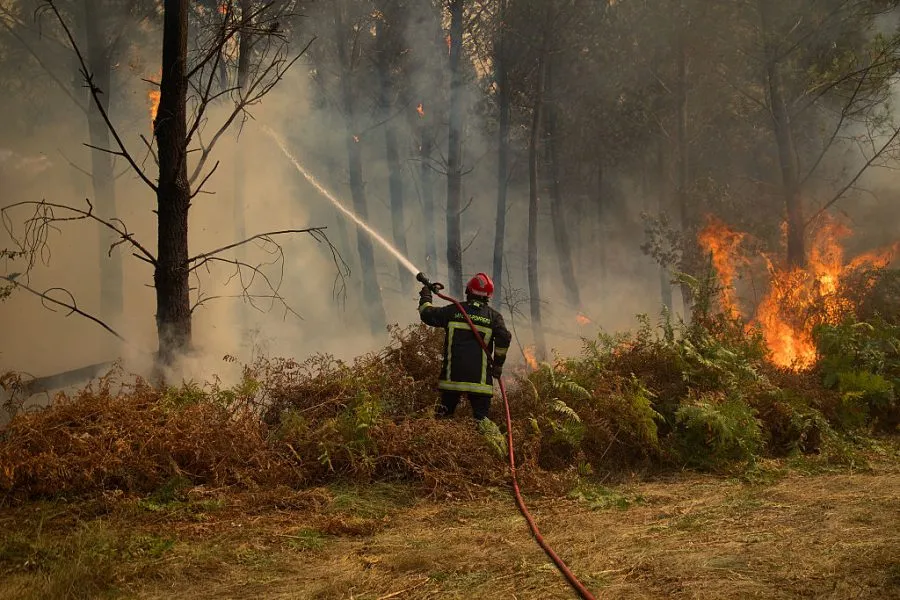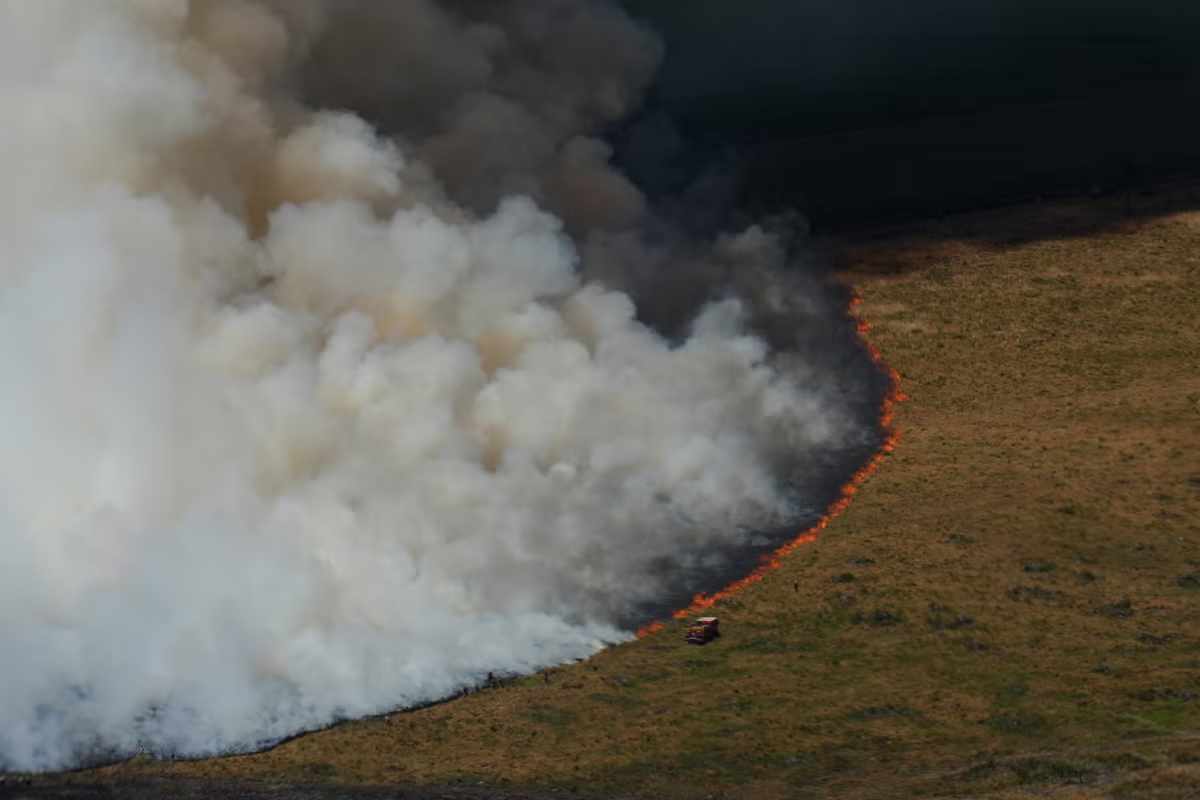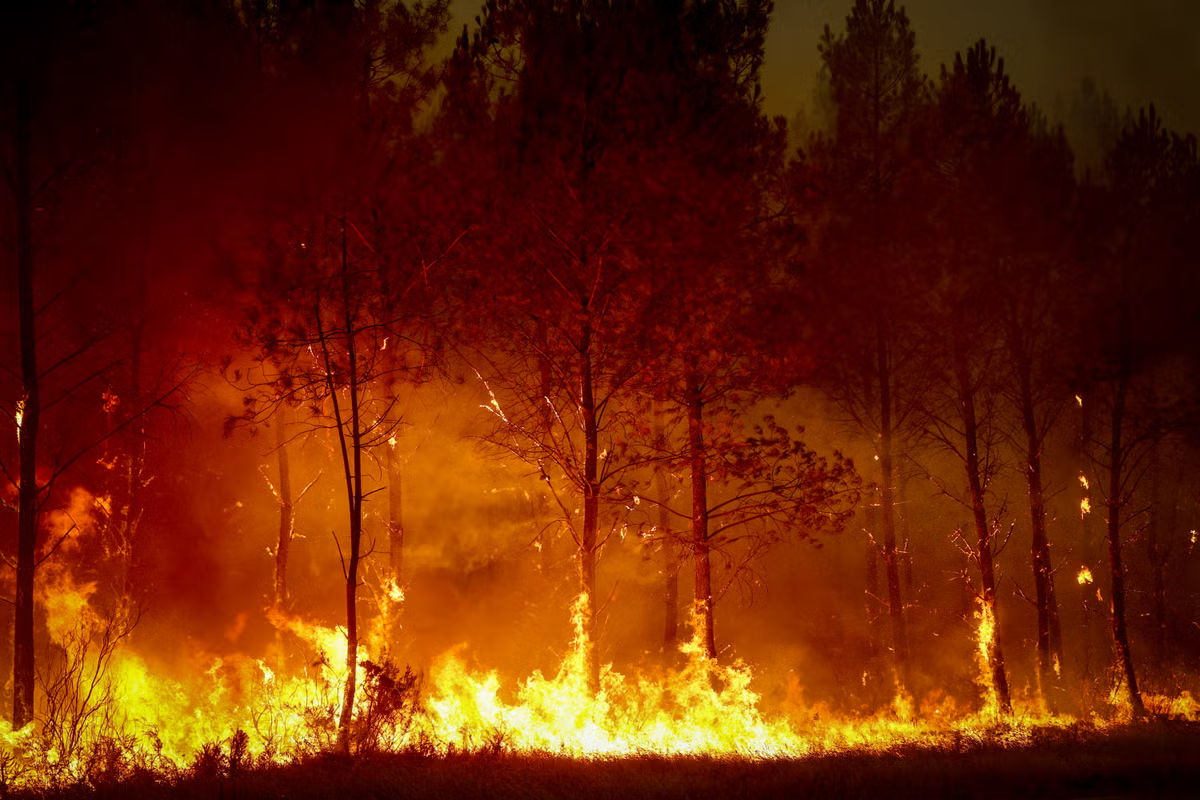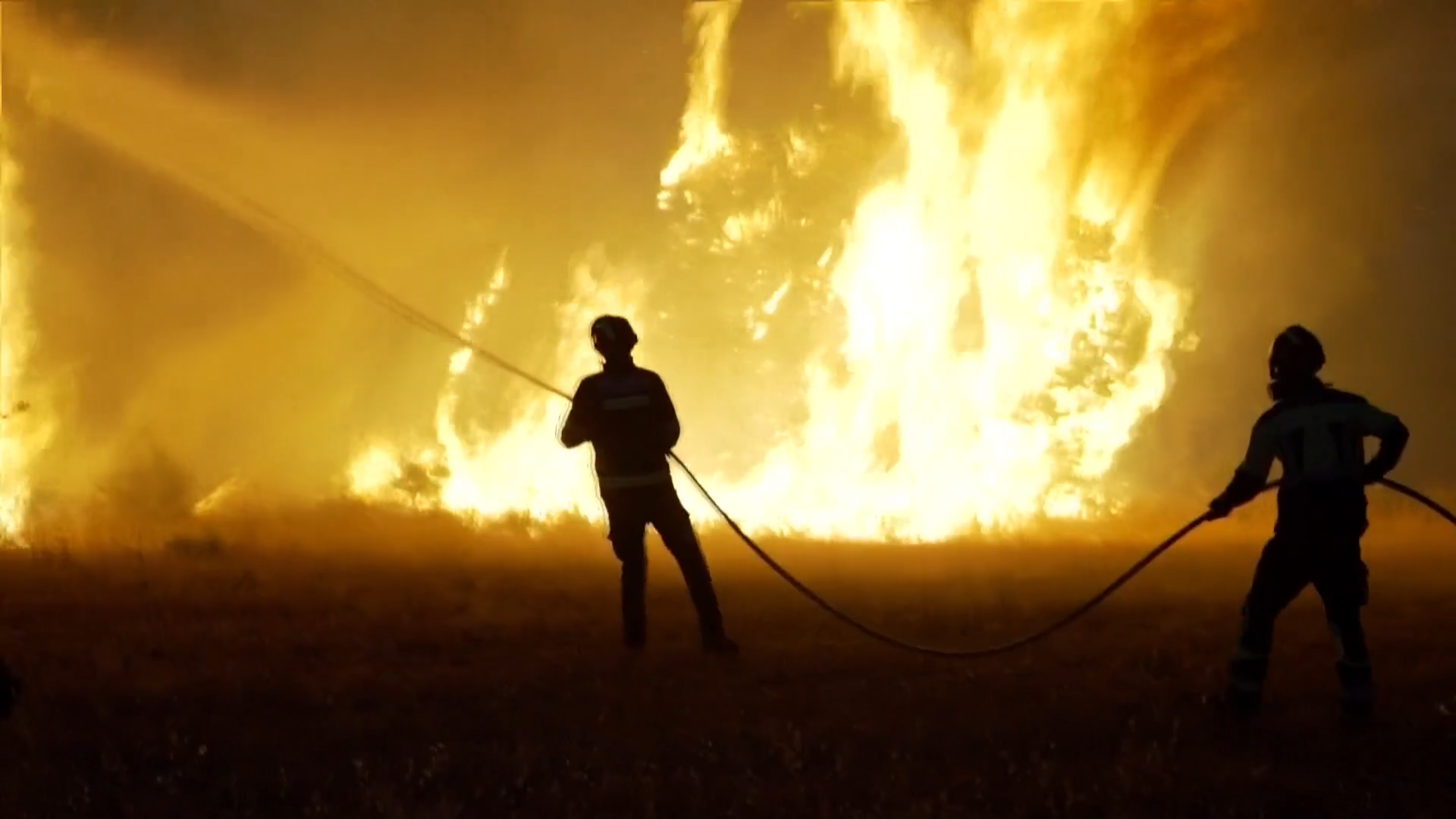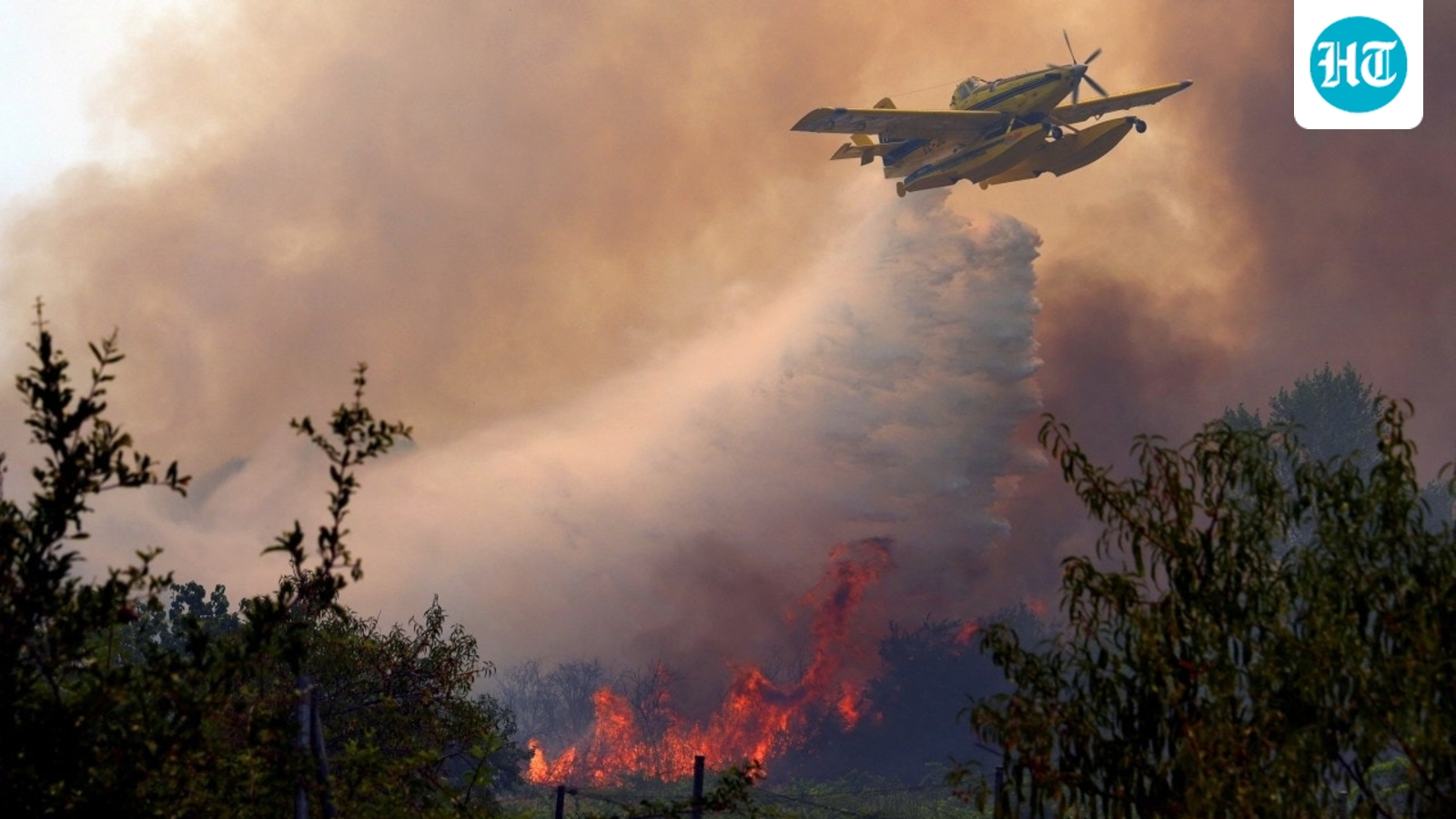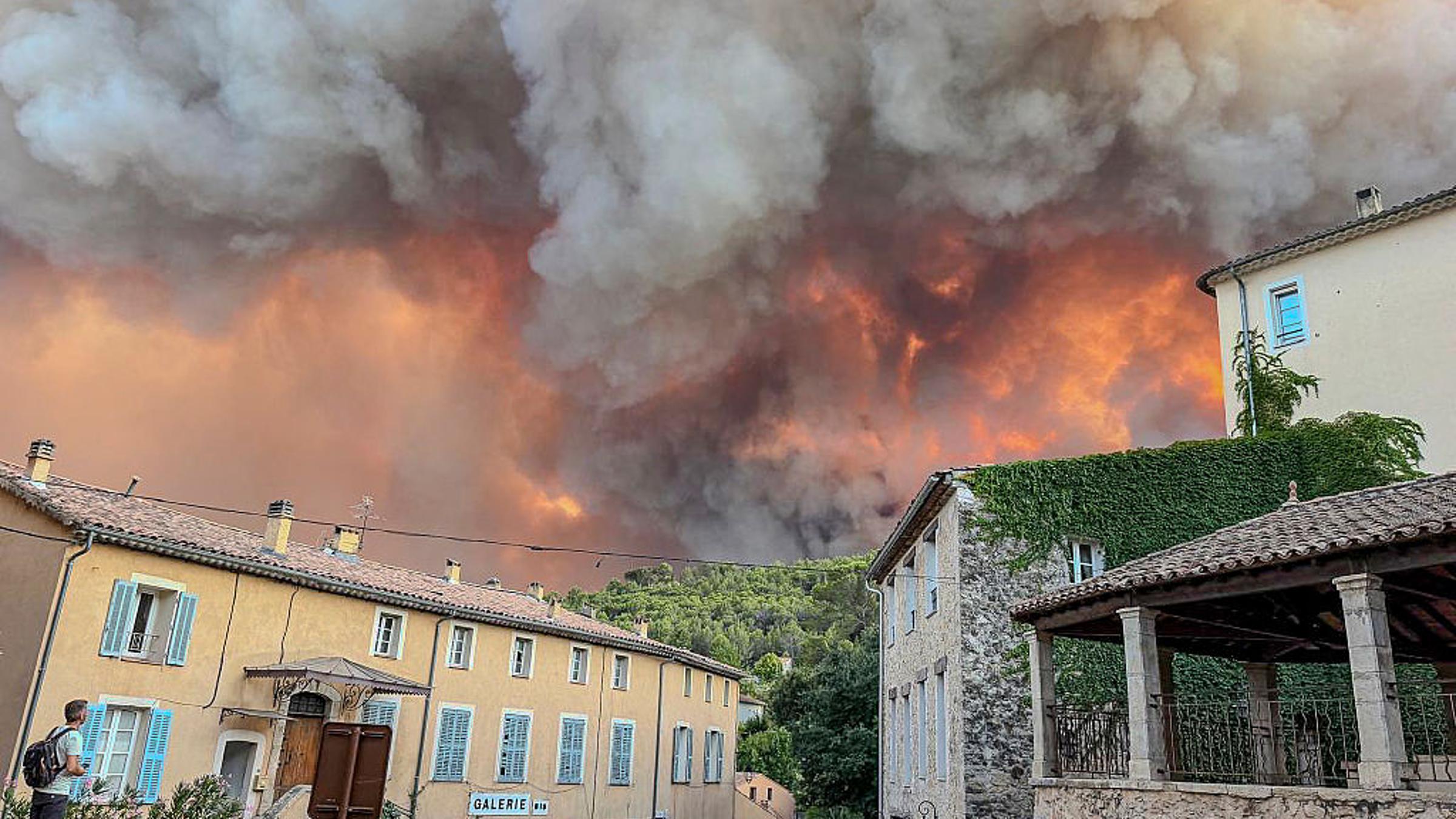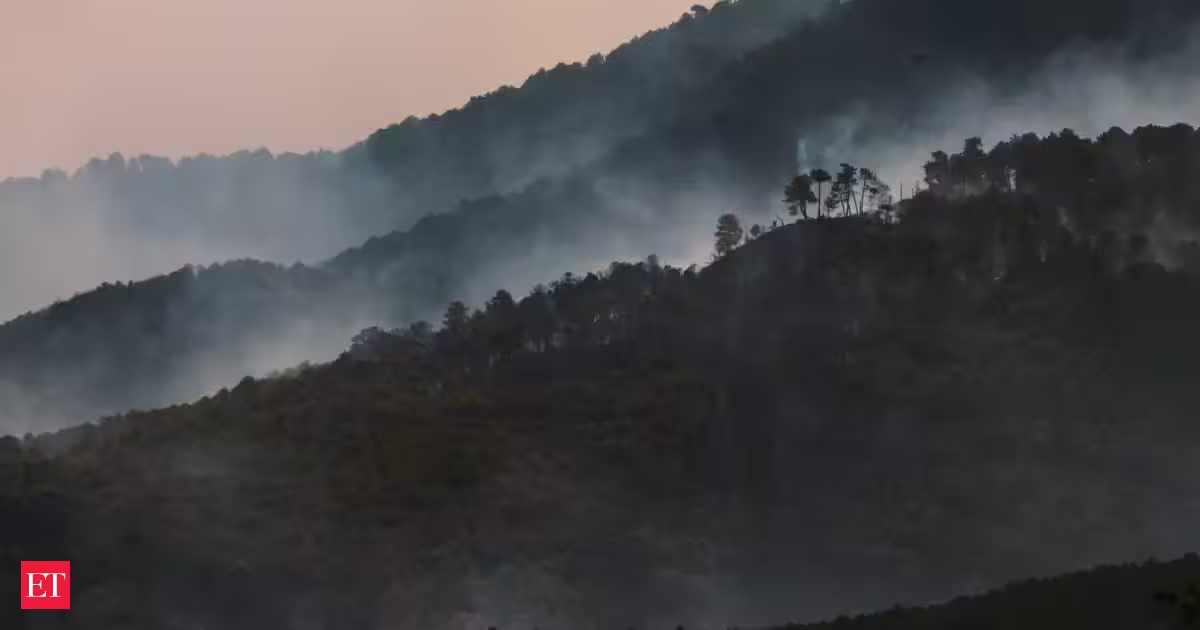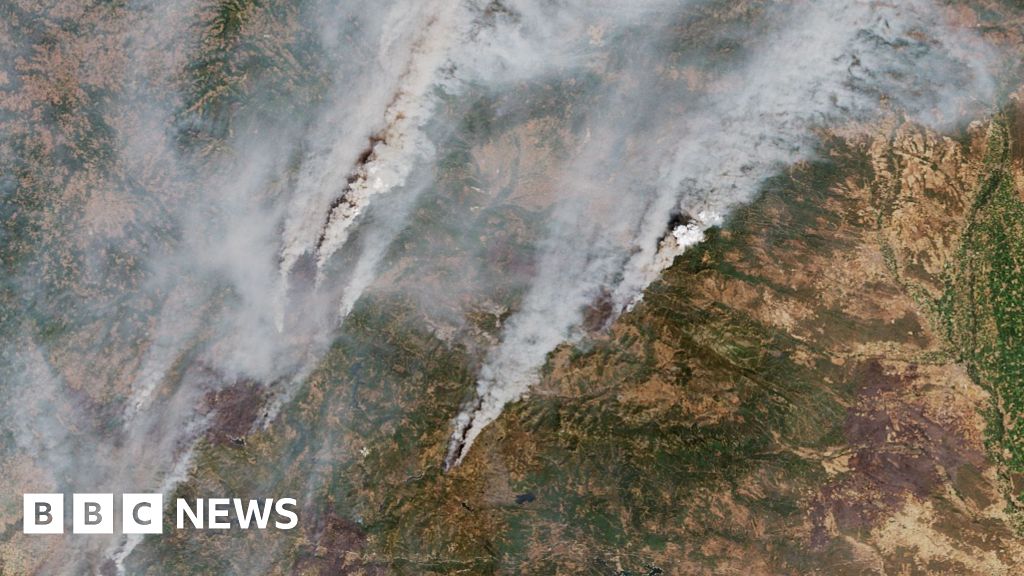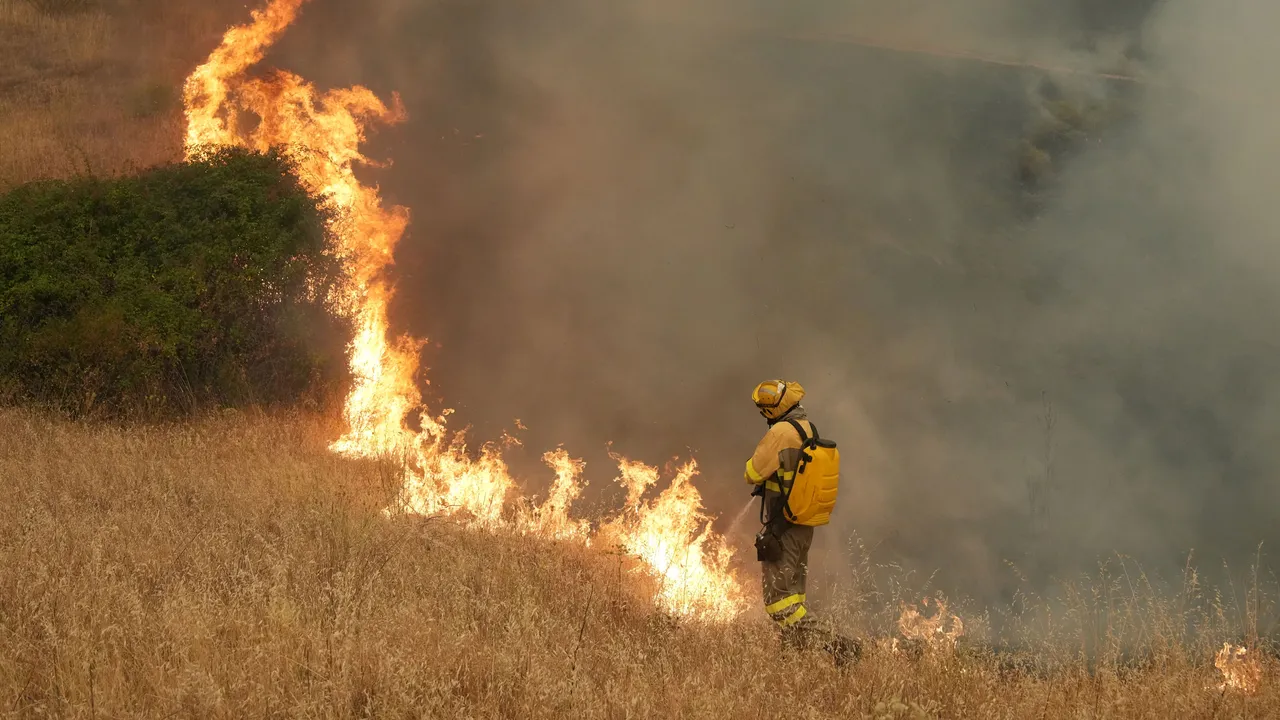
On July 15th, a wildfire broke out near the small town of Orés, Spain, in the northern province of Zaragoza. Propelled by strong winds and low humidity, the flames quickly spread over foothills and through canyons. By the next day, as the fire ballooned to more than eleven thousand acres, five towns in its path had to be evacuated. For José Luis Duce Aragüés, a wildland firefighter whose family is from Zaragoza, news of the fire felt personal. As a teen-ager, he’d spent summers exploring the same mountains that were now burning.Just two days later, Aragüés, who is based in California but travels internationally to help communities manage fire risk, learned about another blaze. This one, in the nearby Guadalajara province of Spain, was close to where members of his family live today. He’d begun his fire career in Guadalajara, working summers in the small town of Cogolludo. “Everything started for me there,” Aragüés told me. “I started my suppression career there—my first hand crew, first engine crew. I know those mountains, those forests, those trails.” The La Mierla fire, as it came to be known, grew to more than eighty thousand acres. Many of his friends and family in the area either evacuated or worked to combat the flames. His uncle, a retired wildland firefighter, used his heavy machinery to build a firebreak around his farm, and then drove it to a nearby village to offer aid. The size and ferocity of the La Mierla fire disturbed Aragüés, yet the situation was about to get worse. “I couldn’t believe that, when that fire was being controlled, this other fire happened,” he said.On July 22nd, sparks from a piece of heavy machinery ignited a fire near the town of Burgohondo, in Ávila province. Aragüés had worked in that area, too, for Spain’s Brigadas de Refuerzo en Incendios Forestales—the national firefighting force—and for a fire-prevention team under the country’s Ministry of Environment. This time, the flames spread and merged with a fire that was already burning nearby, in the mountains southwest of Madrid. The conflagrations ultimately crossed into Toledo province and grew into the Burgohondo fire complex—the largest wildfire in Spain’s recorded history, covering more than a hundred and thirty-five thousand acres. One scientist estimated that the complex has released the energy of twenty-three atomic bombs. Aragüés learned that one of his former crewmates, who was defending a friend’s house, lost his own home when the fire travelled down a slope next to him. Another friend, also a firefighter, sent him a text from near the fire: “José, everything we learned, everything we knew, everything that we have been learning for 25 years, means nothing.”Already this year, more than two hundred thousand hectares have burned in Spain, a figure that is twice than the historical average. France is dealing with a similarly extraordinary fire season. A conflagration west of Bordeaux, described as four times the size of Paris, prompted the largest peacetime evacuation in the country’s history: two hundred and twenty thousand people. Meanwhile, English firefighters have struggled to contain the Tintwistle Moor fire, which is thought to be one of the largest in the country’s recent history. Even as meteorologists warned that a “monstrous, long-lasting” heat wave—Europe’s fourth of the year—was approaching, other fires burned as far north as Sweden and as far south as Crete.The terrifying news cycle prompted me to open Instagram on a recent evening. Perhaps because I am a qualified wildland firefighter myself, I was quickly blasted with scenes of the fires. I saw horses running for their lives through ghostly, smoke-filled streets; drone footage of charred earth and the husks of homes; and flames engulfing forests as sirens wailed in the distance. Many montages were accompanied by heart-wrenching soundtracks. After an hour of mainlining imagery of infernos, I felt like reality itself had gone up in flames. One scene, of a burning forest under an orange sky, was overlaid with a single word: “L’Apocalypse.” I felt that special sense of doom that descends when humanity is pummelled with disasters.In “Everything Must Go: The Stories We Tell About the End of the World,” the critic and journalist Dorian Lynskey points out that defeatism is unhelpful, and should not be mistaken for moral seriousness. “The evolutionary purpose of fear is to jolt one into an act of self-preservation,” Lynskey writes, “but one cannot live in a constant state of psychic emergency. The higher the stakes, the less tenable fear is, and the more likely it is to breed dissociation or hopelessness.” He instead calls on readers to resist—“to live in the space between ‘Everything will be OK’ and ‘Everything is fucked,’ between denial and despair.’ ” Lynskey suggests that there might be some way to grasp the significance of events like the unprecedented wildfires in Europe without giving in to dread. For me, the only way to do this is to get curious about why these things are happening. Why are flames erupting in this particular way, in this particular moment in time? Why is Europe burning?When I put that question to Antonio J. Vera Mena, a Spanish wildland firefighter who has been working in Andalusia as a member of a helicopter-borne brigade, he described a matrix of factors. One of them is extreme heat. Another, paradoxically, was a recent period that was exceptionally wet, which nurtured thick grass in areas that were already overgrown. “We put all these ingredients in a cocktail shaker, and the result is massive fires that far exceed the extinguishing capacity of firefighting teams,” Mena said in an e-mail.In June, Stephen Pyne, a former wildland firefighter and an emeritus professor of history at Arizona State University, published his forty-sixth book, “Undying Fire: A Fire History of Europe.” When I called him, he posed me one of his central questions about megafires: “Why is it that countries that we think of as modernized—those that have money, science, technology—are the ones that are being clobbered?” Climate change is, of course, part of the story. “Fossil fuels give you power,” Pyne told me, but burning them “disrupts the climate in ways that make fires more powerful.” Extreme fire weather, exceptionally dry, windy, and often warm conditions, is on the rise globally. That said, climate change is happening everywhere—and, in Pyne’s account, only some areas are experiencing worsening fires. This is one of the mysteries he’s interested in.Pyne argues that Mediterranean Europe, much like California, is naturally predisposed to burn because of an annual cycle of wetting and drying. He writes in “Undying Fire” that, for eons, Europeans used fire to cultivate pastures, farms, woodlands, gardens, and orchards; burning liberated nutrients, cleared space, and promoted desired plants. He calls this practice “pyric horticulture.” And many modern Europeans understand themselves as part of this history. A researcher examining attitudes about wildfire policy once interviewed a resident of the Occitanie region of southern France, which borders Spain. “We often forget that we are in a region, regardless of climate change, which experiences hot and dry summers, with fires which are very, very predominantly of anthropogenic origin,” the resident said. “And it doesn’t come from today, it comes from the time of the Romans and the Greeks.”By creating mosaic landscapes of interlocking fields, pastures, and orchards, Europeans broke up and thinned out trees and brush, making devastating fires less likely. But, in recent generations, Europe’s rural landscapes have rapidly transformed. Agriculture has industrialized and scaled up; fast-growing tree plantations have spread. Some of the most dramatic footage on social media appears to show the blackened remains of plantation forests: row after row of trees, spaced as evenly as Iowa corn, charred by fire.The planting of trees is often celebrated, but the details matter. Pyne argues that Europe’s “broken-up biomes” have been “transfigured into monocultures of biomass fuel.” In Spain alone, some four million hectares have been afforested—establishing forest where, historically, there was none—since the nineteen-forties, mostly with flammable species like pine and eucalyptus. Between 1990 and 2015, the portion of Europe that was wooded increased by ninety thousand square kilometres—an area around the size of Portugal. The European Union has committed to planting three billion trees by 2030, in an effort to capture and store carbon. This movement has ecological and social consequences, and flammability is one of them.The most important way that European landscapes are changing is that unprecedented numbers of people are leaving rural areas, a phenomenon that has accelerated in the last fifty years. “Families leave the forests for the cities,” Mena, the firefighter in southern Spain, said. Jobs are scarce in rural areas, he added, and the government doesn’t value the natural resources found there. Since the nineties alone, nearly three hundred million acres of agricultural land across Europe have been abandoned. The trend is most pronounced in Mediterranean, Scandinavian, and Baltic countries, and it has several knock-on effects. Landscapes become more homogeneous, and vegetation gives way to shrubland. As traditional farming wanes, biodiversity tends to decrease—and wildfires tend to intensify. “The problem is that the fuel load has grown significantly over recent decades, mainly as a result of the exodus from rural areas,” Jesús Santiago Notario del Pino, a Spanish soil scientist and agricultural chemist, recently told the Spanish Science Media Center. “Something like this cannot be easily resolved in the short term.”In the coming years, climate change and globalization are predicted to be the biggest drivers of continued land abandonment. Another risk factor, ironically, is rewilding—a conservation approach that aims to restore ecosystems to good health by reducing human interference. The long-term impacts of rewilding have not been well studied, and some scholars worry about it. A recent paper in the journal Ambio pointed out that, if a landscape has already been shaped by humans, an ideal of “wilderness” doesn’t necessarily make sense there. “Several ecosystems of high biodiversity value, often misclassified as ‘pristine,’ have been shaped over millennia of human use, a context rarely acknowledged by re-wilding approaches,” the paper argued. When it comes to fire management, the problem is that rewilding and land abandonment often resemble one another—shrubs encroach on open areas and forests grow denser. (In Ireland, more than half of land affected by wildfires over the past decade overlapped with Natura 2000 sites—protected nature areas created by the E.U.)“Rewilding is seen by many people in a romantic way,” Alexander Held, a senior expert in fire management at the European Forest Institute, told me. Recent E.U. legislation mandates that twenty per cent of degraded land and sea areas be restored to a natural state by 2030, and that all ecosystems in need of repair be restored by 2050. Rewilding is a primary tool in this effort; some three hundred million acres in Europe have been identified as potential rewilding sites. But, if land is truly allowed to return to wilderness, a natural cycle of burning will also return—one that modern society may not be willing to tolerate.Held favors an alternative model of forest conservation known as the close-to-nature movement, or “Pro Silva,” which advocates for human management of landscapes with natural processes in mind. Pro Silva practitioners view forests as holistic systems. Any activities in the forest—timber extraction, hunting—should be kept in balance for the sake of the over-all system. He argued that areas managed in this way are unusually resilient against the effects of climate change, including drought, storms, and fire. “This is a model where we can go into the future and have sustainable timber production, economic value, and nature conservation and biodiversity,” he said.In Spain, there is a special term for land abandonment: la España vaciada. “It’s not only that they are empty but that they are being emptied,” Aragüés told me. Many of the places that have burned in the past two weeks fit this description. Orés, where about seventy people live, once had a population of many hundreds. The population of La Mierla has declined to just forty-four. Lands that are neither plantation nor agriculture, and that become overgrown through disuse, are known in Spain as monte. “Monte has more than doubled in the last fifty years,” Aragüés told me. “That is huge for a country like Spain. The abandonment is growing faster than we are able to manage the landscape.”In most developed countries, policies tend to prioritize fire suppression over fire prevention. This has been true in Spain since at least the nineties. According to researchers at Universidade de Santiago de Compostela, Spain spends an estimated 1.8 billion euros on fire management every year. Seventy-eight per cent goes to firefighting operations while twenty-two per cent goes to prevention. The emphasis on suppression, Aragüés said, may prevent residents of affected areas from feeling a sense of responsibility and ownership over fire prevention. “Now the local people, when they see a wildfire, they just expect helicopters and engines to solve that problem,” he said.I was surprised that in my reporting, experts from different backgrounds agreed about several things. They warned that countries need to involve local people in their fire-management strategies, and to balance suppression with prevention. They argued that communities could reduce wildfire risks by managing lands and not letting them go wild. One way for European countries to prevent fires is by supporting rural livelihoods and traditional practices such as grazing, farming, forestry, and the intentional setting of controlled fires. If people want to keep conflagrations in check, nature needs people. “What people need to realize is that this is a structural issue in society,” a Spanish fire professional told me. “We’ve turned our backs on the mountains, on nature—and cities have never been so affected by it ”In 2015, Aragüés left his job as a firefighter in Spain. Since then, he has worked in Indonesia, Ecuador, Chile, Portugal, and other countries with the aim of empowering local people to use fire as a land-management tool. Where controlled fires are set on purpose, uncontrolled fires are less likely to break out, and fire suppression can play a smaller role. “We cannot see another solution to this problem other than to develop local capacity in land and fire management,” he said. “We should learn from other places where we don’t have these strong suppression systems.”Aragüés has been shocked by the fires across Europe. He has been thinking about a memorial in the forest that he and some crewmates built in 2005, after a fellow-firefighter died in the line of duty. Now the area was ablaze; Aragüés found out not long ago that, sadly, the memorial had burned. Even so, the mood of our conversation was not apocalyptic, and we tried to resist denial or despair. He told me about finding some measure of hope in a text message that his uncle, the retired firefighter, had sent him: “Mother Nature is more resilient. I think it’s going to teach us, like always, that there are other ways.” ♦
Why Is Europe Burning?
“This is a structural issue in society,” a Spanish firefighter said, about worsening wildfires across Europe. “We’ve turned our backs on the mountains, on nature—and cities have never been so affected by it.”
2,472 words~11 min read