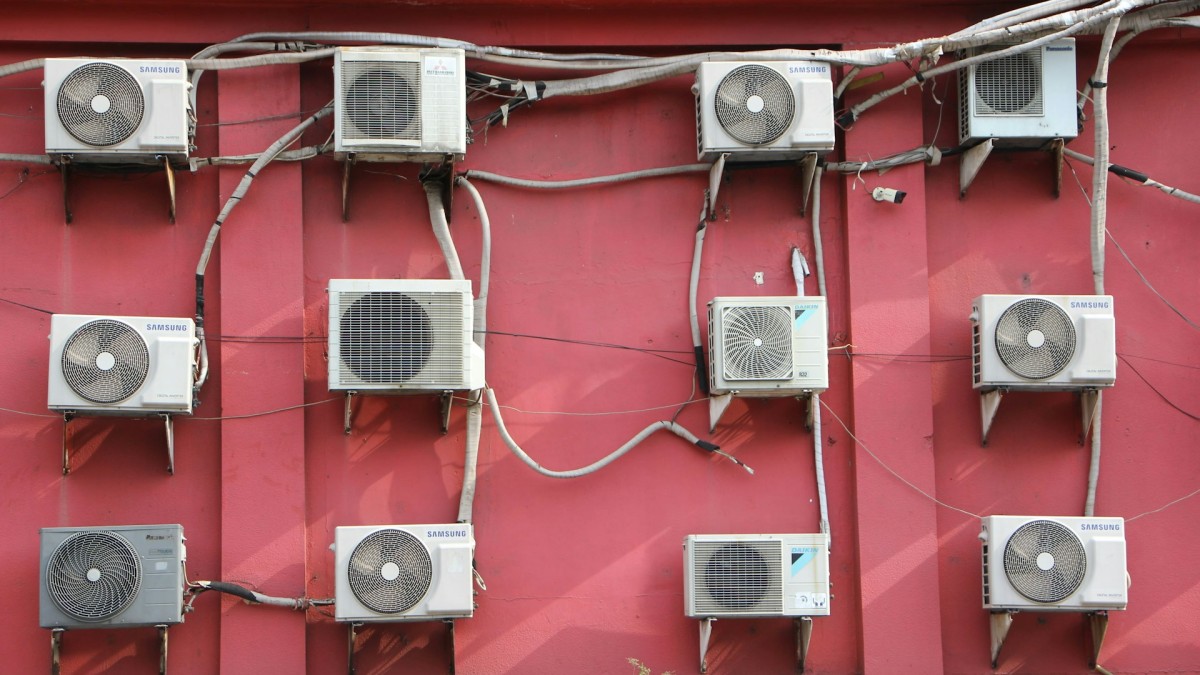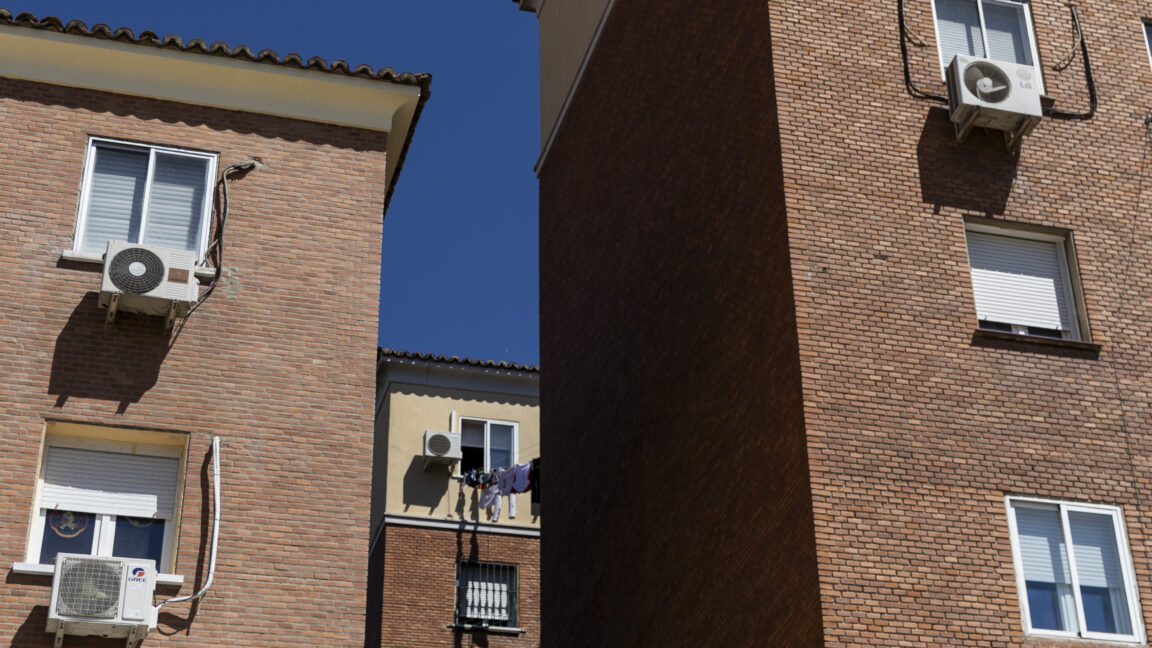
Power Shift is Ellyn Lapointe’s ongoing Gizmodo series that explores advancements in green technology, with a focus on renewable energy, grid modernization, and emissions reduction. As carbon emissions push Earth’s average temperature to new heights and usher in unprecedented heat waves, humanity’s reliance on air conditioning is growing. The trouble is, AC consumes massive amounts of energy and—due to the world’s continued reliance on fossil fuels—emits lots of carbon. Overcoming this feedback loop presents a significant engineering challenge that is becoming increasingly urgent as the world warms. Enter passive cooling: non-mechanical approaches to lowering indoor temperatures. This certainly isn’t a new concept. Passive cooling relies on architectural techniques used for centuries in hotter regions, though scientists are advancing these methods with modern materials and technologies. Several have made impressive strides in recent years, but each strategy comes with its own benefits, tradeoffs, and limitations.
In a review published earlier this month in the journal Nature Reviews Clean Technology, researchers evaluated advances in various passive cooling techniques at different stages of development and deployment. They found that advanced passive cooling technologies can lower peak urban temperatures by up to 6.75 degrees Fahrenheit (4.5 degrees Celsius), significantly reducing mechanical cooling demand.