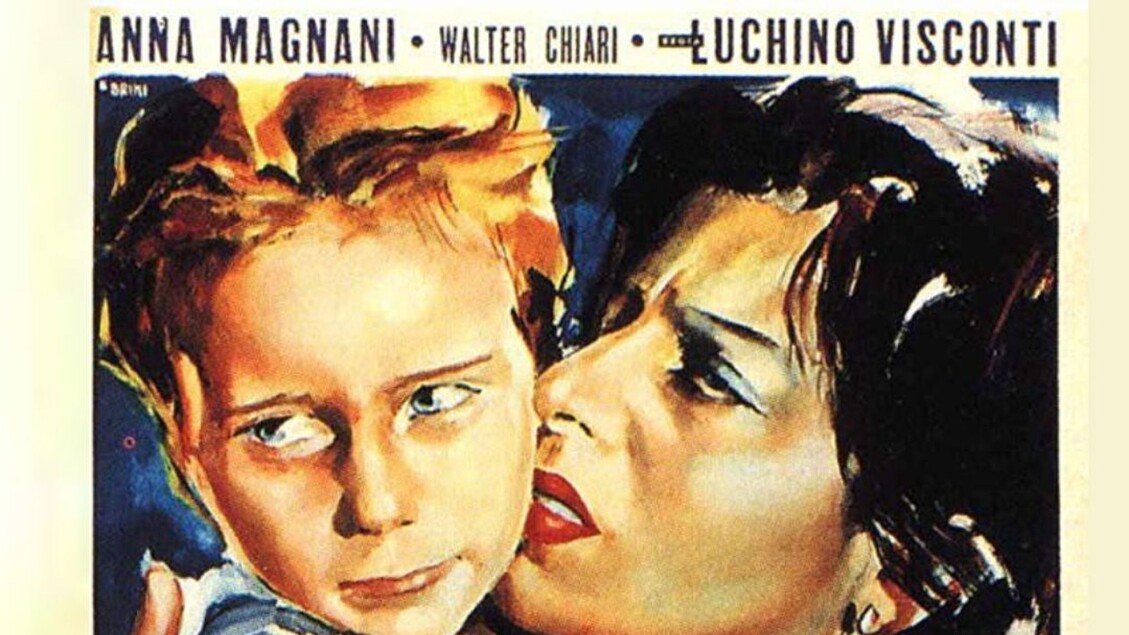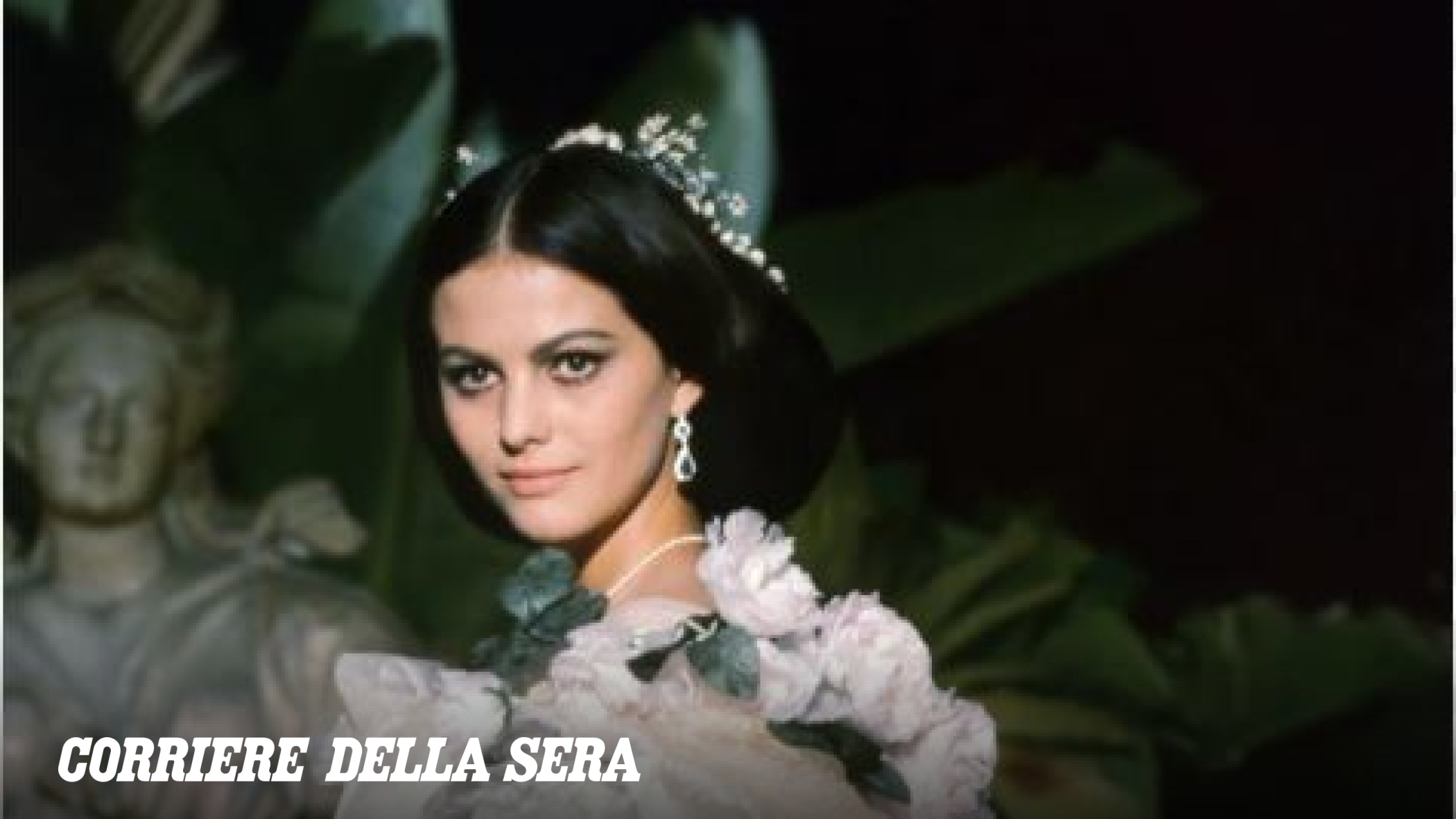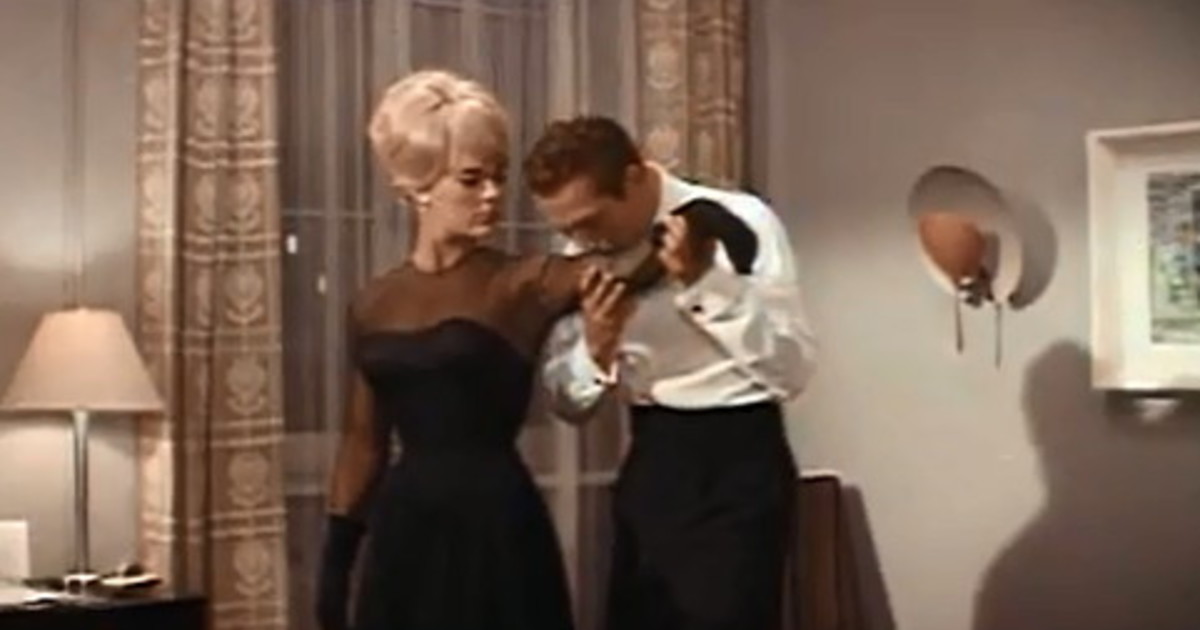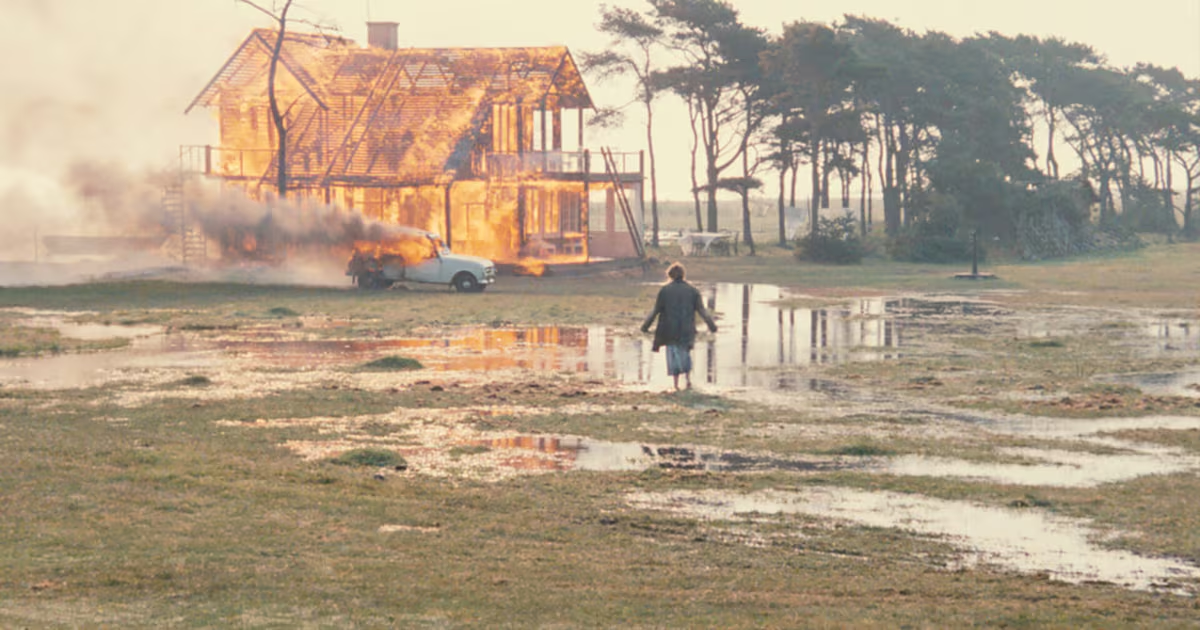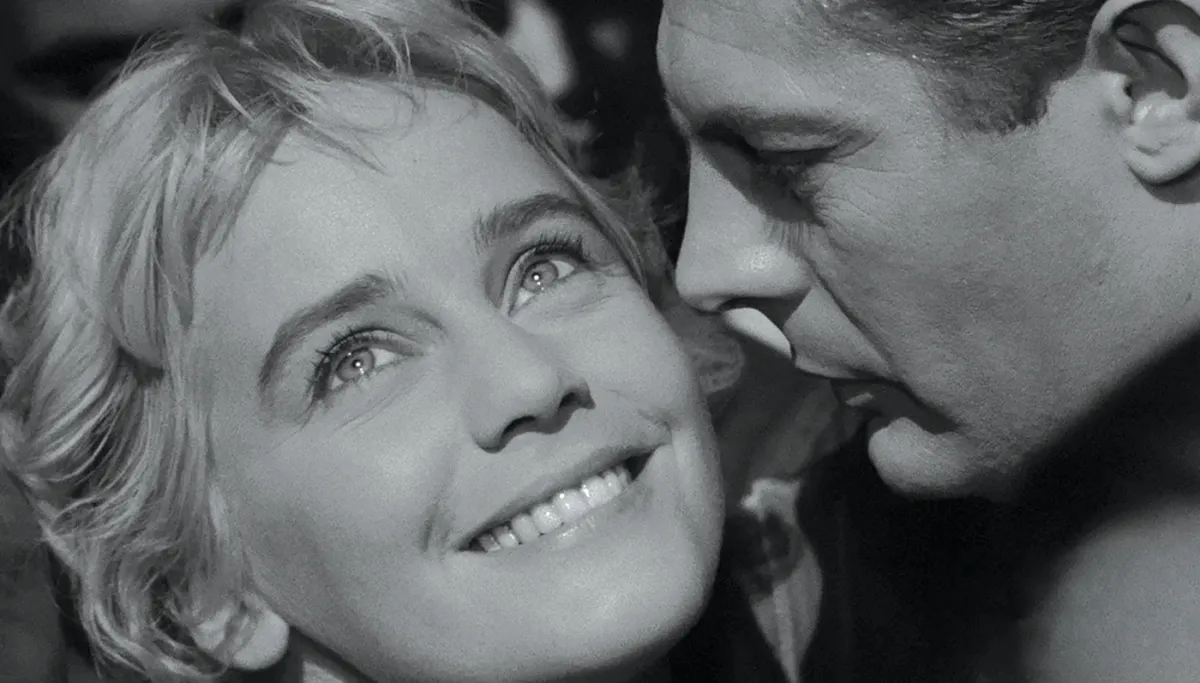
Who would have guessed that an Italian film made in 1957, starring one icon of that nation’s cinema (Marcello Mastroianni) and directed by another (Luchino Visconti), and based, of all things, on a short story by a long-dead Russian master (Fyodor Dostoevsky), would speak more urgently to contemporary audiences’ needs, fears, and hopes than any other release this summer?White Nights was first seen in cinemas nearly 70 years ago, but fate has conspired for its recent revival to come at a time when it could not be more relevant. Janus Films’s rerelease of a sterling restoration of the film is playing at New York’s Film Forum through Aug. 6. The restoration will then begin to make its rounds across the country, with scheduled stops including the Roxie Theater in San Francisco and the Laemmle Royal in Los Angeles, both starting Aug. 7.On the one hand, White Nights resembles a museum piece, a reminder of a form of cinema — extravagant, expressive, moonily romantic — that no longer exists and as practiced by artists whose very names suggest an earlier era: The cinematographer, working in black-and-white, is Giuseppe Rottuno and the composer is Nino Rota, both best known for their associations with another past master, Federico Fellini. Born in 1906, Visconti was older than either collaborator, and his high-toned, overripe style, expressed in his masterpieces Senso (1954) and The Leopard (1963), arguably renders him an even more remote figure.
Luchino Visconti's White Nights rereleased in restored version
White Nights concerns a condition afflicting untold numbers of people in America today, especially those hovering just under or just over 40.
1,118 words~5 min read