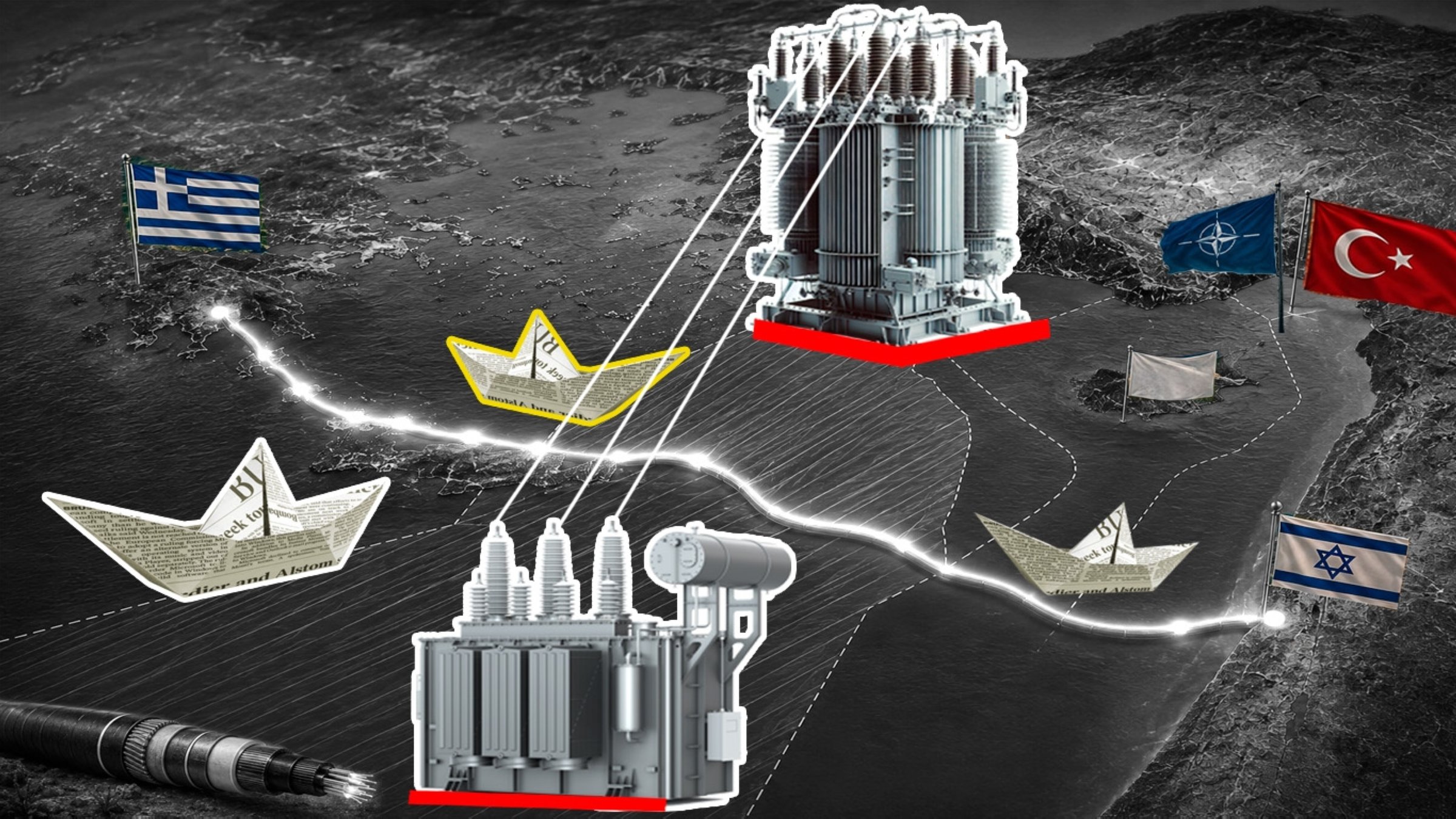
French company Nexans is looking for ways to reduce its financial exposure to the possibility of a prolonged disruption or even cancellation of the Great Sea Interconnector (GSI), the Crete-Cyprus electricity interconnection.
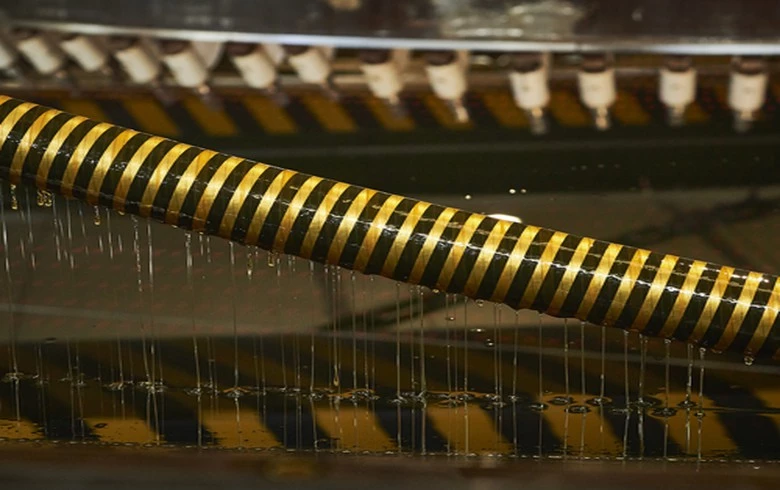
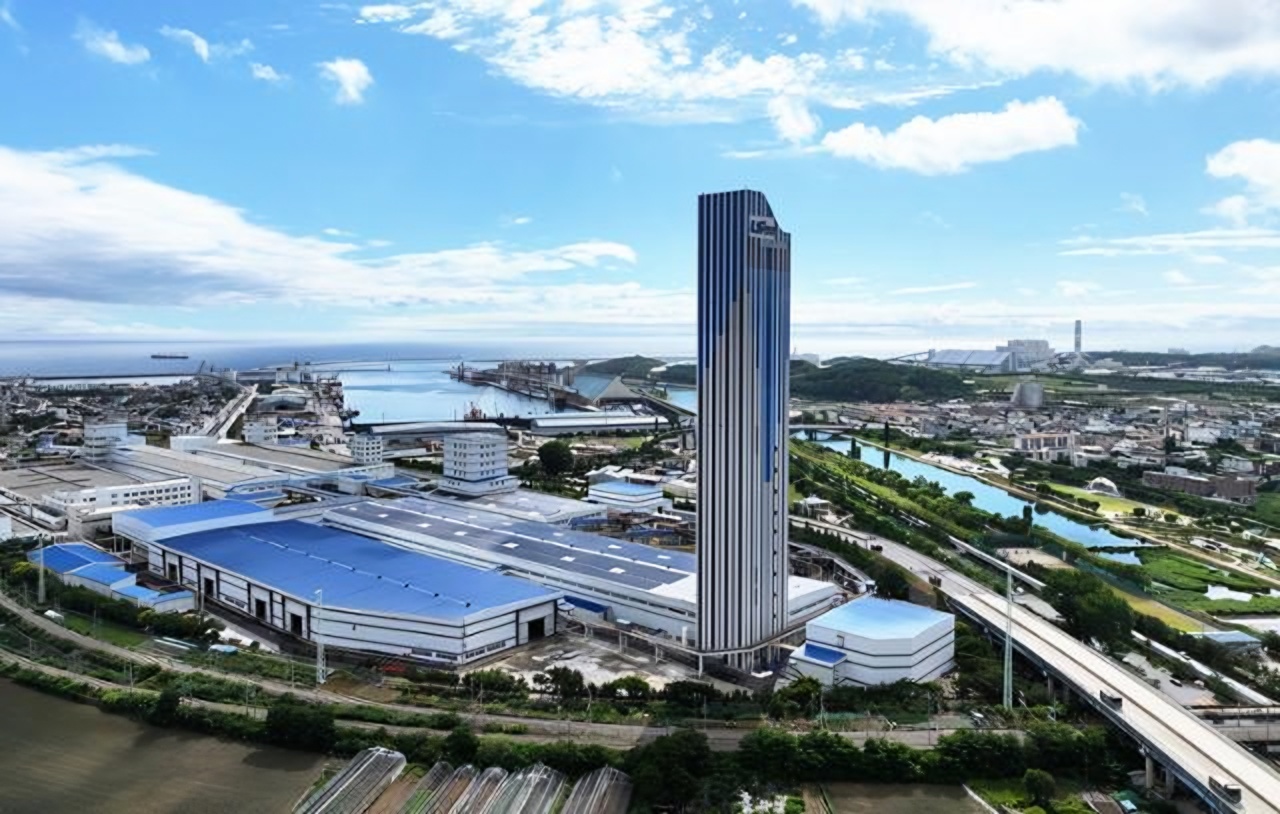
The manufacturer of the submarine cable, which has suspended work since last August after Greece’s ADMIE stopped making payments, is examining alternative ways to utilize the production capacity it had committed to the project.
At the same time, it continues to characterize GSI as a priority project, as it represents contracts worth approximately €1.2 billion out of the company’s total adjusted backlog, which at the end of June amounted to €7.7 billion.
This message was sent by Nexans management during the presentation of its January-June results to analysts, describing the way it is managing the uncertainty surrounding the project. “We have visibility until 2028-2029 and production activity will increase in 2027. Production will be repositioned to new projects. When GSI was postponed, our team moved flexibly, approaching customers to utilize available capacity. If GSI does not move forward quickly enough and we find another agreement, then we will move forward with it first,” the management said in a dual-targeted statement.