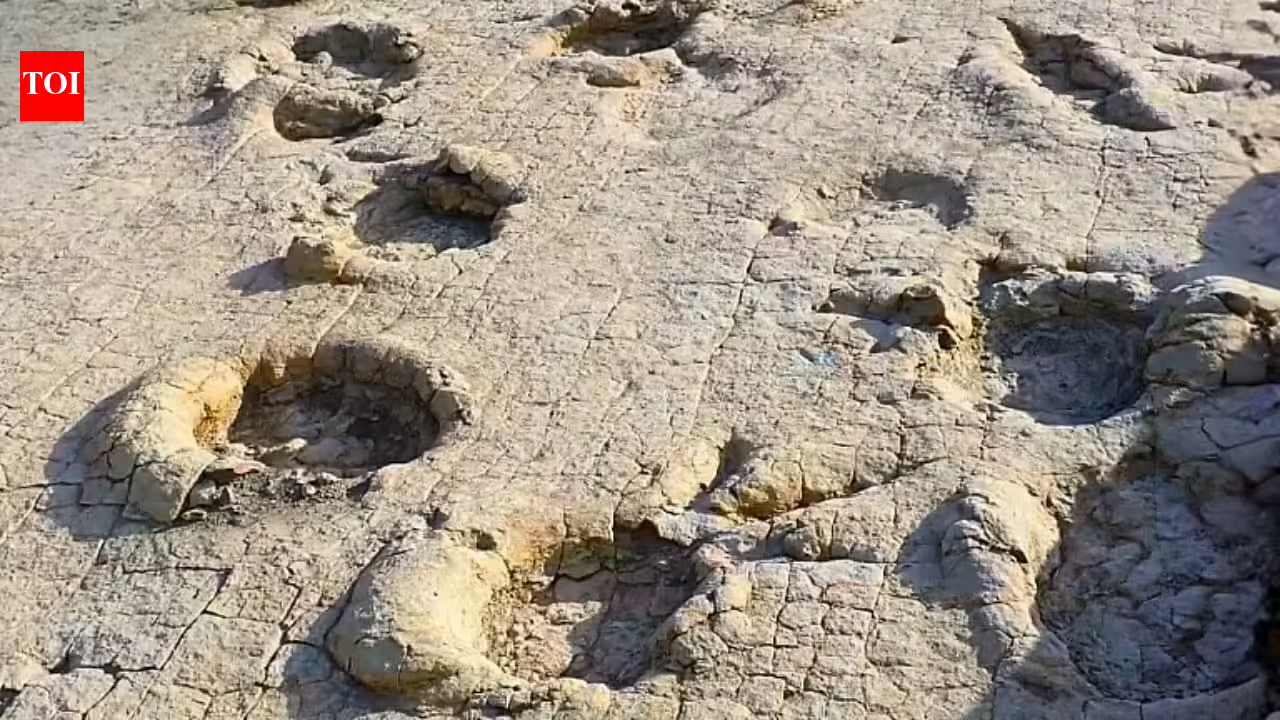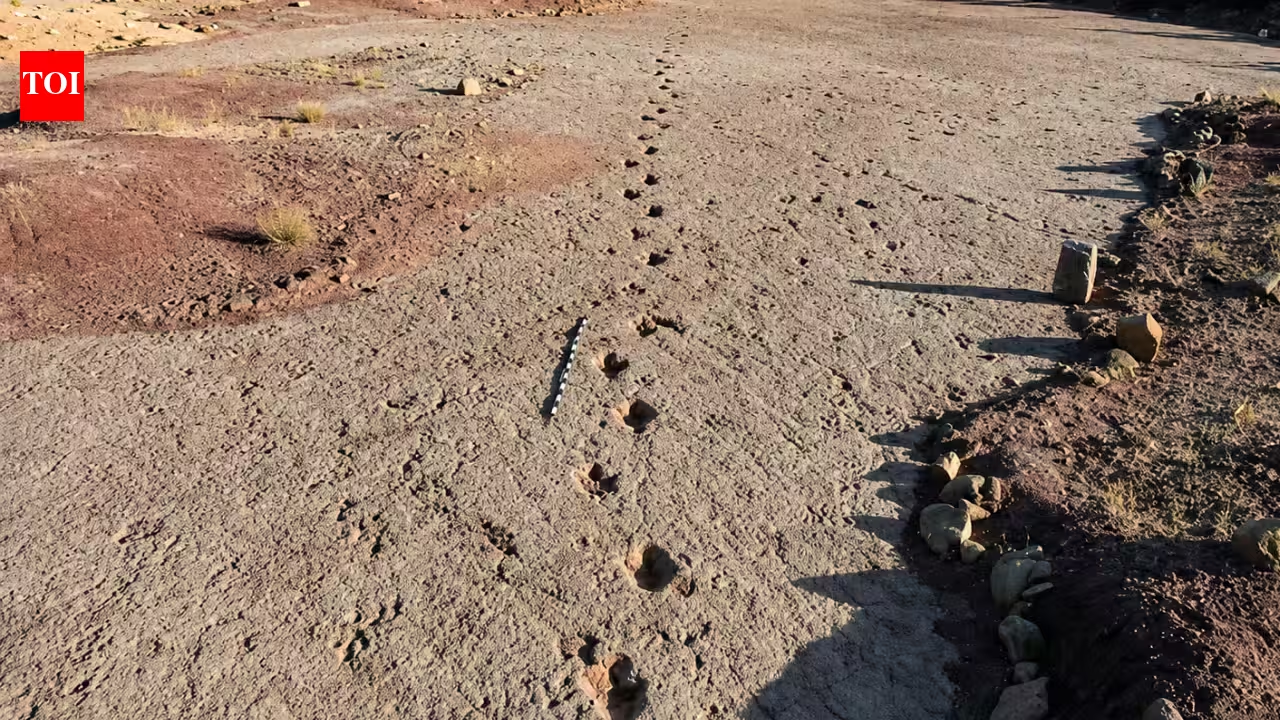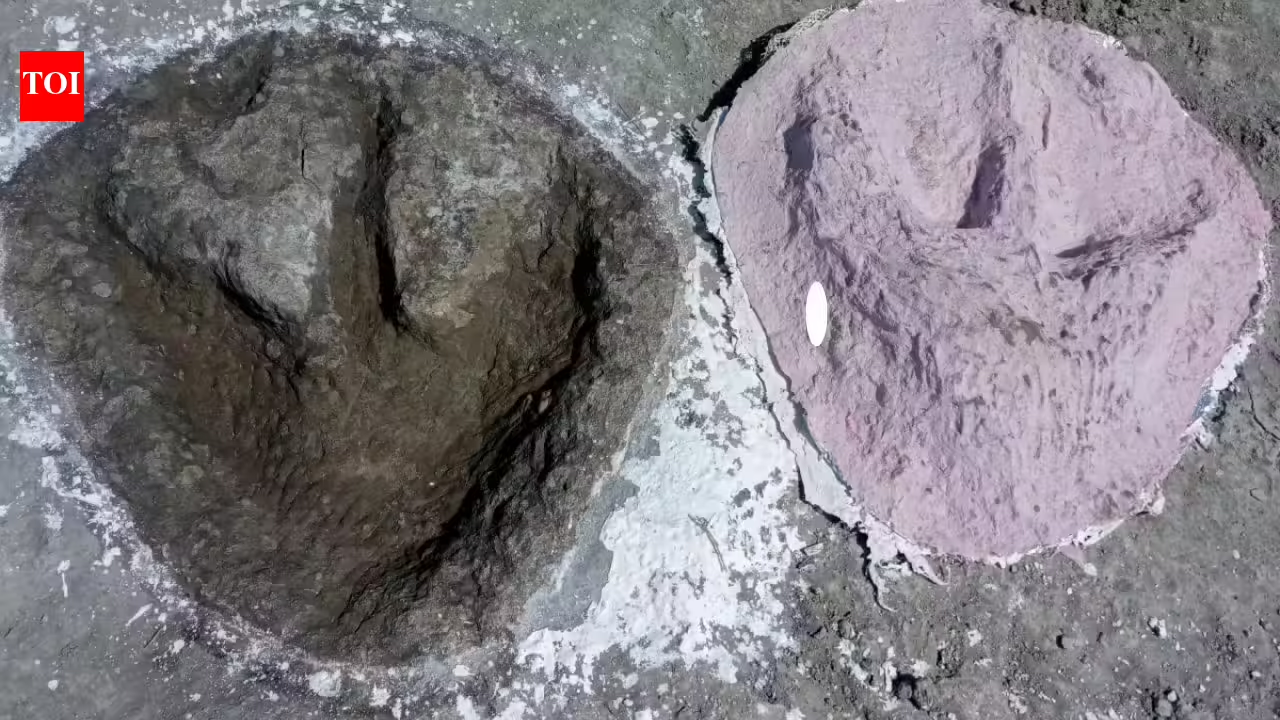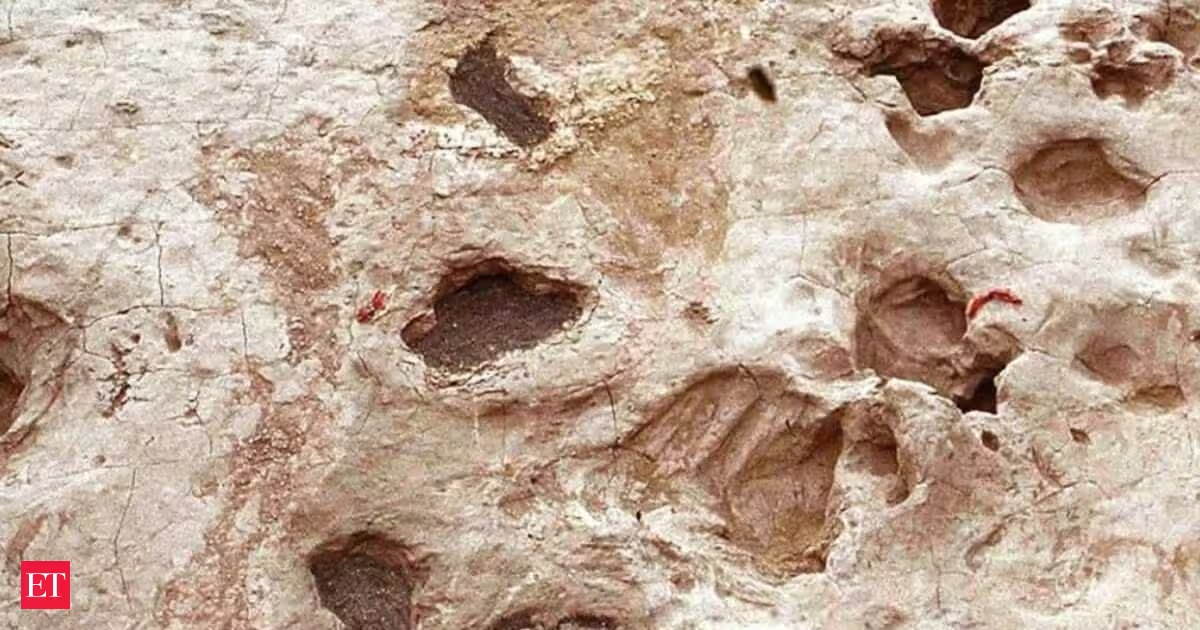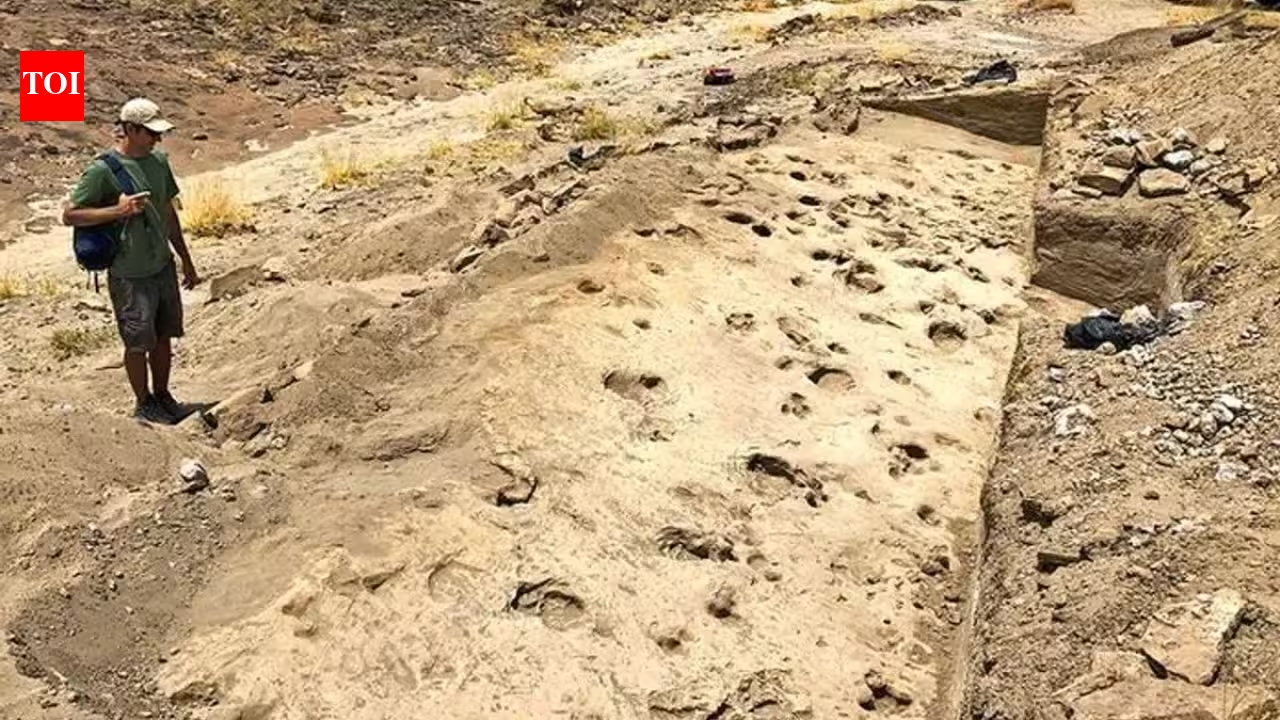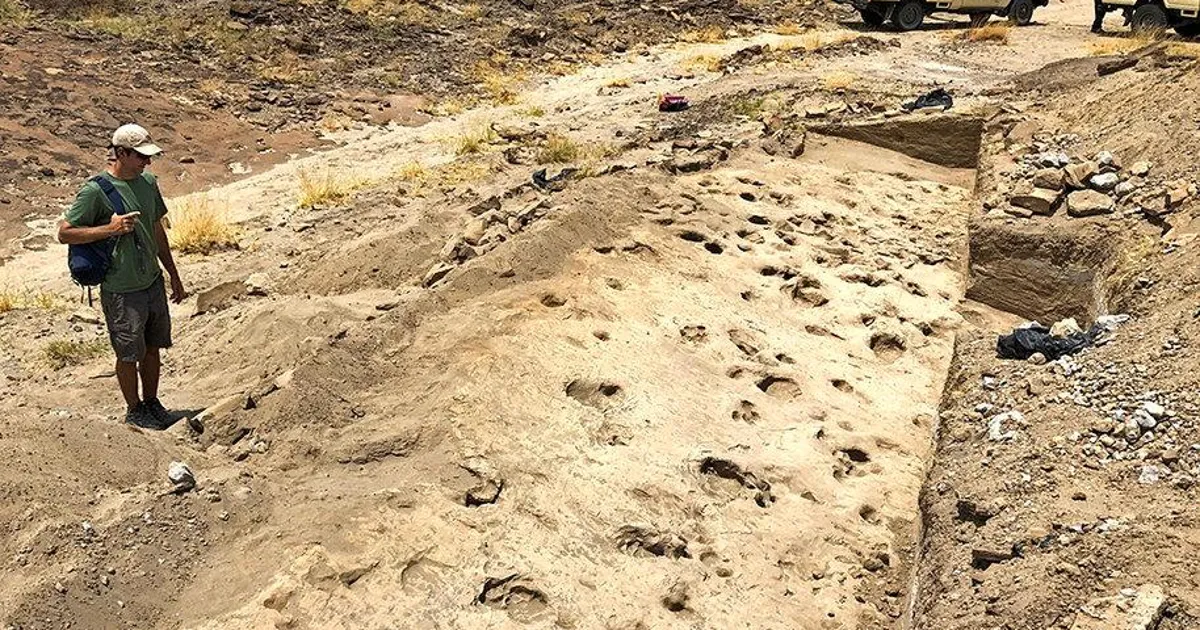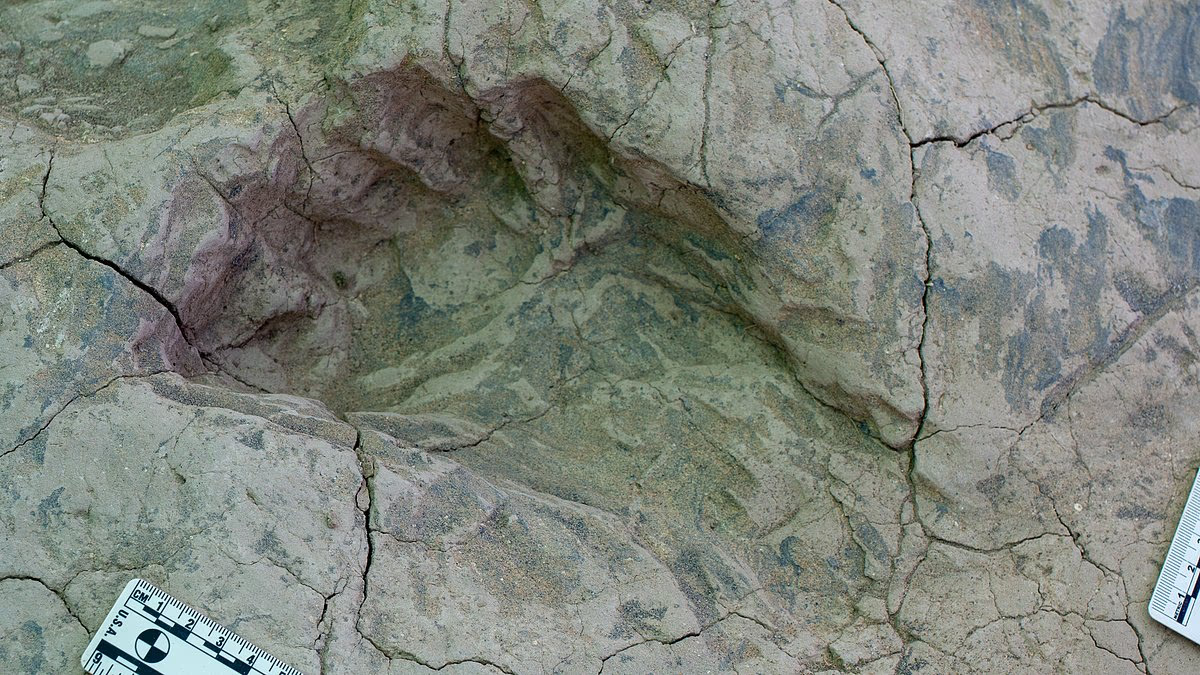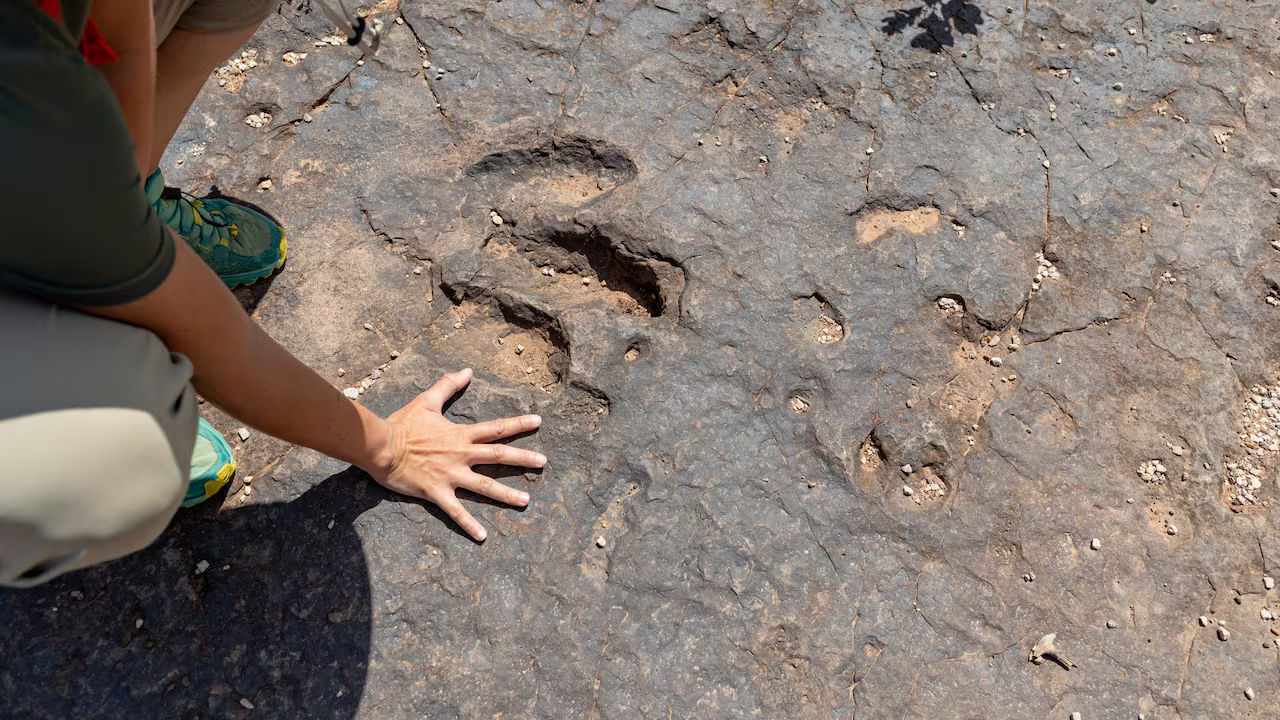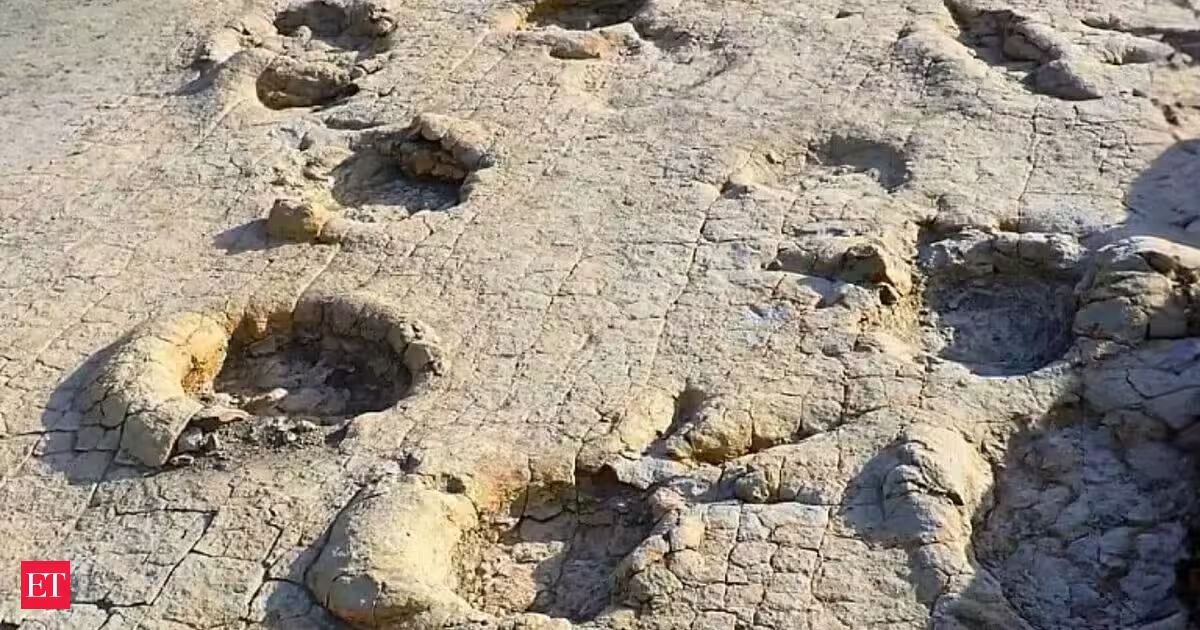
Around 120 million years ago, a muddy lakeshore in central Mongolia echoed with the footsteps of colossal plant-eating giants and formidable meat-eating predators. Today, that prehistoric landscape has been frozen in stone, preserving dozens of footprints that reveal an unexpectedly bustling dinosaur ecosystem from the Early Cretaceous.A newly described tracksite in Mongolia's Shinekhudag Formation preserves multiple trackways left by giant sauropods and large predatory theropods, offering one of the clearest snapshots yet of how these dinosaurs shared the same habitat. The findings were published in March 2026 in the journal Ichnos in the study, "A dinosaur ichnofauna from the Lower Cretaceous Shinekhudag Formation, Mongolia."The fossil surface contains 31 dinosaur footprints, including trackways from two enormous sauropods estimated to have exceeded 15 meters (49 feet) in length and five large theropods measuring more than 8 meters (26 feet) long. Together, the footprints suggest the area was regularly traversed by both giant herbivores and apex predators.Researchers found that the two sauropods followed nearly the same route across the muddy ground. Their overlapping footprints indicate one animal walked first while the second followed almost exactly in its path at a slightly slower pace, a behavior comparable to modern elephants walking in single file.The giant herbivores left hind footprints measuring about 70 centimeters (28 inches) long. Their forefoot impressions preserved a mix of primitive and advanced anatomical features, including a thumb claw and soft-tissue pads, while the broad spacing of the trackways suggests they belonged to titanosauriform sauropods.Scattered across the same ancient surface are five separate trackways belonging to large three-toed theropods. The largest footprint measures 57 centimeters (22 inches) long. Unlike the sauropods, the predators appear to have moved in different directions, with no evidence that they traveled as a coordinated group.The footprints were preserved in sediments of the Lower Cretaceous Shinekhudag Formation, which formed along the margins of a large lake. Scientists believe fluctuating water levels periodically exposed sandy lakebed surfaces, allowing dinosaurs to walk across the wet ground before fresh sediments buried and preserved their tracks.The site also carries historical significance. It was first reported roughly 70 years ago but was effectively lost because the original description lacked precise location details. An international team from the Mongolian Academy of Sciences, the National University of Mongolia, and Okayama University of Science relocated the site in 2024 with the help of local residents before conducting detailed geological and paleontological investigations in 2025.The discovery fills an important gap in Mongolia's fossil record. While the country is renowned for Late Cretaceous dinosaur fossils dating to around 70–90 million years ago, evidence from the Early Cretaceous has been comparatively scarce. The newly documented tracksite confirms that giant sauropods and large theropods inhabited northern Mongolia about 120 million years ago, extending the known range of these dinosaurs and providing new insights into ecosystems that linked East Asia and North America during the Early Cretaceous.The researchers also identified nearby gravel-bearing sandstone layers that could preserve skeletal remains of the track-making dinosaurs, raising the possibility that future excavations may uncover the bones of the animals that left the ancient footprints.
120-million-year-old footprints reveal colossal dinosaurs turned central Mongolia into a bustling prehistoric crossroads
Fossilized footprints from 120 million years ago reveal a busy dinosaur ecosystem in Mongolia. Giant sauropods and large theropods traversed the muddy lakeshore together. Researchers found evidence of sauropods walking in single file, similar to modern elephants. These tracks fill a gap in Mongolia's Early Cretaceous fossil record.
511 words~2 min read