(Image credit: Future/Getty)
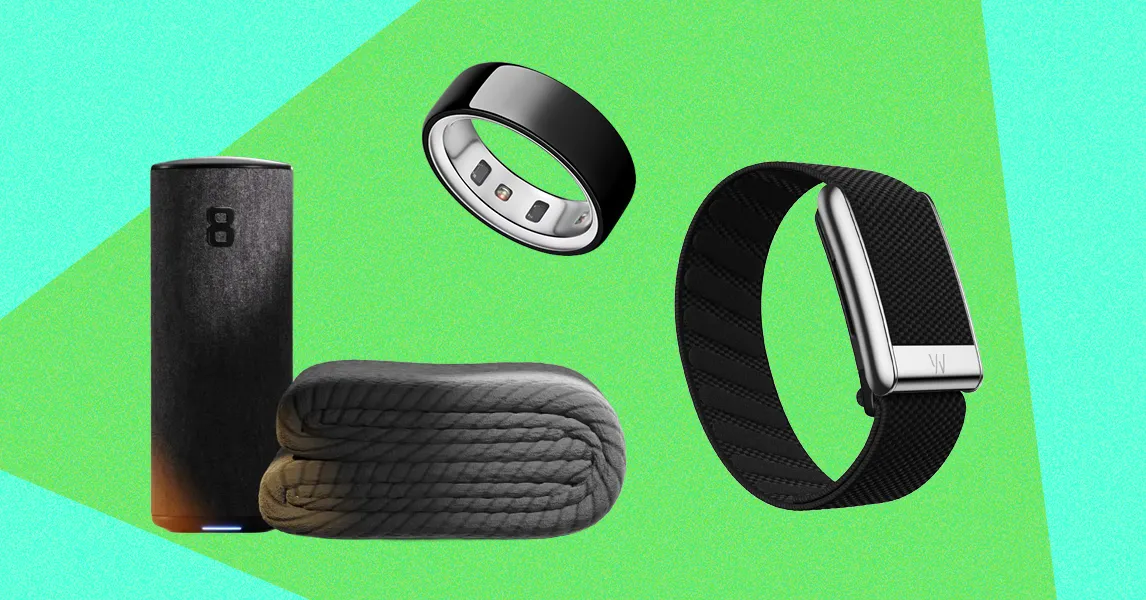
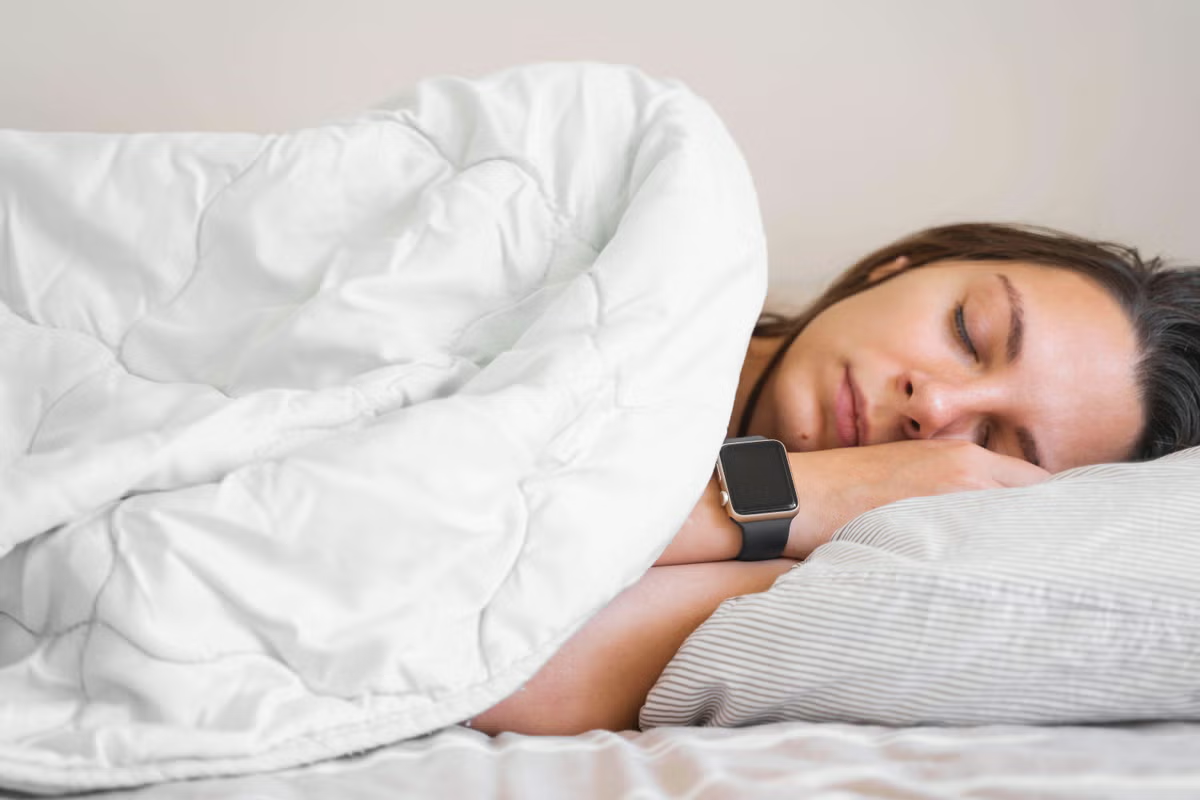
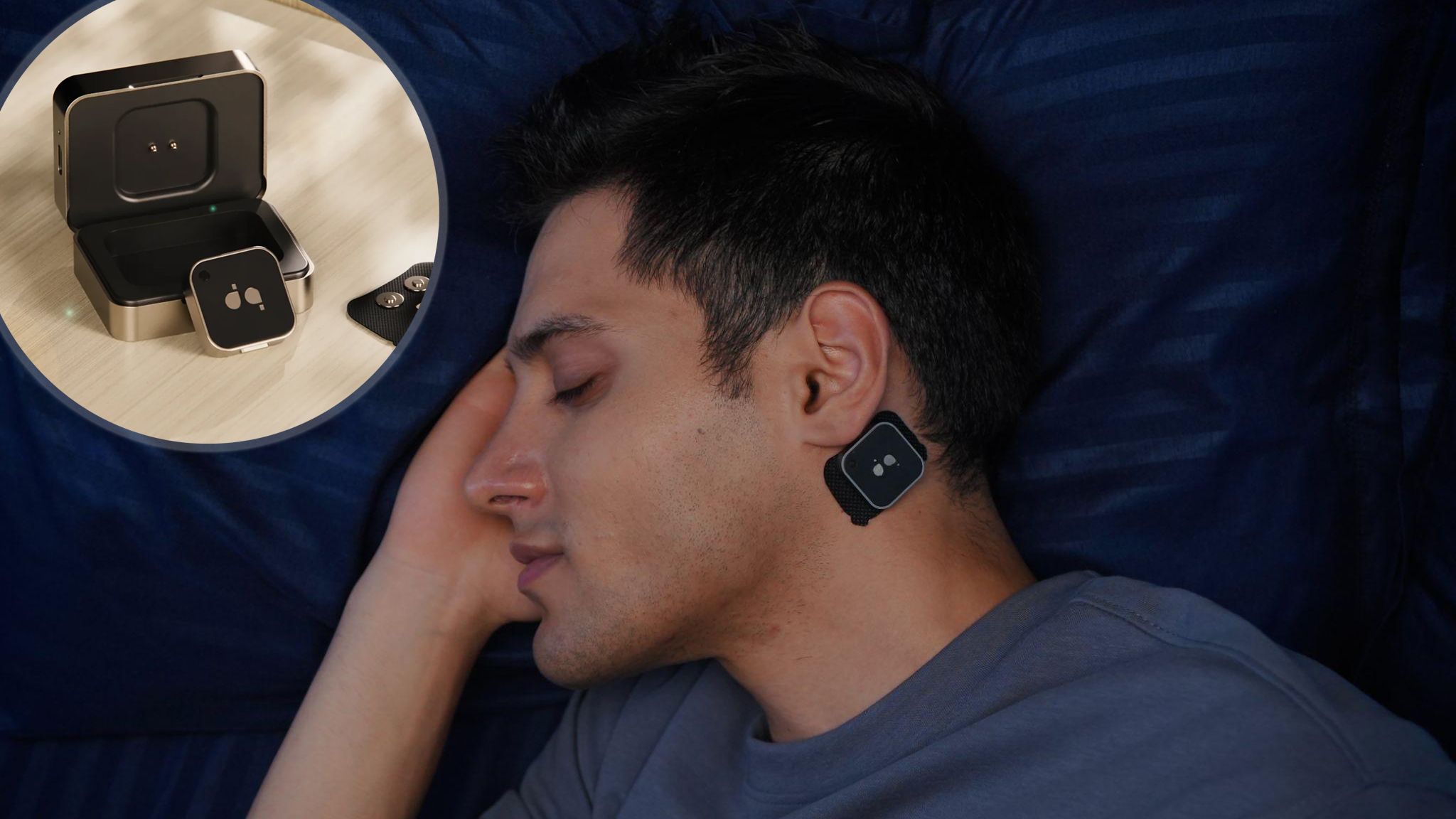
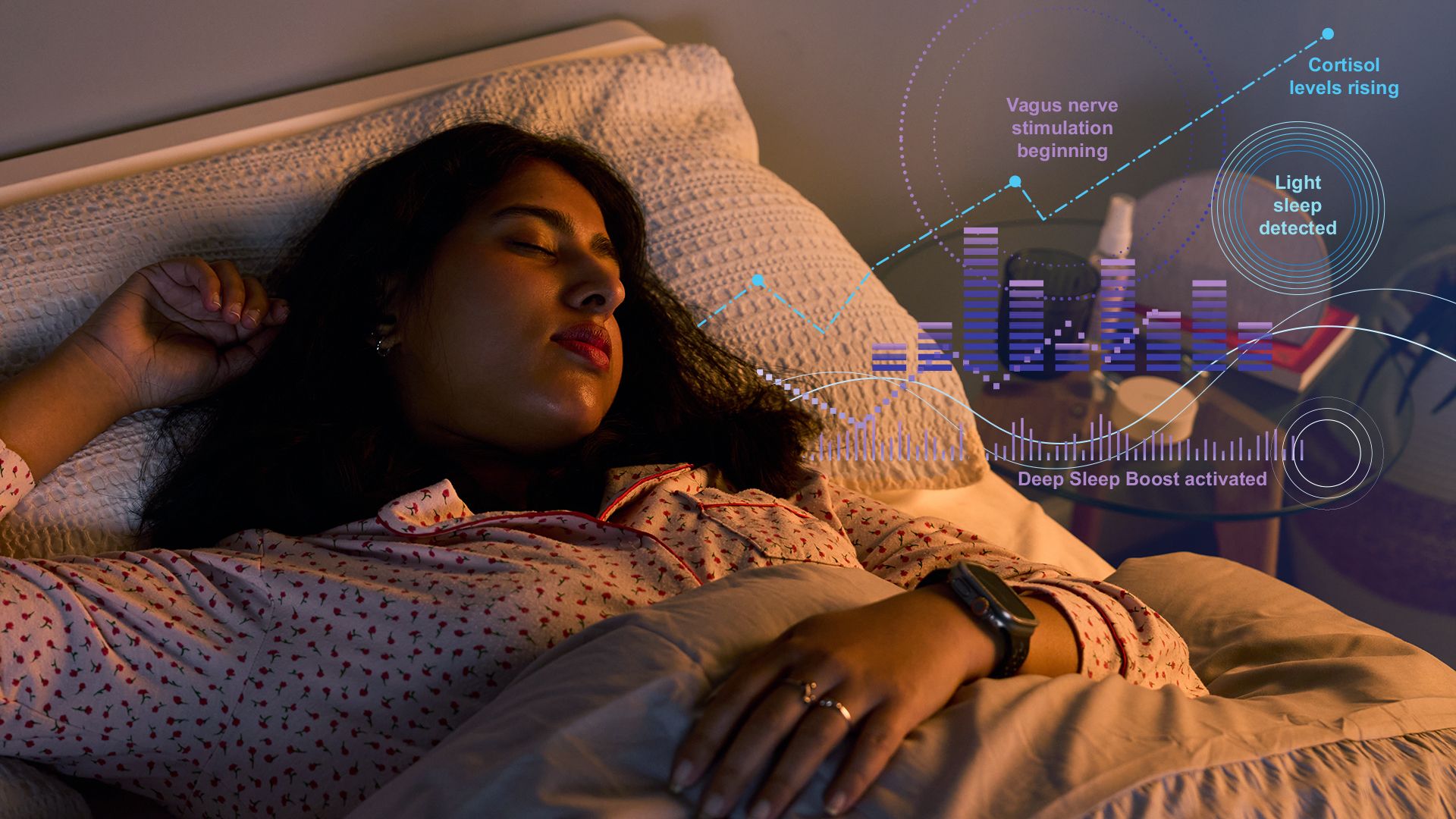
Wearables that passively track your sleep will soon be obsolete. We have a massive sleep problem — and sleep trackers aren't doing enough. But the next frontier in sleep tech is taking the data exposed by the best sleep trackers and doing something about it.If tracking can uncover how bad we're sleeping, isn't it time it starts offering some solutions? Thankfully, the new generation of sleep tech is all about actively helping you sleep better. These devices monitor your sleep, identify problems, and intervene for better rest. All you have to do is lie back and start dreaming.While it sounds futuristic, it's already happening, with brands like Elemind, NextSense and Muse offering consumers an easier way to sleep better. I asked the experts why sleep tracking is dead... long live sleep intervention.Key takeaways:Sleep tracking is becoming smarter and better, as well as more comfortable. Sleep tracking lamps and mats allow us to monitor our sleep without wearables.However, sleep tracking has hit a wall — we know we're sleeping bad, so what can we do about it?Sleep intervention devices such as the Elemind, Muse S Athena, and NextSense offer active sleep improvement, monitoring your brainwaves and responding to changes in your sleep.Devices like the Kimba, Sleepal, Orion and Eight Sleep alter your environment in response to tracking data, helping you stay asleep.Sleep enhancement tech offers a non-medical way to improve your sleep. And by improving your sleep, you might see benefits to your overall health and wellbeing.Sleep tracking is moving off your wristResearch suggests over 48% of the population use sleep trackers. But if you're the half yet to succumb to wearing a watch to bed, there's good news. The latest gen of sleep trackers are a little more... sleep-comfort friendly.Think the screen-free FitBit Air, the slimmer-than-ever Oura Ring 5, and the non-intrusive monitoring of the Withings Sleep Mat.