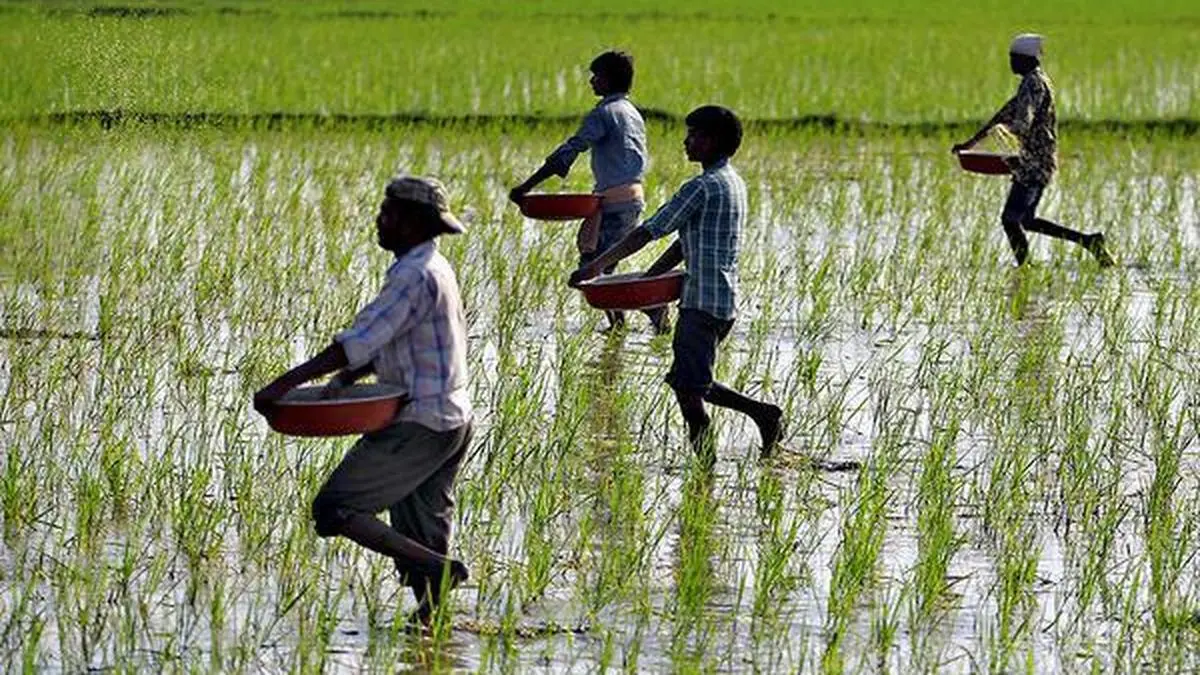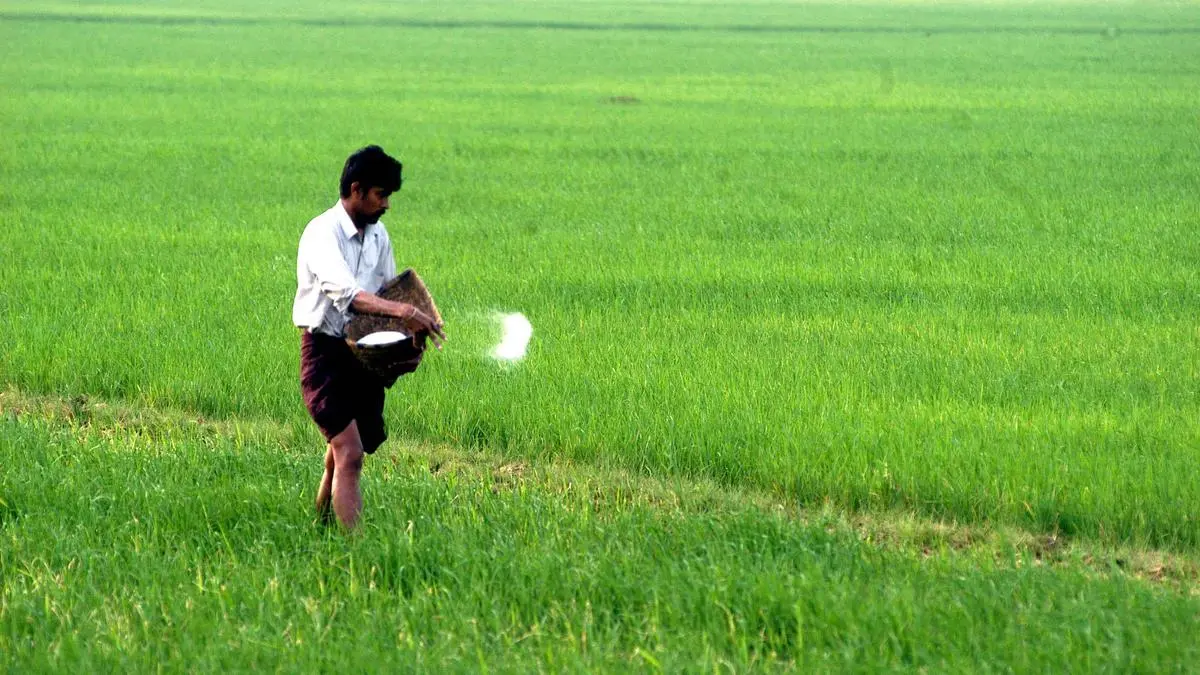
The recent impact of climate change on agriculture is being witnessed and experienced by all, and no longer a myth. Biological agri-inputs align with Prime Minister Narendra Modi’s vision. His vision with India’s policy push toward reducing chemical fertilizer by up to 25-50 per cent by increasing pro-nature, organic and natural farming. Not to miss saying that this is also the case being taken over across the globe too, for once the globe is listening to and acknowledging Bharat’s efforts in tackling issues of common concern in Bharat’s agriculture. Flagship schemes like Paramparag at Krishi Vikas Yojana (PKVY) to MOVCDNER in the North-East, are promoting organic clusters, financial assistance for bio-inputs, and strengthened certification frameworks. Start-ups too are being nurtured through the Innovation and Agri-Entrepreneurship programme under RKVY, which has already supported more than 1,700 agri-innovators.Since 2015–16 (as of December 31, 2025), a total of 10,057 clusters have been formed in Rajasthan under PKVY, covering an area of 2.01 lakh hectares and benefiting 2.88 lakh farmers. An amount of ₹186.05 crore has been released during the period.Proving usefulPM-PRANAM is another scheme that looks towards the promotion of biofertilizers in an attempt to reduce the burden of subsidies by none other than the Ministry of Chemicals and Fertilizers.The recent June 2026 Khet Bachao month-long initiative has kick started the movement aggressively in a manner befitting to the current situation being faced with respect to the procurement of fertilisers.Biological agri-inputs may be slow in their function but have proven to be useful and the ONLY alternative available to replace and reduce the use of chemically based agri-inputs. Food nutritional security has now been tagged along with the government’s push towards sustaining and maintaining food security.Urgent issue to attendBiological Agri-inputs are urgently required to address certain environmental concerns with respect to farming as:1. Soil nutrient depletion: Continuous cropping removes nutrients from soil.2. Decline in soil organic carbon: Organic matter is essential for soil fertility.3. Low nutrient availability: Nutrients in organic systems release slowly.4. Sustainability of soil ecosystem: Soil microorganisms need organic matter for survival.5. Environmental protection: Prevents water and soil pollution.Meanwhile, major institutions like ICAR and SAUs are accelerating biopesticide research, enhancing shelf life, and expanding production infrastructure. These initiatives collectively create fertile ground for wider adoption of biological agri inputs across India’s agricultural ecosystem.Sustainable agriculture, however, must progress beyond policy and production. Biological agri inputs will redefine the future of Indian farming only when farmers have confidence in their effectiveness, quality, and long-term value. Building a credible, science-driven and globally competitive ecosystem is therefore essential for widespread adoption.Critical to ensure transitionWith soil health missions, natural farming clusters, biogas-linked nutrient systems and precision soil mapping gaining traction, India is on the cusp of a biological agriculture revolution. Sustained collaboration between policymakers, researchers, industry and farmers will be critical to ensure that this transition remains science-driven, ethical and aligned with farmer welfare.Biological agri-inputs, especially microbial in nature, towards recognising their properties for Water Efficient Use (WEU) along with the Nutrient Use Efficiency (NUE) that is something that caught my attention. Microbials are also known to be effective to attain water efficiency use.The government’s stakeholder consultations on the Seed Bill, the Pesticide Management Bill and the Integrated Plant Nutrient Management Bill reflect the growing emphasis on creating a robust regulatory framework for biological agri inputs through collaboration with government, academia and industry stakeholders.In fact, there is a strong case for a dedicated legislative framework for biological agri inputs that recognises the distinct scientific and regulatory requirements of biofertilizers, biopesticides and biostimulants.The author is CEO, BASAIPublished on August 1, 2026
Why biological agri inputs could be India’s next success story
There is a strong case for a dedicated legislative framework for biological agri inputs that recognises the distinct scientific and regulatory requirements of biofertilizers, biopesticides and biostimulants.
594 words~3 min read