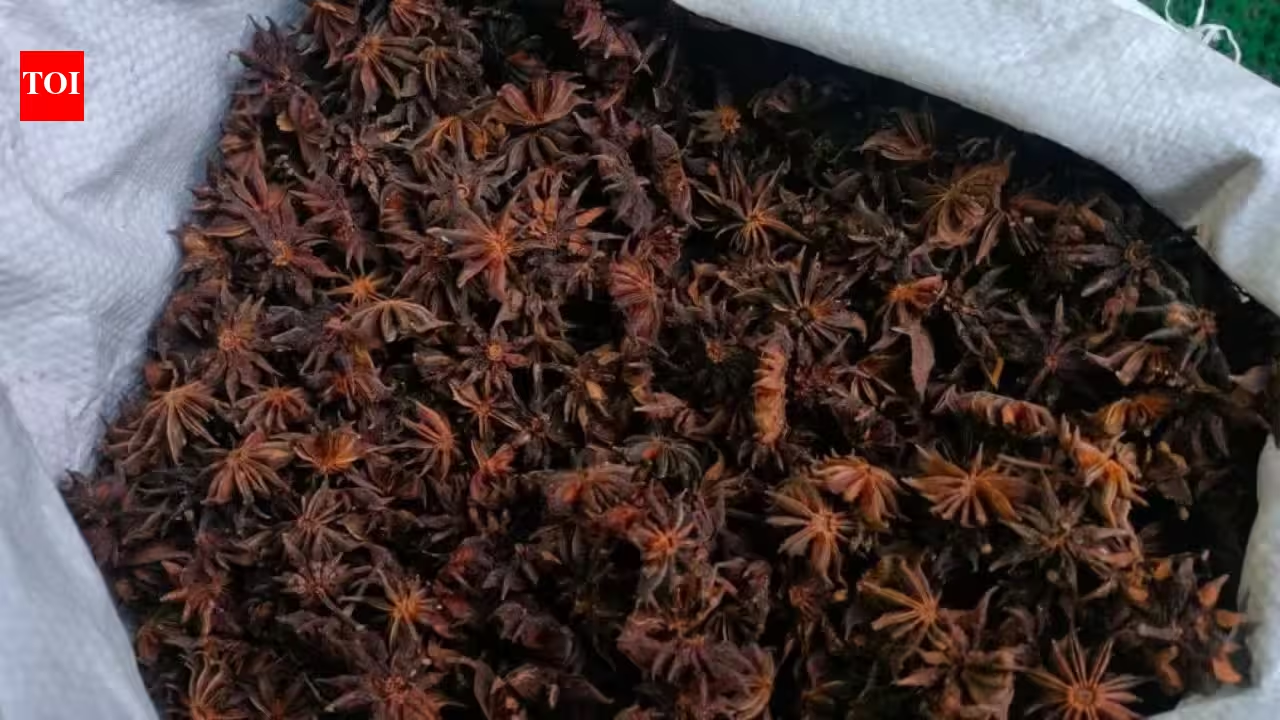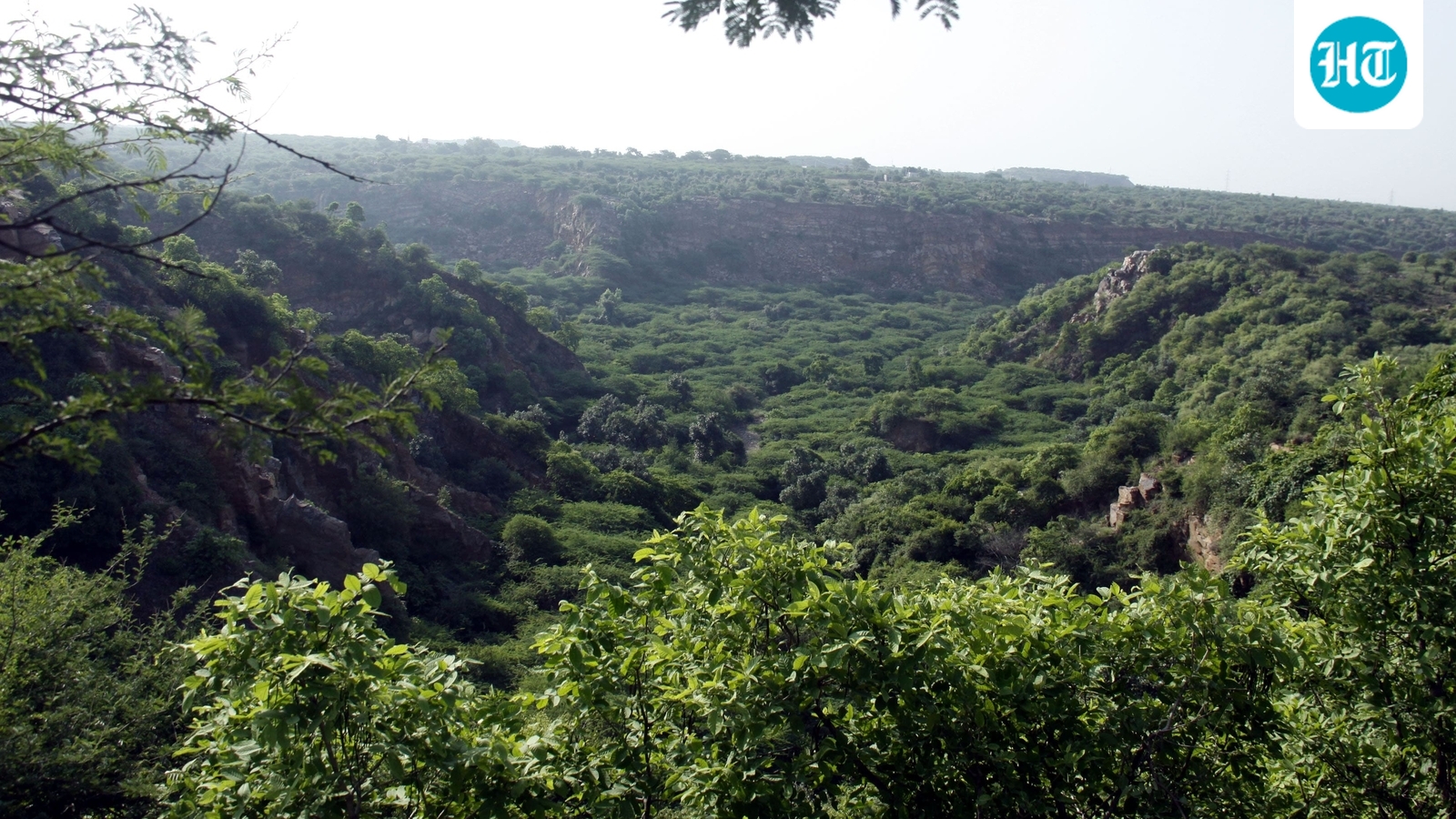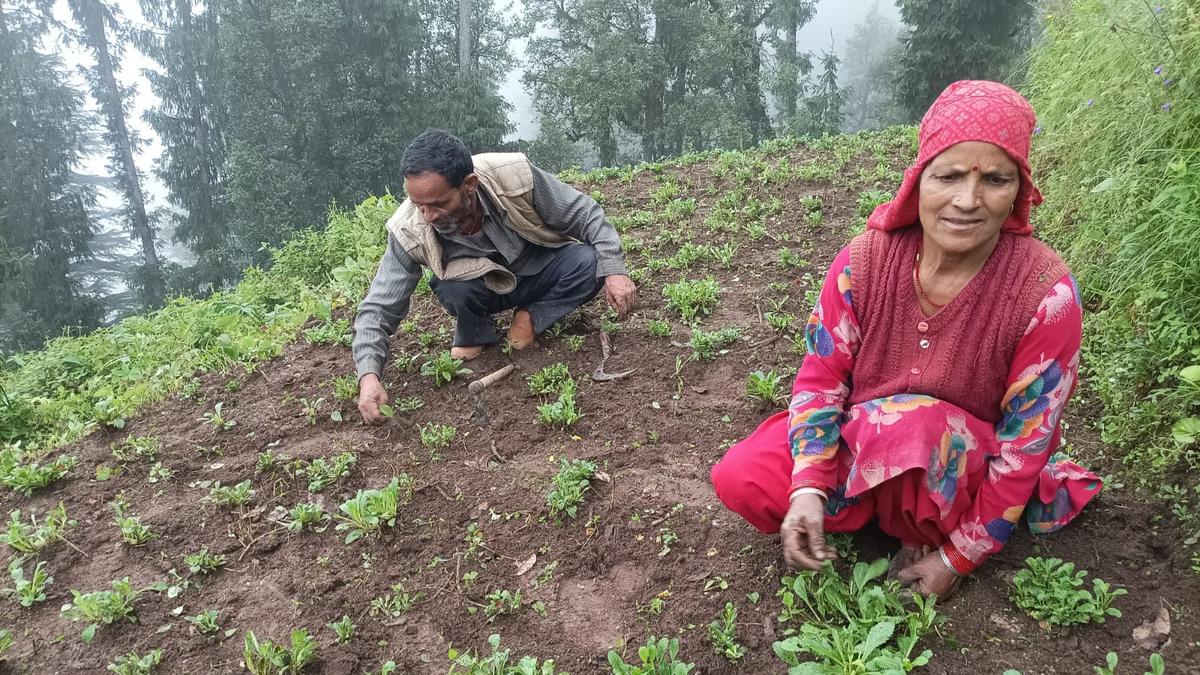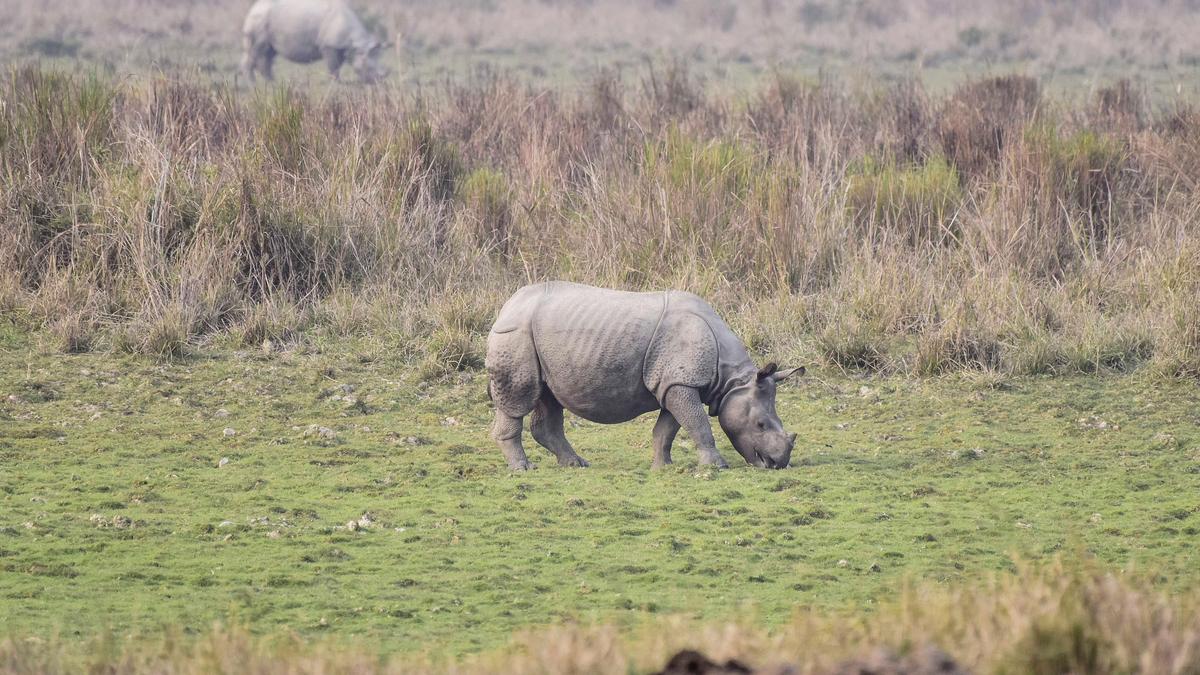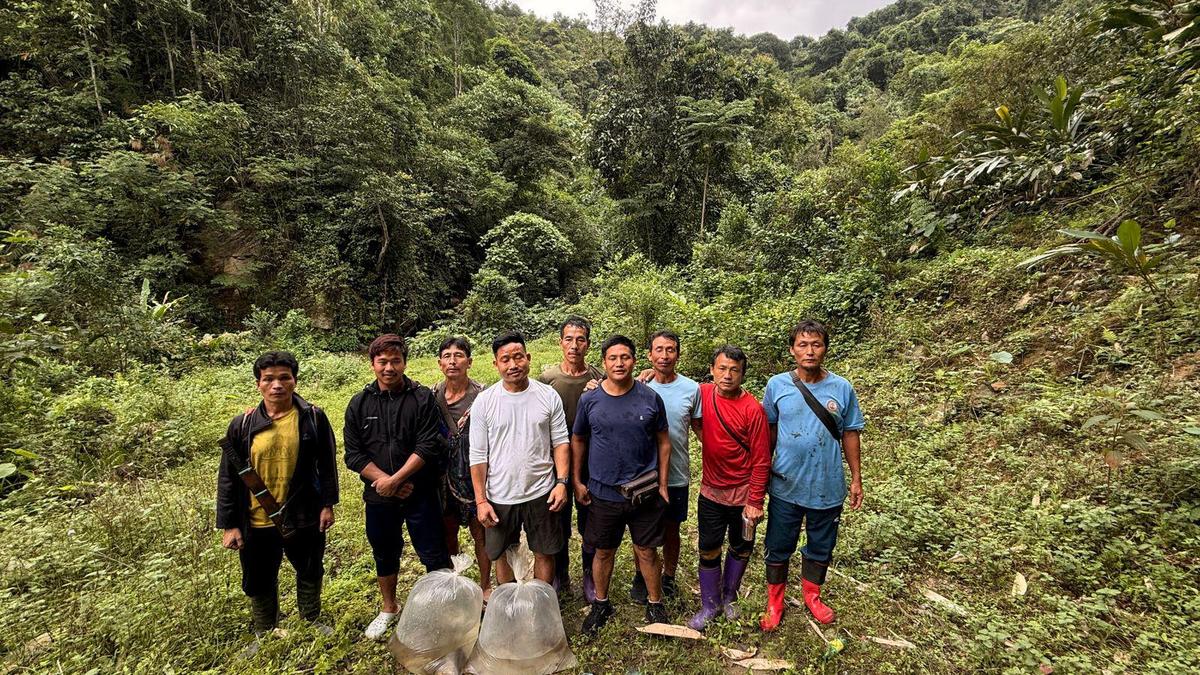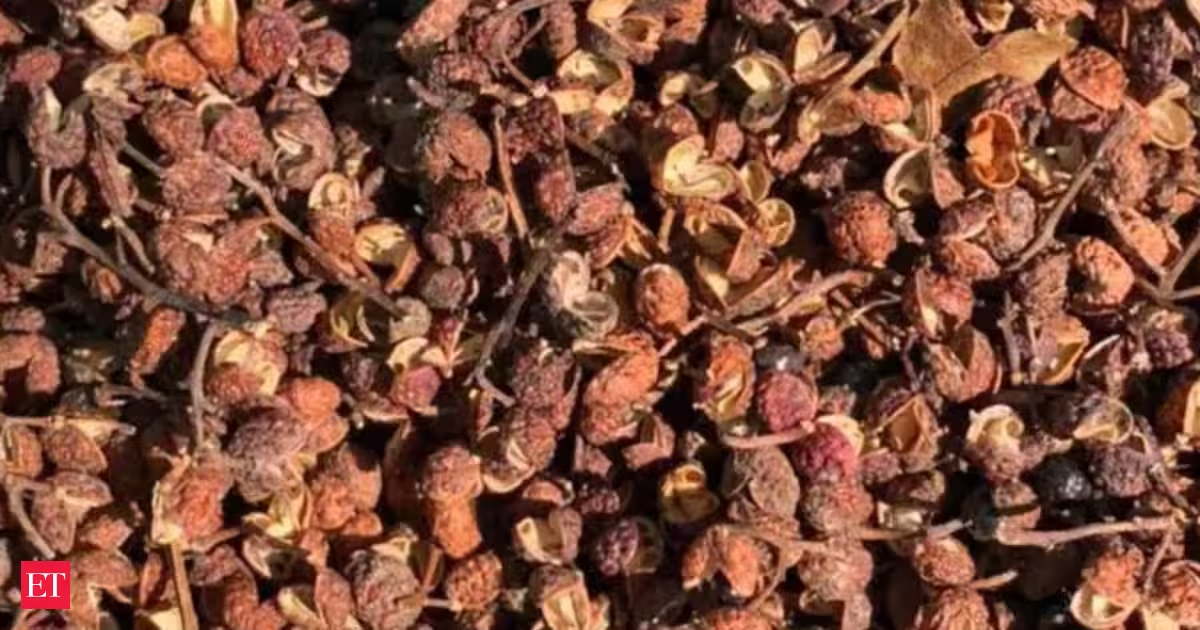
A wild Himalayan spice once used only in traditional tribal kitchens is now transforming lives in Arunachal Pradesh. Indigenous communities in the state's West Kameng district are using Zanthoxylum, locally known as Khagi, to generate sustainable income while conserving forests and biodiversity.According to a Times of India report, the community-led initiative has benefited more than 200 families, generated a turnover of around Rs 39 lakh, and helped protect nearly 100 square kilometres of forest.Read more: Singapore student told her mother she was going to college. She actually flew to Cambodia to meet an online gaming friendWhat is Khagi, the wild Himalayan spice?Known locally as Khagi, Erma, Shyein or Yarma, depending on the tribe, Zanthoxylum is a native Himalayan spice prized for its citrusy aroma and distinctive tongue-tingling flavour.For generations, tribal communities have used the spice in meat curries, chutneys and millet dishes. Its bark, fruits and seeds have also been valued in traditional medicine.Community-led conservation through sustainable harvestingThe initiative is centred around the Mandala Phudung Khellong Community Conserved Area (CCA) in West Kameng district.Supported by WWF India, local communities have developed a system to collectively harvest, process and market the spice. Revenue generated from Khagi sales is also used to fund forest patrols, biodiversity monitoring and community welfare, creating a direct financial incentive to protect forests instead of exploiting them.How the spice trade changed local livelihoodsEarlier, villagers sold Khagi individually to traders from Assam and other states, often receiving inconsistent prices. Only the outer husk had commercial value, while the seeds were largely discarded.The system changed in 2019, when communities began collectively harvesting and marketing the spice under the Community Conserved Area framework. According to The Better India, the initiative also established direct market linkages with companies such as Dabur India, allowing both the husk and seeds to be sold commercially.During the 2024–2026 harvesting seasons, communities sold more than 10 metric tonnes of Zanthoxylum, benefiting over 200 households and generating approximately Rs 39 lakh in turnover.Around Rs 6 lakh from the proceeds was contributed to the Community Conserved Area Management Fund.A valuable source of income for rural familiesCommunity members told The Better India that they typically earn between Rs 5,000 and Rs 10,000 from Khagi during each harvesting season.For many households, this provides an important supplement to annual farm incomes of Rs 20,000 to Rs 30,000, earned from crops such as kiwi, tomatoes, cabbage, beans and other seasonal produce.Protecting forests and wildlifeThe conservation effort extends beyond livelihoods. The protected landscape borders Bhutan's Sakteng Wildlife Sanctuary, forming an important transboundary wildlife corridor.The forests provide habitat for species including the red panda, clouded leopard, Asian golden cat, Himalayan black bear, Arunachal macaque, capped langur, goral and Himalayan serow.The area is also rich in medicinal plants, helping preserve traditional healthcare practices alongside biodiversity.A model for conservation and sustainable livelihoodsThe Khagi initiative demonstrates how indigenous knowledge and community-led conservation can support both people and nature. By turning a native forest species into a sustainable source of income, local communities now have a strong economic incentive to conserve forests while strengthening their livelihoods.As the model continues to grow, it highlights how protecting biodiversity and improving rural incomes can go hand in hand.Inputs from TOI
This Himalayan treasure helped over 200 families earn lakhs while protecting 100 sq km of forest
A wild Himalayan spice known as Khagi is transforming lives in Arunachal Pradesh. Indigenous communities are using the native spice to generate sustainable income while protecting forests and biodiversity. The community-led initiative has benefited more than 200 families and generated around Rs 39 lakh in revenue. It has also created a valuable additional source of income for rural households, demonstrating how conservation and sustainable livelihoods can go hand in hand.
529 words~2 min read