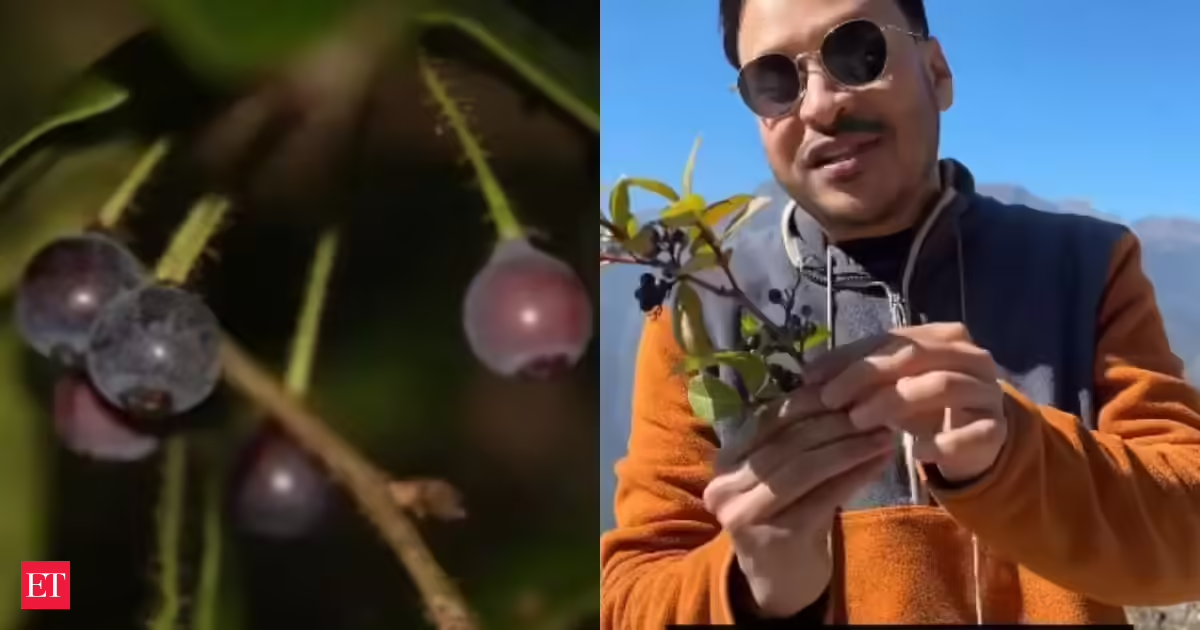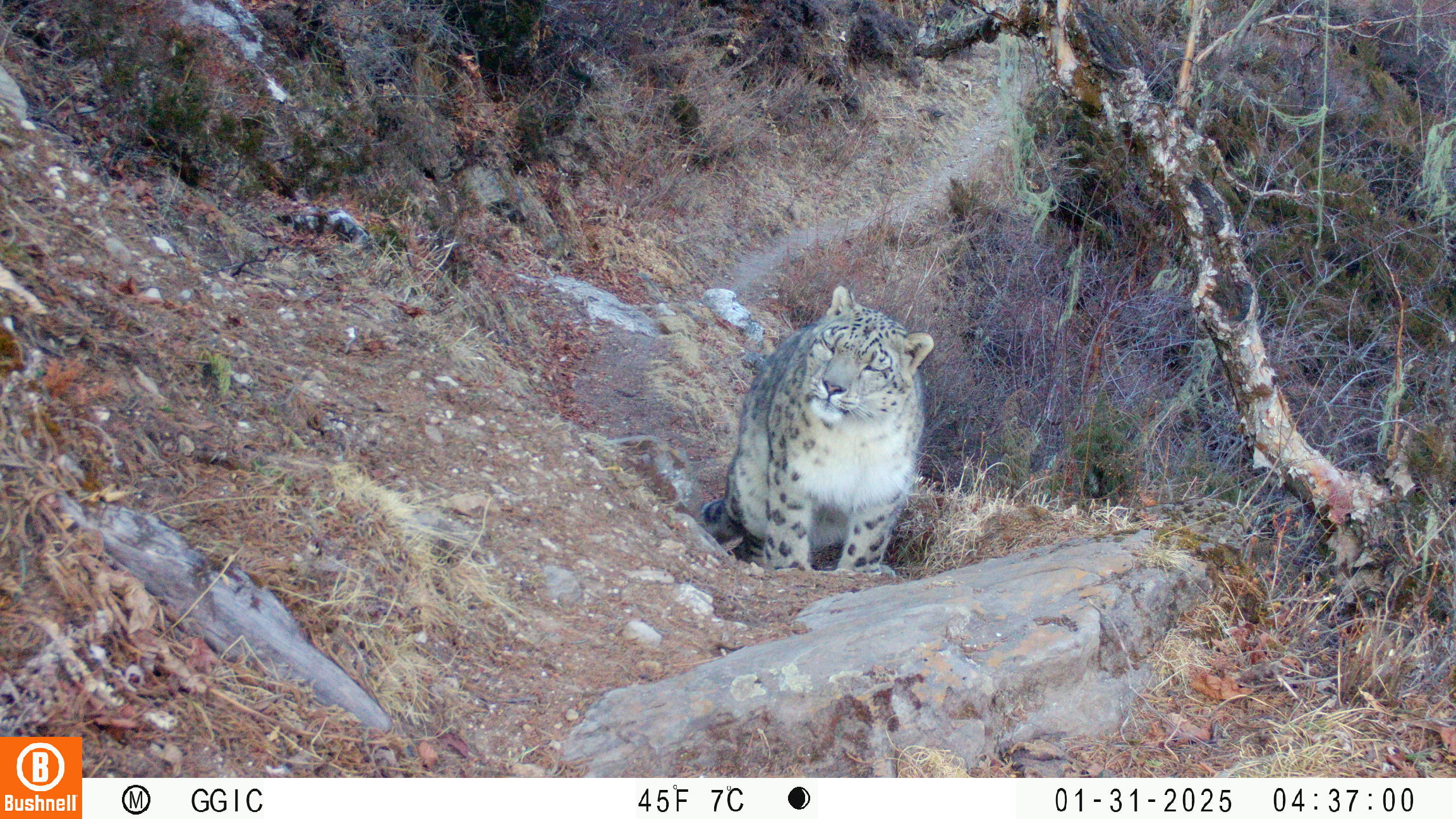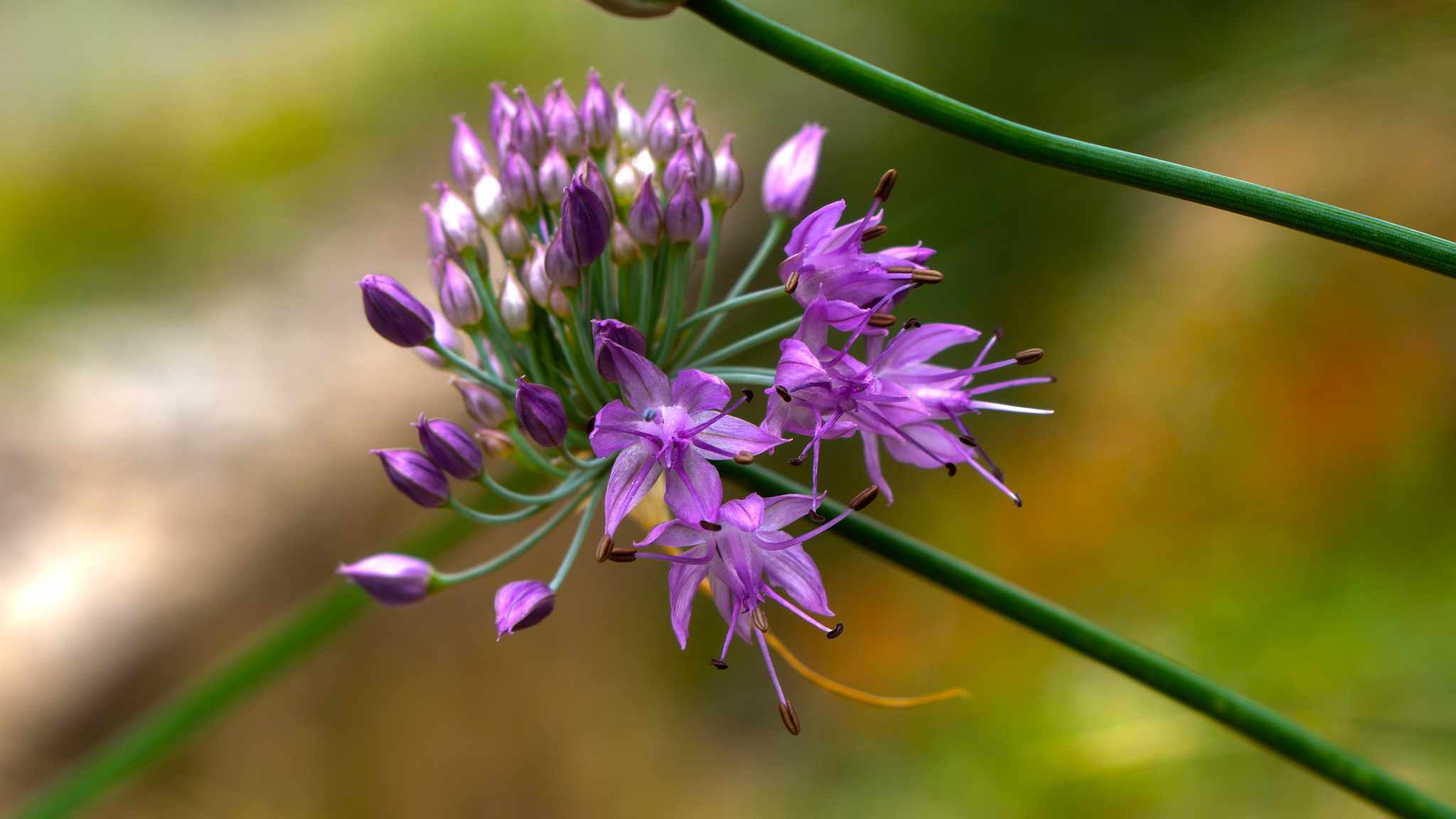
Communities in the remote Himalayan Phu Valley in Nepal, have begun farming jimbu — an aromatic chive central to a staple food, dal bhat. Some 37 households are involved in the pilot project.This herb offers a potential conservation dividend: Its pungent smell deters blue sheep from raiding crops; since they’re snow leopards’ main prey, it may reduce the cats’ visits to human settlements and lower livestock predation.Growing jimbu, with three yearly harvests, could generate about 12 million rupees ($79,500) — roughly $2,150 per household in communities where potato farming offers little cash income.Experts caution that the model is not universally replicable and warn against blanket adoption across other snow leopard habitats, emphasizing site-specific conservation needs.
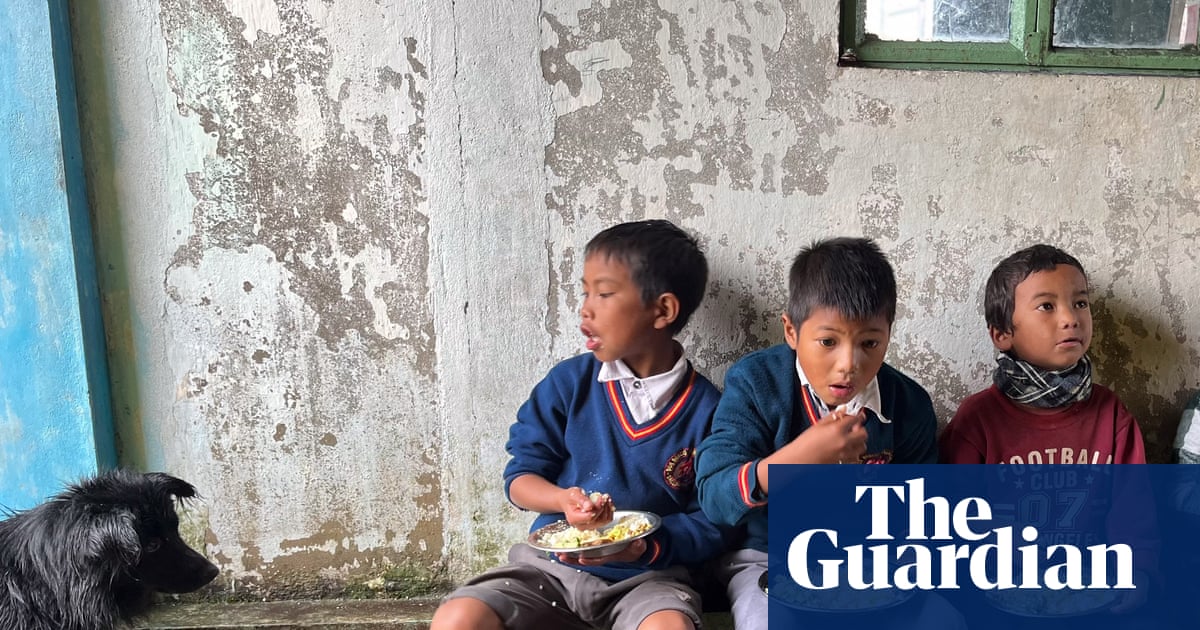
KATHMANDU — In Nepal, there’s a popular saying: “dal bhat power, 24 hour.” It refers to a humble plateful of rice and soupy lentils that Nepalis swear by, both at home and across the diaspora, as fuel for the body and a taste of home where it’s a staple meal for lunch and dinner. Now, an aromatic herb from the Himalayas that gives the Nepali staple its distinctive flavor offers Indigenous communities a potential promise: An alternative source of income and fewer conflicts with the iconic snow leopards that live in these mountain peaks.