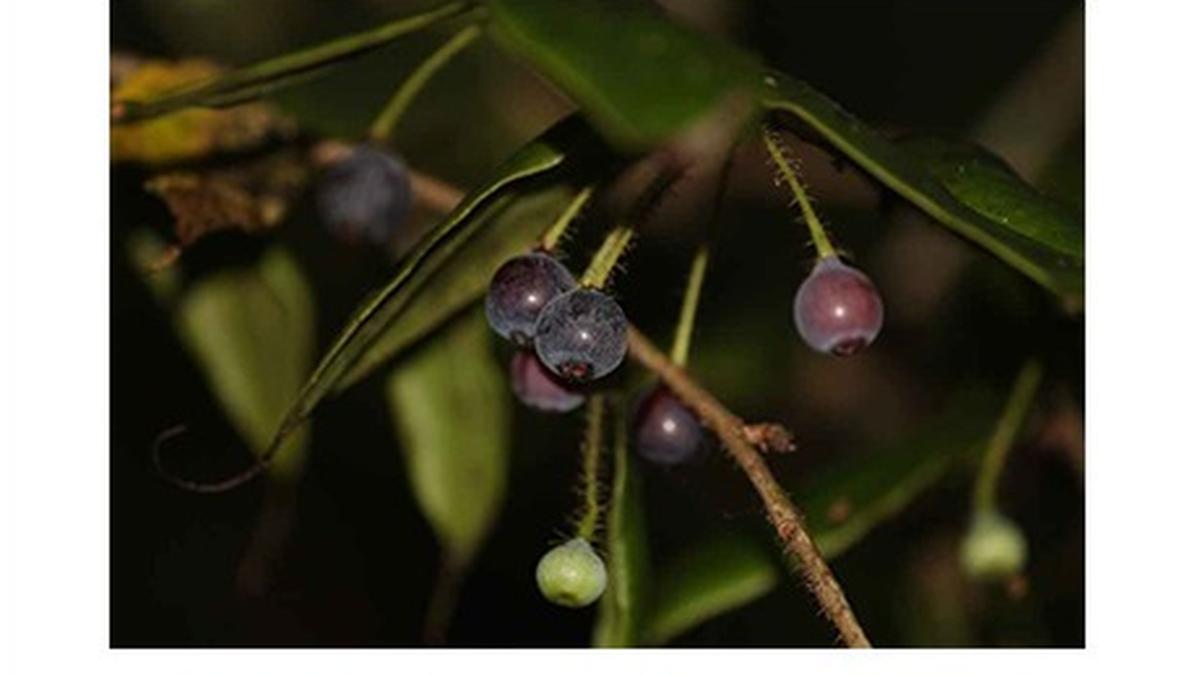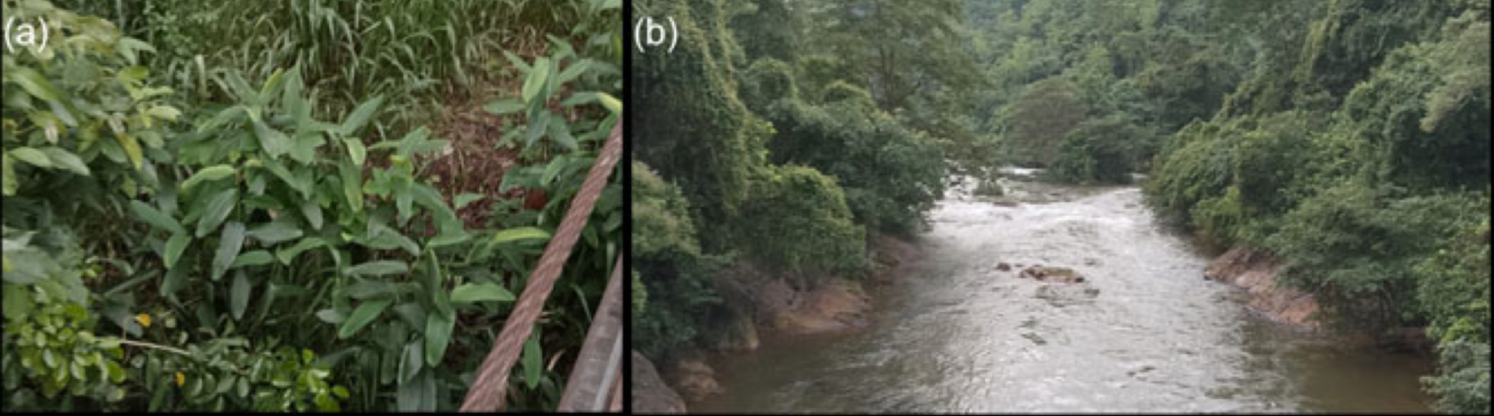
A rare Himalayan berry species believed to have disappeared from scientific records since the 19th century has been rediscovered in the forests of Arunachal Pradesh, sparking excitement among researchers and curiosity among locals who consider the fruit a natural energy booster.Scientists recently identified Vaccinium piliferum, an endangered wild relative of blueberry, during field surveys in Vijoynagar in Arunachal Pradesh’s Changlang district. The rediscovery comes nearly 188 years after the species was first documented during the colonial era.Also Read: India’s first rock check dam opens in Ladakh: Watch breathtaking blue paradise photos and video of Indus water at 11,000 feetLocals in the region claim the berry helps improve energy levels and physical performance, giving rise to comparisons with the mythical “Sanjeevani Buti” often associated with healing powers in Indian folklore.The discovery was made by researchers from the Society for Education and Environmental Development (SEED), CSIR-North East Institute of Science and Technology (CSIR-NEIST), and collaborating institutions. Their findings were recently published in the international journal Feddes Repertorium.Rare Himalayan berries unseen since the 1800sResearchers said British botanist William Griffith first collected the species in November 1836 from the Mishmi Hills of present-day Arunachal Pradesh. Another collection was later recorded from Meghalaya’s Khasi Hills in 1850 by botanists Joseph Dalton Hooker and T. Thomson.After those records, scientists could not confirm the presence of the species again for nearly two centuries.The latest finding is now being described as one of the rarest botanical rediscoveries from Northeast India in recent years.Only 16 plants found in the wildThe newly discovered population was found growing near tributaries of the Noa-Dihing river at elevations between 1,150 and 1,280 metres.Scientists documented only 16 individual plants spread across an area of around 2 square kilometres. Researchers observed that most of the plants were growing far apart from one another, highlighting the fragile state of the species in its natural habitat.Already listed as “Endangered” on the IUCN Red List, the plant faces survival risks because of its tiny population and restricted distribution. Researchers have now recorded GPS coordinates of all identified plants to support future monitoring and conservation work.Blueberry-like fruits and newly observed featuresThe species belongs to the Ericaceae family, which includes blueberries and cranberries. Scientists described it as a climbing shrub that can grow up to 4.5 metres tall while attaching itself to nearby trees in dense forests.The plant produces pale green bell-shaped flowers and dark purple berry-like fruits coated with a whitish-blue waxy layer resembling blueberries.Also Read: How this 120+ year-old Yogi & Padma awardee stayed so fit that Modi said he looked 'four times younger than me'According to the study, researchers also observed several previously undocumented characteristics in the rediscovered population, including its epiphytic growth habit, reddish leaf margins, glaucous floral structures, and blueberry-like fruits.Rediscovery highlights hidden biodiversityScientists believe the discovery once again underlines how remote Himalayan forests still hold several undocumented or forgotten species waiting to be studied.For conservationists, the rediscovery is also a reminder that many fragile species may survive in isolated pockets but remain vulnerable without long-term protection efforts.
Sanjeevani Booti? Scientists find a 'lost' blueberries in Himalayas after nearly 200 years; locals say it boosts...
A Himalayan berry species, 'Vaccinium piliferum', thought lost for 188 years, has been rediscovered in Arunachal Pradesh. This endangered wild blueberry relative was found in a limited population, highlighting the region's hidden biodiversity and the urgent need for conservation efforts.
503 words~2 min read