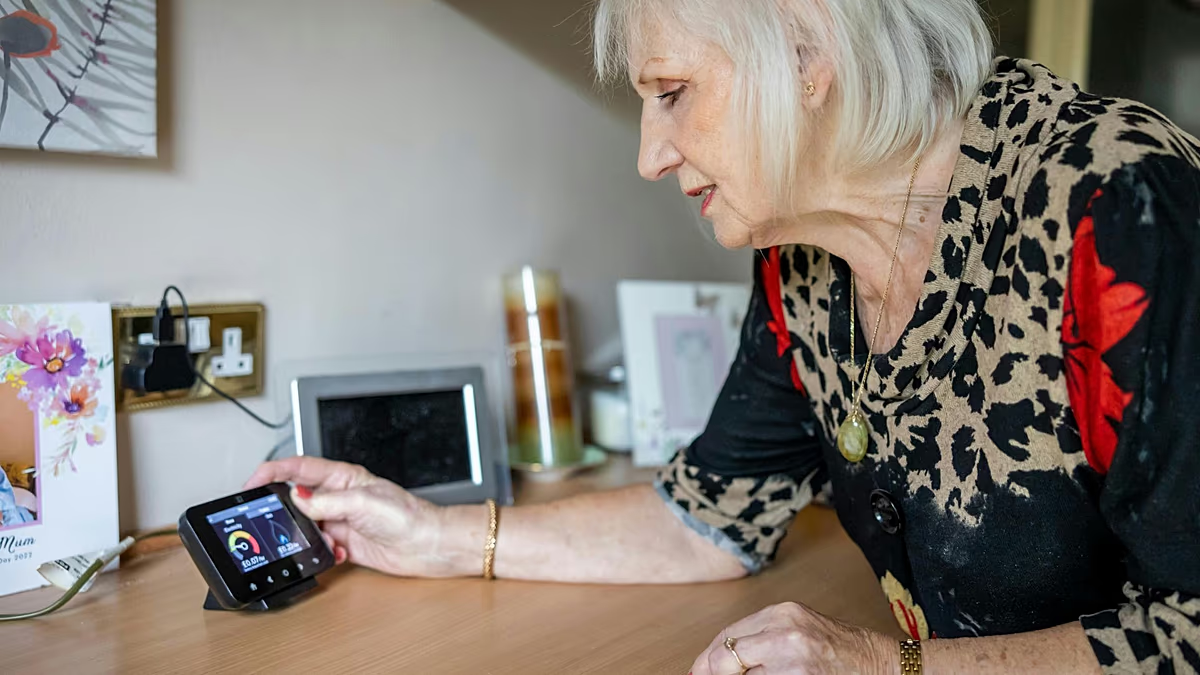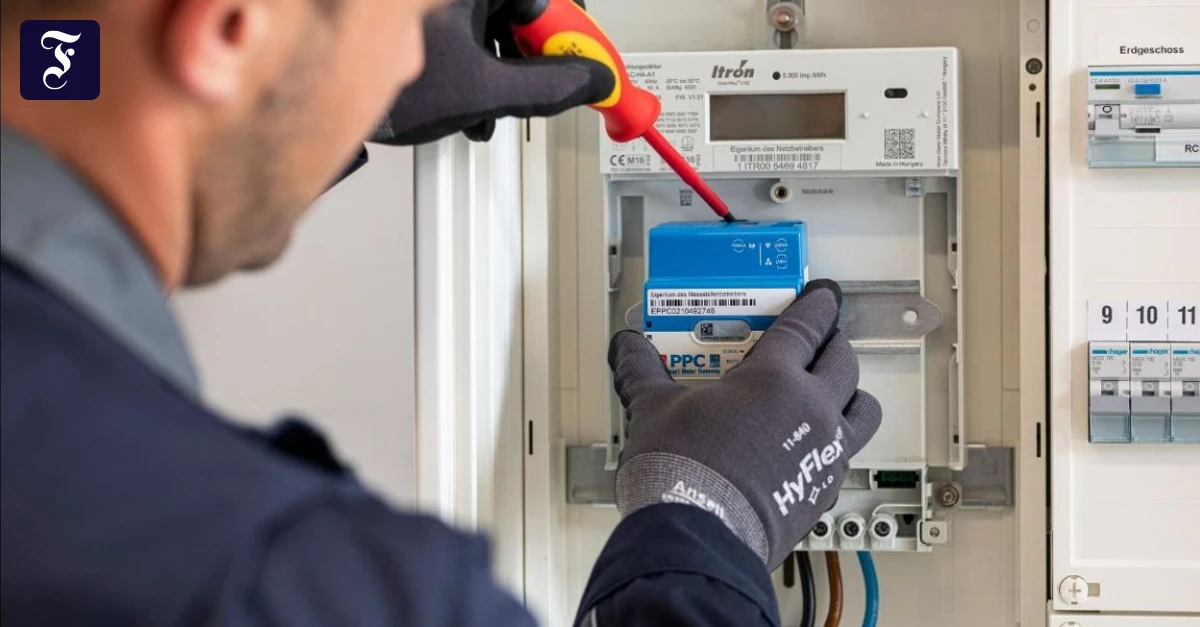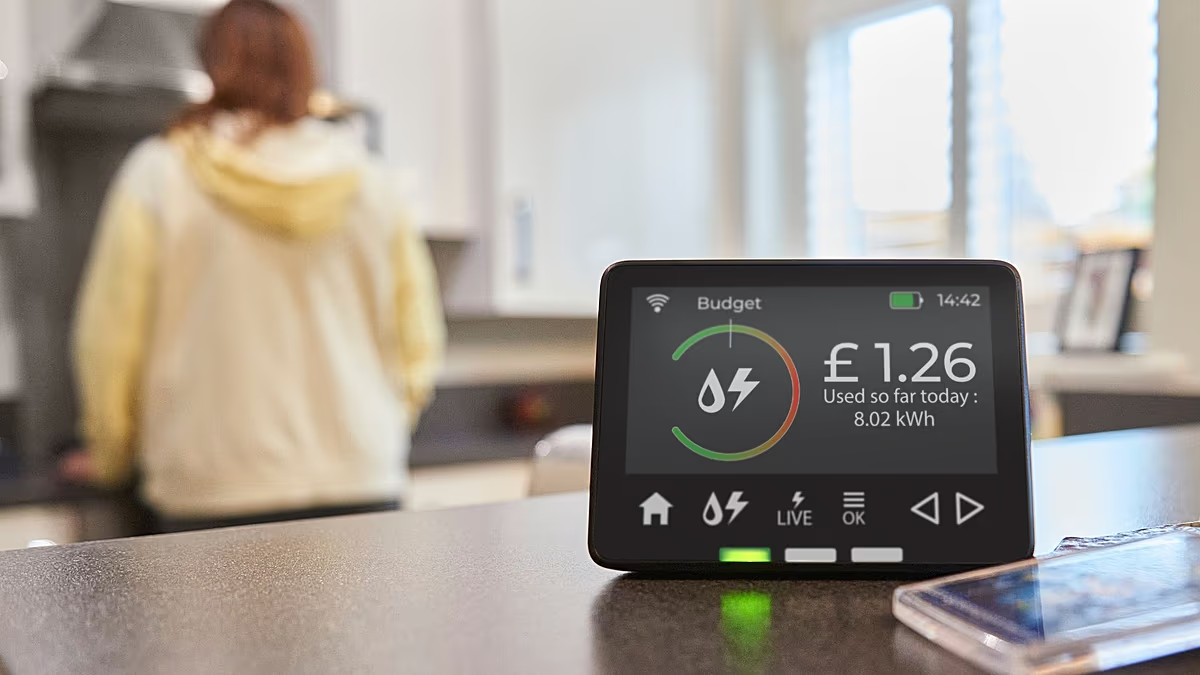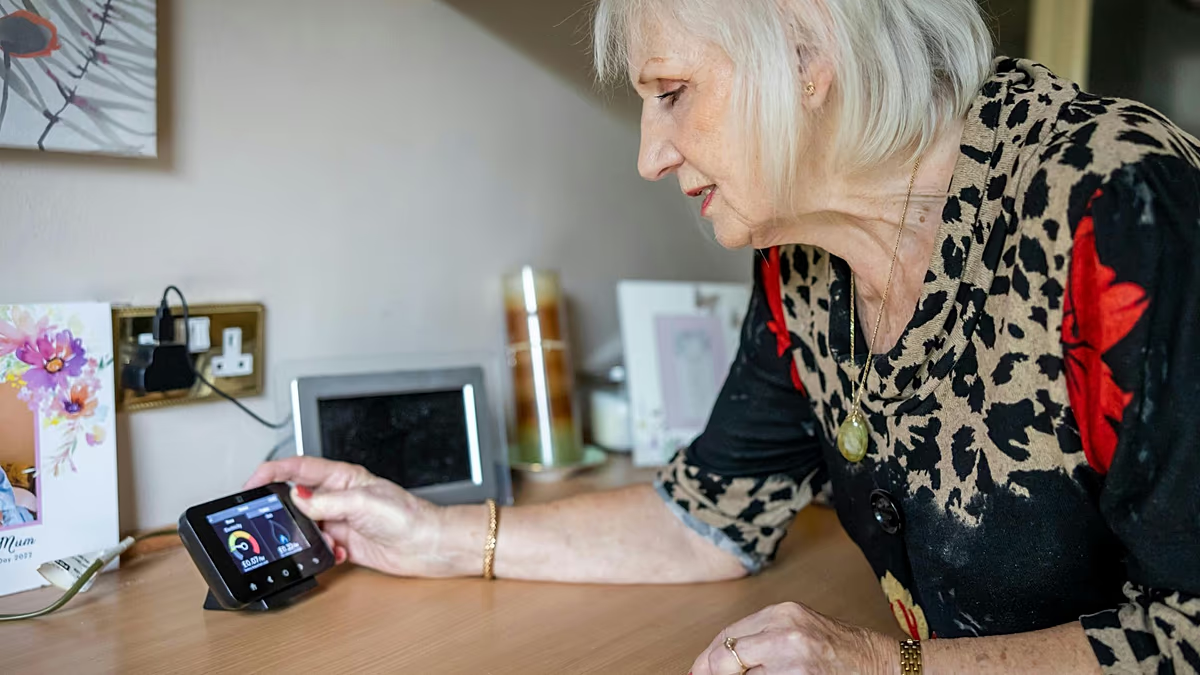
Germany has one of the slowest smart meter rollouts in Europe. Just 5.5 per cent of households have one as of December 2025, compared with more than 90 per cent in France, Italy, the Netherlands and Spain, and 63 per cent on average EU-wide.
This makes it harder for Germany to shift energy use toward times when renewables are abundant, contributing to the country’s wasted wind and solar – and to Germans paying some of the highest energy bills in Europe.
With recent data from the Energy Institute revealing that Germany generated more power from wind and solar than from fossil fuels last year for the first time, grid flexibility solutions like smart meters are only becoming more important.
So what’s behind Germany’s sluggish smart meter rollout – and is it starting to gain pace?
Why Germany opted out of the EU’s smart meter rollout