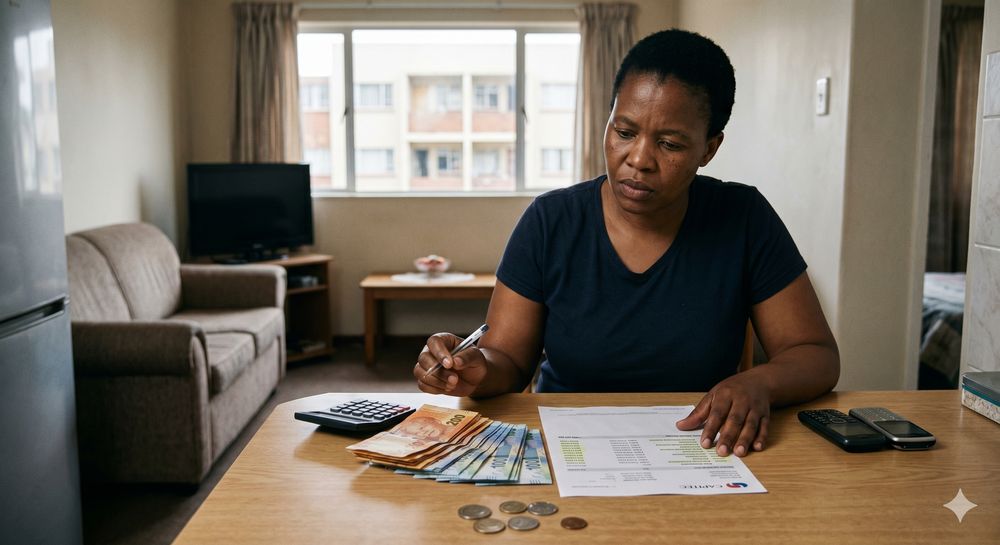
Explore the financial implications of unpaid caregiving responsibilities faced by daughters in South Africa, as experts highlight the urgent need for financial planning and support systems to ensure women's financial security.
As South Africa marks Women's Month, financial experts are warning that one of the country's least visible gender inequalities is quietly eroding women's financial security: the growing expectation that daughters will become both caregivers and financial providers for ageing parents.
Globally, women and girls perform an estimated 16 billion hours of unpaid care work every day, according to UN Women. While much of this care is rooted in love and family responsibility, experts say the financial consequences of this invisible labour are often overlooked.
South African research suggests the burden remains overwhelmingly gendered. The Commission for Gender Equality's 2024 review of unpaid care work found that women continue to shoulder most unpaid caregiving responsibilities, including caring for elderly relatives. For many households, that responsibility falls almost by default to adult daughters, who often become care coordinators, financial supporters and emergency responders without formal planning or financial safeguards.