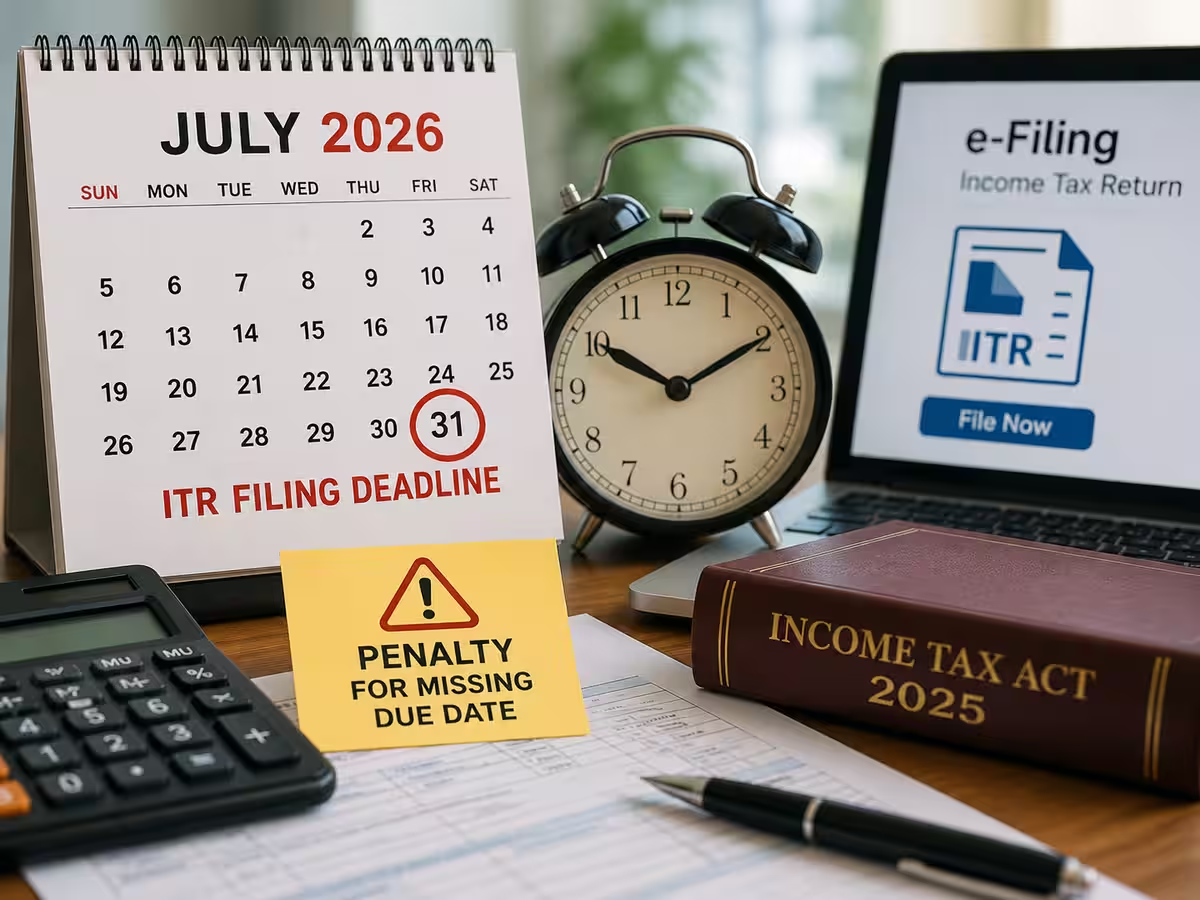
SynopsisTaxpayers missing the July 31, 2026 income tax return deadline have options. A belated ITR can be filed until December 31, 2026, with a late fee. Alternatively, a condonation of delay application can be submitted for acceptance. Filing after the due date incurs interest on unpaid taxes and potential loss of benefits. This process may also lead to delayed refunds and increased compliance scrutiny.ET OnlineMissed filing your ITR by July 31, 2026? Know your options and here’s what you can do now (AI generated represented image)The deadline for filing income tax returns (ITR) was July 31, 2026, for salaried individuals, pensioners, students and others without a business income or the need for a tax audit.But, if you have any business or professional income, then the ITR filing deadline is August 31, 2026. This article focuses on taxpayers who were supposed to file their ITR by July 31, 2026, but missed the deadline, and what their options are now.To recap the due dates are:July 31, 2026: For most salaried individuals and taxpayers who are not required to get their accounts audited.August 31, 2026: For certain eligible taxpayers, including specified businesses and professionals covered under the revised due date provisions.Also read: What if you miss the July 31, 2026 ITR filing due date? Here are your optionsBefore you continue readingHow financially free are you?Most people overestimate their financial freedom. Discover your Financial Freedom score through a quick surveyWhat can you do?You can either file a condonation of delay application and if it is accepted, then file an income tax return (ITR). Or you can pay the late fee and file a belated ITR. The late fee is Rs 1,000 if your total income is less than Rs 5 lakh and Rs 5,000 if your total income is more than Rs 5 lakh. The due date to file a belated ITR is December 31, 2026.If you have filed an original ITR before the expiry of the July 31, 2026 due date, then only you can file a revised ITR, the due date for which is March 31, 2027.Also read: Reporting perquisite as capital gain in ITR by mistake resulted in Rs 6.63 crore penalty for a salaried employee; ITAT Mumbai granted him relief for this reasonConsequences of missing the original ITR due dateChartered Accountant Abhishek Soni, co-founder, Tax2Win, says that filing a belated income tax return can have several financial and tax implications:Late filing fee: A penalty of up to Rs 5,000 may be levied under Section 234F. If your total income does not exceed Rs 5 lakh, the maximum late fee is Rs 1,000.Interest on unpaid tax: Interest under Sections 234A, 234B, and 234C is charged at 1% per month (or part of a month) on the outstanding tax liability from the original due date until the tax is paid.Loss of carry-forward benefits: You may lose the ability to carry forward certain losses, such as business losses and capital losses, to future assessment years (subject to specified exceptions).Delay in tax refunds: If you are eligible for a refund, filing after the due date may result in a longer processing time.Higher compliance risk: Continued non-compliance or willful failure to file your return may invite notices from the Income Tax Department and, in serious cases, legal action. (Join our ETWealth WhatsApp channel for all the latest updates)...more
Missed filing your ITR by July 31, 2026? Know your options and here’s what you can do now - The Economic Times
Taxpayers missing the July 31, 2026 income tax return deadline have options. A belated ITR can be filed until December 31, 2026, with a late fee. Alternatively, a condonation of delay application can be submitted for acceptance. Filing after the due date incurs interest on unpaid taxes and potential loss of benefits. This process may also lead to delayed refunds and increased compliance scrutiny.
553 words~3 min read