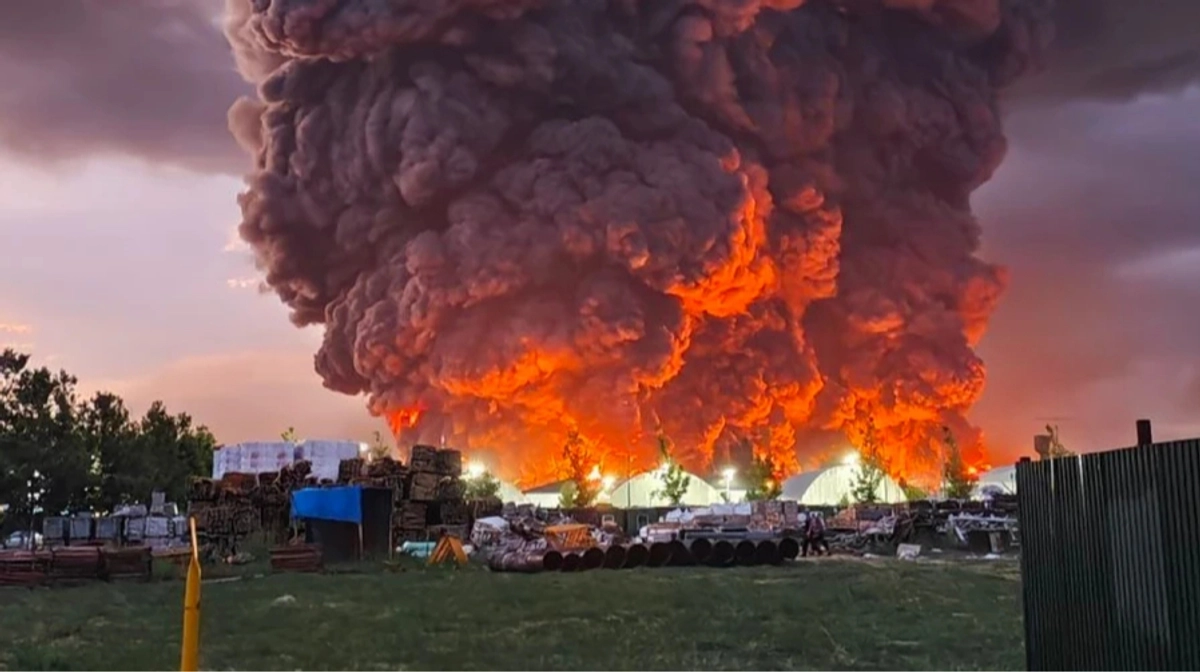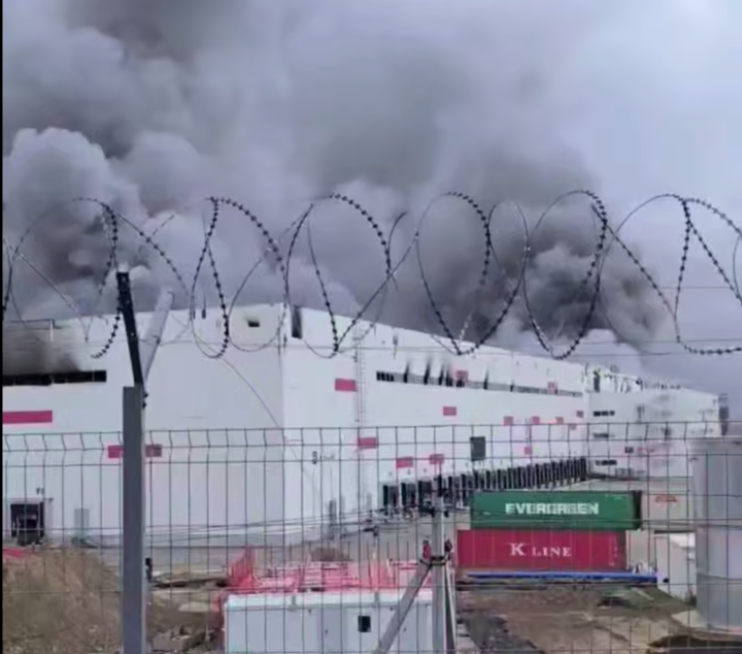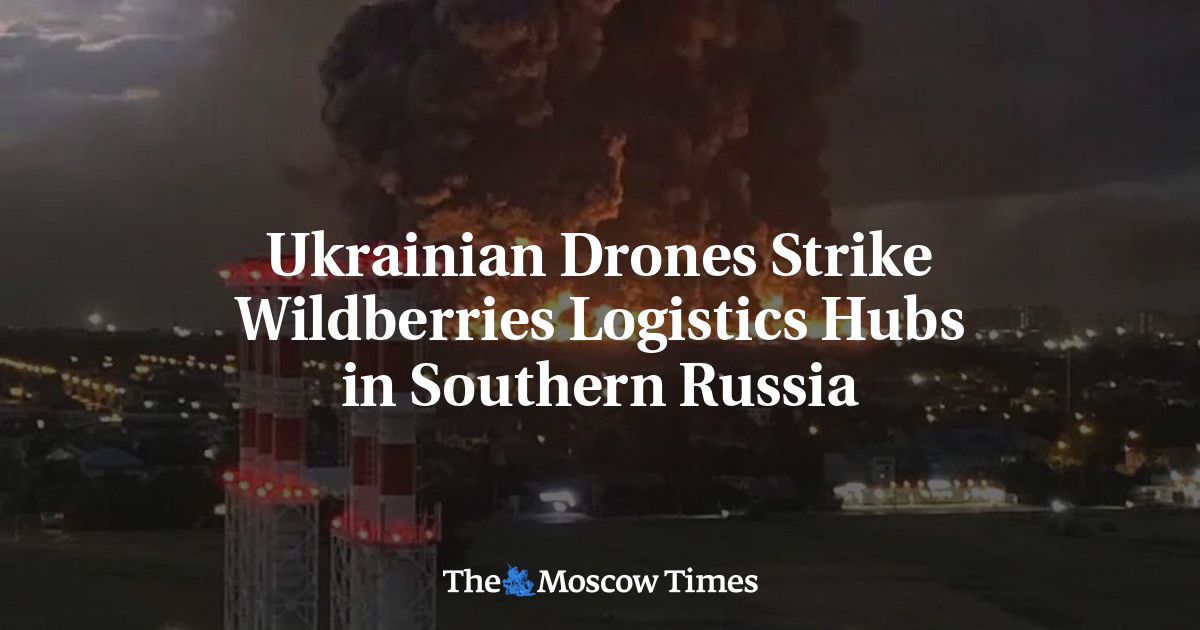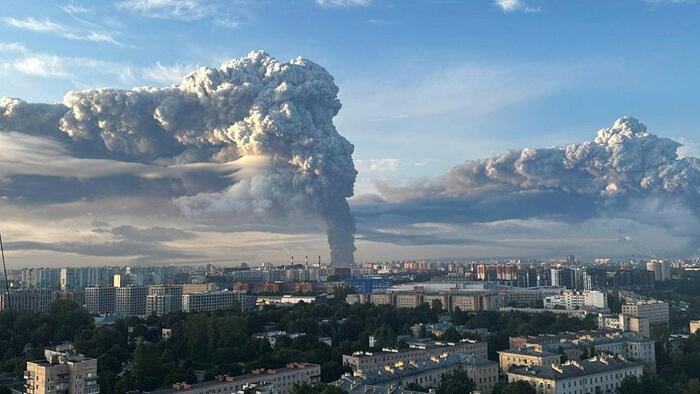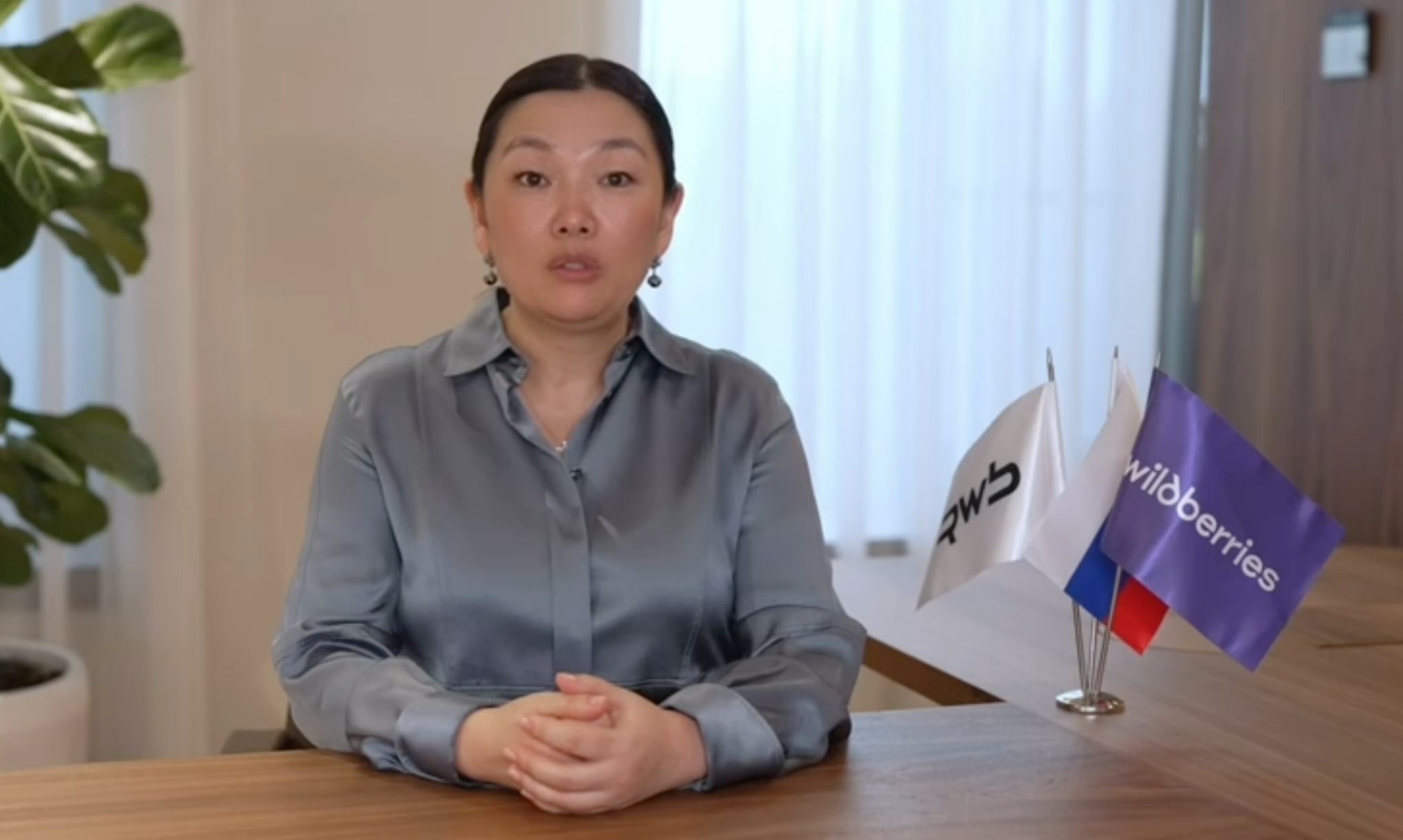
Tatiana Kim, founder and CEO of Russian retail giant Wildberries, delivered a video address on July 31 responding to the recent spate of Ukrainian drone attacks on the company's warehouses. The address follows a sustained strike campaign against Wildberries logistics centers across Russia in the latter part of July. Ukraine has targeted at least a dozen warehouses, with the most recent strikes reported in Volgograd and Tatarstan. Speaking to Wildberries sellers and consumers via her official Telegram channel, Kim described the security measures her company was taking in response to the strikes and explained why the business was not legally obligated to compensate users for losses caused by attacks. In line with the Kremlin's standard talking points, Kim described Kyiv's strike campaign on Wildberries as a "terrorist attack." "For nearly two weeks now, our company's warehouses have been under terrorist attack. Why our warehouses, of all places? ... (A)ttacks against us are attacks against hundreds of millions of people in 10 countries at once," she said. Kim claimed that Wildberries entrepreneurs in Russia and partner countries, including China and Kazakhstan, had "suffered losses amounting to billions." She also argued that Wildberries was not on the hook for these losses. Ukraine's warehouse attacks "constitute force majeure," Kim said. "Whether or not this clause is included in the terms of service is irrelevant; therefore, these losses are not subject to compensation under the law." Sellers who lost income due to the strikes should instead wait for the Russian government to provide assistance in the form of "a comprehensive package of support measures" to those affected, Kim said. She also mentioned the increased discounts and deferred payment options Wildberries had offered impacted sellers in the wake of the strikes. Wildberries makes up almost 50% of Russia's online retail market, according to market estimates, and Kim is currently the wealthiest woman in Russia. Despite the steep economic costs and steady barrage of strikes, Kim maintained that her company was doing everything possible to secure its facilities, products, workers, and customers. "Our warehouses are equipped with every available means of protection," she said, adding that Wildberries continued upgrading its air defense systems and improving fire safety measures. Kim claimed that Wildberries was "successfully repelling most of the attacks" against its facilities. The warehouse damage, she said, results from the intensity of Ukrainian firepower. Ukraine launched "more than 200" drones during ia single attack on the Wildberries center in Yekaterinburg, she said. Kyiv has stated that the campaign against Wildberries is intended to disrupt Russian military logistics. Officials point to the array of dual-use items available for purchase on the platform that can then be used on the battlefield in Ukraine, including bulletproof vests and fiber-optic cable for drones.Kim dismissed this, saying Wildberries was not a military operation. Ukrainians "are covering up their true motives and accusing us of allegedly selling military goods," she said. "But you can visit any global marketplace — Amazon or Alibaba — and see for yourself whether we have anything they don't." While Wildberries warehouses are civilian objects, supplying equipment to the Russian army may make them legitimate military targets. According to international law, effective contribution to military action can justify proportionate attacks on such objects. After Ukrainian drones began setting fire to its warehouses, Wildberries started hiding certain goods from results of searches that refer to the war in Ukraine. Kim closed her address by urging the Russian business community to "keep a cool head." "We will do everything we can to help businesses cope with this difficult situation," she said. "I thank everyone for their support. Together, we are stronger. Because Wildberries is you."
Wildberries CEO speaks out after week of Ukrainian warehouse strikes
Founder and CEO Tatiana Kim claimed that Wildberries entrepreneurs in Russia and partner countries, including China and Kazakhstan, had "suffered losses amounting to billions."
605 words~3 min read