When we hear the words gene therapy, it can sound like something out of a science-fiction film; a promise to rewrite the very code of life. Yet today, gene therapy is no longer just a dream. It is here, changing lives in ways many of us never imagined. But what does it mean, and who is it really for?
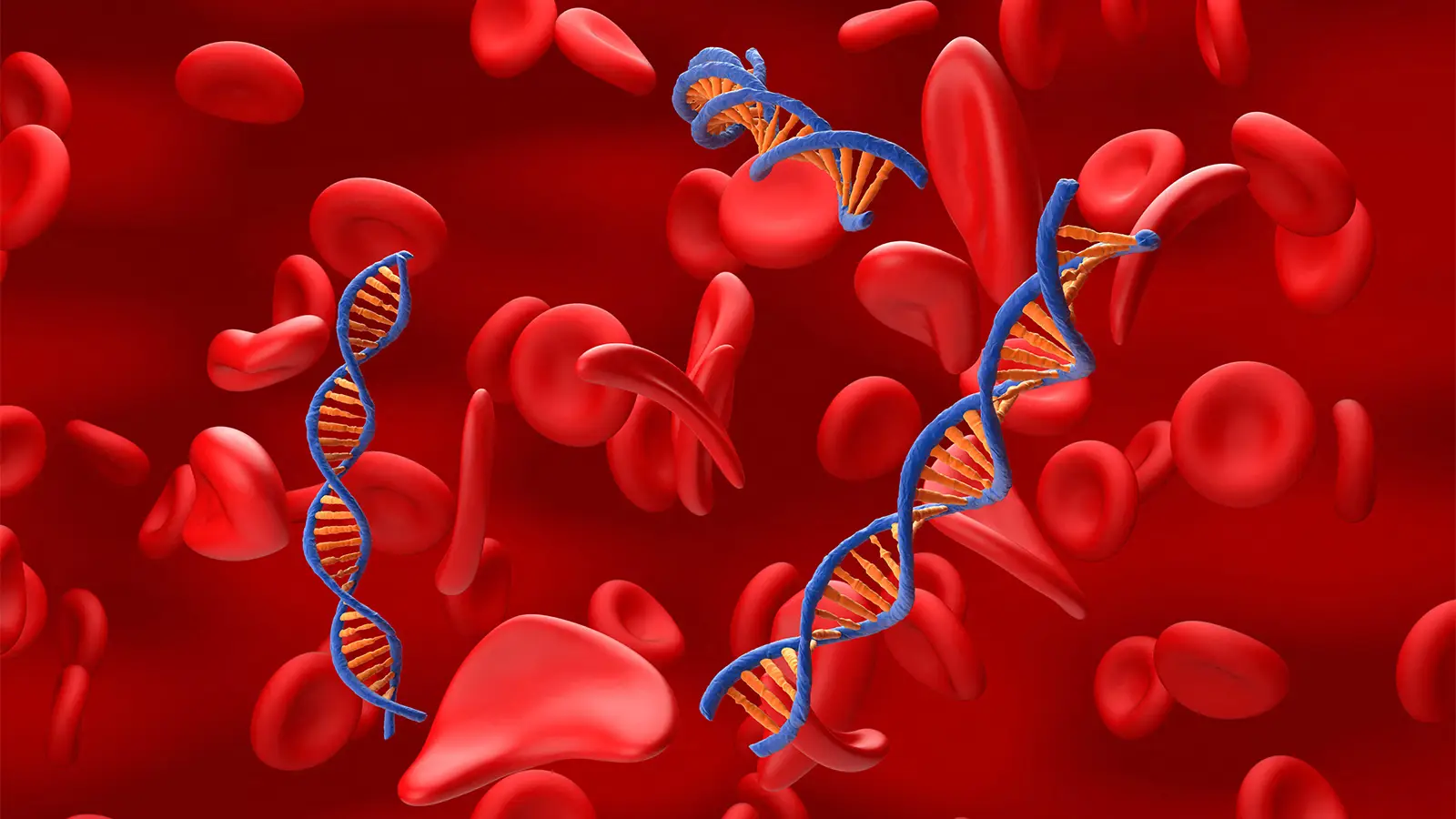
Gene therapy is a treatment that goes straight to the root of certain illnesses: our genes. Genes are the body’s instructions, its blueprint. They tell our cells how to grow, how to function and how to survive. But when just one instruction carries a mistake, the body suffers.
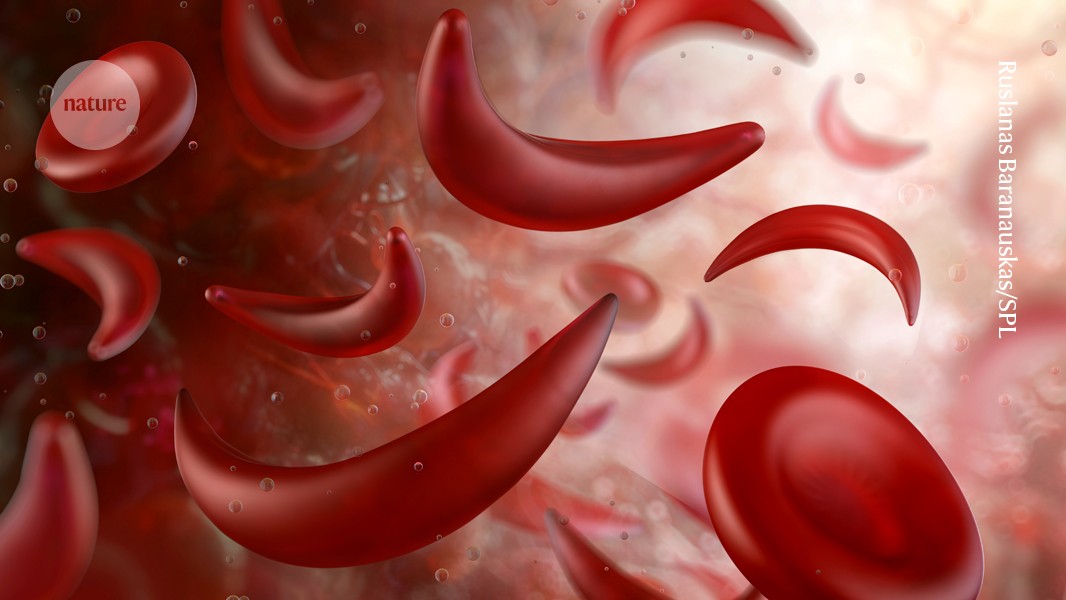
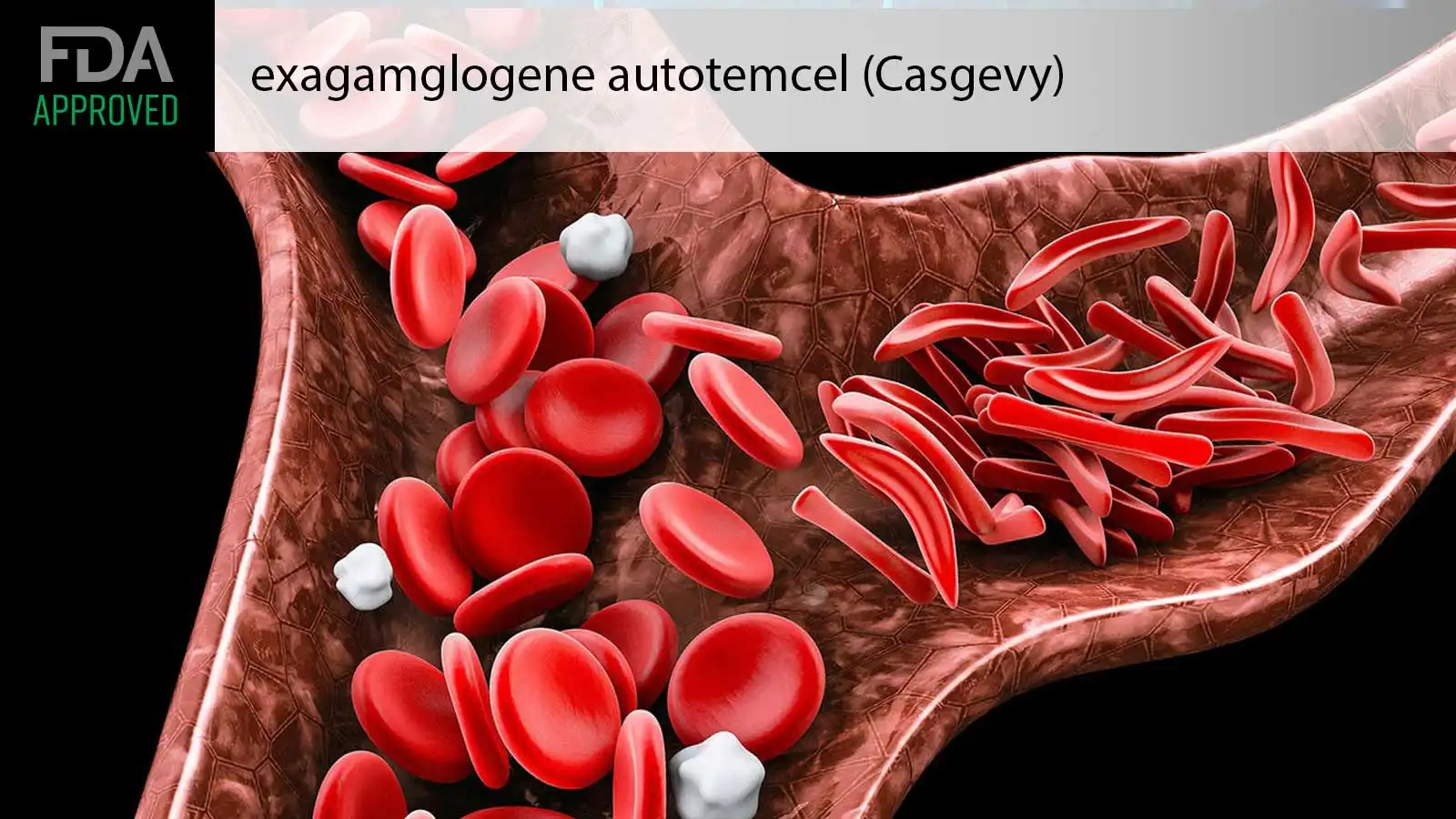
This is what happens in Sickle Cell Disease. A single mutation changes the shape of red blood cells, twisting them into sickles that block blood vessels, trigger unbearable pain and damage vital organs. Traditional treatments, like hydroxyurea or regular blood transfusions, only manage symptoms. They cannot touch the faulty gene itself. Gene therapy, however, is different. It aims to correct the mistake at its source, giving the body a chance to produce healthy red blood cells again.
Who is it for? Right now, gene therapy is mostly for people with serious inherited illnesses caused by a single faulty gene: Sickle Cell Disease, thalassaemia, spinal muscular atrophy and even some rare forms of blindness. For people with these conditions, gene therapy offers something no other treatment has ever truly offered: the chance of freedom, the possibility of a cure.