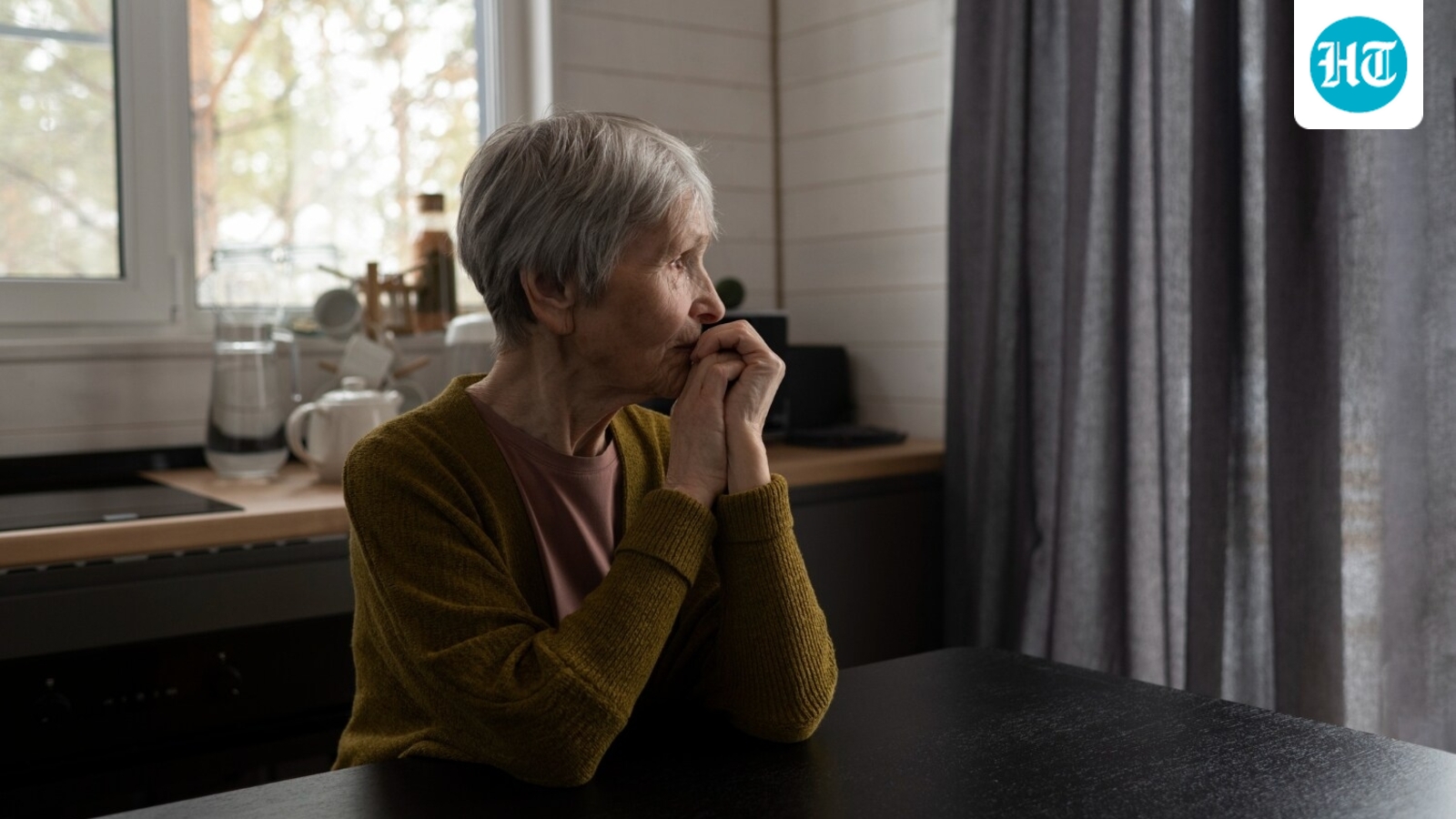
SINGAPORE: Day after day, it was the same routine for him after he retired. A swim each morning and watching television for the rest of the day.Occasionally, he would bring his prized birds to a pet shop in Clementi, where he chatted with fellow bird enthusiasts over coffee.“I think he felt that life in Singapore was very monotonous,” Joseph, his son, told CNA."He just kept saying there was nothing to do," he added. At 85, Joseph’s father died by suicide.Joseph's father was among a group that experts said deserves greater attention: older men.According to Singapore’s latest suicide statistics released by the Samaritans of Singapore (SOS), older men accounted for three in four suicides among those aged 60 and above in 2024. Of the 120 deaths in that age group, 90 were men and 30 were women.Across all age groups, men accounted for nearly two-thirds of the 441 suicide deaths recorded that year. Provisional data for 2025 show a similar proportion. Experts say vulnerability in later life often stems not from a single event, but from a combination of life transitions - retirement, declining health, shrinking social circles and a reluctance to seek help.
WHEN WORK BECOMES IDENTITYFor many older men, work is closely tied to their sense of self.Professor Paulin Straughan, director of the Centre for Research on Successful Ageing and sociology professor from the Singapore Management University, said traditional gender roles meant that many men devoted themselves almost entirely to paid work. Over time, work became most men’s “total self”, Prof Straughan said.“They are so overcompensated in their commitment to paid work that they leave insufficient time for building social networks,” she added.The consequences often become apparent after retirement, when men whose lives have revolved around work suddenly lose the routines, structure and identity their careers once provided.“If you don't spend time that is for nurturing your own hobbies, nurturing relationships, you're going to face an empty four walls when you retire because you didn't invest right in that preparation for retirement,” Prof Struaghan said.Retirement is not just the loss of a job. For many older men, it can also feel like the loss of their role within the family.Associate Professor Dr Helen Ko, a gerontologist from the Singapore University of Social Sciences (SUSS), said many older men were raised to see providing as their primary responsibility."There are a lot of men who tend to be expected to put food on the table, to be the breadwinner, to support the family," she said.As a result, no longer working can affect their self-esteem and self-worth. But experts said retirement does not have to mean losing one’s purpose.Ms Loh Yan Zhu, head of programme for counselling and coaching at the Tsao Foundation, encourages older men to find meaning in life after retirement."One important shift we encourage is moving from being the family's material provider to becoming an emotional provider," said Ms Loh."While they may no longer support the household financially in the same way, they retain a vital role in offering encouragement, sharing life experiences, and strengthening family bonds,” she said.