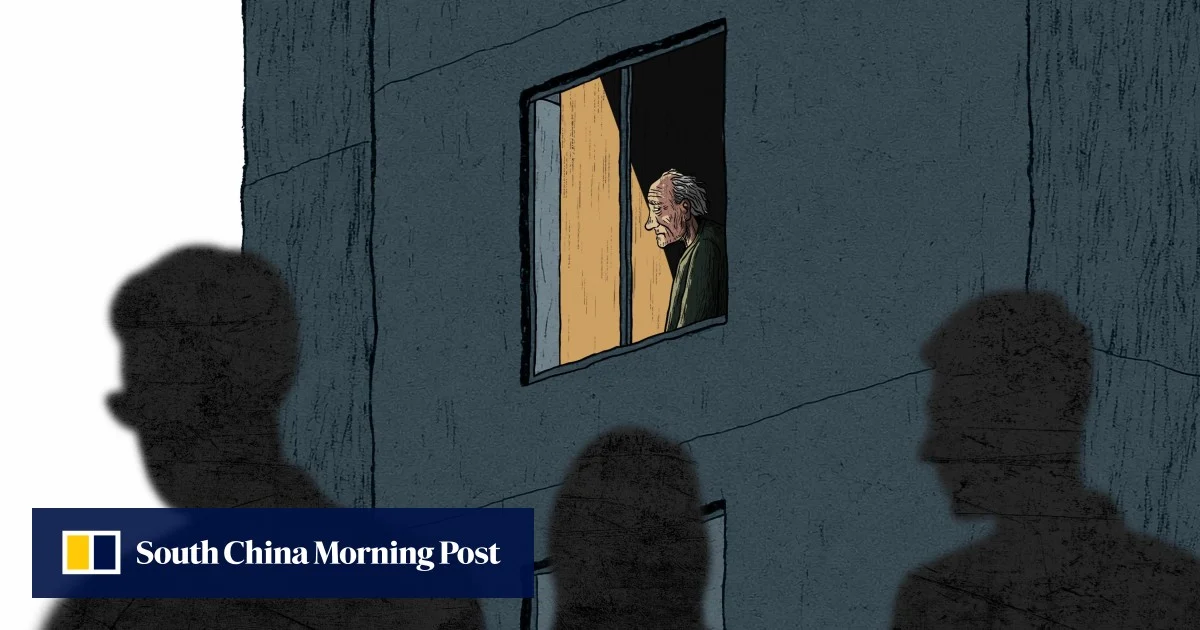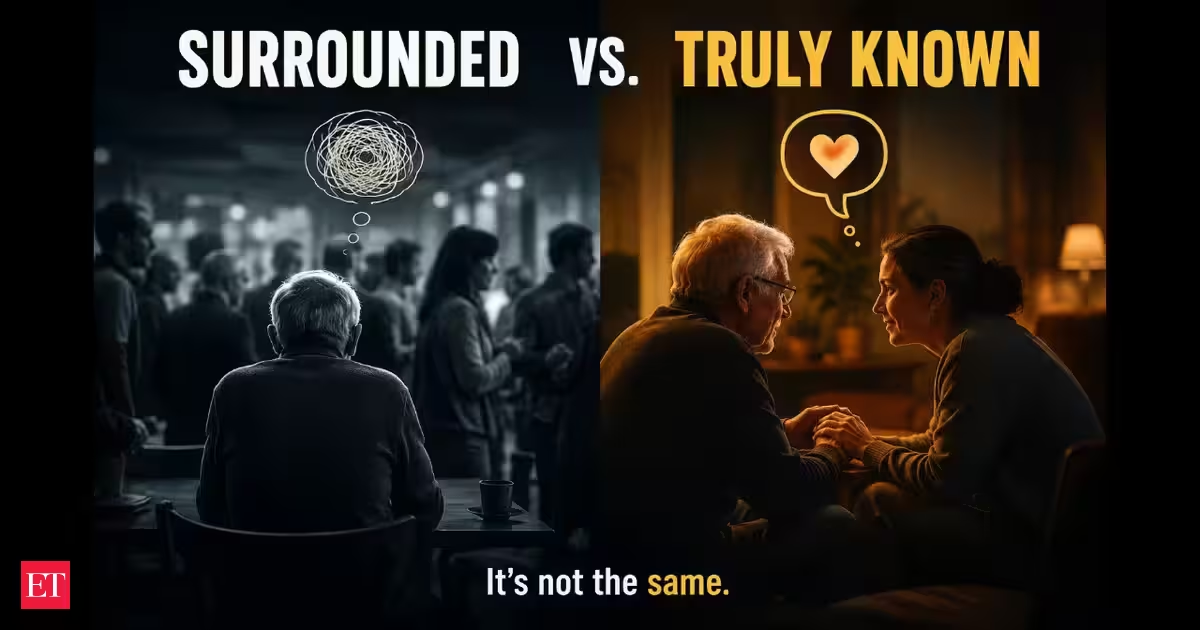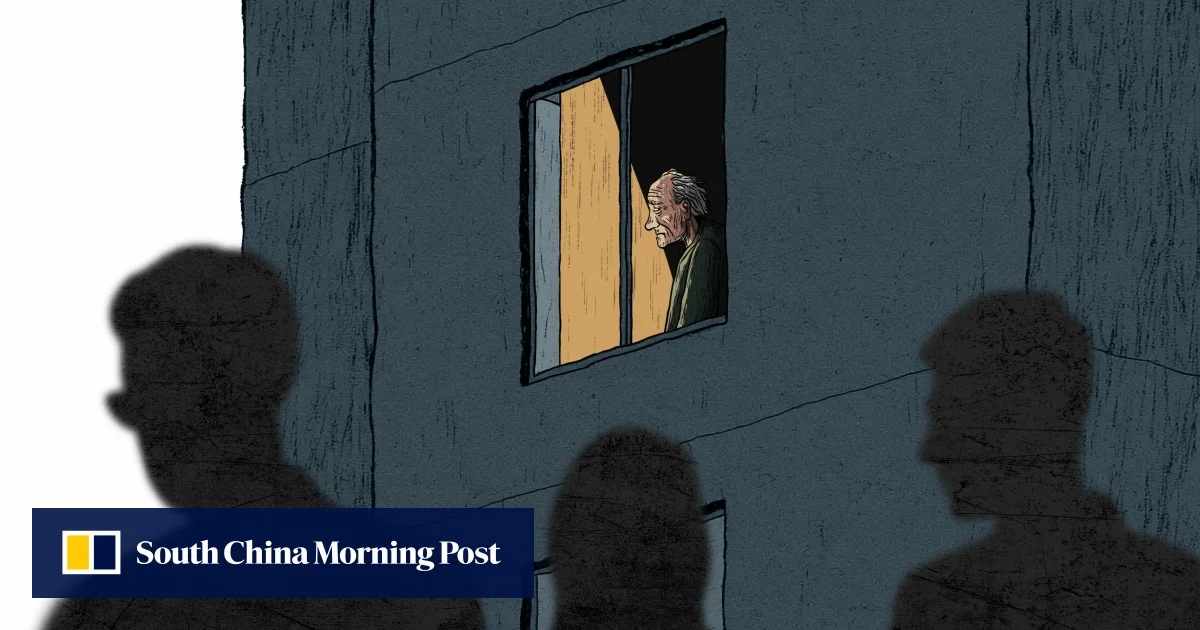
"I don’t know how to make new friends at my age." "I feel isolated in my home." "I’m worried that I will lose all my work friends when I retire."
Those are the type of comments I get in my side gig as a writer of a weekly advice column on social connection. It was never on my career plan to start dispensing advice to people over 50, but with our longer lives, many of us are on second, third and fourth acts anyway. Business is brisk in the advice trade because fear of loneliness and loss of social networks as we age is a rising concern in a rapidly aging country and world.
It’s a big issue: Being lonely has all sorts of negative health consequences, especially later in life when people are more vulnerable to downturns in both physical and cognitive health. More people are becoming aware that loneliness is connected to everything from heart disease to diabetes to dementia, but they are still stunned to find that researchers have judged that being lonely is roughly equivalent to smoking 15 cigarettes a day. And a new national study from AARP, released in December 2025, found that 40% of adults age 45+ are lonely, a material rise from the 35% that AARP found in both 2010 and 2018.
Loneliness is not evenly spread, even among older adults. Men, for instance, are more likely to be lonely than women but so are people who are not working, make less than $25,000 a year, live in rural areas or identify as LGBTQ+. Conversely, while no group escapes the threat of loneliness, you are better off being highly educated, wealthy and over 70.