On Aug. 1, representatives of Venezuela’s interim government and opposition will sit down for negotiations aimed at rebuilding the country’s democratic institutions. The announcement comes six months after former dictator Nicolas Maduro’s removal in a U.S. military operation in January, and it has been met with the same reflexive skepticism that has accompanied every previous attempt at Venezuelan dialogue. That skepticism is understandable: Over the past decade, nearly every negotiation has collapsed after the government used the process to buy time, consolidate power, and avoid meaningful concessions. The talks that preceded the stolen July 2024 presidential election are the clearest example. Washington backed a negotiation process between government and opposition that appeared to open the door to a competitive election — only to watch the ruling party abandon its commitments the moment it became clear it would lose.But there are real reasons to think this time is structured differently, even if the outcome is far from guaranteed.
Three reasons this round looks different
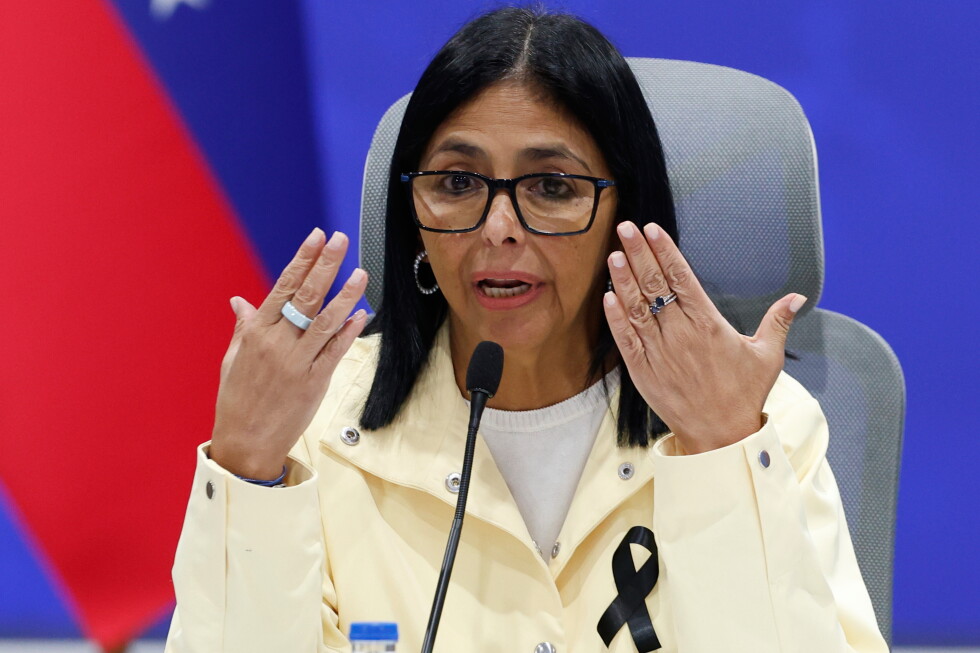
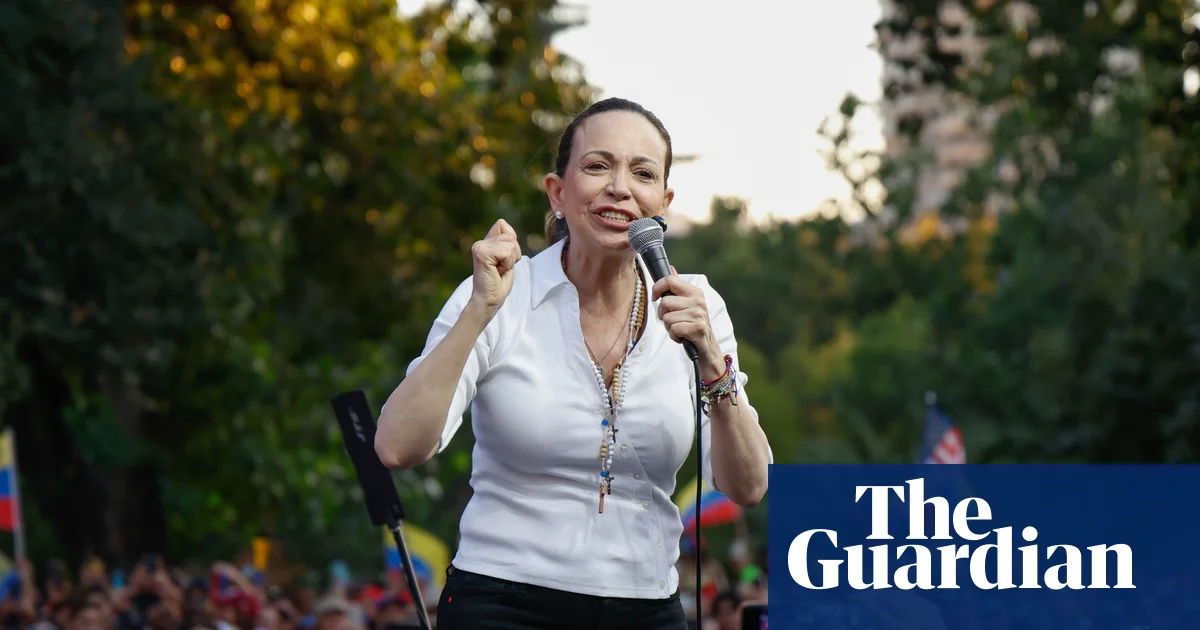
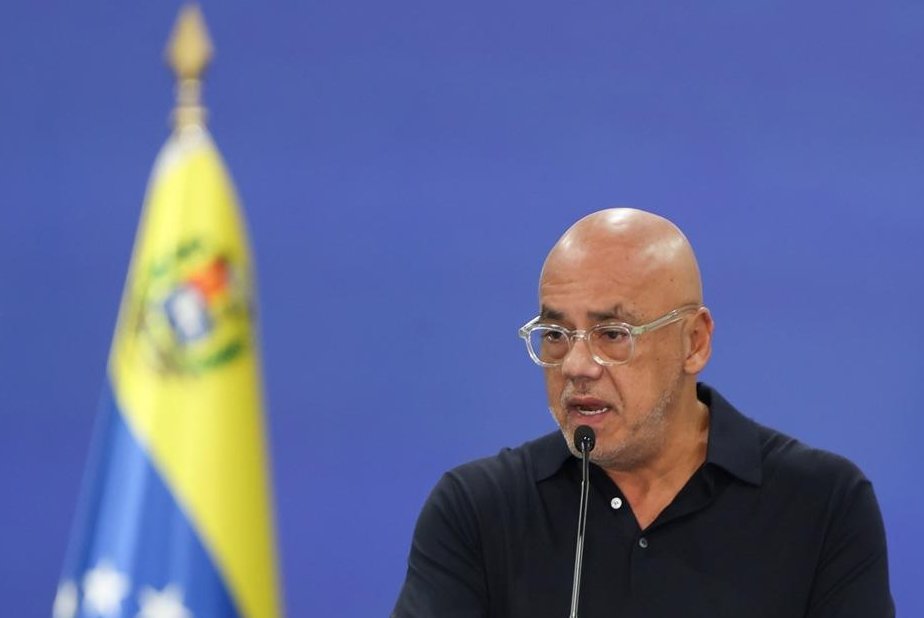
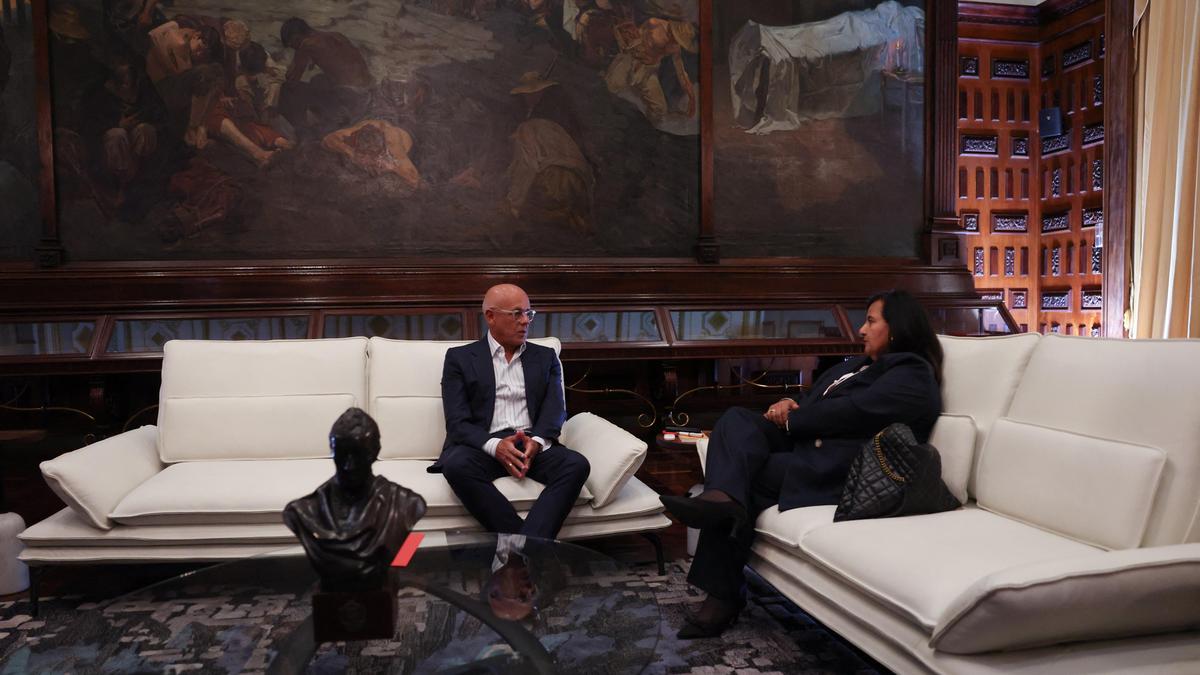
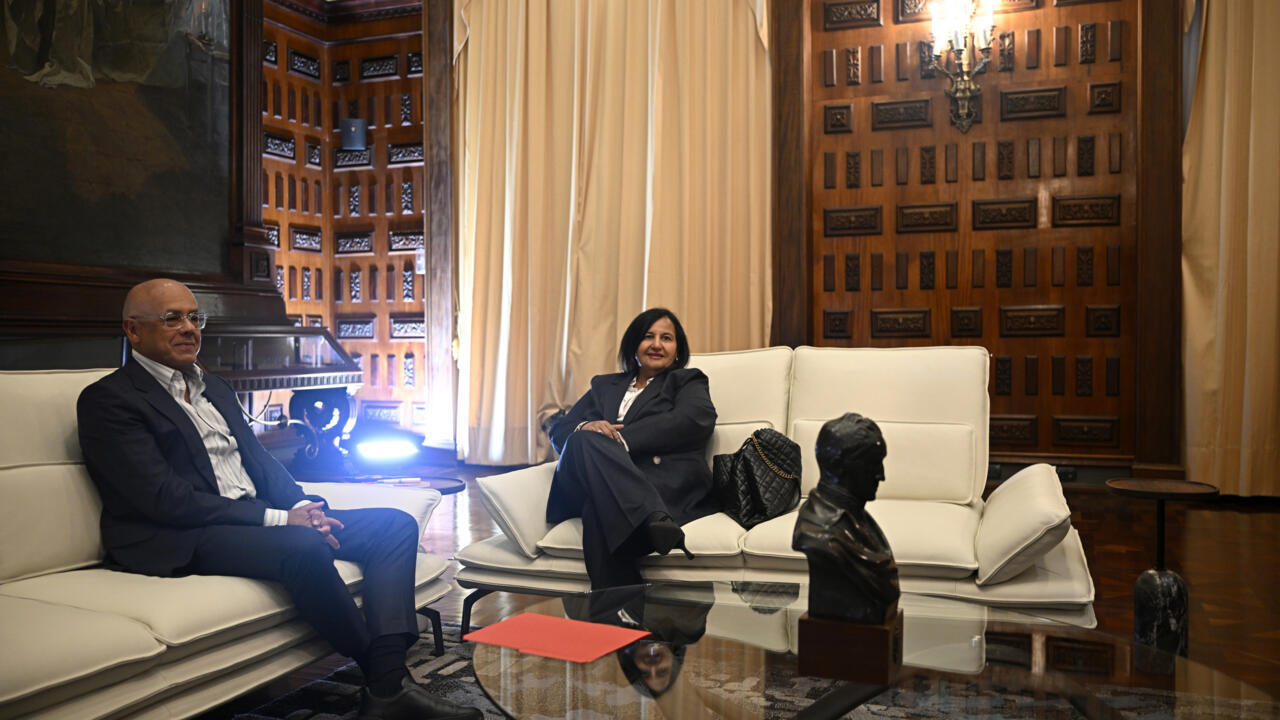
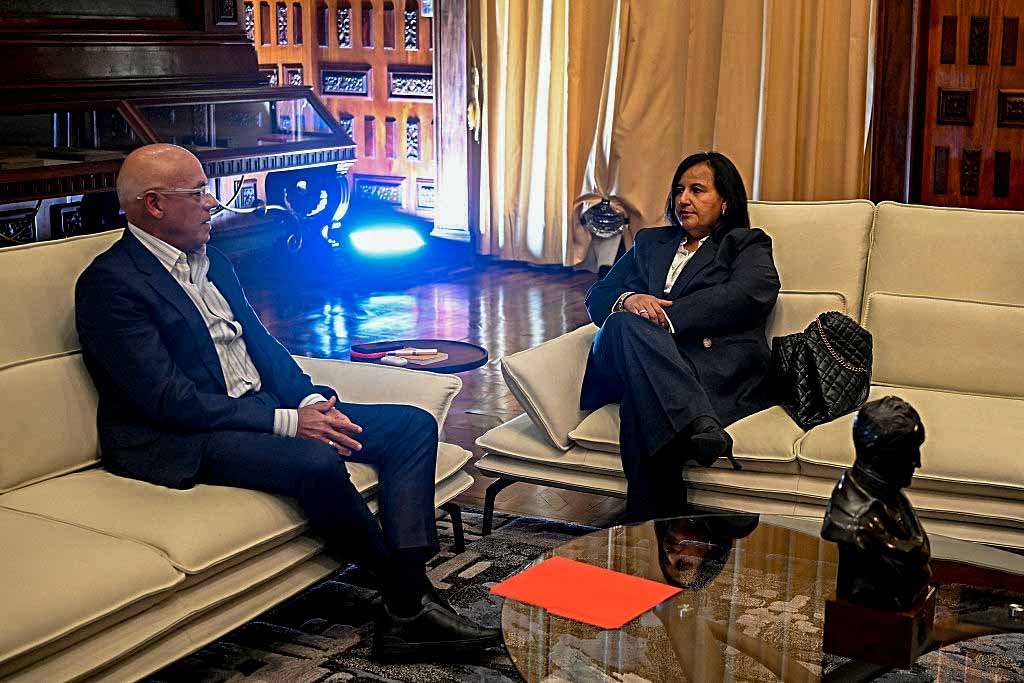
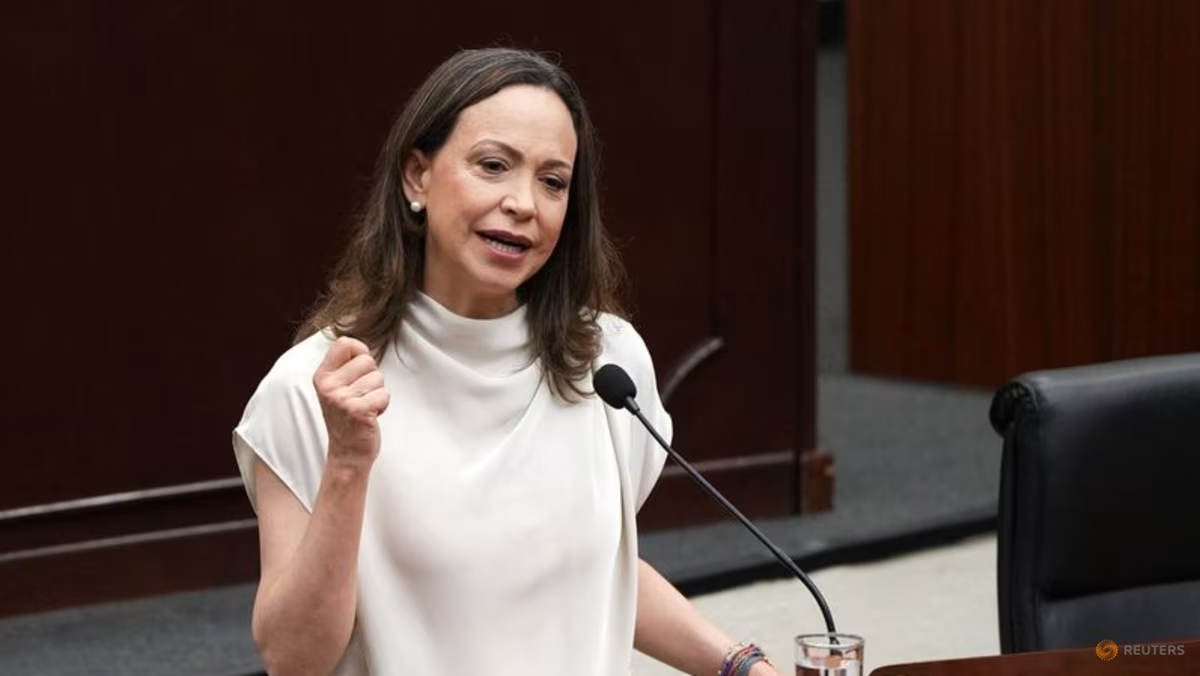
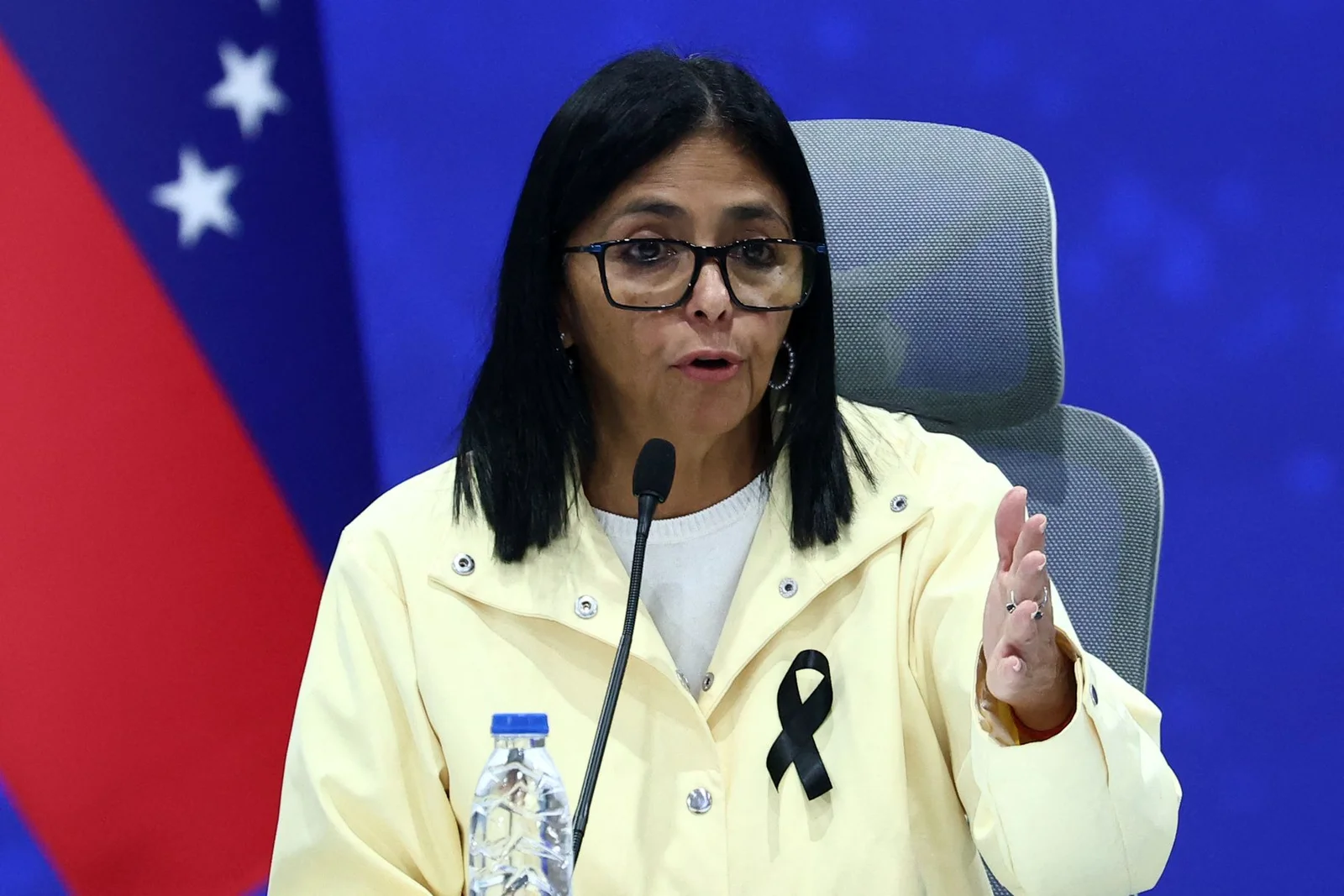
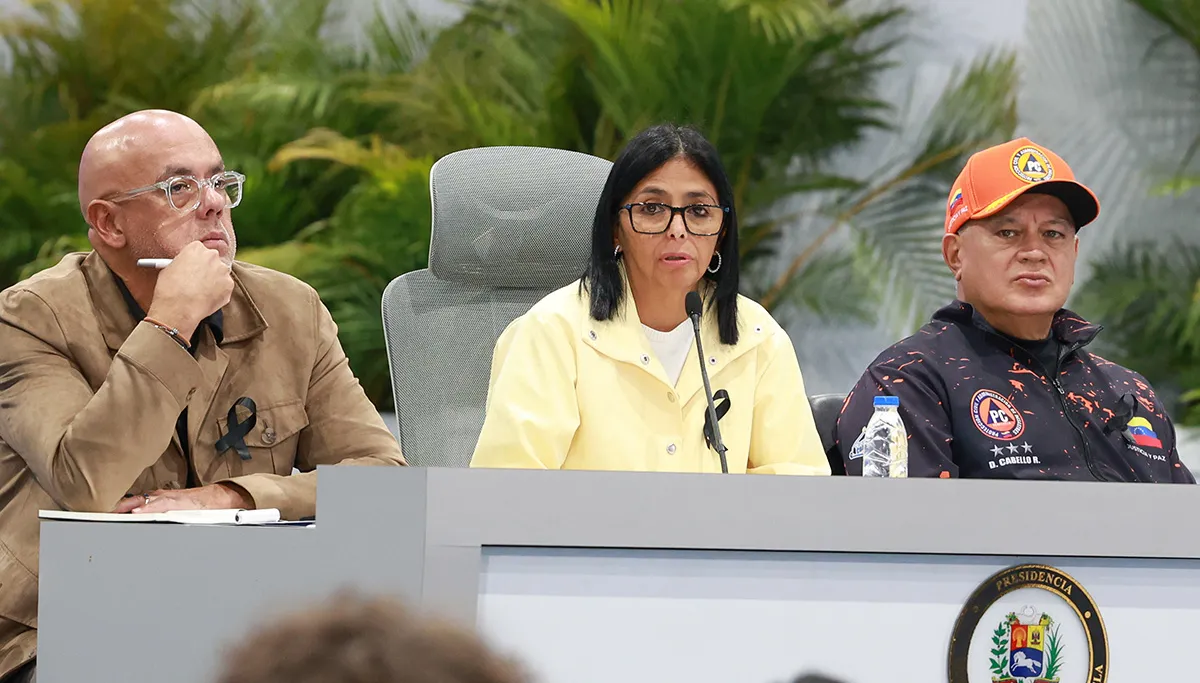
First, the United States holds real leverage over the regime for the first time since Chavismo took power. Maduro is detained in New York and faces criminal charges. Washington has demonstrated a willingness to intervene militarily when it perceives a regional security threat. And the interim government understands that economic recovery — made even more urgent by the devastating June earthquakes that killed thousands and caused tens of billions of dollars in damage — depends on continued access to U.S. markets and investment. This combination of pressure and dependency simply did not exist during earlier rounds of dialogue.Secretary of State Marco Rubio’s involvement reinforces that leverage. Rubio has followed Venezuela’s negotiation history closely and understands how past talks were used as stalling tactics. His direct engagement, including publicly confirming that talks would begin in early August, narrows the regime’s ability to treat this round as political theater.Jorge Rodriguez, president of the National Assembly and brother of interim leader Delcy Rodriguez, will represent the interim government. Across from him is Dinorah Figuera, who led the 2015 National Assembly — the last legislature Washington recognizes as having been elected freely. Her presence is not symbolic; it reflects a deliberate effort to anchor the talks in an institution with democratic legitimacy. Figuera spent years in exile in Spain, and her return to Caracas earlier this year — facilitated by the U.S. State Department — was a turning point. It signaled both Washington’s willingness to invest political capital in a negotiated process and the interim government’s recognition that it must engage with figures who carry credibility inside Venezuela. Her early meeting with Rodriguez laid the groundwork for the current negotiations and helped create a channel that both sides now view as viable. Second, hardliners inside the regime have not disappeared, but their posture has shifted. For years, figures like Diosdado Cabello — Venezuela’s interior minister, ruling-party secretary general, and long the regime’s most feared enforcer — pushed an uncompromising line against the opposition and blocked any real accommodation. Cabello is named in the same U.S. drug-trafficking indictment used to justify Maduro’s capture, and Washington has a $25 million bounty on him. By any normal reading of the situation, he should be the last person cooperating with the Americans.Yet in the six months since Maduro’s capture, Cabello has presented a notably cooperative face to U.S. officials now working in Caracas. Reuters has reported that American officials were quietly in contact with him for months before the raid and have stayed in touch since, warning, through intermediaries, that defiance could put him on the same trajectory Maduro faced, while cooperation could shape his political future. Photos of senior U.S. officials shaking hands with Cabello during post-earthquake coordination efforts triggered outrage among opposition supporters, but they also underscore a larger point: a figure who once embodied the regime’s most coercive instincts now sees open cooperation as the safer path.Venezuela’s interim president, Delcy Rodriguez, accompanied by the president of the National Assembly, Jorge Rodriguez, and Minister of the Interior, Justice, and Peace Diosdado Cabello, holds a press conference for national and international media in Caracas, Venezuela, on July 2, 2026. (Javier Campos/NurPhoto via Getty Images)