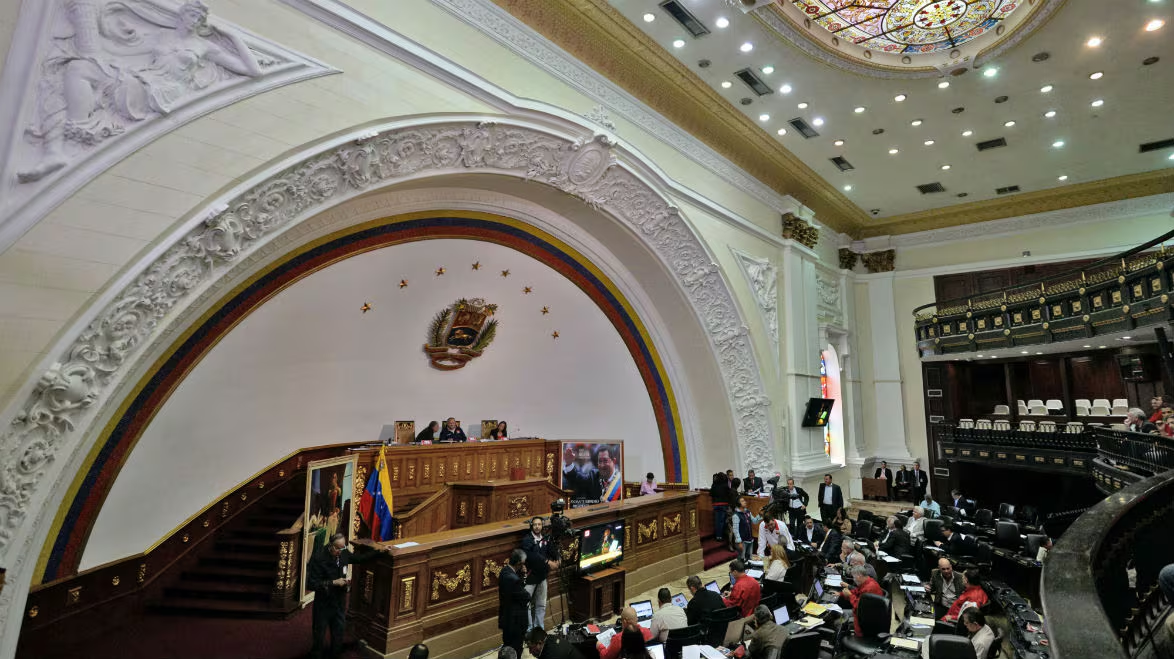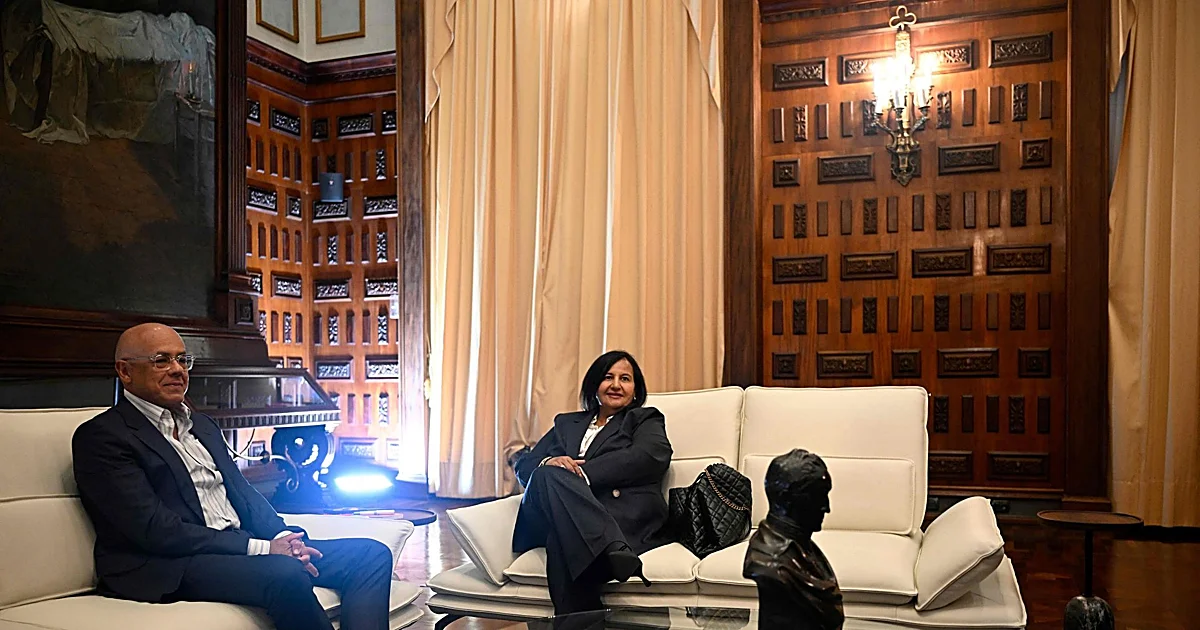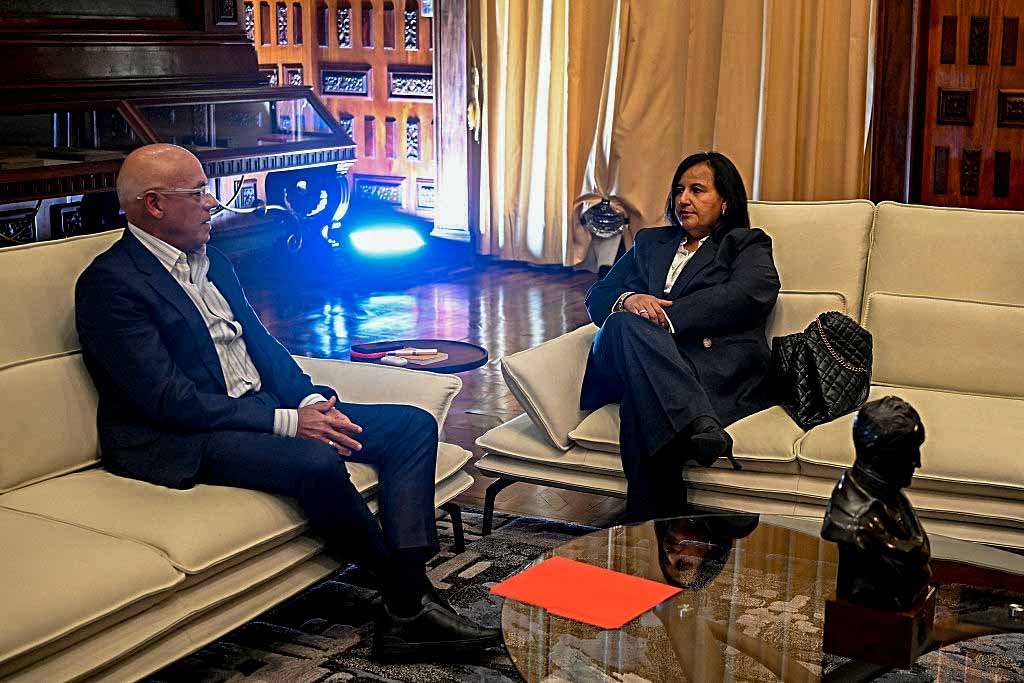
Reading Time: 4 minutesCARACAS—When representatives of the Venezuelan government and the opposition meet at the negotiating table on August 1, international attention will once again focus on the possibility of a lasting political agreement. Still, history urges caution. Venezuelans have reason to hope, but even greater reason to be skeptical.
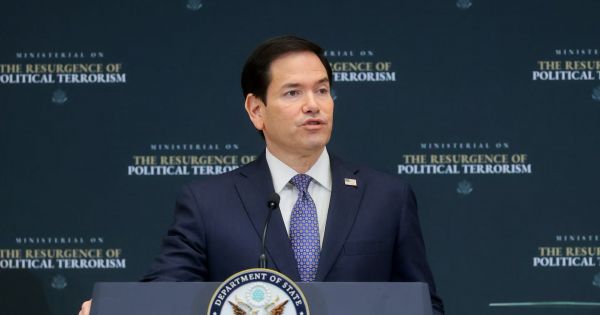
Even as U.S. Secretary of State Marco Rubio announced days ago that the new talks will mark the beginning of the “transition process,” President Donald Trump tempered expectations by saying that the country is “not ready yet” to hold elections. In the almost seven months since Nicolás Maduro’s capture, the nation has navigated an external tutelage that has morphed into normalization with the regime run by the former dictator, leaving limited space for a long-awaited democratic transition.
With expectations again running high, one fact remains unchanged: Venezuela’s problem has never been the absence of dialogue. It has been the absence of genuine negotiation—and of the conditions that would make it rational for both sides to honor the agreements they reach.
Over the past 27 years, Venezuela has seen at least 17 dialogue initiatives between Chavismo and its opponents. Seven of those held between 2002 and 2022 were major formal negotiation processes, according to a study by the Universidad Católica Andrés Bello. Some yielded limited results: the release of political prisoners, modest electoral reforms, humanitarian agreements, or mechanisms for international cooperation. None resolved the central question: who governs, under what rules, and with what guarantees of democratic alternation.