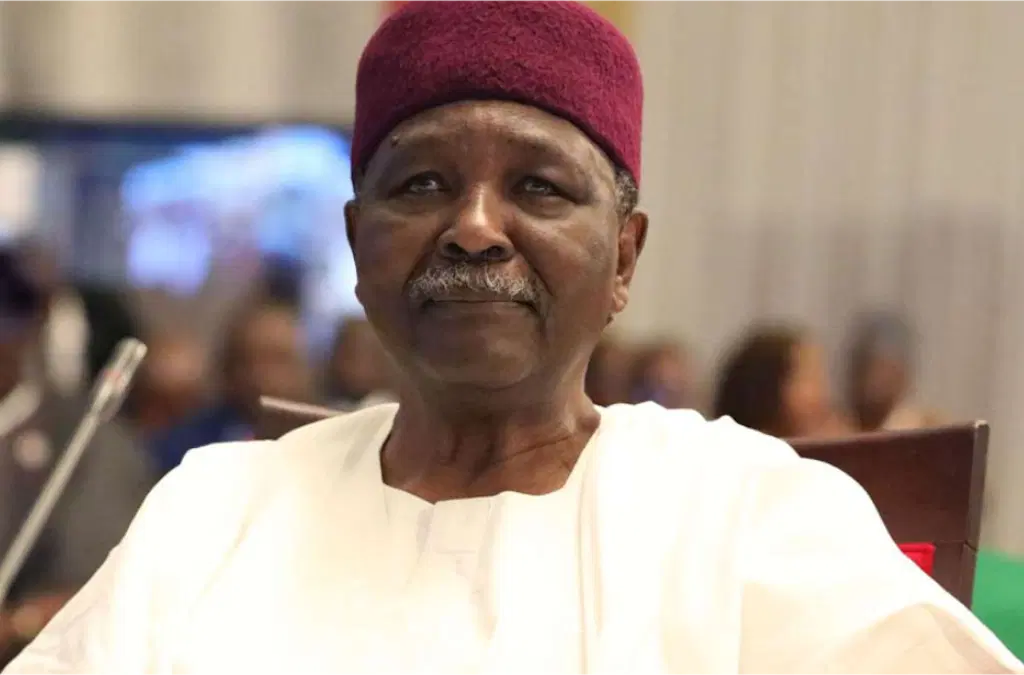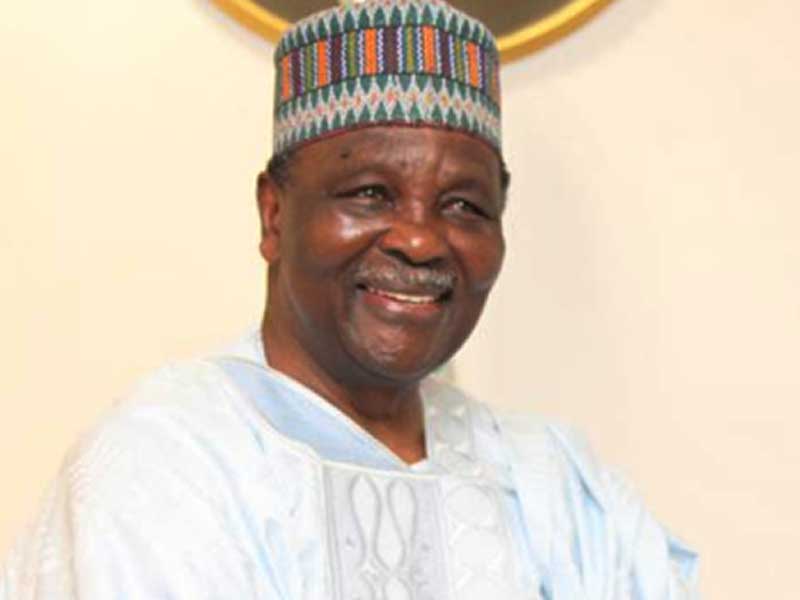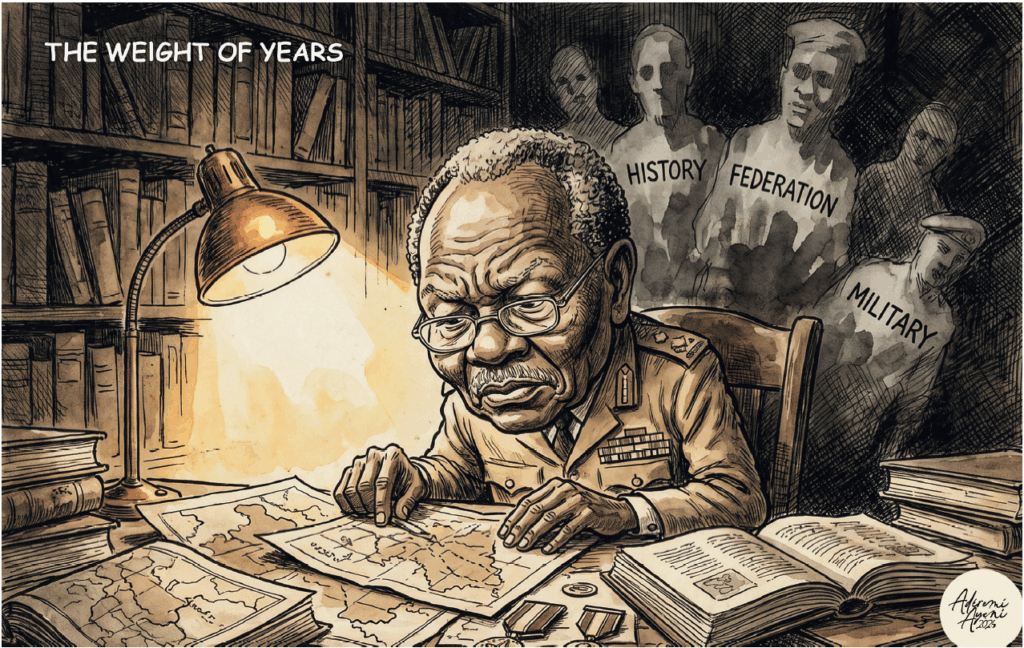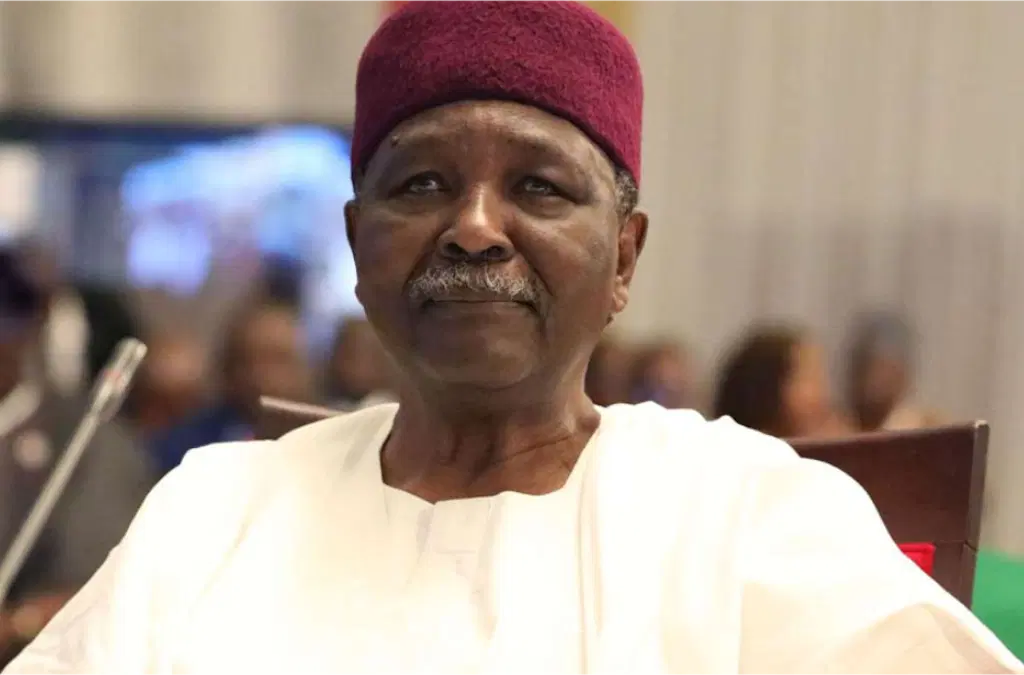
There is something undeniably charming about General Yakubu Gowon. He comes across as unassuming and possessed of a quiet dignity. At 92, a milestone he will reach in October, he is undoubtedly a fortunate man, but time has inevitably taken its toll. There is an unmistakable sense of melancholy that accompanies the sight of a once-formidable military commander, who once appeared in an immaculate, starched uniform, carrying his swagger stick with effortless authority, now looking frail, contemplative, and perhaps quietly preoccupied with the judgment history will ultimately pass on his stewardship.
Unfortunately, such is the fate of all flesh. I know this because there are moments when I catch my own reflection in the mirror and am momentarily startled by the person staring back at me.
Perhaps it is this concern for legacy that inspired Gowon’s recent memoir, My Life of Duty and Allegiance, in which he presents himself as a leader who made painful but necessary choices in what he believed was the supreme interest of preserving Nigeria’s unity. The narrative he offers is that of a patriot who inherited a nation on the brink of disintegration and succeeded in keeping it together despite overwhelming challenges.