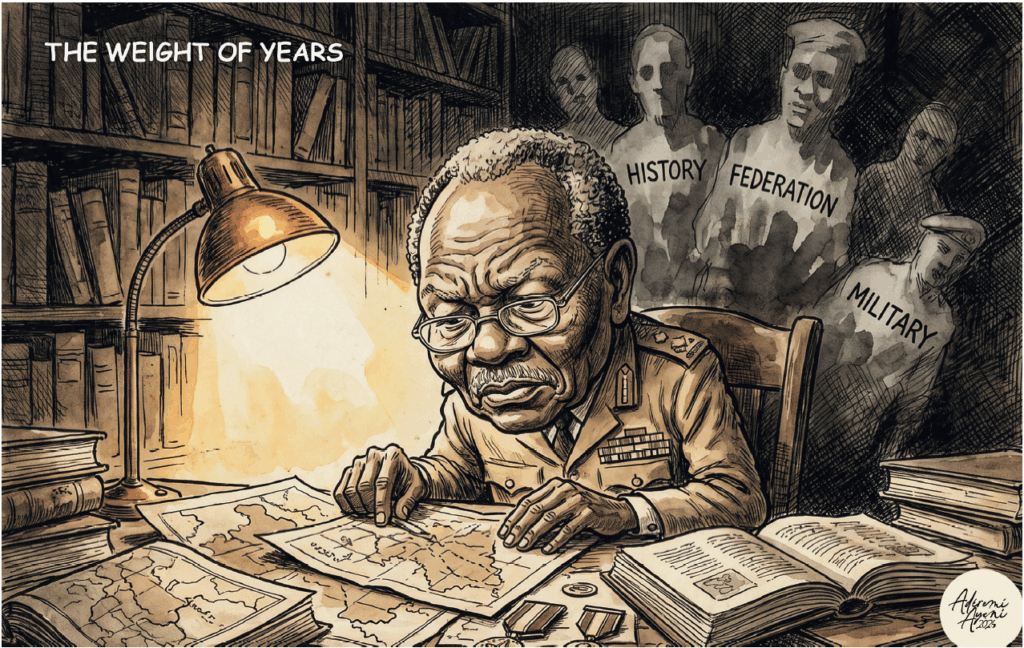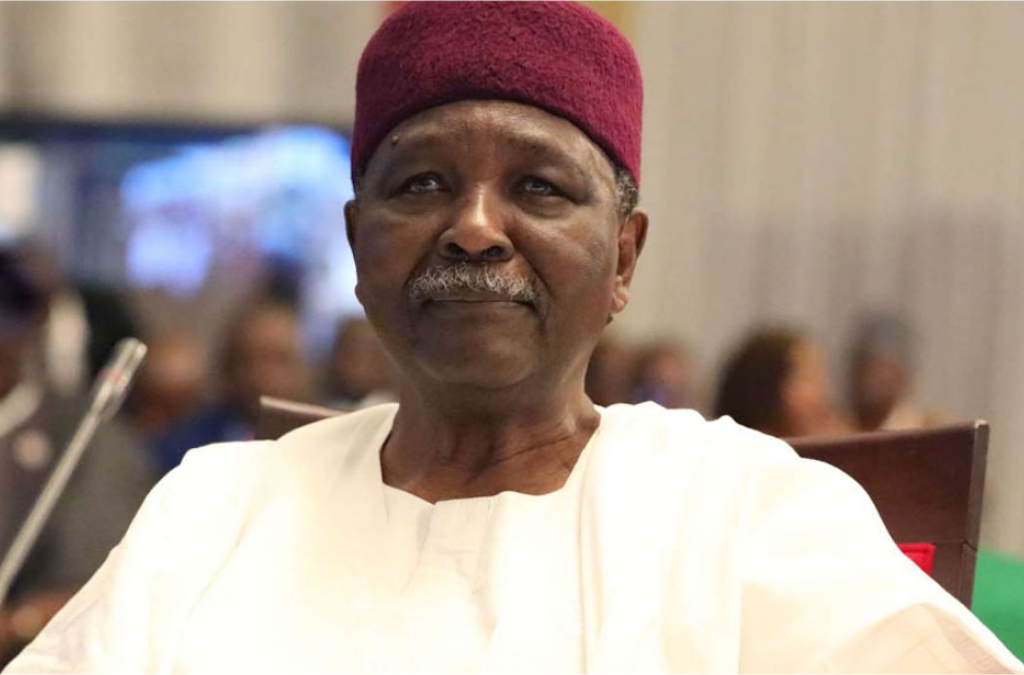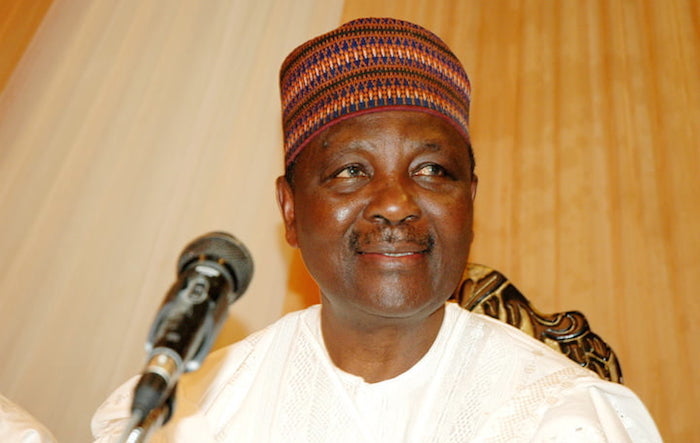
The burden of the memoir is that Gowon remembered selectively, contends PAT ONUKWULI
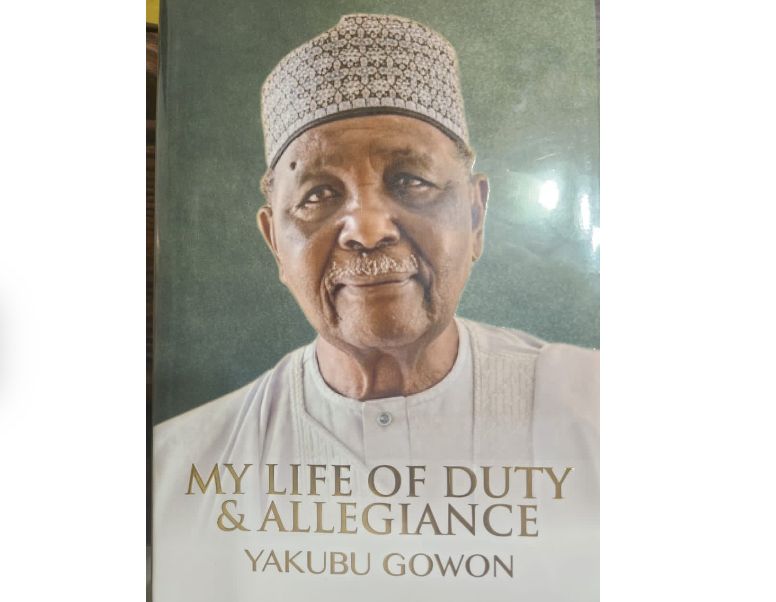
On Tuesday, May 19, 2026, Nigeria’s political, military and ecclesiastical establishment gathered in Abuja for the public presentation of General Yakubu Gowon’s long-awaited memoir, My Life of Duty and Allegiance. The event was, in every sense, a national spectacle: solemn in appearance, lavish in substance; reflective in language, triumphalist in mood. It was a gathering of those who govern memory, bless power, and too often convert national tragedy into ceremonial applause.
My Life of Duty and Allegiance is Gowon’s personal narration of his journey from military officer to Head of State, his sudden emergence after the crises of 1966, his prosecution of the Nigerian Civil War, his overthrow in 1975, exile, academic life, and later peace-building initiatives. Its central argument is familiar: that Gowon acted out of duty, not malice; allegiance, not ambition; national necessity, not ethnic hatred. It presents him as a reluctant soldier-statesman who bore the burden of preserving Nigeria at its most fragile hour.
Yet, for Ndigbo, this memoir arrives not merely as literature, but as a moral summons. It is not simply the recollection of an old soldier; it is the delayed testimony of the Commander-in-Chief under whose authority Biafra was bombed, blockaded, starved, defeated and then rhetorically embraced. Gowon had, at over 90 years of age, perhaps his last great opportunity to move from explanation to expiation, from defence to repentance, from national heroism to moral courage. He reneged.