The federal government is proposing a rule allowing its agencies to require that their workers sign nondisclosure agreements. That rule has yet to be finalized. But another rule, which is final, said workers could be fired for refusing to sign an NDA or violating one after signing it.Stacy Shorter is already seeing anxiety about nondisclosure agreements among the doctors and nurses she represents. Shorter is president of the American Federation of Government Employees local 2328 in Hampton, Virginia. She works for the Department of Veterans Affairs as a social worker, but she spoke in her union capacity.“A lot of times they will contact me and they will say, ‘Let me tell you what happened, but don’t say anything. Don’t put my name on that because I don’t want to be retaliated against for reporting it,’” she said.Just the threat of having to sign a future NDA is making her colleagues reluctant to speak out about things like unsafe working conditions, fraud, and waste, Shorter said.The Office of Personnel Management — basically the federal government’s HR department — has argued that NDAs are necessary to prevent leaks. But in a floor speech, Republican Senator Chuck Grassley said not quite. The proposed NDA needs to include the full text of the “anti-gag provision,” he said, which explicitly describes employees’ whistleblower rights.“I demand that the anti-gag provisions be put at the end,” Grassley said, adding that the text should go right above the signature line, so that it’s perfectly clear. If the proposed NDA is implemented, he said Congress will be watching “to ensure that it is not used inappropriately. And this senator intends to do that oversight for sure.”In a press release, OPM said the template for the NDA rule is “fully consistent with existing whistleblower protections.” In an email to Marketplace, OPM added that it’s currently taking all comments into consideration and “editing accordingly.”In a blog post, OPM director Scott Kupor also pointed out that NDAs are common in the private sector. But Lynn Eisenberg, a former general counsel at OPM, said that federal employees are different, because they’re obligated to report wrongdoing to the public. “These people work for the American people,” she said. “They work for the federal government. They don’t work for an individual private organization.”Eisenberg noted that the Trump administration NDA proposal is part of a gradual rollback of the Civil Service Reform Act, which was put in place after the Nixon administration, in part to ensure workers wouldn’t be fired for speaking up. It’s not clear what type of disclosures would be considered violations of the proposed NDAs, according to Jenny Mattingley with the Partnership for Public Service, a nonprofit supporting good government.“And I think that’s where some of the concern about politicization comes in,” she explained. “Who determines what information can and can’t be used?”Mattingley added that that lack of clarity could shut down whistleblowers and potentially put their jobs at risk.
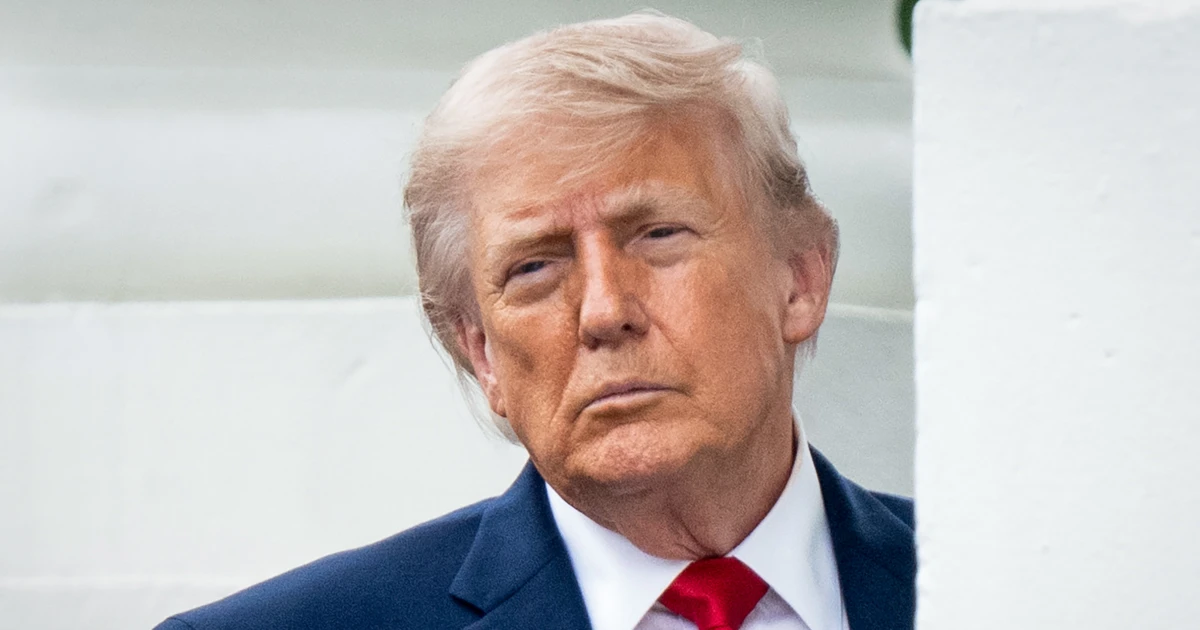
Trump wants to require NDAs for federal workers, worrying advocates
Some argue the proposed rule, which would allow agencies to require that federal employees sign nondisclosure agreements, could have a chilling effect on whistleblowers.
487 words~2 min read