The draft NDA includes language stating that it does not conflict with the Whistleblower Protection Act, and that whistleblowers may continue to disclose information either to Congress or their agency’s inspector general’s office.
liorpt/Getty Images
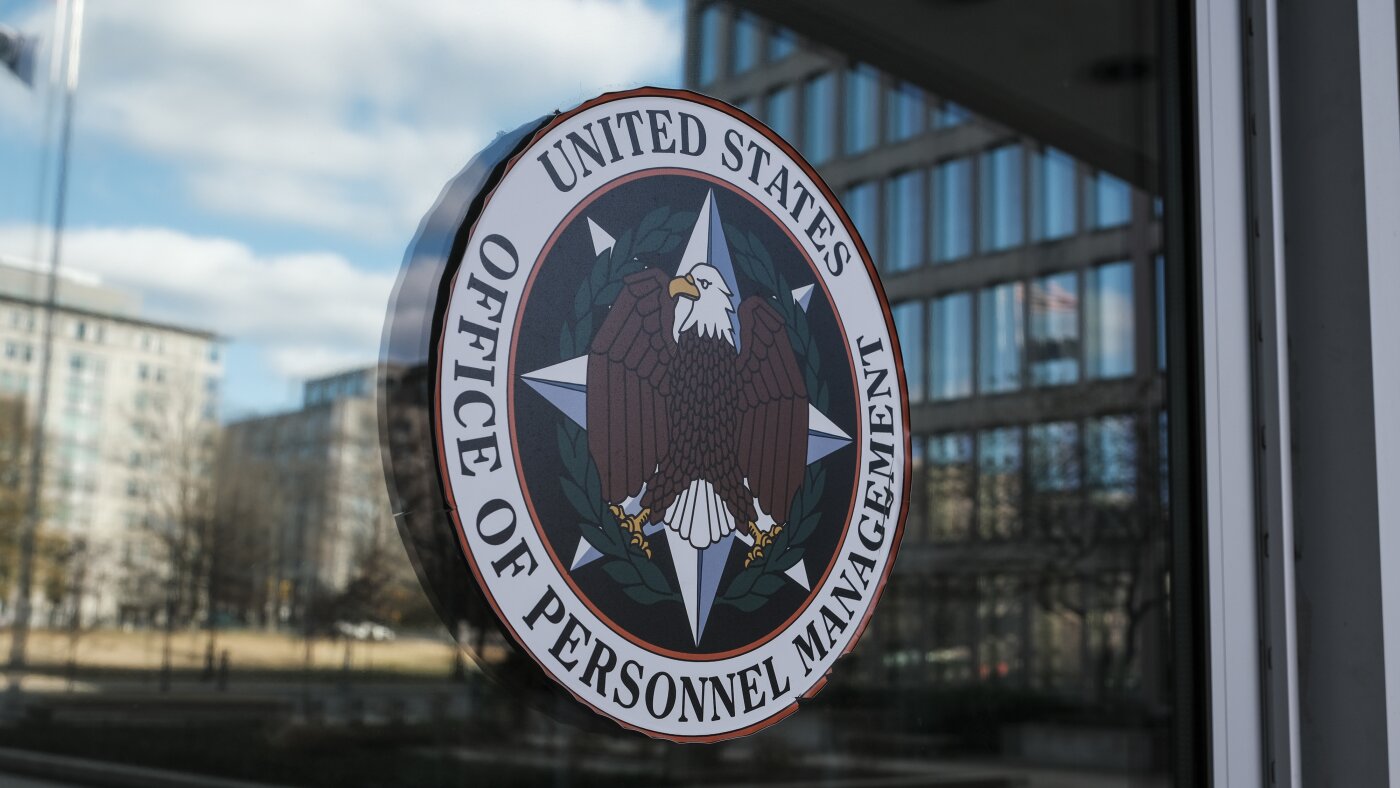
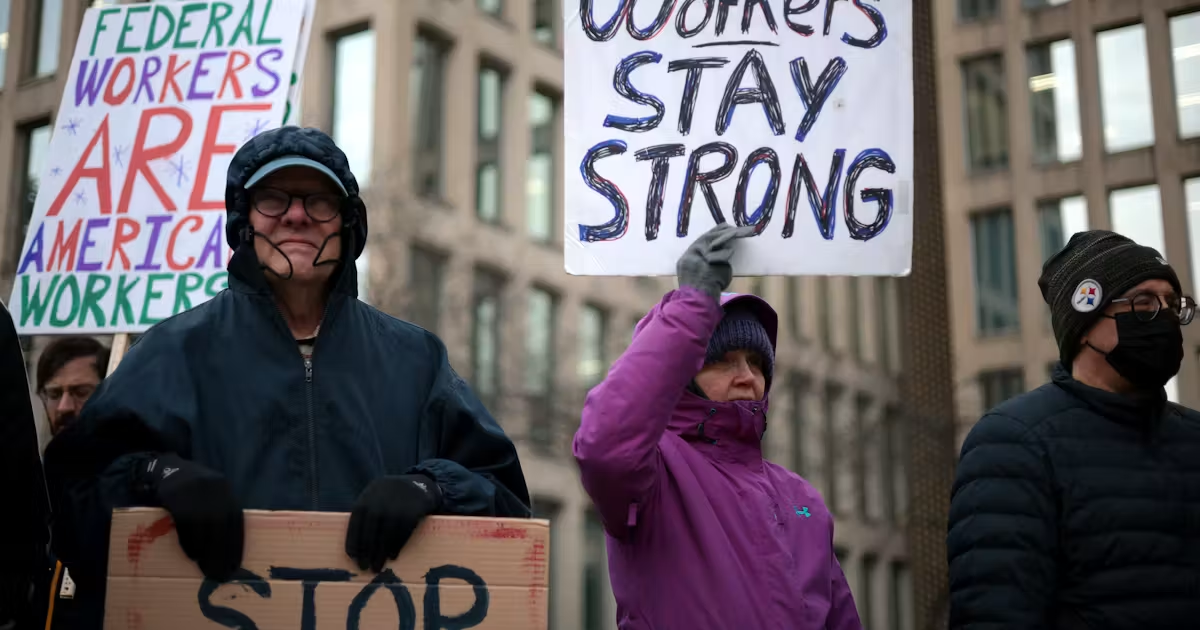
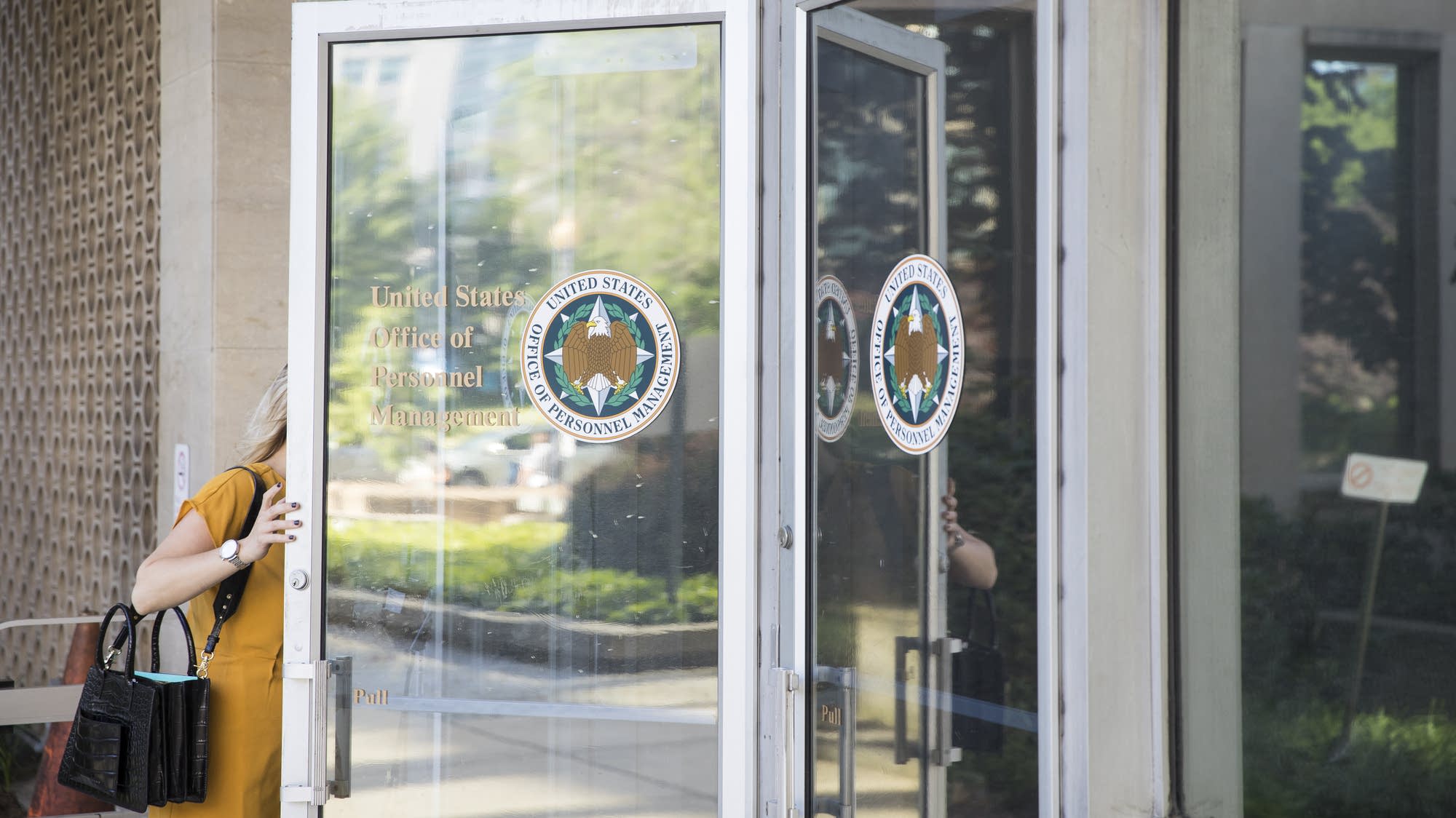
The Office of Personnel Management is set to propose requiring all federal employees to sign a nondisclosure agreement barring them from divulging “confidential” information in most cases, a move that experts warn violate workers’ First Amendment rights and statutes aimed at protecting whistleblowers from retaliation.OPM announced its plan in a filing set for publication in the Federal Register Wednesday. In justifying the requirement, officials cited reporting in Government Executive and other news outlets disclosing controversial proposals to overhaul federal layoff and performance management rules—and internal warnings against their implementation—prior to their formal publication.“Unauthorized disclosures of confidential government information disrupt agency operations and erode public trust,” OPM wrote. “In recent months, unauthorized disclosures have included internal government materials not intended for public release such as pre-decisional documents and interagency comments exchanged during internal coordination processes . . . Such disclosures risk chilling candid interagency feedback, disrupting orderly decision-making and weakening trust within and among federal agencies.”According to a draft copy of the proposed NDA, feds would be required to sign a document barring them from disclosing information related to internal agency operations, personnel and procurement matters and “any sensitive, pre-decisional or deliberative material” and vowing to inform their agency if they learn of others making such a disclosure.The draft NDA includes language stating that it does not conflict with the Whistleblower Protection Act, and that whistleblowers may continue to disclose information either to Congress or their agency’s inspector general’s office. But Kevin Owen, a partner at Gilbert Employment Law, a firm that specializes in federal employment issues, described those exceptions as mere “lip service.”“Time and time again, we see circumstances where whistleblowers try to go through internal channels—either through an IG or agencies like the Office of Special Counsel—and for one reason or another, either they’re overburdened with work, or with this administration particularly, politically captured and therefore don’t do the necessary work,” Owen said. “So a lot of those channels are ineffective. Only once wrongdoing becomes more widely known is there an appropriate remedy to the waste, fraud and abuse going on. Simply having OPM pick and choose the channels for whistleblowers is not in accordance with the Whistleblower Protection Act.”Michael Fallings, managing partner at Tully Rinckey, another federal employment law firm, said it will be hard to gauge the NDA’s true impact until a final draft is released, likely after OPM’s 30-day comment period. As things stand now, much of the document’s language is “over-broad,” he said.“When you’re dealing with NDAs, you have to be careful about impacting somebody’s rights to engage in protected activity,” he said. “Even in the private sector, they still have the right to disclose waste, fraud and abuse, and with government entities, you have to be careful of employees’ First Amendment rights as well. That’s the fear of a lot of the employee rights organizations and attorneys right now, especially given what has happened with this administration and the sense that it is trying to prevent employees from speaking out.”Owen noted that federal agencies already have longstanding rules governing the unauthorized disclosure of internal government information. OPM’s proposed NDA, which the agency explicitly tied to its effort to assert governmentwide firing power through suitability determinations, could create a new class of federal firings, shielded from Merit Systems Protection Board oversight. An employee deemed unsuitable not only would lose their job but also could be barred from being rehired into government for up to five years.“The impact of this is, coupled with other recent changes to its regulations, OPM could become the sole arbiter of whether it is abiding by these rules,” he said. “OPM is now trying to become this super personnel office that centralizes its authority over all federal employees, ostensibly at the direction of the White House. By now controlling how federal employees are even able to communicate about matters of political concern, it’s one further step toward enacting a spoils system and making the civil service a political arm of the White House.”Everett Kelley, national president of the American Federation of Government Employees, blasted the proposal as an effort to “silence” federal workers.“This proposed NDA is another attempt by the administration to purge the civil service of nonpartisan career employees and replace them with loyalists who won’t speak out against waste, fraud and abuse,” he said. “Federal employees do not surrender their First Amendment rights when they accept federal employment, and the public has a right to know about this administration’s abuses.”