A robust and stable currency may be one of an African nation's most valuable economic assets. It helps to keep inflation under control, decreases import costs, encourages foreign investment, and boosts corporate confidence to expand.
At a time when many African currencies are under pressure from rising global oil prices and high demand for the US dollar, nations with more robust currencies are better positioned to weather external economic shocks.
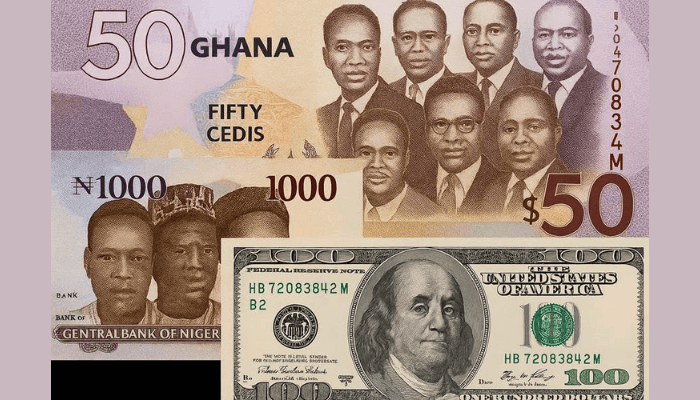
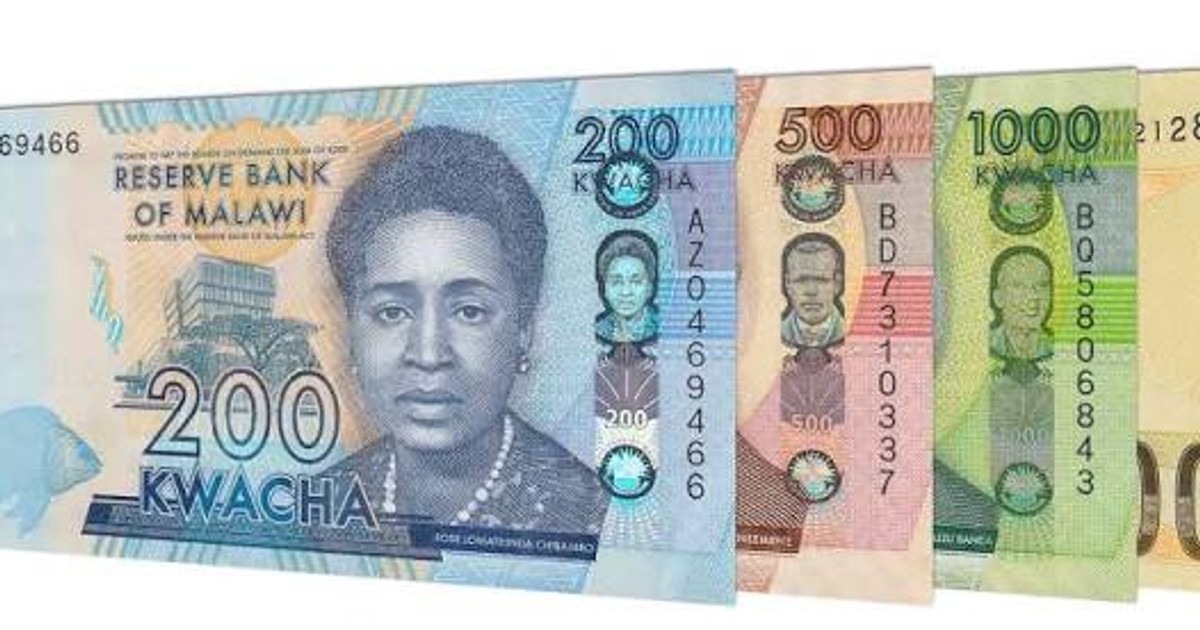
According to a Reuters poll of foreign currency merchants, numerous African currencies, including Nigeria's naira, Ghana's cedi, and Uganda's shilling, are predicted to fall in the next few weeks, while Kenya's shilling and Zambia's kwacha are expected to remain relatively constant.
The Kenyan shilling has been boosted by significant remittance inflows, while Zambia's currency has profited from high copper prices, the country's main export.
One of the primary advantages of a strong currency is decreased import costs. Many African economies rely on imported gasoline, machinery, medications, and industrial supplies.