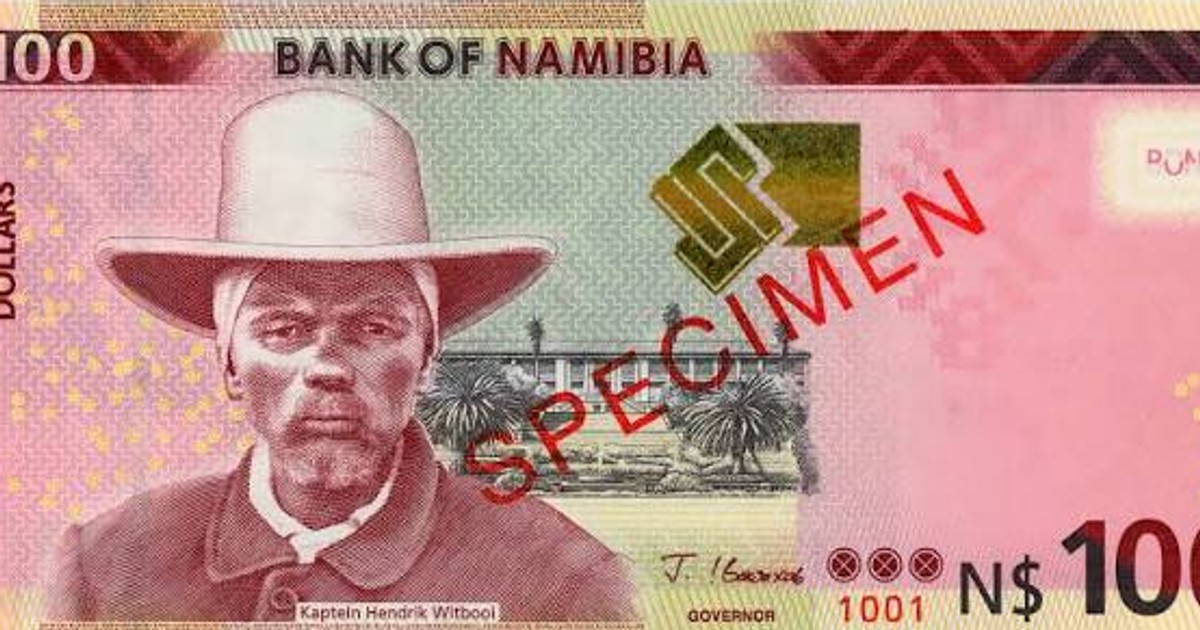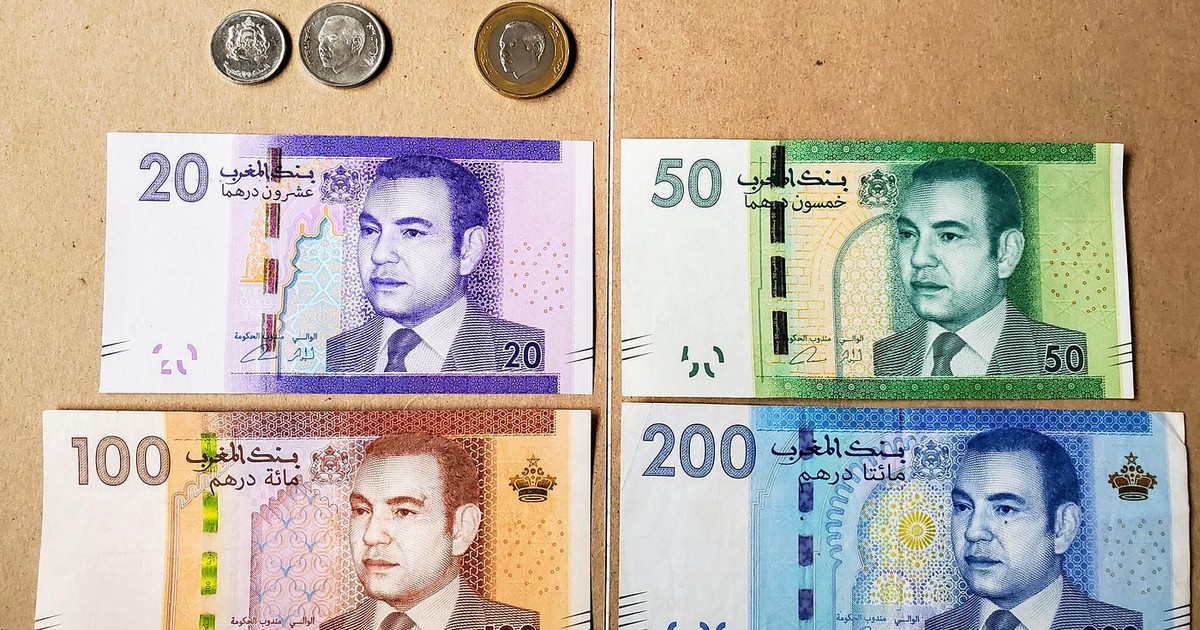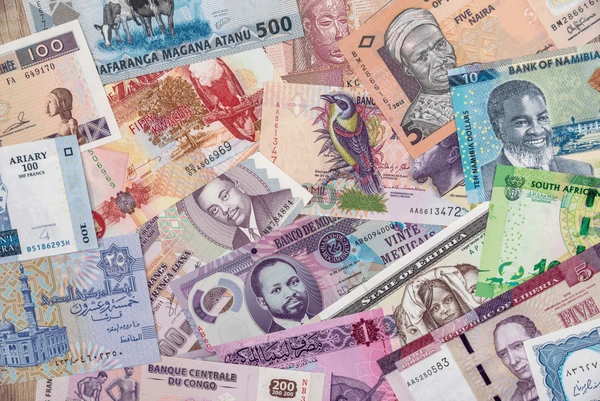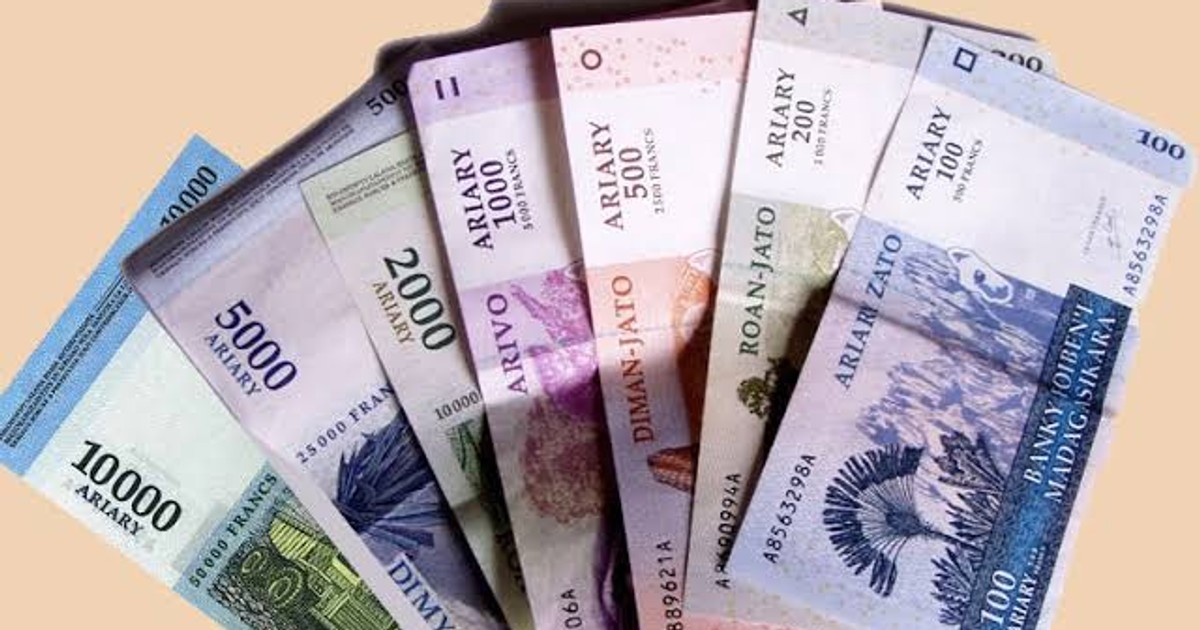
A weak currency can have far-reaching effects for African countries, raising import costs, fueling inflation, and increasing the cost of government and commercial operations.
While a declining currency can occasionally stimulate exports, many African countries continue to rely significantly on imported petroleum, machinery, medicine, and food, making currency weakness a major economic burden.
Recent developments demonstrate these pressures.
In South Africa, for example, the country's currency fell to its lowest level against the US dollar since April after the South African Reserve Bank surprisingly maintained its benchmark interest rate.
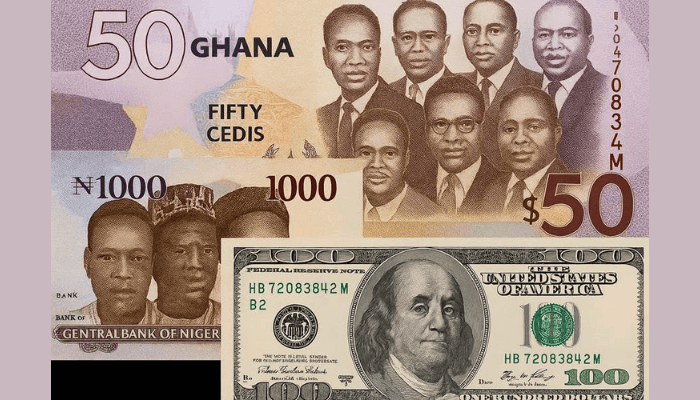
Meanwhile, a Reuters poll of foreign currency dealers revealed that many key African currencies, including Nigeria's naira, Ghana's cedi, and Uganda's shilling, are projected to fall further as demand for US dollars grows and global oil prices rise, raising import costs.