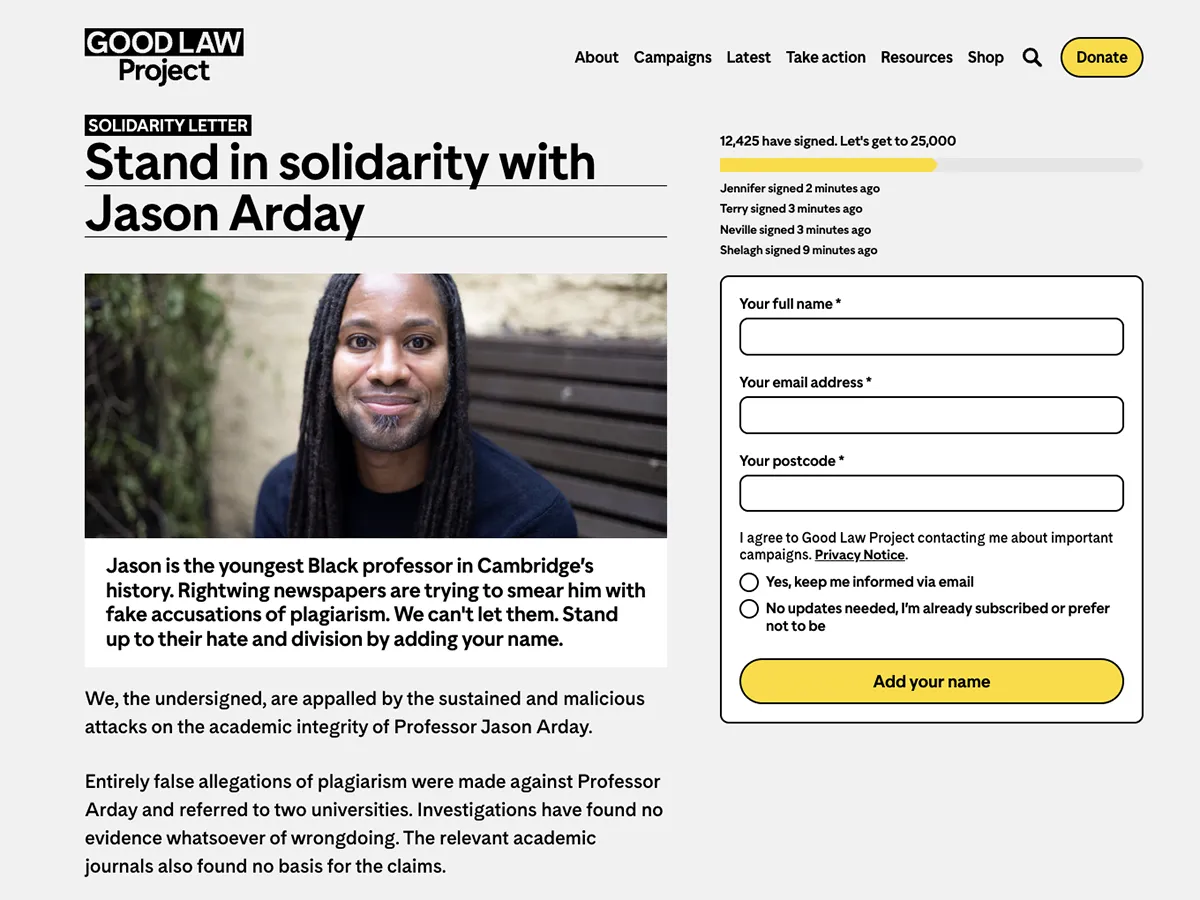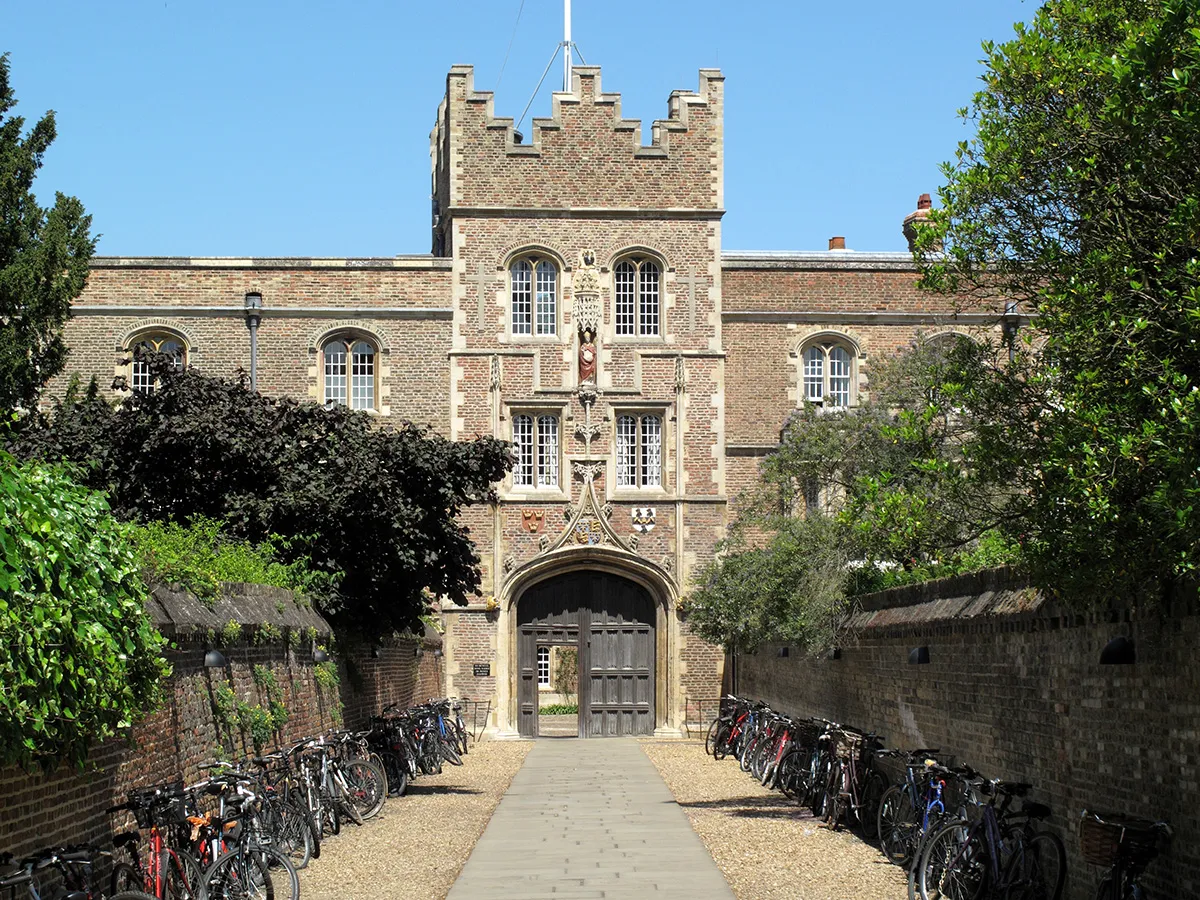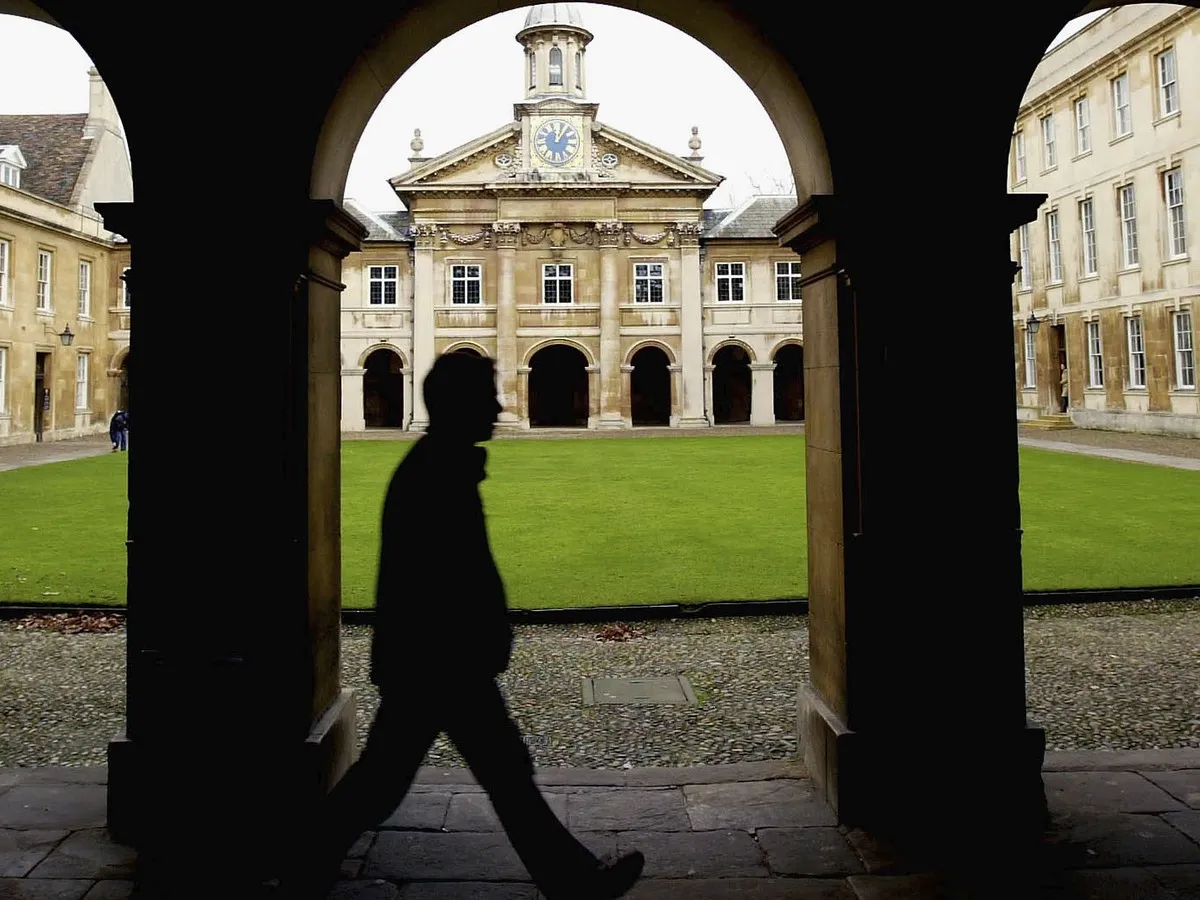
Skip to Content Subscribe Our Offers My Account Manage My Subscriptions FAQ Newsletters Canada Canadian True Crime Canadian Politics Health World Israel & Middle East Financial Post NP Comment Longreads Puzzmo Diversions Comics NP News Quiz New York Times Crossword Horoscopes Life Eating & Drinking Style Sponsored Play for Ontario Travel Travel Canada Travel USA Travel International Cruises Travel Essentials Culture Books Celebrity Movies Music Theatre Television Business Essentials Advice Lives Told Tails Told Shopping Buy Canadian Home Living Outdoor Living Kitchen & Dining Tech Style & Beauty Personal Care Entertainment & Hobbies Gift Guide Travel Guide Amazon Prime Day Deals Savings National Post Store More Sports Hockey Baseball Basketball Football Soccer Golf Tennis Driving Vehicle Research Reviews News Gear Guide Obituaries Place an Obituary Place an In Memoriam Classifieds Place an Ad Celebrations Working Business Ads Archives Healthing Epaper Manage Print Subscription Profile Settings My Subscriptions Saved Articles My Offers Newsletters Customer Service FAQ Newsletters Canada World Financial Post NP Comment Longreads Puzzmo Diversions Life Shopping Epaper Manage Print Subscription HomeNP CommentChris Selley: The DEI meltdown at a British university shows why we need more skepticismA professor claimed to have run 30 marathons in 35 days ... several on a broken leg You can save this article by registering for free here. Or sign-in if you have an account.FILE: University students return for the spring term at Cambridge University on January 13, 2004 in Cambridge, England. Photo by Graeme Robertson /Getty ImagesCartoon stink clouds continue to amass over the august University of Cambridge, after a high-profile professor was credibly alleged to have plagiarized significant parts of his 2015 PhD thesis. The reaction can best be described as an unholy mess.Enjoy the latest local, national and international news.Exclusive articles by Conrad Black, Barbara Kay and others. Plus, special edition NP Platformed and First Reading newsletters and virtual events.Unlimited online access to National Post.National Post ePaper, an electronic replica of the print edition to view on any device, share and comment on.Daily puzzles including the New York Times Crossword.Support local journalism.Enjoy the latest local, national and international news.Exclusive articles by Conrad Black, Barbara Kay and others. Plus, special edition NP Platformed and First Reading newsletters and virtual events.Unlimited online access to National Post.National Post ePaper, an electronic replica of the print edition to view on any device, share and comment on.Daily puzzles including the New York Times Crossword.Support local journalism.Create an account or sign in to continue with your reading experience.Access articles from across Canada with one account.Share your thoughts and join the conversation in the comments.Enjoy additional articles per month.Get email updates from your favourite authors.Create an account or sign in to continue with your reading experience.Access articles from across Canada with one accountShare your thoughts and join the conversation in the commentsEnjoy additional articles per monthGet email updates from your favourite authorsSign In or Create an AccountorJason Arday, a professor of the sociology of education, became known as a rising star in academia in the early 2020s, when he became the youngest-ever or youngest-ever Black professor at various universities in sequence. His story was compelling: born with autism to Ghanaian parents, he says he was non-verbal until 11 years old, yet achieved a doctorate by 30, all while battling brain cancer. He has claimed accomplishing magnificent running feats for charity.Alas, the Telegraph reports, Arday’s thesis at Liverpool John Moores University contained “dozens of passages… that were taken nearly verbatim from the 2009 dissertation of Paula Zwozdiak-Myers, a reader (i.e., associate professor) at Brunel University of London.” The passages are very damning indeed, though more so (for now, anyway) in terms of how obvious they are than necessarily how serious.The National Post newsletter that doesn’t hold back, giving readers the unvarnished truth on media, politics and culture.By signing up, you consent to receive the above newsletter from Postmedia Network Inc.A welcome email is on its way. If you don't see it, please check your junk folder.The next issue of Right? will soon be in your inbox.We encountered an issue signing you up. Please try againYou can’t just copy great swaths of text from someone else and plunk them down in your paper without at least putting quotation marks around them. That’s true even if you cite the author in question many times in the same work, which Arday did. But so long as you have cited the source of the material, “sloppiness, not malice,” is often a viable defence in the court of academia.But that’s not where Arday’s supporters went, mostly. They went straight to the imputed motives of those pointing out the problems: accusing them of being racially motivated, far-right, “vile” (as Cambridge itself put it). Arday is a “working class Black man,” a petition from the Good Law Project notes, in a typically British class-war flourish. The petition calls the allegations against Arday “groundless. That doesn’t quite explain why he reportedly sicced a defamation lawyer on Times Higher Education magazine, which was getting ready to publish a story, Retraction Watch reports.Clinical psychologist Simon Baron Cohen, a professor at Trinity College Cambridge, went further: he played both the autism and suicide-risk cards. “(Arday) continues to be systematically discredited over every detail of his life, daily,” he wrote, while conceding “we should of course always investigate plagiarism to protect academic standards.” (So where exactly does that leave us?)“This is relentless bullying of a vulnerable autistic man and raises safe-guarding issues.”Well, if Arday is dangerously out of his depth, someone had to first throw him in the pool.Academia was more than happy to have him as the poster boy for diversity, inclusion, minority achievement, all that good stuff. But there was no shortage of red flags suggesting he might be rather less than he seemed.The largest and reddest perhaps were the athletic feats: In November 2012, Scottish tennis star Andy Murray reported drawing inspiration from Arday’s fundraising marathon runs. And why not? Such runs they were! Thirty of them in 35 days, Arday claimed, which would reportedly be in the neighbourhood of a world record. Not a world record for young academic sociologists with a running hobby; a world record for human beings.“(Arday) told me on the 20th day he fell — he had a fit, a seizure — and he got a hairline fracture in his leg and continued to do it,” Murray enthused. “That was pretty cool speaking to someone like that.”“Experts” are now being quoted to the effect that this seems quite unlikely.It’s all reminiscent of the “pretendian” fiasco Canada has been going through in recent years — in the arts, in academia, in the senior civil service. One of the most remarkable things about several of the frauds who falsely claimed Indigenous backgrounds is that they were hiding nearly in plain sight. Buffy Sainte Marie’s birth certificate was out there waiting to be unearthed: born Beverley Jean Santamaria, to electrician Albert Santamaria and housewife Winifred Irene Santamaria (née Kenrick). It was official records that in large part brought down Mary Ellen Turpel-Lafond, the supposedly Indigenous scholar and advocate, in 2022.No one wants a society in which everyone claiming any identity at all — or none — is subject to forensic investigation of their past. “Take this DNA swab! Next, the polygraph!” God knows, fraud and hucksterism transcend race, gender, class and all other divisions. But perhaps there’s at least an implicit message here that we value identity over aptitude at least a wee bit too much. Naturally there are plenty of white male frauds, don’t get me wrong. And that only underscores the central takeaway here, which is that embracing healthy, polite, but unapologetic skepticism is the only appropriate way to go through life.National Post cselley@postmedia.com Join the Conversation This website uses cookies to personalize your content (including ads), and allows us to analyze our traffic. Read more about cookies here. By continuing to use our site, you agree to our Terms of Use and Privacy Policy.
Chris Selley: The DEI meltdown at a British university shows why we need more skepticism
The youngest-ever Black professor claimed to have run 30 marathons in 35 days ... several on a broken leg
1,320 words~6 min read