TL;DRThe web was designed for people, but machines now generate the majority of its traffic. AI agents are forced to parse human layouts and burn computation translating a human internet into machine terms. Pilot Protocol, founded by Artemii Amelin, is an open-source networking layer built for agents rather than people. With 250,000 agents on the network before emerging from stealth, the bet is that openness will compound for AI agents the same way it did for the early web.
For thirty-five years, software has had to imitate a person to use the internet. A young founder believes the agents now flooding the web deserve a world built for them.
In August 1991, a British physicist named Tim Berners-Lee posted a modest page of text to a computer at CERN, the particle-physics laboratory outside Geneva, and quietly switched on the World Wide Web. He had built it for people. The pages were meant to be read by human eyes and the links followed by a human hand. He refused to patent any of it. He wanted the web open and free, so that it would spread, and spread it did, into very nearly every corner of human life.
It was never built for the readers who now make up most of its traffic.
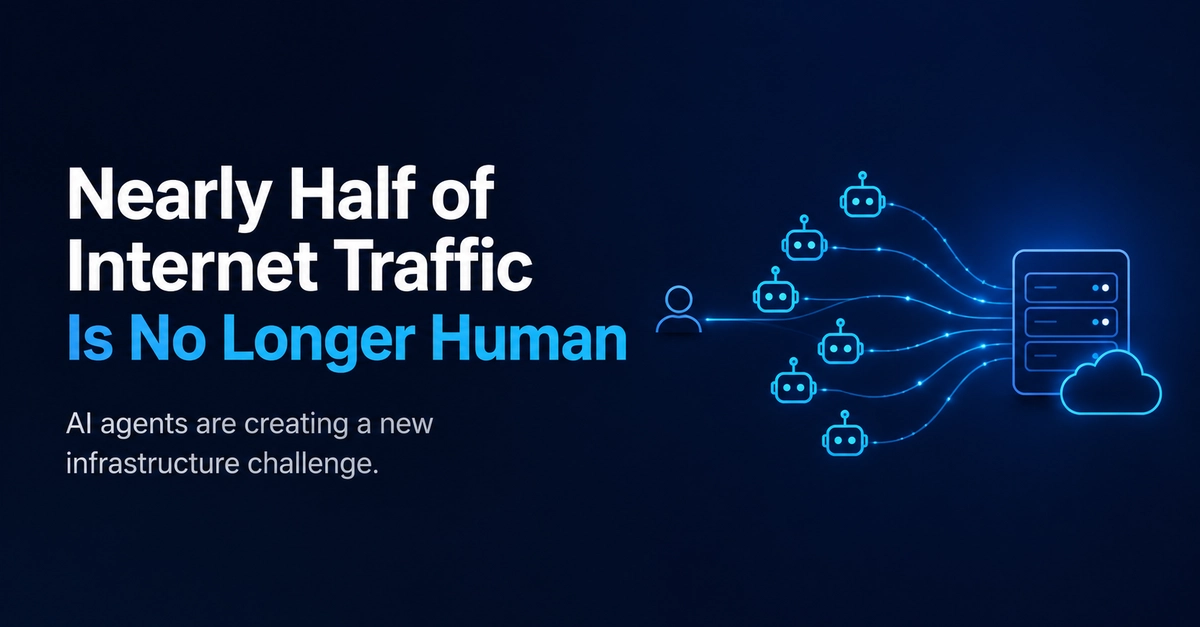
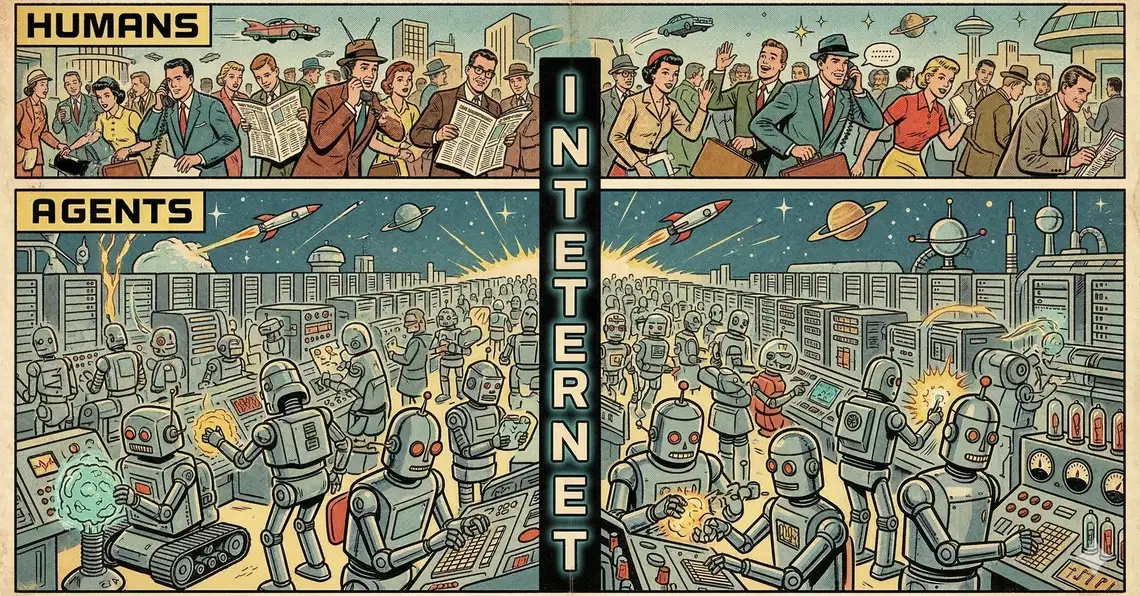
By 2024, automated systems accounted for 51 percent of all web activity, the security firm Imperva reported, the first time in a decade that machines had outpaced people online. A large and rising share of that traffic belongs to AI agents: programs that read pages, call tools, and carry out instructions with no person watching. They make their way through an internet designed for a species to which they do not belong, parsing layouts meant for eyes, idling on interfaces built for thumbs, burning computation to translate a human web back into machine terms. The web serves them the way a city built only for cars serves someone on foot, technically passable and quietly hostile at every corner.