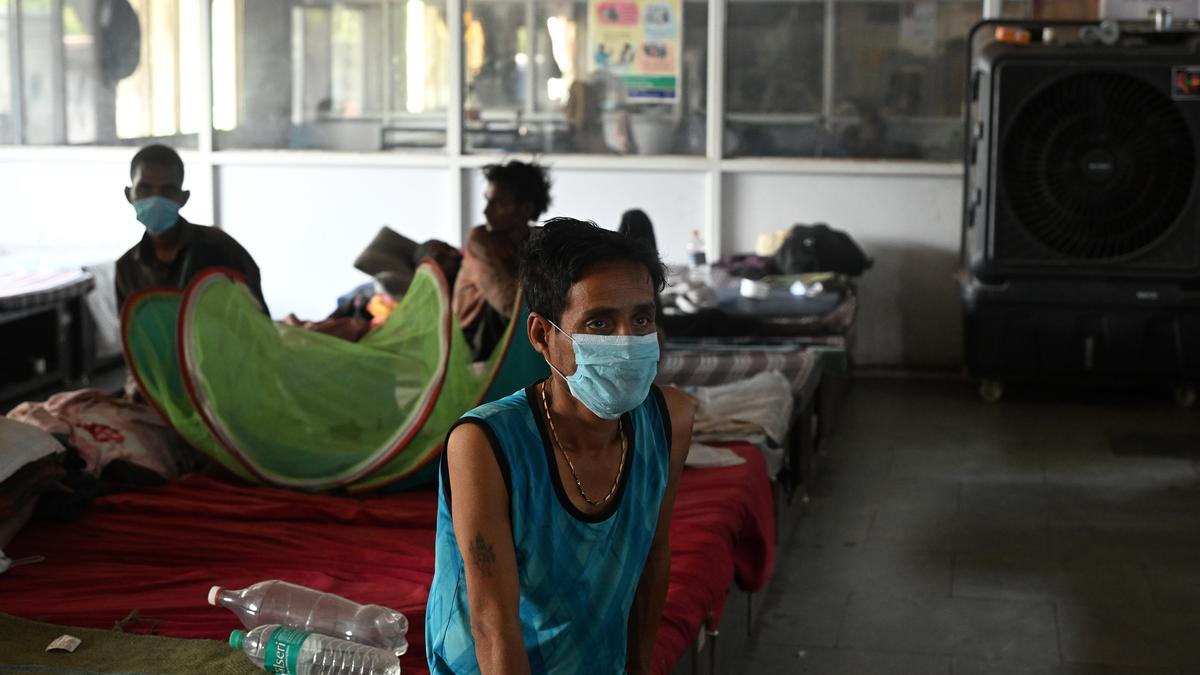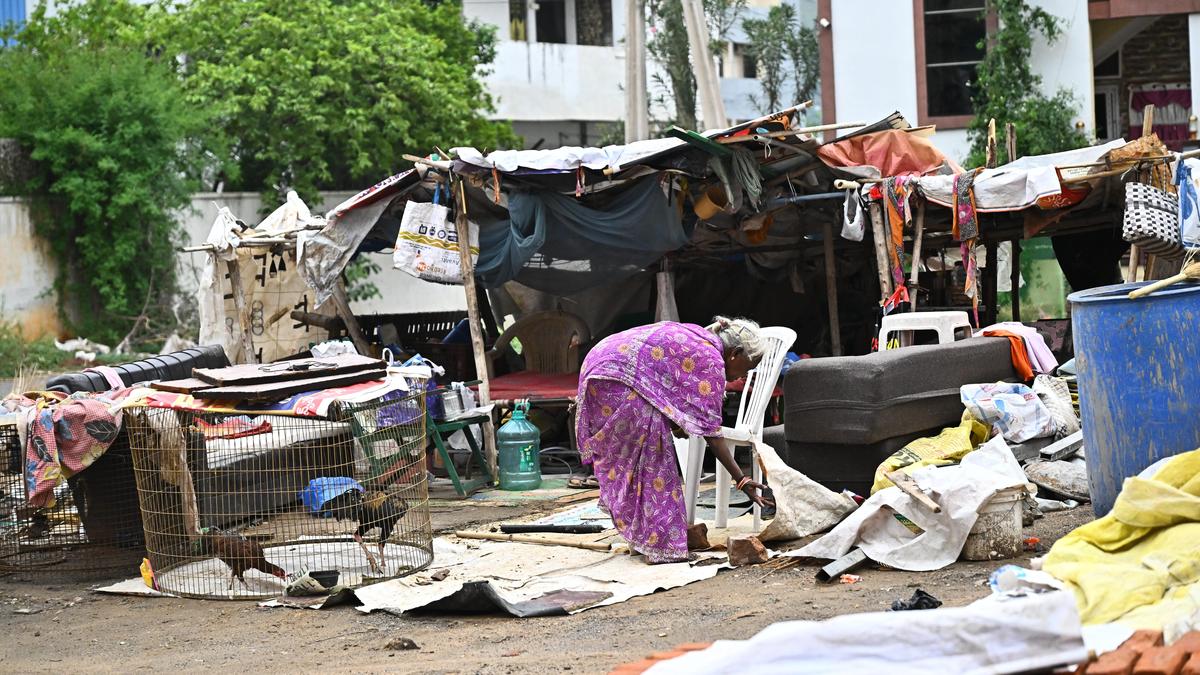
Sandhya, in her 40s, insists she completed every dose of medication prescribed for her tuberculosis (TB) treatment. Yet, as she sits crouched outside her mud house in a remote tribal hamlet near Paderu in Alluri Sitharama Raju district, her frail frame makes her appear decades older than her age.Her struggle extends beyond the disease itself. Like, many other TB patients in the State, Sandhya has been waiting for financial assistance meant to support her through treatment, exposing the consequences of delays in disbursing aid to some of the most vulnerable patients.The disease is just one of the many hardships she carries. Sandhya, who was diagnosed with pulmonary TB in December 2025, is dependent on her elder daughter, the sole breadwinner for their family of four—Sandhya and her three children.Sandhya was placed on a regimen for drug-sensitive TB (DS-TB), which lasts for six months and includes four drugs. Her claim of completing the treatment, however, is denied by her neighbours, who say she stopped her medication in the second month after severe stomach pain made it difficult for her to continue.Even as neighbours urge Sandhya to seek treatment at the Primary Health Centre, nearly 10 km away, she denies. “I cannot make the journey,” she says softly, her voice fading into the breeze before she can finish her sentence.For Sandhya, who belongs to a Particularly Vulnerable Tribal Group (PVTG), getting nutritious food and visiting a doctor are uphill tasks. The hamlet, home to 200 individuals, sits on a hillock, accessible only by a muddy, unpaved road. There is no school or anganwadi within 5 km of the hamlet, and the nearest shop is 2 km away, making eggs or milk a once-a-month indulgence.Distance is only one part of the problem. Sandhya’s family survives on her elder daughter’s income of only ₹100 or ₹150 per day, which she earns when she finds work in an agricultural field. On other days, the family has no income to sustain themselves.“All she can afford is ragi ambali for breakfast and rice with chaaru for lunch and dinner,” says Satya, her neighbour and also the caretaker for those in need of medical assistance in the absence of an Accredited Social Health Activist (ASHA). The villagers say that ASHA worker from a nearby village visits only in times of need.Healthcare workers point out that stomach irritation is considered one of the common side effects of anti-TB drugs. They recommend higher fluid intake and a proper diet to minimise gastrointestinal issues, and a consultation with a doctor is also suggested for further complications.“Nutrition has a direct role to play in determining treatment outcomes for a patient, and undernutrition, as is the case with Sandhya, creates the most favorable condition for the disease to progress, increasing the risk of death by four to five times,” says Dr. Swathi Krishna, a public health physician and TB researcher based in Maharashtra.Now, seven months after the discontinuation of her medications, Sandhya is burning with fever and experiencing body aches. The discontinuation of anti-TB drugs may lead to a relapse of the illness, and the condition may progress into a more serious form of TB, known as multidrug-resistant TB. However, this cannot be confirmed until Sandhya visits a hospital.A medical expert working with an NGO who assessed Sandhya’s condition says she may not live long if she does not immediately resume her medications and eat properly.Dr. Swathi Krishna says that a Body Mass Index of less than 18.5 should be considered a definite criterion for admitting patients to hospitals; Sandhya mostly falls into this category. “But this crucial risk factor is often missed at the time of diagnosis,” she adds.
Delayed aid, prolonged ordeal
For tuberculosis (TB) patients from economically backward regions, financial assistance through government initiatives is as crucial as medication. Delays in disbursing aid are affecting the recovery of patients from across the State as they struggle to afford nutritious food and travel for treatment
2,020 words~9 min read