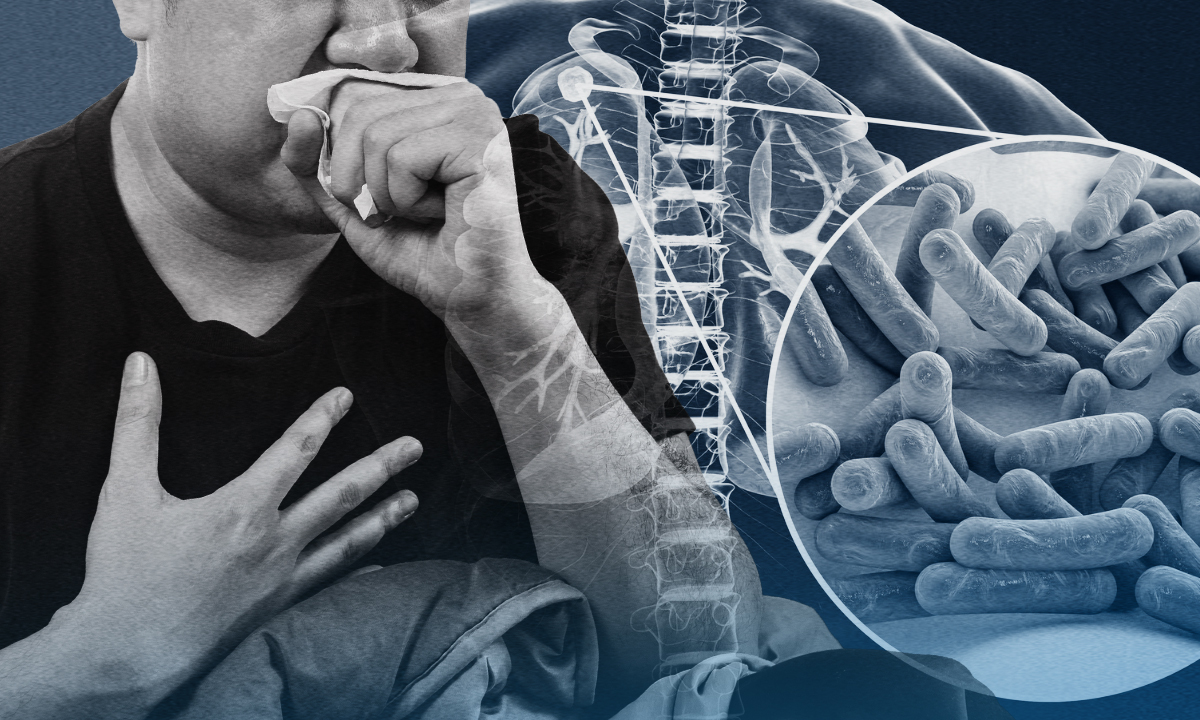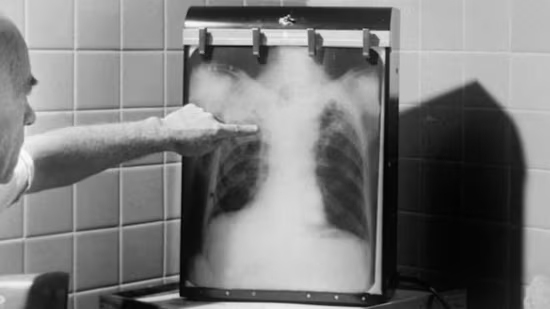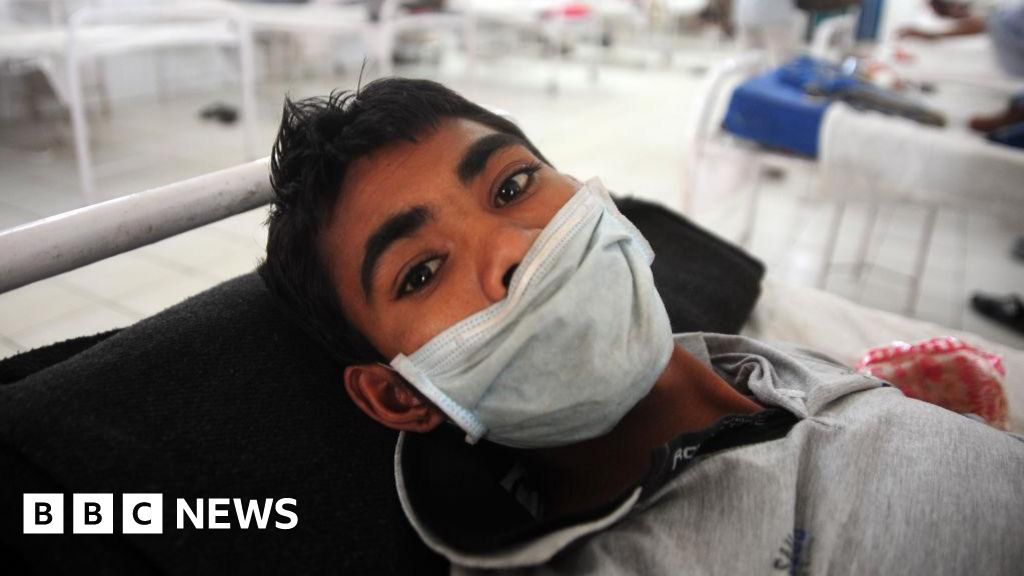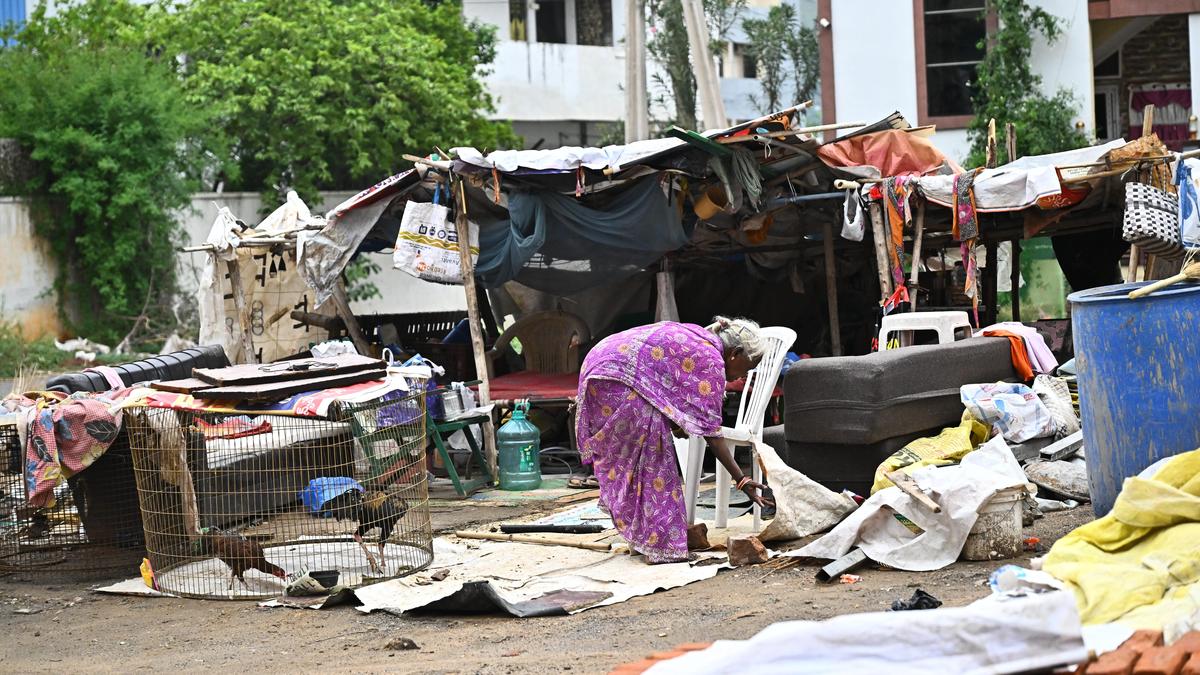
When Anika Khanum*, a 12-year-old from Kayakuchi, about 10 km from Barpeta town in Assam, began having a cough and high fever in December 2025, her parents first took her to a local private doctor. Anika hails from an agrarian family of seven. All seven shared a single room that doubled as a bedroom, living room, and makeshift kitchen.“We would hear Anika coughing through the night. She would also have chills and tremors. The bed we shared would be wet with sweat when we checked in the morning,” said her mother.The local doctor diagnosed her with typhoid, after a Widal test. She received injections for 14 days, to no avail. Her fever and cough persisted. “There was no X-ray facility at the clinic,” said Anika’s mother. Anika’s older brother Abdul, 17, had been treated for TB just a year earlier, according to her parents. They shared this information with the doctor, but TB was not suspected.After a month of suffering—during which Anika sat for her class 7 final exams —her parents took her to another private doctor, who prescribed antibiotics and cough syrup. Another month passed before her oldest brother, who worked at a pharmacy outside town, visited and took her to Barpeta District Hospital, 24 km away. There, Anika received her first X-ray, which showed signs of TB.After another month, Anika underwent sputum testing, and by March, the results confirmed drug-resistant TB .She was immediately started on treatment. Two months later, her fever has subsided and she is able to eat. “She looks much better now,” her mother said.Anika’s case is not isolated. In India, diagnosing childhood TB is fraught with challenges.
Why diagnosing TB in children continues to be a challenge in India
Diagnosing childhood TB in India remains challenging due to vague symptoms, stigma, and reliance on private healthcare.
1,313 words~6 min read