As the country seeks to expand digital public infrastructure, strengthen cybersecurity and position local technology companies for international competitiveness, software quality cannot remain an afterthought. Reliable digital services build public confidence. Secure systems protect national assets. High-quality software enhances economic competitiveness.
Every Nigerian has encountered it at one point or another, an online service that freezes midway through an application, a payment platform that crashes during peak hours, a government portal that disappears just when it is needed most, or a mobile app that works flawlessly one day and inexplicably fails the next. These experiences have become so common that many people have come to accept unreliable software as a fact of life.
But poor software is more than an inconvenience. It wastes time, drains public resources, exposes sensitive data to cyber threats and gradually erodes confidence in digital services. In an economy increasingly dependent on technology, software quality is no longer merely a concern for developers, it is a matter of public trust.
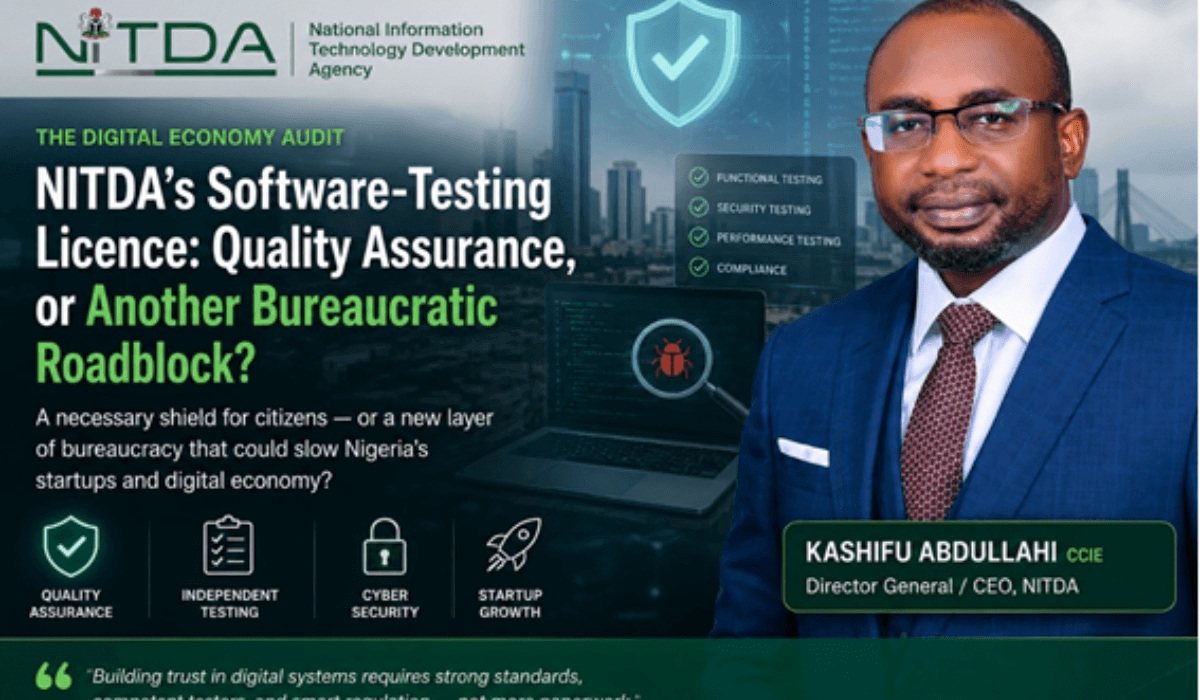
That is why the National Information Technology Development Agency’s (NITDA) newly unveiled National Software Quality Assurance (SQA) Framework deserves attention. While the announcement may appear technical at first glance, its implications extend far beyond programmers and IT departments. It signals an effort to ensure that software serving Nigerians, whether powering government services, financial institutions, healthcare systems or private businesses, is built to be secure, reliable and fit for purpose.