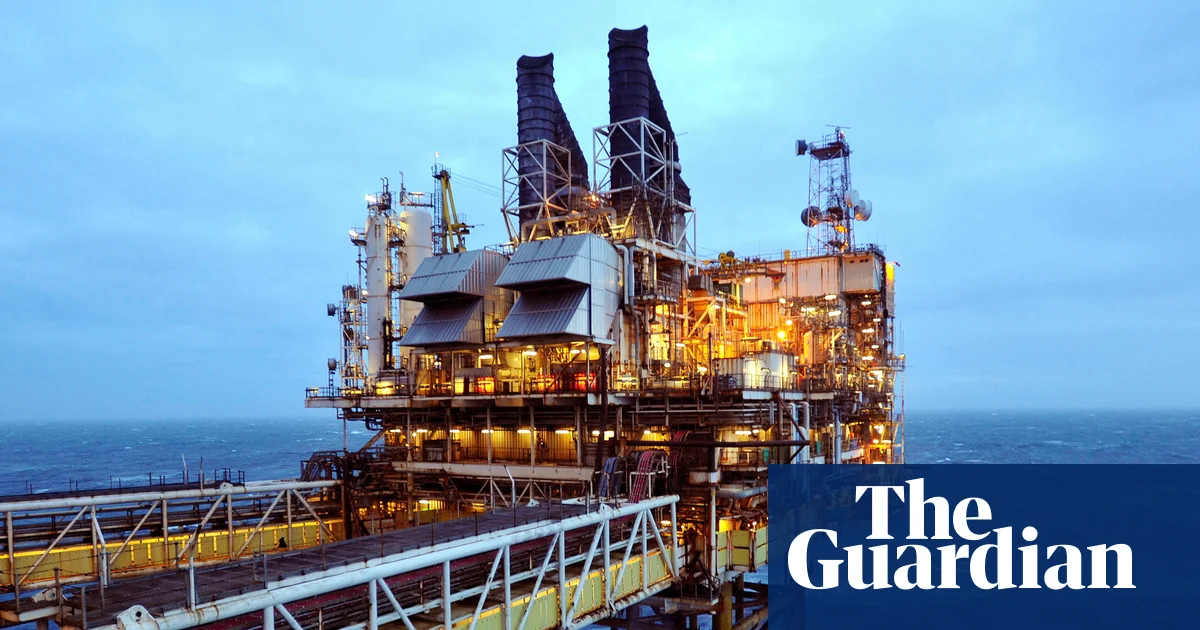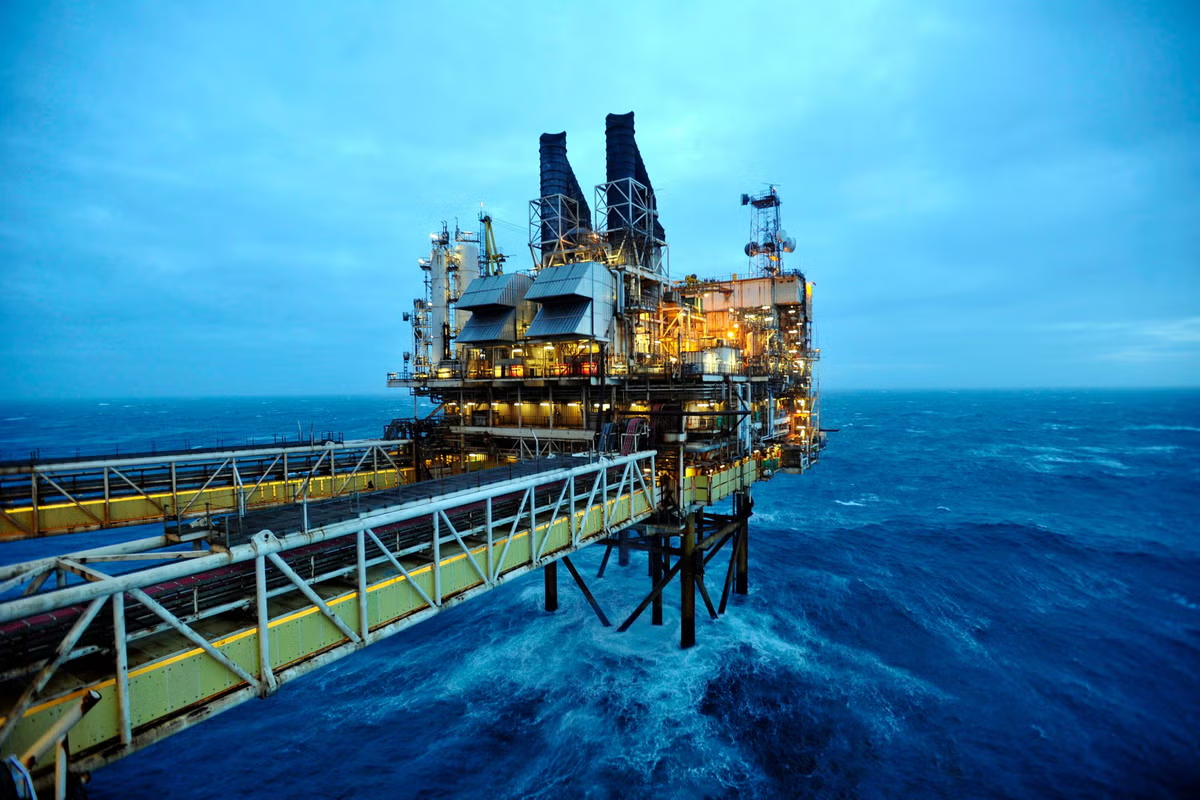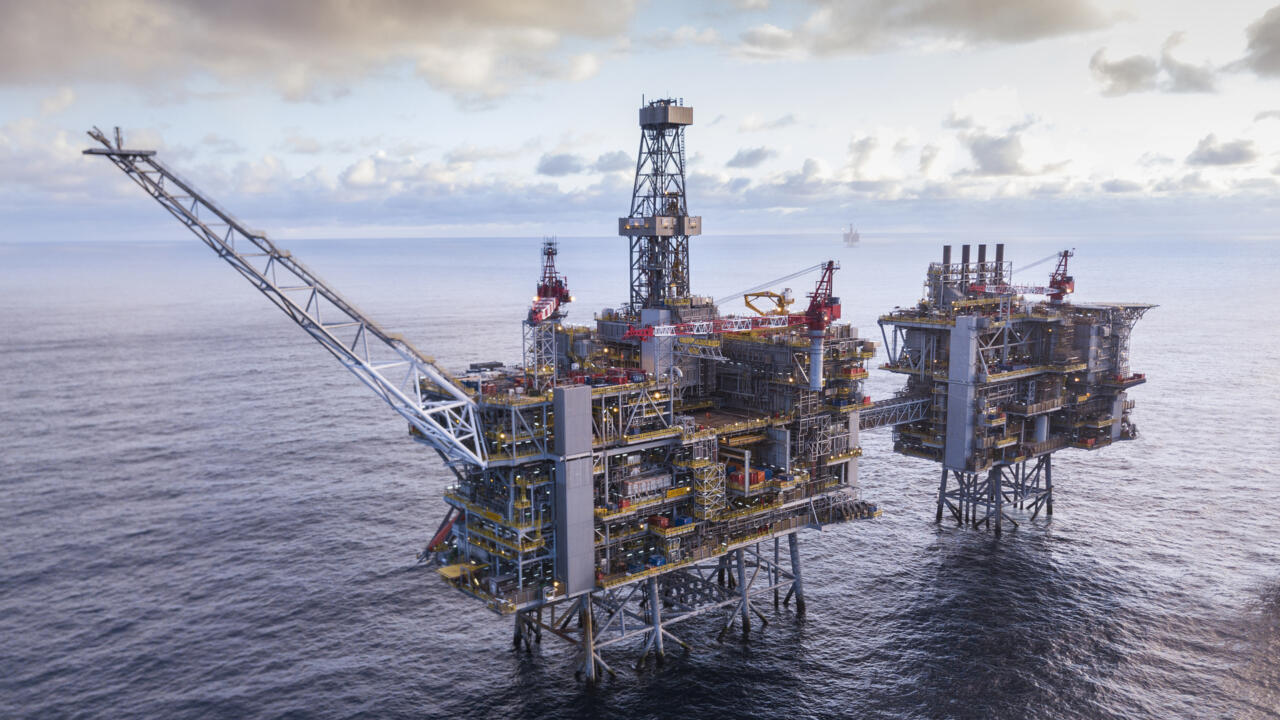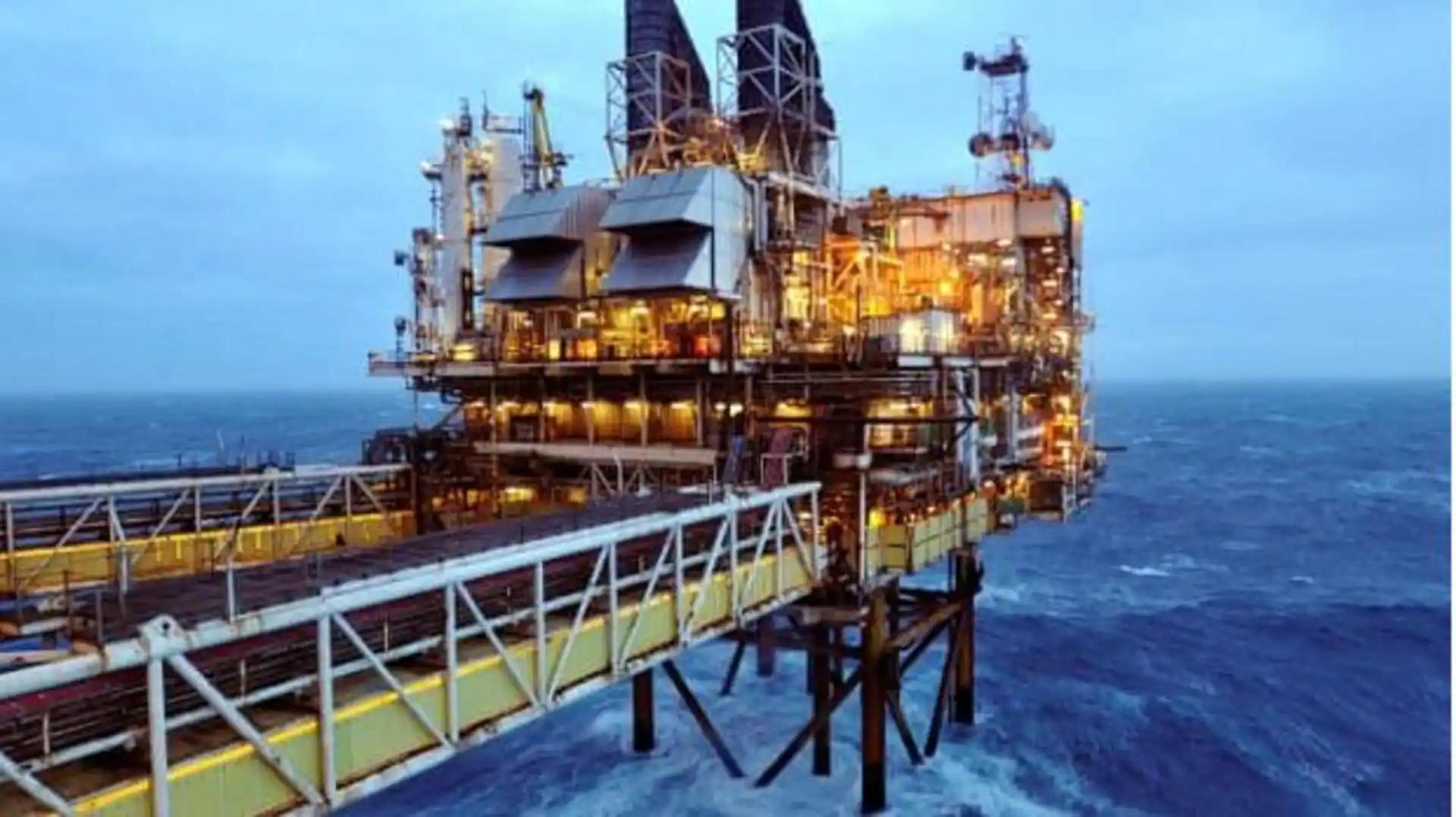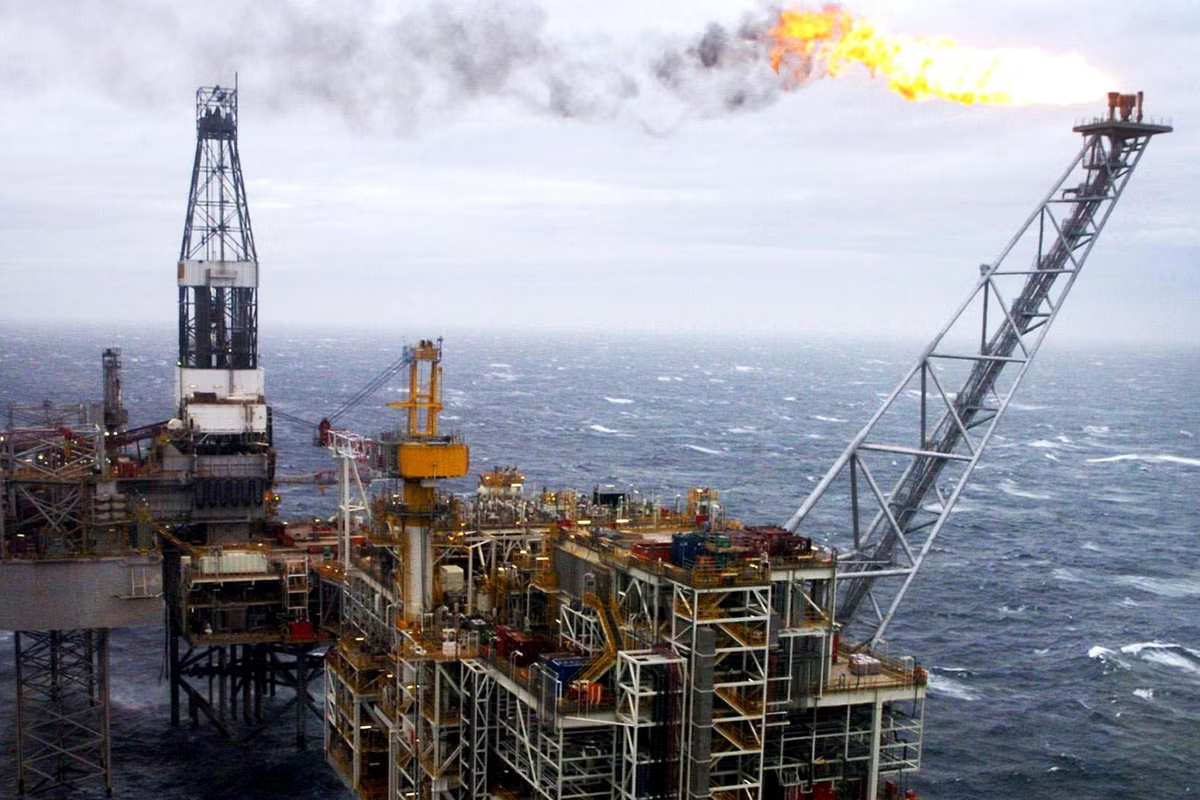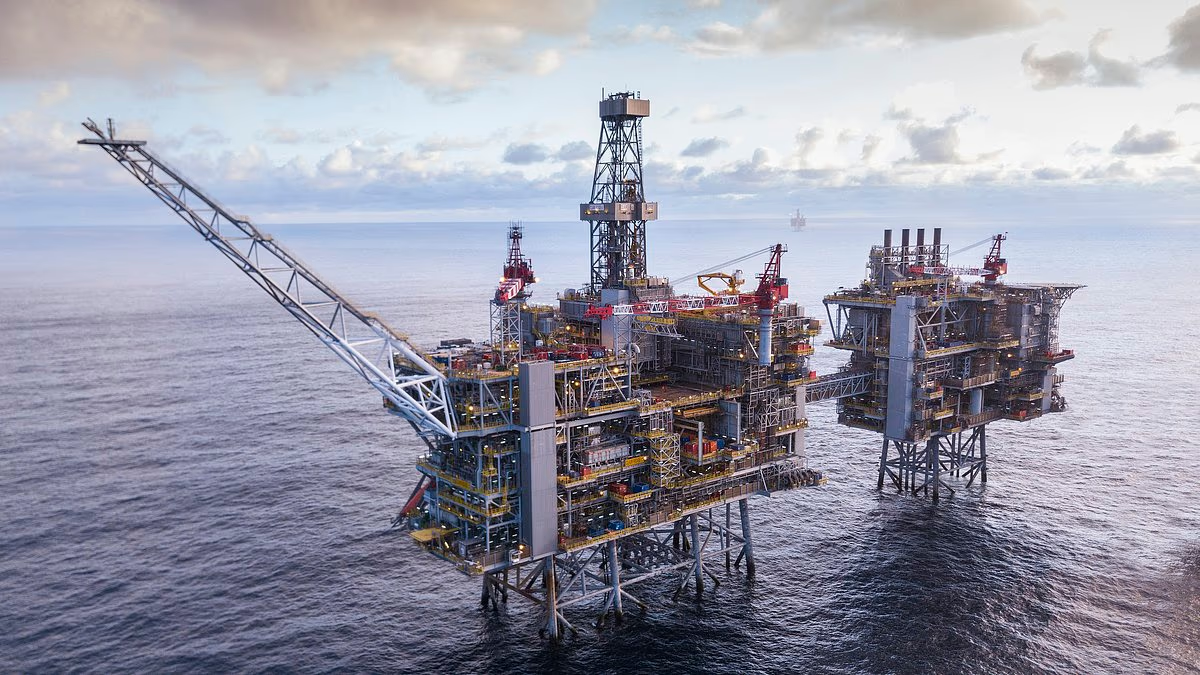
BP has hung the for-sale sign over its North Sea business as it seeks to end six decades of oil and gas production in the region.The move forms part of a wider strategy at BP to slim down its sprawling global operations. In recent months, the oil firm has doubled down on fossil fuels while prices have spiked following the outbreak of the Iran war, leading to 'exceptional' performance for its share price. As one of the most widely held stocks, the decision to offload its North Sea operation may raise questions among UK investors over the direction of its business. The share price inched higher on Friday following the sale announcement but has been immune to large swings. This is in part because while the firm’s potential withdrawal from the North Sea has been met with fury by politicians, it is perhaps less surprising for investors familiar with BP’s ongoing efforts to overhaul its business.Earlier this year, BP held talks with Ithaca Energy over a near £2billion deal for the North Sea business, but no agreement was reached.BP chief executive Meg O’Neill, who took over in April, said on Friday that while the North Sea remained integral to Britain’s energy system, she believed the business would be ‘better positioned as part of another company.’ The sale process ‘reflects its disciplined approach to capital allocation’.It comes just months after she said she saw ‘untapped potential’ in the region. So, why the sudden change of heart and what will it mean for BP’s share price? Market analysts tell us whether they think investors should, buy, sell or hold onto shares. As one of the most widely held stocks, the decision to offload its North Sea operation may raise questions among UK investors over the direction of its businessWhy is BP selling its North Sea operations?BP has said its withdrawal from the North Sea forms part of its ongoing portfolio review, as it reorganises the business to become ‘a simpler, stronger and more valuable company.’BP operates five hubs in the region - two in the central North Sea and three west of Shetland - employing 1,100 people. Last year, it produced over 100,000 barrels of oil a day there, a fraction of the overall 2.3million barrels BP produced worldwide. Since O’Neill took over in April, BP has pivoted back towards fossil fuels after a foray into renewable energy. It has reorganised the business into two segments, upstream and downstream, and recently announced plans to cut 700 ‘non-frontline’ jobs, warning of ‘potential oversupply and lower oil and gas prices.’The shake-up hasn’t gone without incident, though. In May, chair Albert Manifold was abruptly sacked over claims of ‘bullying’ behaviour, which analysts predicted could blow BP’s recovery off course.BP is one of the last oil majors to have a significant operation in the North Sea. It will soon follow the likes of ExxonMobil, Chevron, ConocoPhillips, Shell, TotalEnergies and Eni, which have all sold, merged or reduced their operations in the region.It comes after a sharp drop in production, driven by a depleting basin and ageing infrastructure, exacerbated by Labour’s ban on new oil and gas drilling, and a windfall tax on energy firms.In her first Budget in 2024, Rachel Reeves increased the windfall tax on North Sea oil and gas producers to 38 per cent from 35 per cent and extended the levy by one year. This, combined with the Ring Fence corporation tax charged at 30 per cent and a supplementary charge of 10 per cent, brings their headline tax rate to 78 per cent. Richard Hunter, head of markets at Interactive Investor, said: ‘Big oil is big business and BP is a major global player. As such, it scrutinises its return on capital and offloads what it considers to be non-core assets.‘The lack of action in the North Sea and the possibility of windfall taxes may well have prompted the decision, which is understandable from a business perspective but a bitter pill to swallow for those affected in the region.’Of the 24 fields that BP operates in the region, half are producing and half have begun abandonment.
As BP pulls out of the North Sea, what will it mean for YOUR shares?
BP has hung the for-sale sign over its North Sea business as it seeks to end six decades of oil and gas production. As a widely held stock, the decision may raise questions for UK investors.
684 words~3 min read