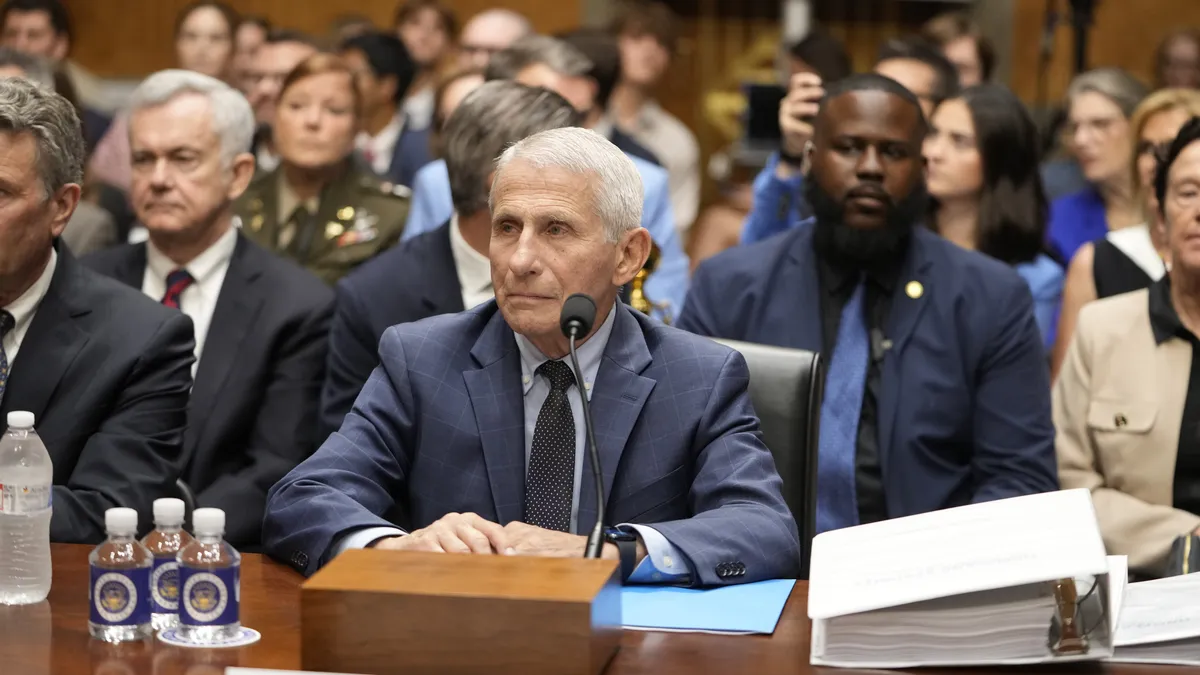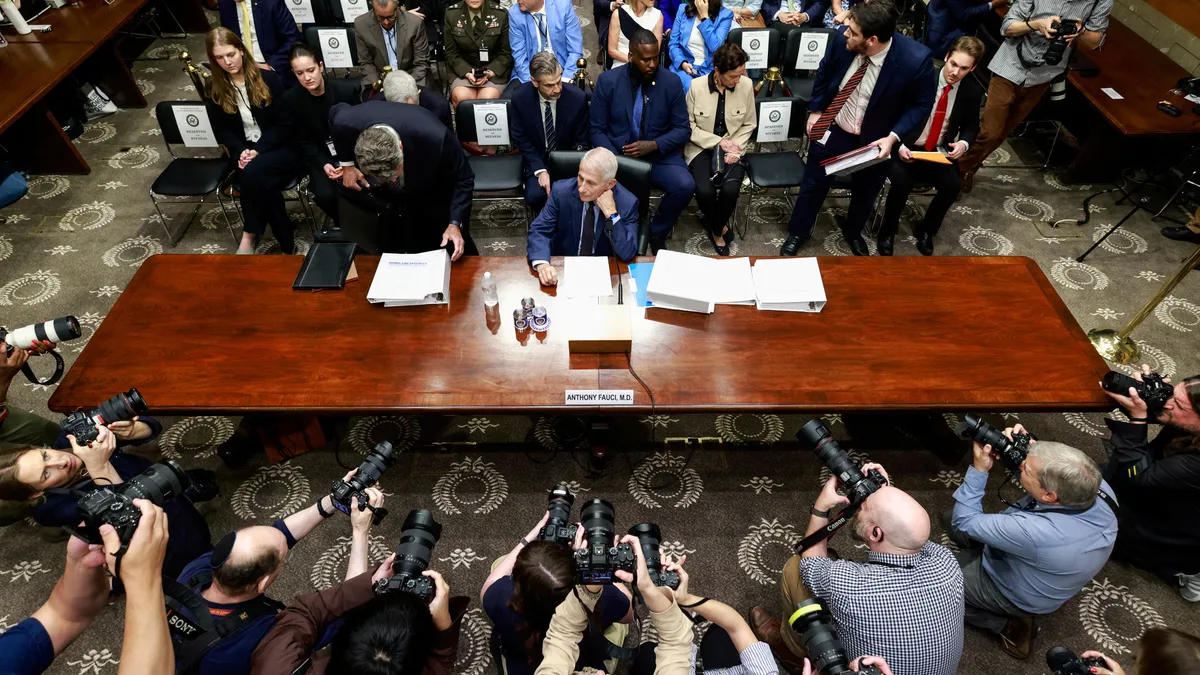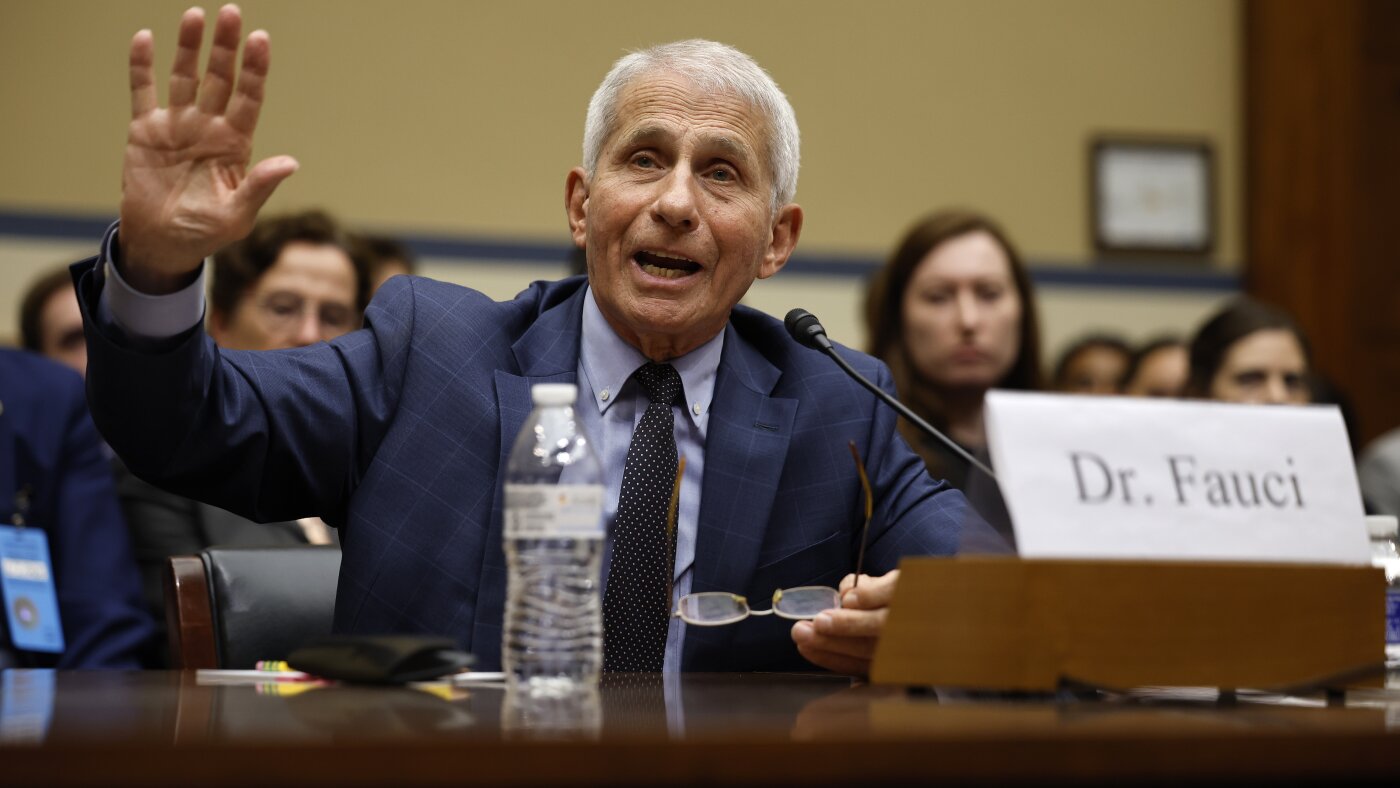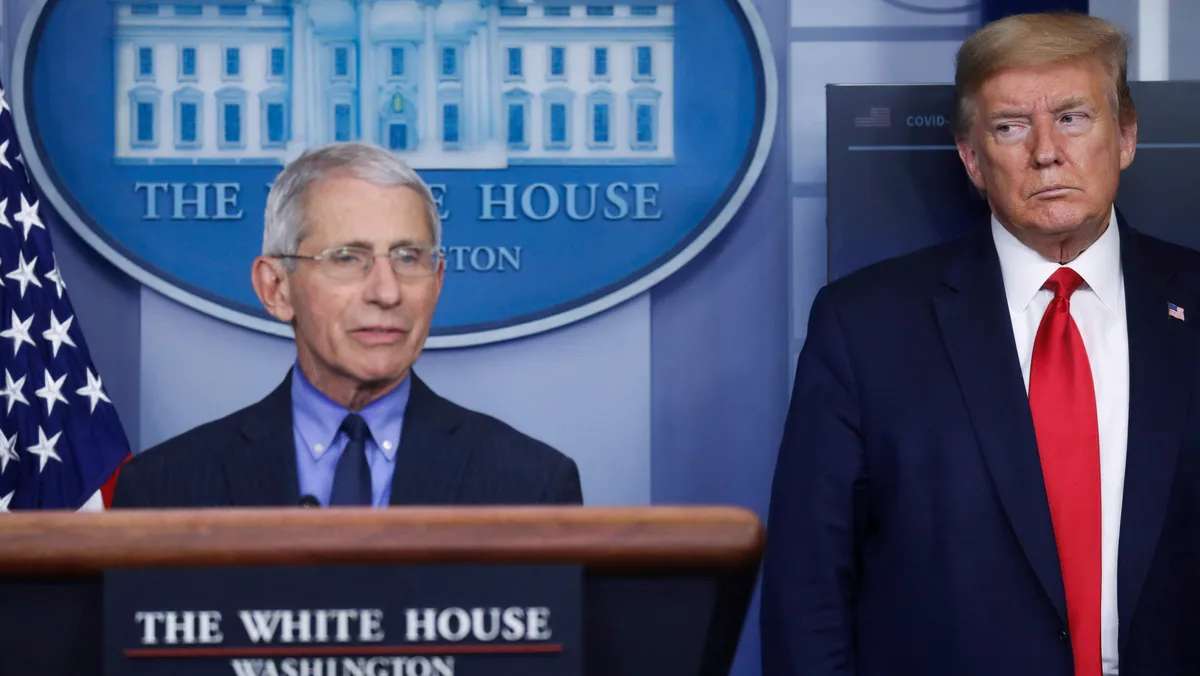
Key players in the drama this week over Dr. Anthony Fauci’s personal journal are declining to provide basic details about the origins of the records and how they came to be made public.Similarly, Fauci’s representatives declined to answer the Washington Examiner‘s questions about the records.
The lack of information has kept the public uninformed about the exact provenance of the detailed accounts that Fauci, the former director of the National Institute of Allergy and Infectious Diseases, kept about his media appearances and first-person thoughts during the darkest days of the pandemic. The release of the records drove renewed interest in accountability for the pandemic policies that Fauci helped implement and gave life to Paul’s investigation into whether Fauci covered up his agency’s alleged funding of dangerous viral research at the Wuhan Institute of Virology in China.The background
Nearly 1,600 pages of first-person diary entries from Fauci were made public earlier this week by Paul in the lead-up to the former top doctor’s latest appearance before the homeland security committee.The first trove of records, published by Paul on July 25, began with entries from December 2019, when SARS-CoV-2, the virus that causes COVID-19, was discovered in China. They extended to Fauci’s retirement from public office in December 2022.The second and less publicized records, released by Paul on July 27, were started in April 2001 as a record of Fauci’s continued work on the AIDS epidemic and the creation of what would become the PEPFAR program, a crown jewel of U.S. international public health aid. The second document, which Paul labeled as “The Prequel” on his website, included entries that ended in July 2015.Fauci’s attorney, David Schertler, declined multiple requests for comment from the Washington Examiner regarding the diaries.What are the ‘diaries?’