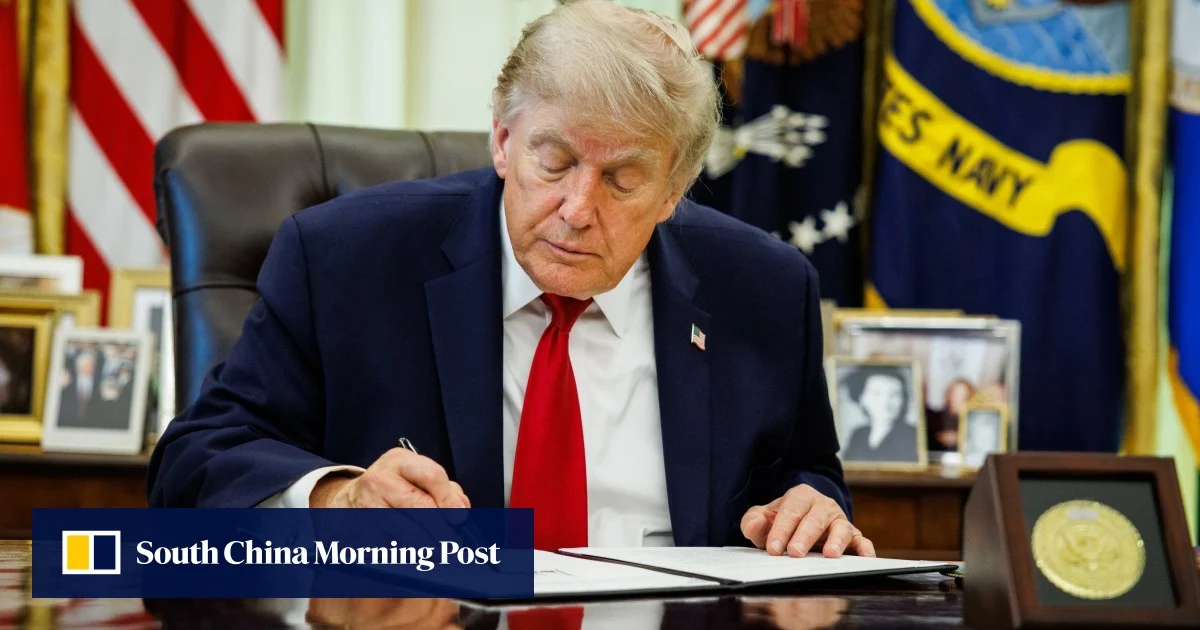
For years, defense contractors have operated under a law that was supposed to keep Chinese, Russian, North Korean and Iranian materials out of American weapons system — but real-world implementation has been elusive. President Donald Trump’s July 20 executive order, “Securing America’s Defense Supply Chains and Ensuring Domestic Acquisition of Critical Materials,” is a serious attempt to close the gap between what the statute says and what the Pentagon actually enforces.
The order correctly identifies the problem, and makes meaningful progress on the solutions.
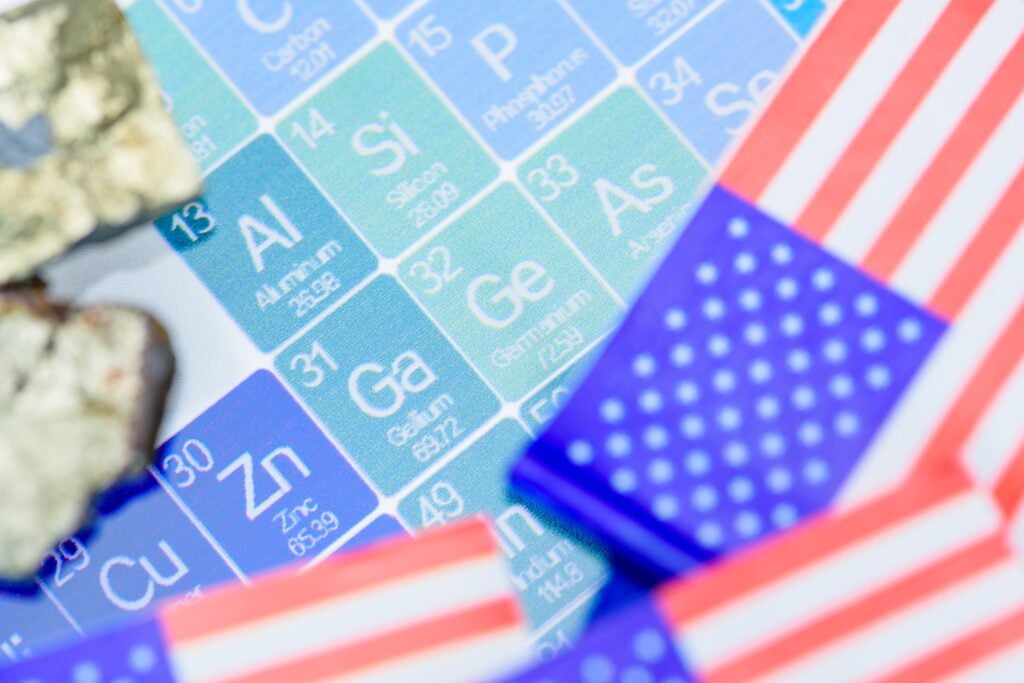
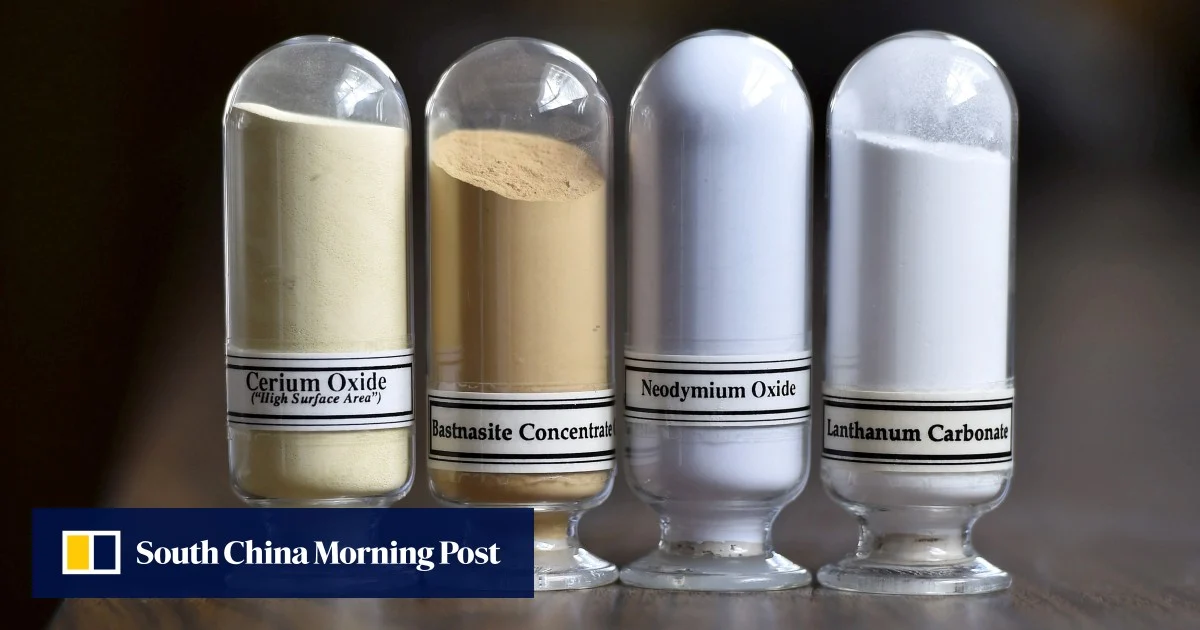
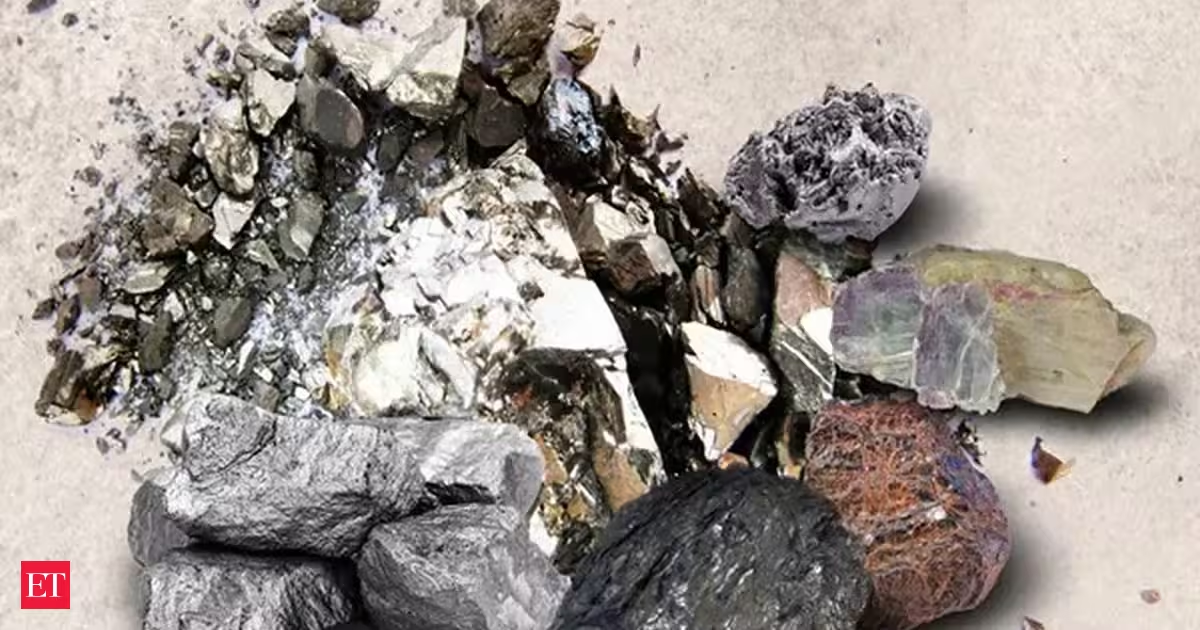
The underlying law, 10 U.S.C. 4872, already bars the Department of Defense from buying samarium-cobalt and neodymium-iron-boron magnets, tungsten, tantalum and molybdenum from covered nations, with germanium and gallium set to join the list in December 2027. But the statute also built in wide waiver authorities: If compliant material wasn’t available in the right quality, quantity, or at a reasonable price, the Pentagon could simply approve an exception. In practice, that discretion overwhelmed the rule itself. The devil is in the waivers.
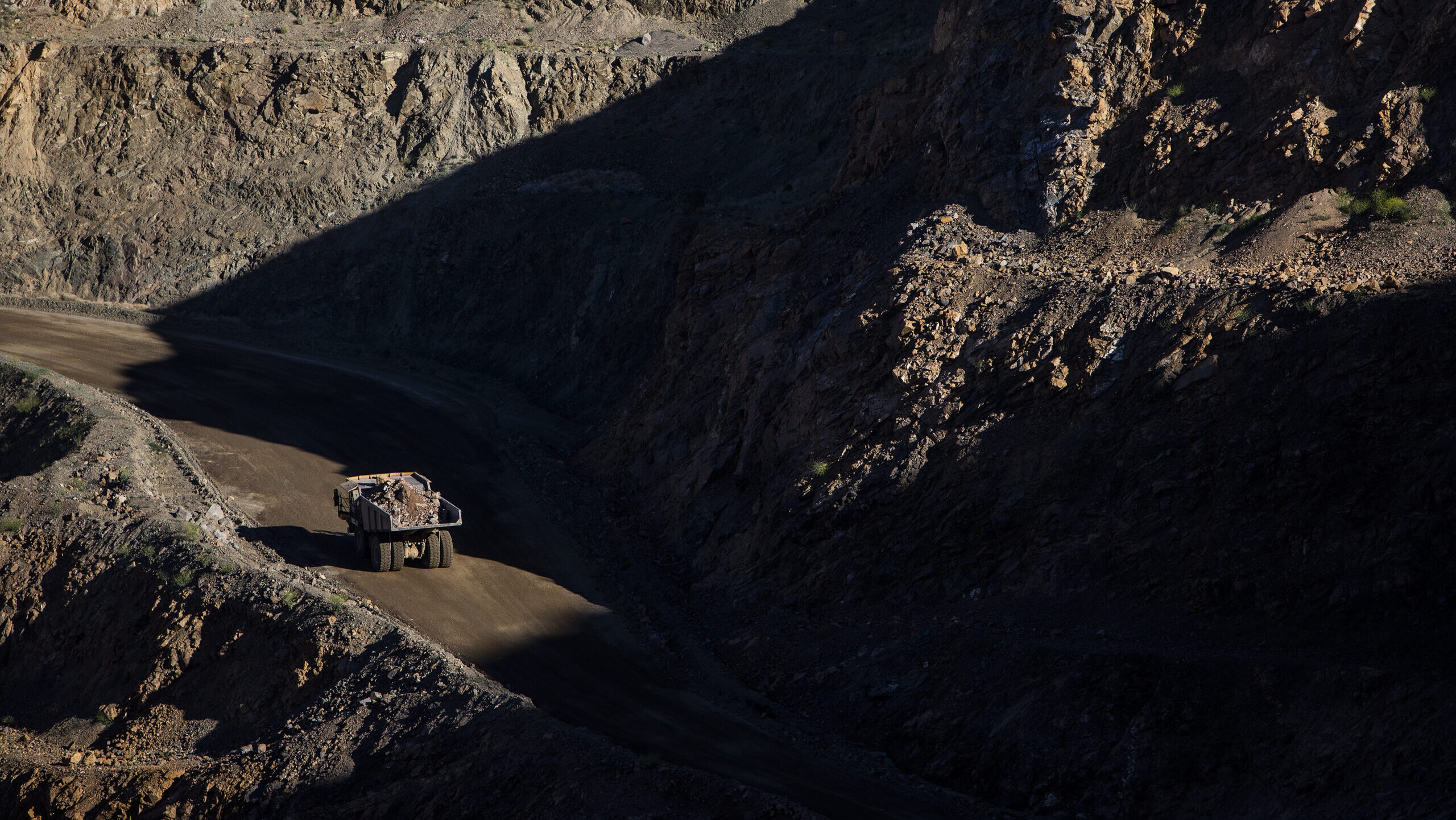
That’s not entirely contractors’ fault. The fact that China is the only viable source for many of these minerals is, well, the problem — so it’s no surprise that defense manufacturers have struggled to source alternatives. Processing capacity concentrated overseas over decades, domestic mining and refining capacity never developed to scale, and qualifying a new source for use in a weapons system can take years even when the material exists. Furthermore, defense demand alone cannot stand up domestic mineral supply chains — the buying power of the commercial sector is necessary, and with the exception of a few automakers, most of the broader industrial base has not been incentivized to decouple their supply chains from China.